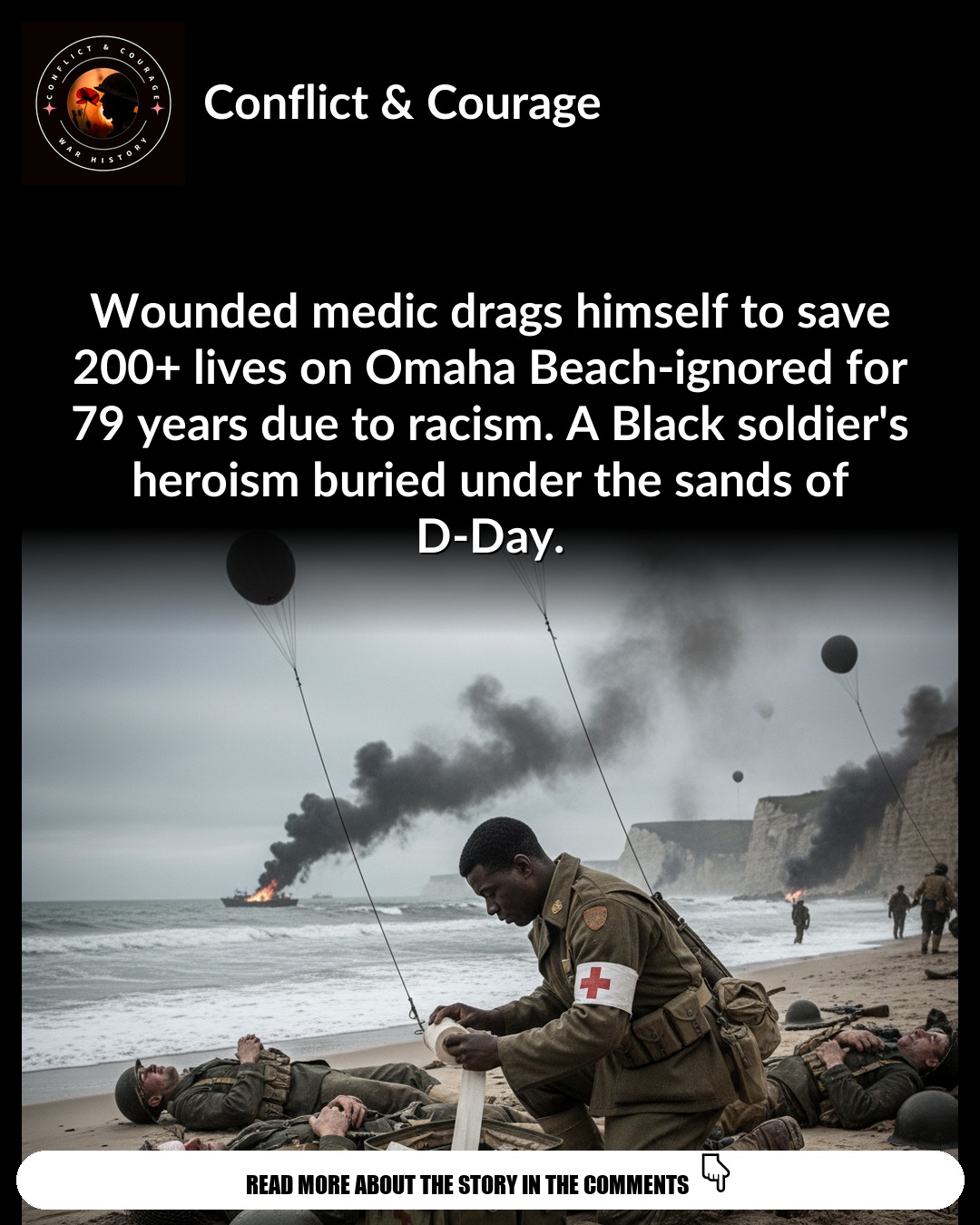
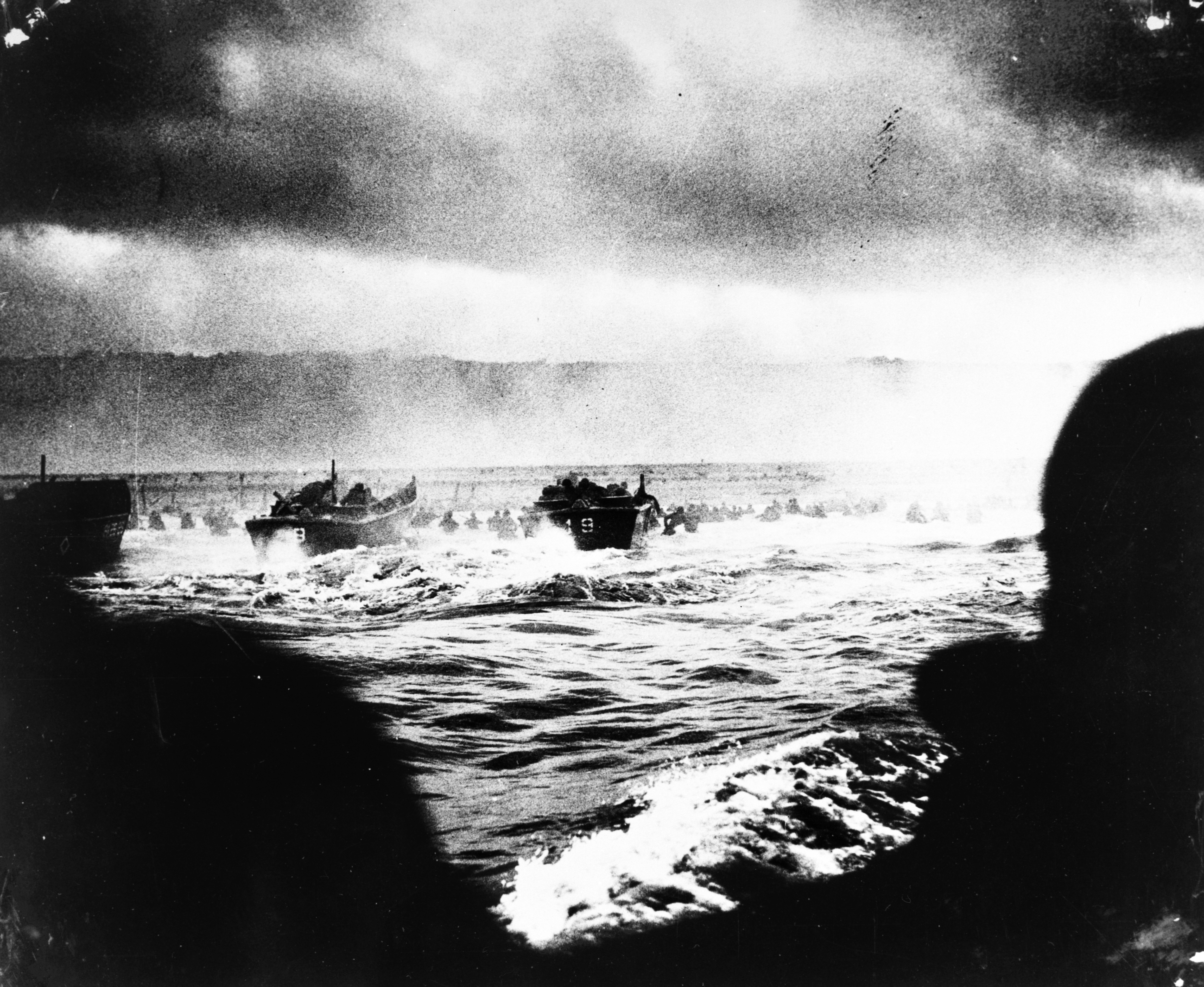
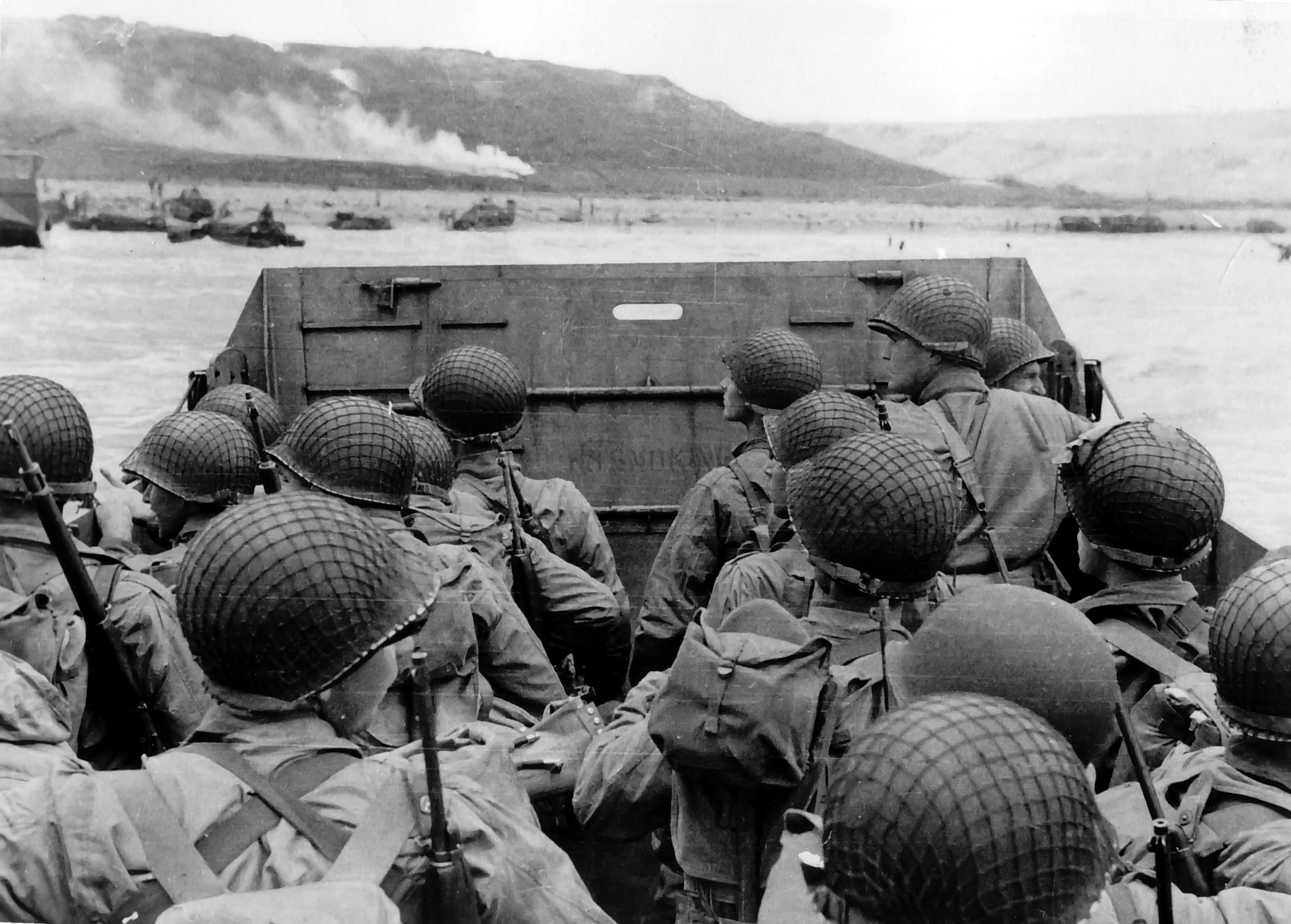
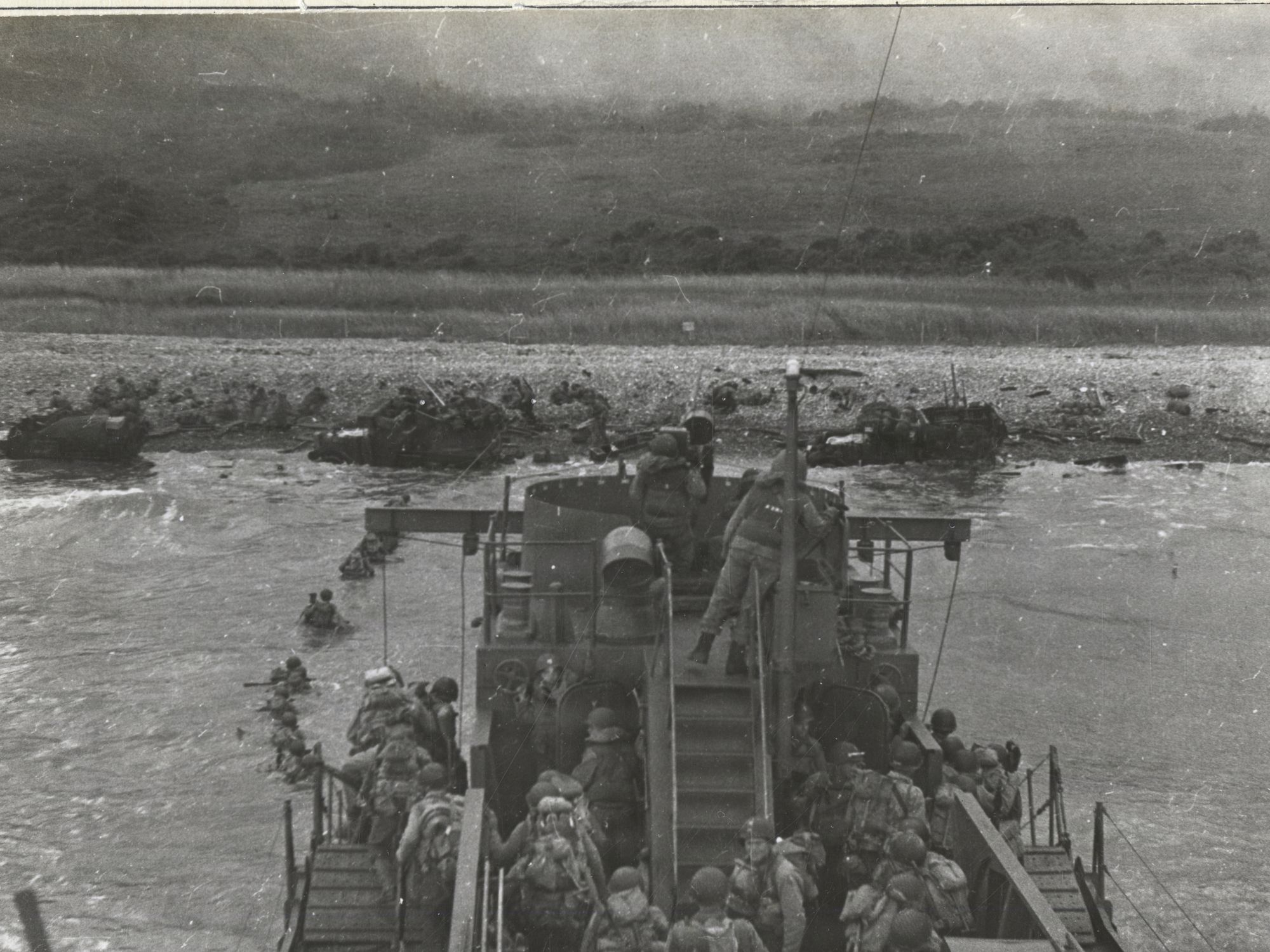
June 6, 1944, began like a nightmare on Omaha Beach. As Allied forces hit the bloodiest sector of the D-Day landings, German machine guns cut through waves of soldiers like wheat before a scythe. The carnage was unimaginable — bodies floating in the surf, wounded men crying for help, and chaos reigning supreme across the Norman coastline.
Amid this hell on earth, one man would emerge as an unlikely hero. A Black medic whose courage under fire would save over 200 lives while he himself bled from grievous wounds. Yet his story would remain buried for nearly eight decades, lost in the shadows of segregation and forgotten heroism.
The Forgotten Hero of Omaha Beach
While history books celebrate the brave soldiers who stormed Hitler's Atlantic Wall, few remember the medics who followed close behind. These men ran toward danger when everyone else sought cover, their only weapons being medical bags and unwavering determination to save lives.
Our hero's identity remained obscured for decades, his valor witnessed by those he saved but never officially recognized. Like many Black servicemen of World War II, his contributions were overlooked in an era when military honors rarely crossed racial lines. The beach that day didn't care about the color of a man's skin — bullets and shrapnel were equal opportunity killers.
The delay in recognition speaks to a larger tragedy of American military history. Countless heroes of color served with distinction, yet their stories often died with them, buried beneath layers of institutional neglect.
Under Fire: Setting Up an Aid Station in Hell
The German bullet that tore through his groin should have ended his war. Most men would have sought immediate evacuation, their duty fulfilled simply by reaching the beach alive. Instead, this medic made a decision that defied all logic and military protocol.
With blood seeping through his uniform, he established an aid station directly on Omaha Beach. Enemy machine guns swept the sand around him while artillery shells exploded close enough to shower him with debris. The rational choice was retreat — the heroic choice was to stay and fight death itself.
Shrapnel from German mortars peppered his body, adding to his wounds. Yet he continued working, transforming a stretch of hell into a sanctuary for the wounded. His makeshift aid station became a beacon of hope for soldiers who thought they'd never see home again.
200 Lives Saved: A Medic's Impossible Mission
Under the most impossible conditions imaginable, this medic began his life-saving work. He treated everything from gunshot wounds to severed limbs, working with supplies that quickly dwindled as more wounded arrived. The sand beneath his aid station turned red with the blood of American heroes.
Witnesses later described his methodical approach to triage, determining who could be saved and who was beyond help. He worked through his own agony, never allowing his wounds to slow his hands or cloud his judgment. His medical training took over, suppressing pain and fear in service of duty.
Soldiers who survived Omaha Beach carried his story in their hearts for decades. They spoke of the Black medic who refused to quit, who treated their wounds while ignoring his own, who gave them hope when death seemed certain. Their testimonies would eventually become crucial evidence in securing his long-overdue recognition.
Targeted by Snipers: The Ultimate Test of Courage
German snipers had clear instructions to target medics, despite the Geneva Conventions' protection of medical personnel. Red crosses painted on helmets and armbands became bullseyes rather than shields. Enemy marksmen understood that killing one medic could doom dozens of wounded soldiers.
The psychological pressure was immense — knowing that every moment spent treating a patient made him a target for enemy fire. Yet he continued his work, moving between wounded soldiers with deliberate calm. His presence inspired confidence in men who had lost hope.
Sniper rounds cracked past his head as he worked. Machine gun bursts forced him to duck and weave between patients. Still, he never abandoned his post, never left a wounded soldier untreated. His courage under fire became legendary among the survivors.
The Long Road to Recognition
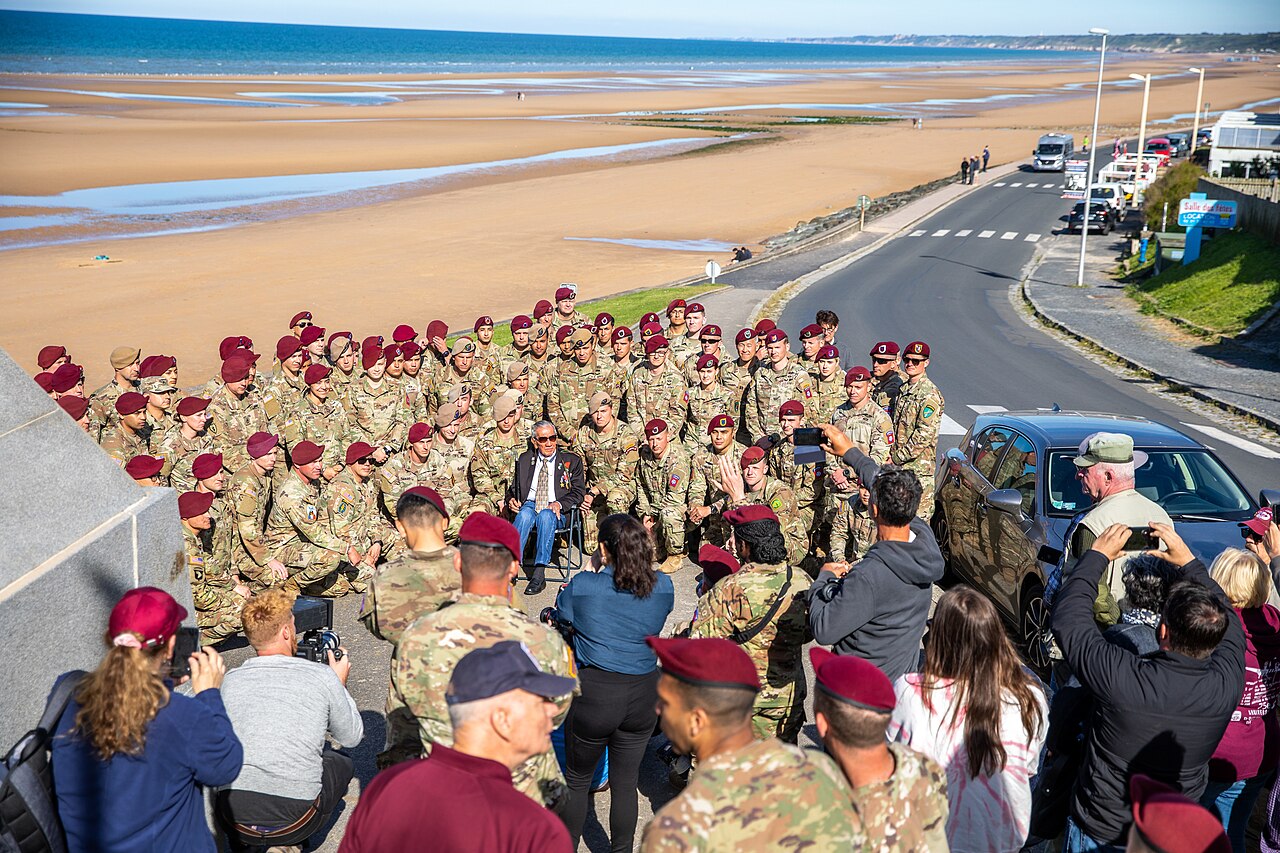
For 79 years, this medic's heroism remained officially unrecognized. The Army's failure to honor his service reflected the broader discrimination that Black servicemen faced during and after World War II. Military honors systems often overlooked minority contributions, creating gaps in the historical record that persisted for decades.
Military historians and researchers began uncovering these forgotten stories in recent years. They combed through witness testimonies, unit records, and personal accounts to piece together what really happened on beaches like Omaha. Their work revealed countless heroes whose valor had been ignored or forgotten.
The campaign for recognition gained momentum as advocates pressed the Army to correct historical injustices. They argued that delayed recognition was better than no recognition at all, that these heroes deserved their place in military history regardless of how much time had passed.
Black Medics in WWII: The Broader Context
Segregation defined the American military experience during World War II. Black servicemen served in separate units, often relegated to support roles despite their desire to fight on the front lines. Yet when the shooting started, color barriers often dissolved in the face of shared danger.
Black medical personnel proved indispensable throughout the war. They treated wounded soldiers regardless of race, earning respect through competence and courage. Many served with distinction in combat zones, saving lives while risking their own. Like Captain Donald Keith in Vietnam decades later, these heroes often went unrecognized for their extraordinary service.
The integration of the military began with heroes like our Omaha medic. Their performance under fire proved that courage and skill transcended racial boundaries, helping pave the way for the desegregation that would follow the war.
Justice Delayed: The 2023 Recognition
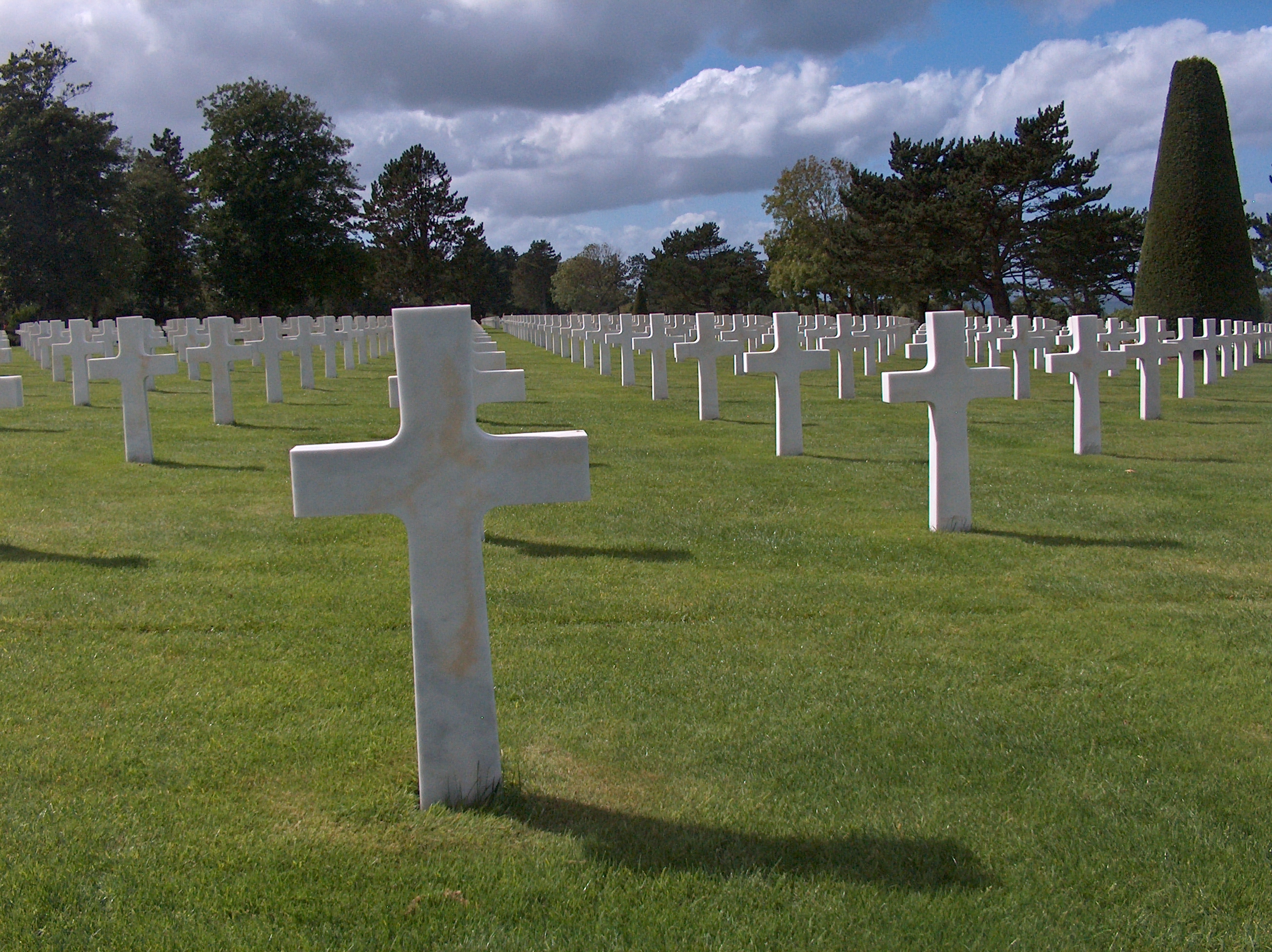
In 2023, the Army finally corrected this historical oversight. The official recognition ceremony honored not just one man's heroism, but acknowledged a larger failure to properly document minority contributions to military history. The belated award carried significance far beyond its individual recipient.
This recognition opens doors for other forgotten heroes. Researchers continue discovering stories of overlooked valor, particularly among minority servicemen whose contributions were systematically ignored. Each recovered story helps complete the fuller picture of American military history.
The lesson extends beyond World War II to conflicts like Vietnam, where heroes such as Charles Hosking Jr. also waited decades for proper recognition. Military history belongs to all who served with honor, regardless of race or background.
Stories like this remind us that heroism comes in all colors and from all backgrounds. What other forgotten heroes are waiting to be discovered in the archives? Every story matters, and every hero deserves to be remembered.