On a frozen mountainside in North Korea, two Navy pilots proved that courage knows no color. Jesse Brown, America's first Black naval aviator, and Tom Hudner, his white wingman from Massachusetts, forged a friendship that would challenge everything the segregated military of 1950 thought it knew about brotherhood.
Their story begins not with heroics, but with quiet determination breaking through the barriers of an era when most military units remained stubbornly segregated.
Two Pilots, One Unbreakable Bond
Jesse Brown earned his wings in 1948, shattering racial barriers to become the Navy's first Black aviator. The son of Mississippi sharecroppers, he'd overcome poverty and prejudice to reach the cockpit of an F4U Corsair.
Tom Hudner came from privilege—a Massachusetts family with deep roots and social standing. When these two unlikely partners were paired as wingmen, many expected tension.
Instead, they found mutual respect soaring above the frozen Korean landscape. Brown's skill as a pilot spoke louder than the color of his skin. Hudner's character mattered more than his background.
Flying dangerous close-air support missions over enemy territory, they developed the trust that keeps wingmen alive. Neither man could have predicted how deep that bond would be tested.
December 4, 1950: The Day Everything Changed
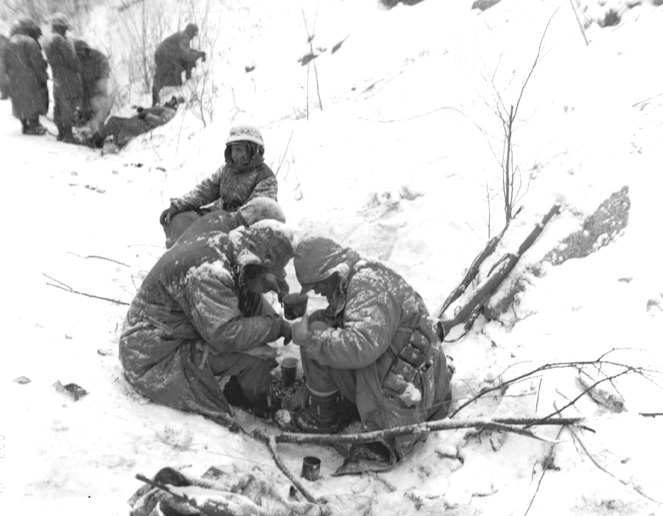
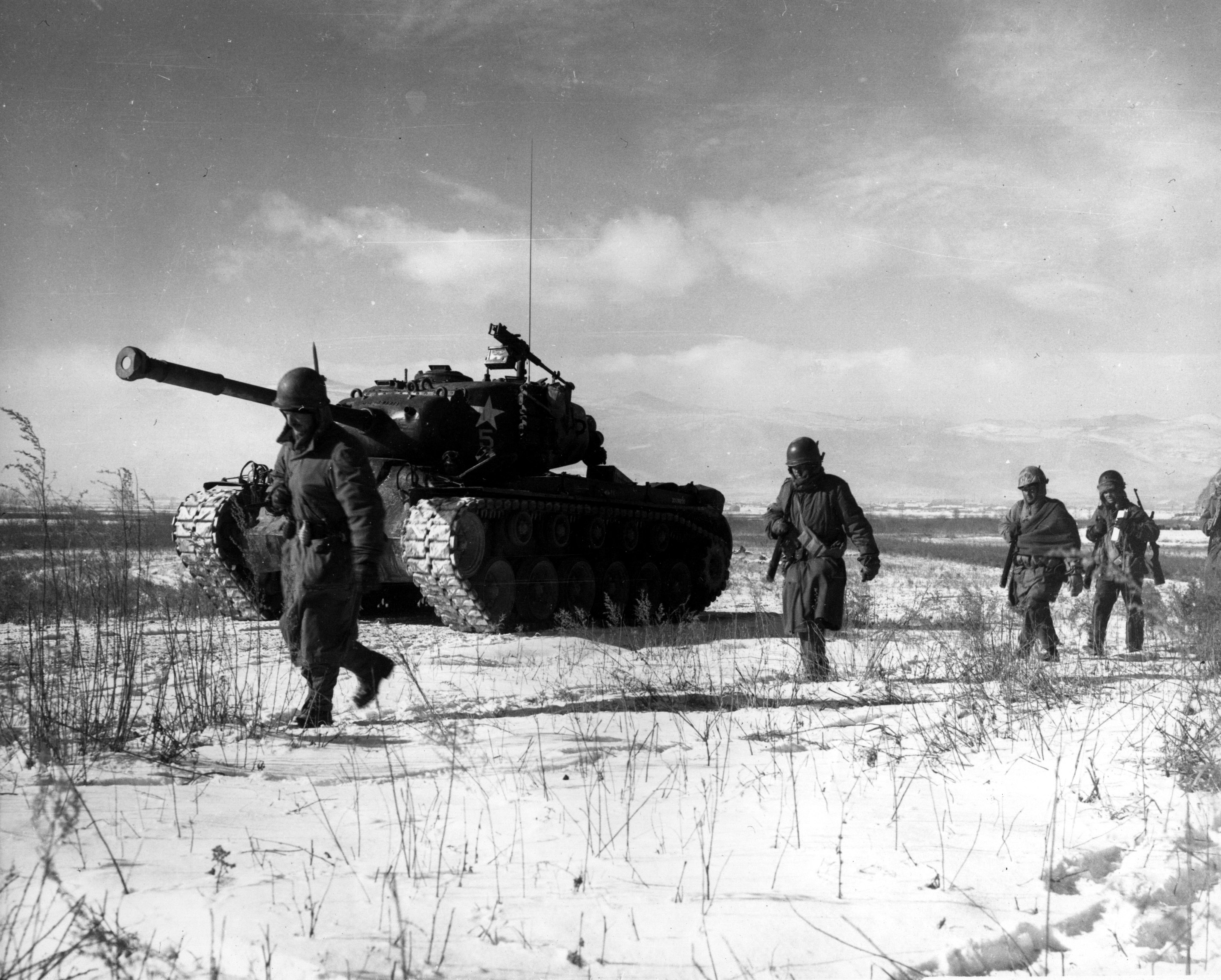
The mission briefing was routine—provide air support for Marines trapped near the Chosin Reservoir. Chinese forces had surrounded American positions in brutal sub-zero conditions.
Brown's Corsair screamed down through enemy flak, strafing Chinese positions with deadly accuracy. Then ground fire found its mark.
The aircraft shuddered, smoke pouring from the engine. Brown fought the controls as his F4U spiraled toward the mountainside below.
The crash was violent. Brown's Corsair slammed into the frozen slope, the cockpit immediately bursting into flames. Over the radio, his voice crackled with desperation: "I'm pinned in here and can't get out."
The Unthinkable Decision
Circling overhead, Hudner faced an impossible choice. His wingman was trapped in a burning aircraft, enemy forces closing in.
Protocol demanded he return to base, call for rescue helicopters, follow proper procedures. Instead, Hudner made a decision that defied every rule in the book.
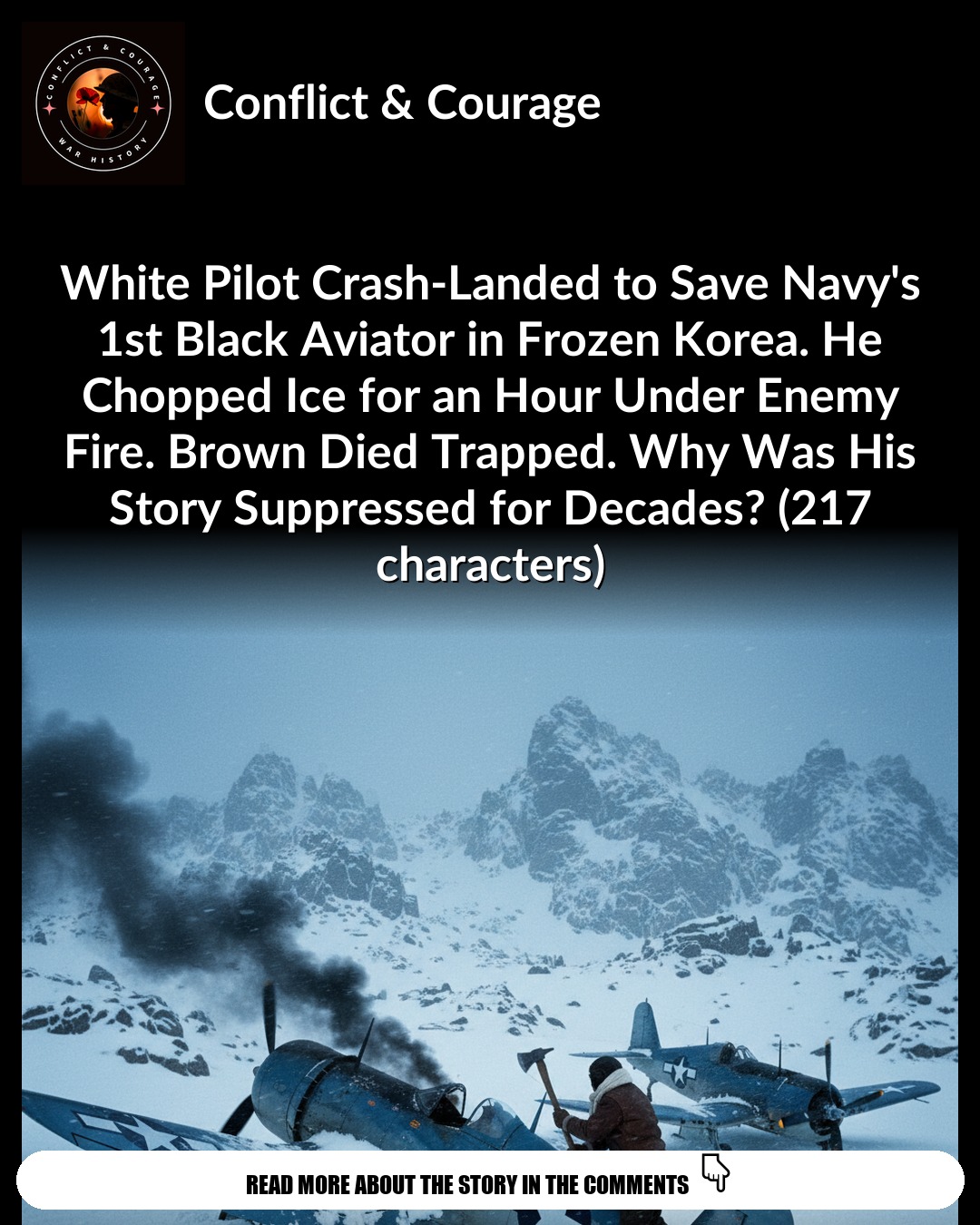
He deliberately crash-landed his own Corsair right beside Brown's wreckage. The impact was bone-jarring, but Hudner walked away.
Grabbing a fire axe from his damaged aircraft, he ran toward his friend's burning plane. The race against time had begun.
Fighting Ice, Fire and Time
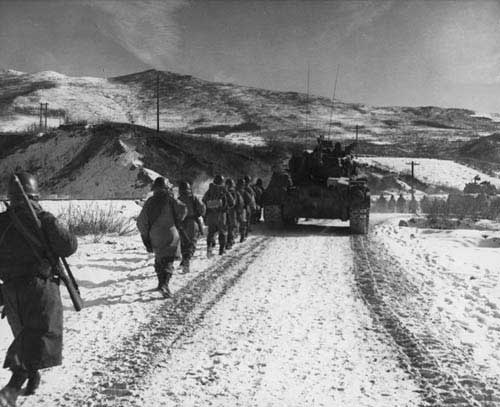
The temperature was twenty degrees below zero. Ice covered everything, making each step treacherous. Brown was conscious but trapped, his leg pinned beneath twisted metal.
Hudner attacked the wreckage with the axe, his bare hands already numb from the cold. Snow packed around the cockpit had turned to ice, requiring him to chop through layer after frozen layer.
Smoke poured from the engine compartment. Small flames danced along fuel lines. Any moment, the entire aircraft could explode.
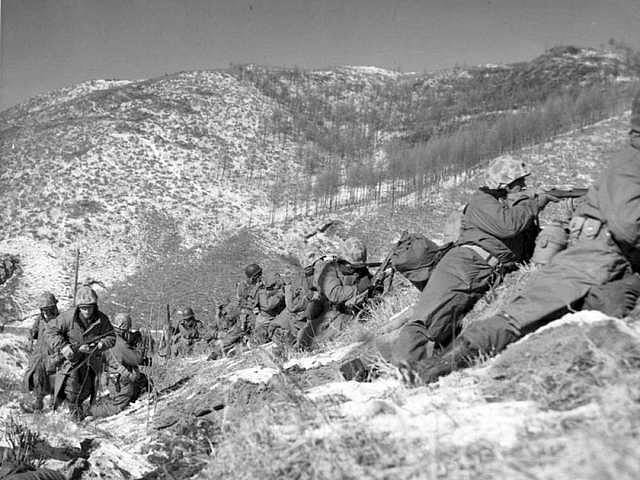
Radio warnings crackled constantly—Chinese forces were advancing. Time was running out, but Hudner refused to abandon his wingman.
Final Words on a Frozen Mountain
After an hour of desperate work, hypothermia was setting in. Hudner's hands could barely grip the axe. Brown's voice grew weaker.
Through chattering teeth, Brown whispered his final message: "Tell my wife I love her." The young aviator knew he wasn't leaving that mountainside.
A rescue helicopter finally arrived, but the terrain was too dangerous for a safe landing. The pilot could only hover nearby, rotors whipping snow into blinding clouds.
As darkness fell and Chinese forces drew closer, the helicopter crew made the agonizing decision. They could save one man or lose them both.
Hudner was pulled aboard. Brown remained with his aircraft, never to come home.
Medal of Honor, Buried Story
Tom Hudner received the Medal of Honor for his extraordinary heroism. President Truman presented the nation's highest military decoration in a White House ceremony that made headlines.
But Jesse Brown's story was largely buried. The Navy, still grappling with integration, downplayed his pioneering role and ultimate sacrifice.
Racial attitudes of the 1950s influenced the official narrative. Brown became a footnote while Hudner became the hero—a simplification that missed the profound truth of their partnership.
For decades, the complete story remained hidden from public view, another example of how military heroism was often filtered through the lens of racial prejudice.
Legacy of Courage Across Color Lines
Their friendship challenged everything the segregated military thought it understood about race and brotherhood. Brown proved Black aviators could excel in combat. Hudner showed that true heroism transcends color.
Jesse Brown became an inspiration for future generations of Black naval aviators, though few knew his full story for years. His sacrifice opened doors that had long been sealed shut.
Tom Hudner spent his life honoring his wingman's memory, ensuring Brown's contributions weren't forgotten. Like other heroes who fought for recognition, including the Black D-Day medic whose courage was finally honored decades later, their story reminds us that valor comes in all colors.
Their legacy lives on in today's integrated military, where the content of character matters more than the color of skin. On that frozen Korean mountainside, two pilots proved that courage is colorblind—and that true friendship can overcome any barrier society tries to build.
What do you think about Jesse Brown and Tom Hudner's incredible story of friendship and sacrifice? Share your thoughts in the comments below, and don't forget to share this story with fellow military history enthusiasts who appreciate tales of courage that transcend racial boundaries.