In the frozen mountains of northern Italy, December 1944 brought more than just another winter storm. It brought a test of courage that would remain hidden for over five decades, buried beneath military bureaucracy and the painful reality of racial prejudice in World War II America.
The Blizzard at Sommocolonia
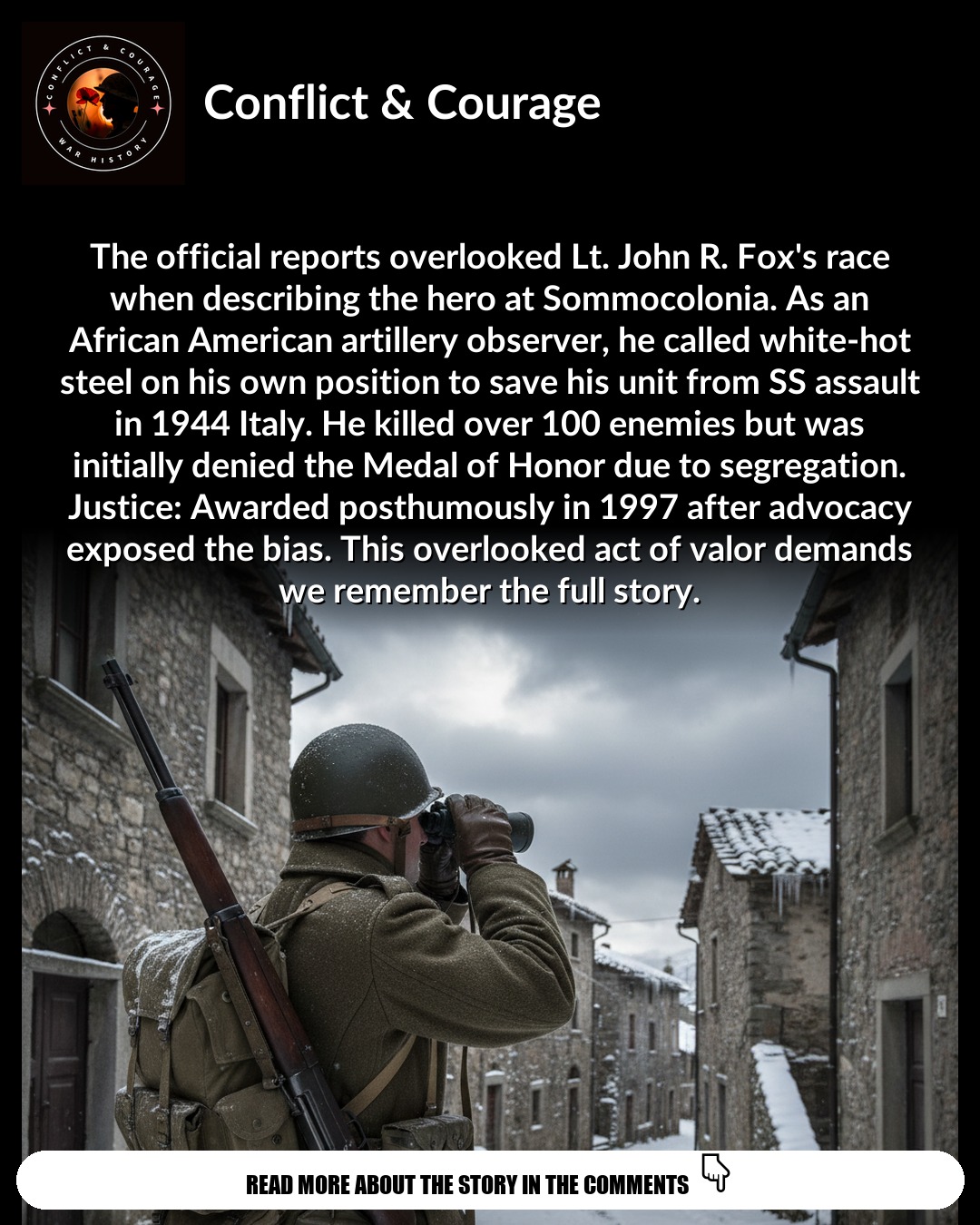
Snow swirled through the ancient streets of Sommocolonia as German SS troops pressed their attack through the bitter Italian winter. The 92nd Infantry Division—America's only Black combat division in the European theater—had been holding this strategic mountain village against determined enemy assaults.
The Gothic Line battles had raged for months, with Allied forces trying to break through German defensive positions in the Apennine Mountains. Every village mattered. Every hilltop could mean the difference between breakthrough and stalemate.
As blizzard conditions worsened that December day, the Buffalo Soldiers of the 92nd found themselves facing a coordinated German offensive. SS troops, experienced in winter warfare, moved like ghosts through the snow-covered terrain, closing in on the American positions from multiple directions.
A Lieutenant's Impossible Choice
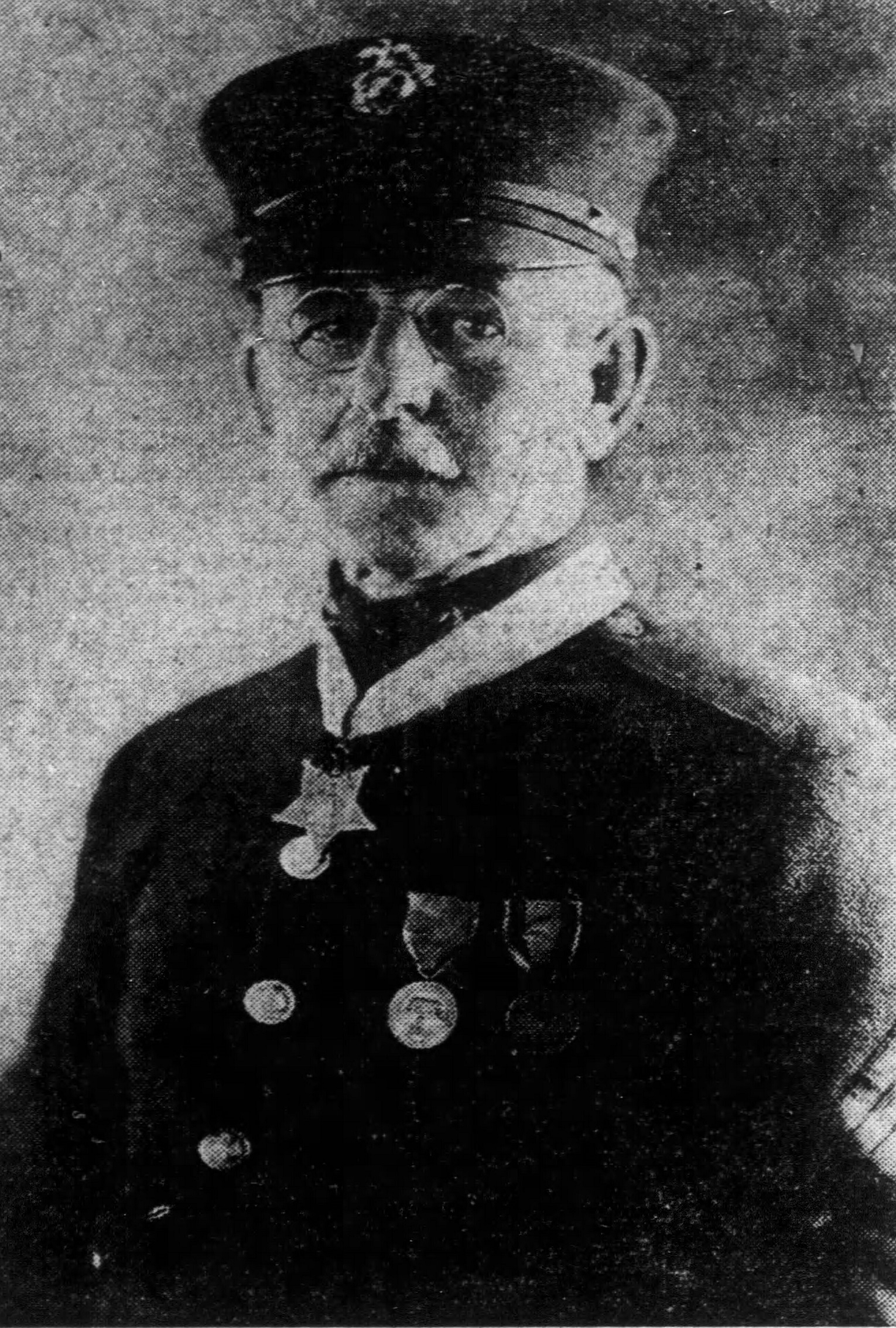
When the order came to withdraw, one young Black lieutenant faced the kind of decision that defines a soldier's character. His unit was in danger of being overrun, and someone needed to coordinate the retreat while directing artillery fire to cover the withdrawal.
His men watched as their officer made the calculation every combat leader dreads—staying behind meant almost certain death, but it also meant his soldiers would live to fight another day. The tactical situation was brutal in its simplicity: someone had to remain to call in fire support, or the entire unit would be annihilated.
As his troops pulled back through the swirling snow, they caught glimpses of their lieutenant settling into position with his radio. He knew what was coming. They all did.
Calling Fire on His Own Position
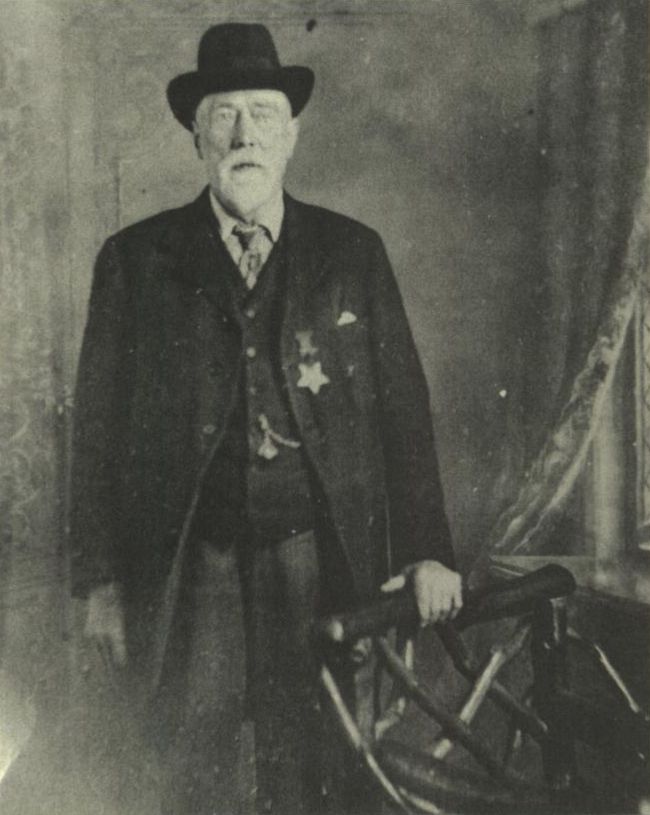
Artillery spotting in World War II required nerves of steel under the best conditions. Forward observers like this lieutenant had to calculate distances, account for terrain, and communicate precise coordinates while often under direct enemy fire.
The radio crackled as the lieutenant called in coordinates for American artillery. But these weren't just any coordinates—they were his own position. German troops had surrounded him, and the only way to stop their advance was to bring down shells on his exact location.
His voice remained steady as he directed the barrage, making minute adjustments to ensure maximum effectiveness against the attacking Germans. It was mathematics of the most brutal kind: trading one life to save dozens.
The Grim Discovery
When American forces retook Sommocolonia days later, they found a scene that told the story of extraordinary heroism. The lieutenant's body lay among the frozen remains of approximately 100 German soldiers—testament to the devastating effectiveness of his final fire mission.
The tactical situation was clear to the investigating officers. One man's sacrifice had not only saved his unit but had stopped a significant German offensive in its tracks. His heroism was immediately recognized at the unit level, with recommendations for the Medal of Honor submitted through proper channels.
But recognition would prove more elusive than the medal his actions had earned.
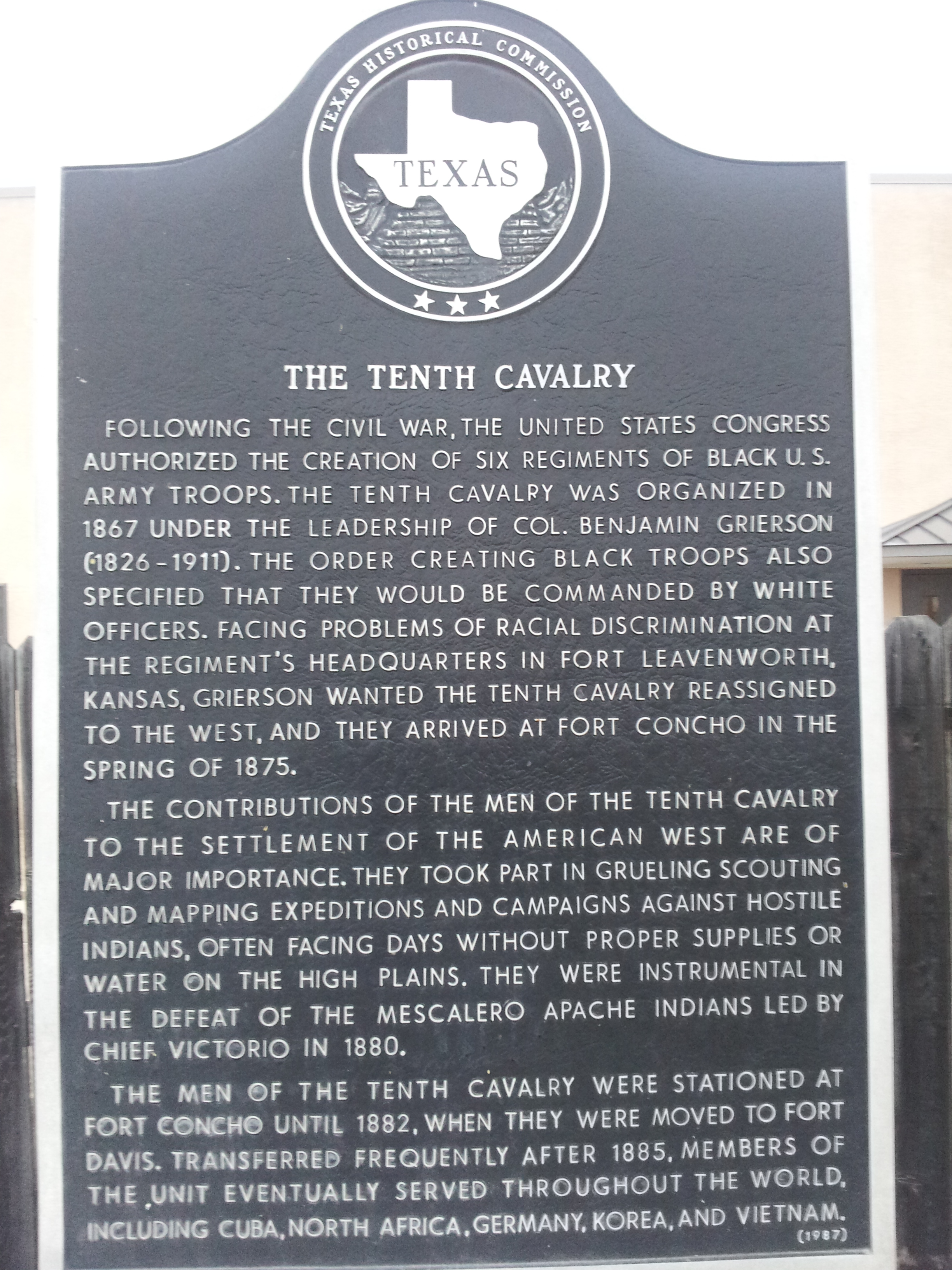
The 92nd Division: Buffalo Soldiers in Italy
The 92nd Infantry Division carried a double burden in World War II. Not only did they face the same dangers as their white counterparts, but they also battled systemic discrimination that questioned their courage and capability at every turn.
These Buffalo Soldiers had proven themselves repeatedly in the Italian campaign, fighting through the Gothic Line battles with determination and skill. Yet their heroism often went unrecognized in official accounts, overshadowed by prejudice that persisted even in the face of extraordinary sacrifice.
Like many Black heroes of World War II, this lieutenant's story became lost in bureaucratic indifference and racial bias that characterized much of the military's recognition system for decades.
52 Years of Waiting
The Medal of Honor recommendation disappeared into a system that seemed designed to overlook Black heroism. Similar delays affected other African American heroes, creating a pattern of recognition denied that would take decades to address.
It wasn't until the 1990s that comprehensive reviews began examining cases of overlooked minority heroes from World War II, Korea, and Vietnam. Like Melvin Morris, who waited 45 years for his Medal of Honor, this lieutenant's sacrifice had been documented but systematically ignored.
The campaign to right these historical wrongs gained momentum as historians and advocates worked to ensure that heroism would be recognized regardless of the hero's race or background.
Legacy of a Forgotten Hero
When the Medal of Honor was finally awarded in 1996, it represented more than recognition for one man's sacrifice. It acknowledged the broader heroism of the Buffalo Soldiers and the debt America owed to those who fought for freedom while being denied it at home.
This lieutenant's story exemplifies the courage that transcends recognition. His sacrifice wasn't diminished by the decades of delay—if anything, it reminds us that true heroism doesn't depend on immediate acknowledgment.
His legacy serves as a powerful reminder that the price of freedom is often paid by those whose stories remain untold, whose sacrifices go unrecognized until justice finally catches up with history.
What stories of unrecognized heroism from your family's military service deserve to be told? Share your thoughts and honor the memory of heroes like this forgotten lieutenant who gave everything for his fellow soldiers.