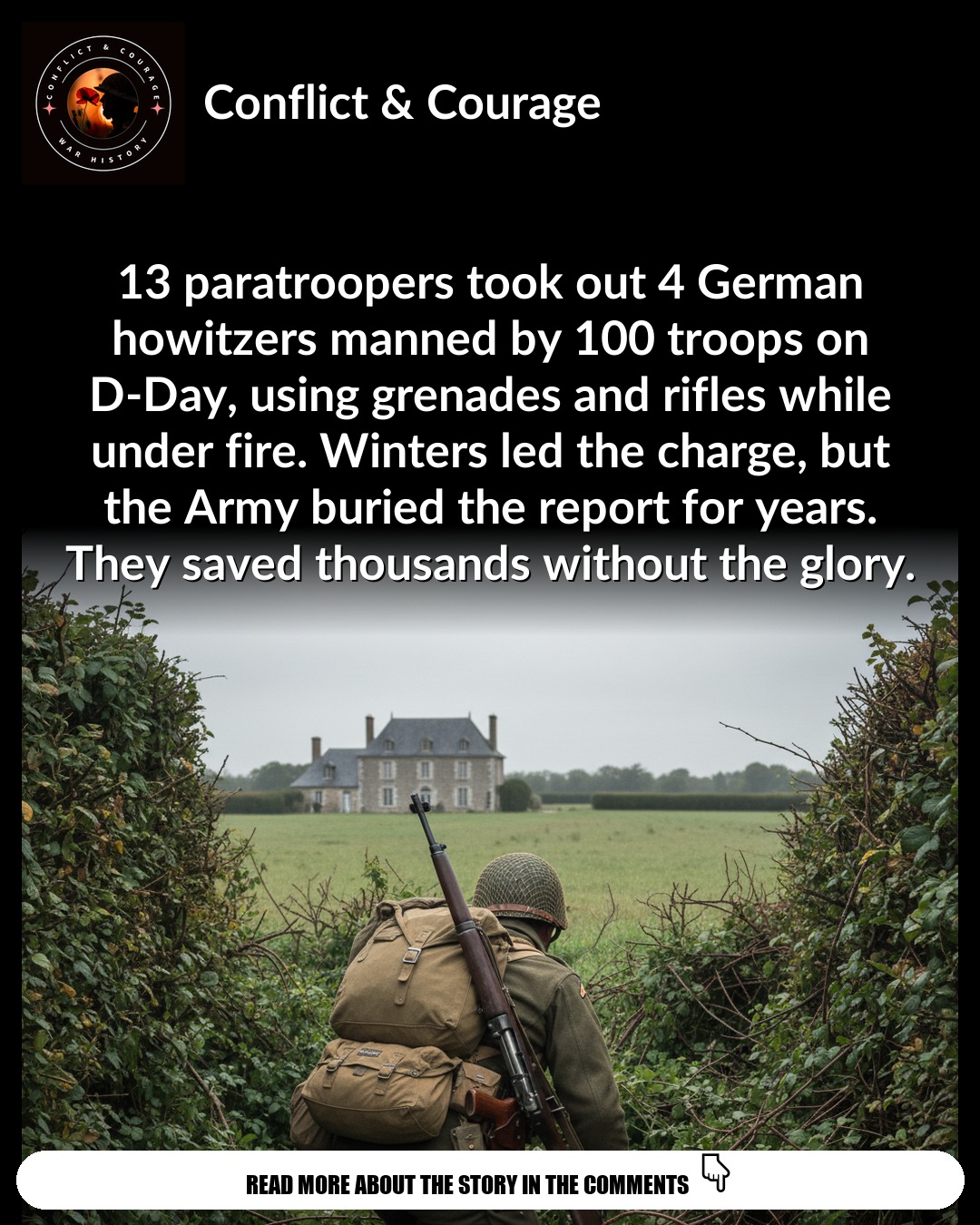
While countless books and documentaries focus on the dramatic beach landings of D-Day, one of the most crucial battles happened miles inland. Thirteen American paratroopers silenced the German guns that were turning Utah Beach into a killing field, yet their heroic story remains largely unknown to this day.
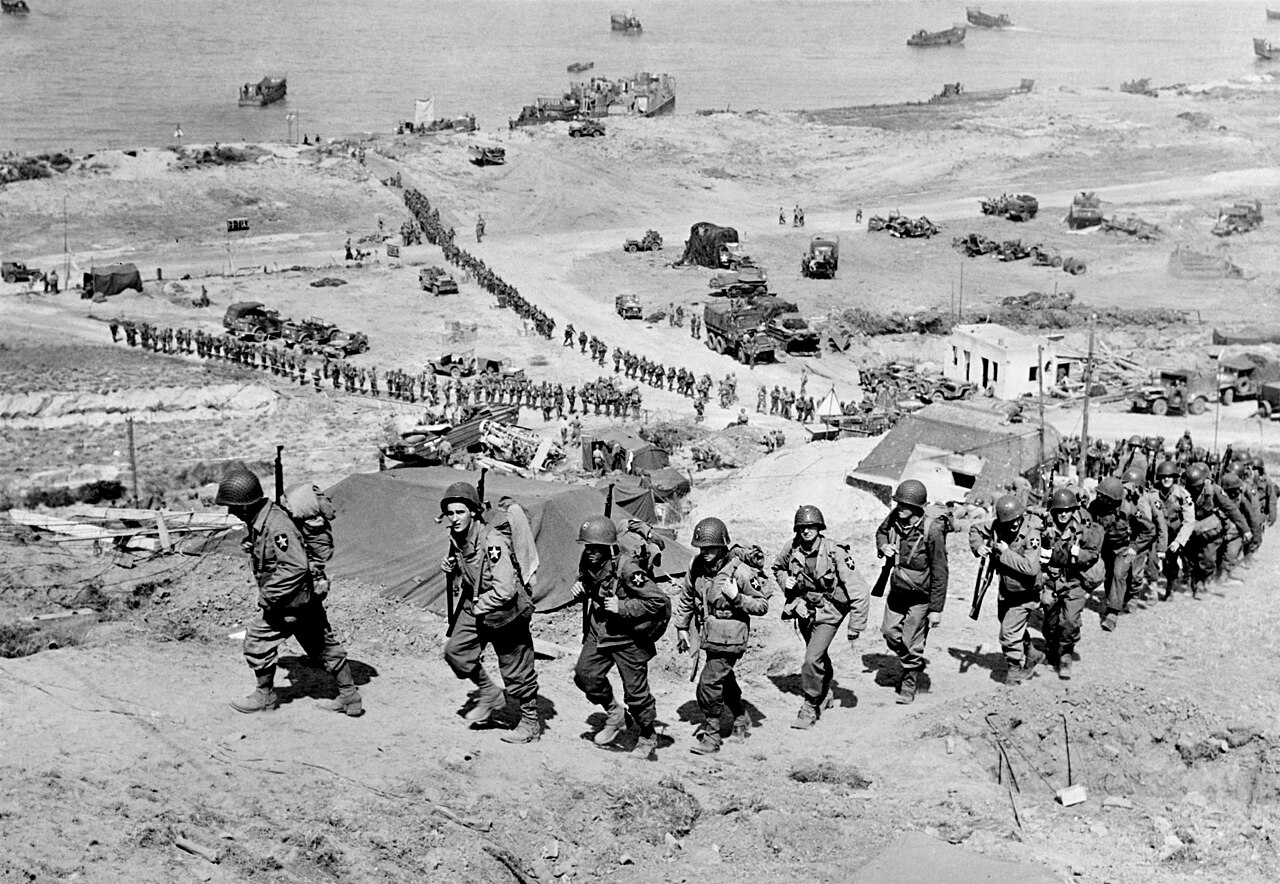
Most D-Day narratives center on the iconic images of soldiers storming the beaches under withering fire. But the real key to success lay in neutralizing the German artillery positions that commanded the landing zones from strategic inland positions. Without these guns silenced, the Utah Beach landings could have become a catastrophic failure.
The Deadly Guns of Brécourt Manor
Four German 105mm howitzers positioned at Brécourt Manor held a commanding view of Utah Beach. These weren't just any artillery pieces—they were precision weapons capable of raining devastation on the landing craft and troops below.
The guns' strategic position made them nearly untouchable from naval bombardment, hidden behind the thick Norman hedgerows that would become synonymous with the brutal fighting inland. Every shell they fired found its mark among the American forces struggling to establish their foothold on French soil.
As morning turned to afternoon on June 6, 1944, casualties mounted steadily. The German gunners had turned Utah Beach into their personal shooting gallery, and something had to be done immediately.
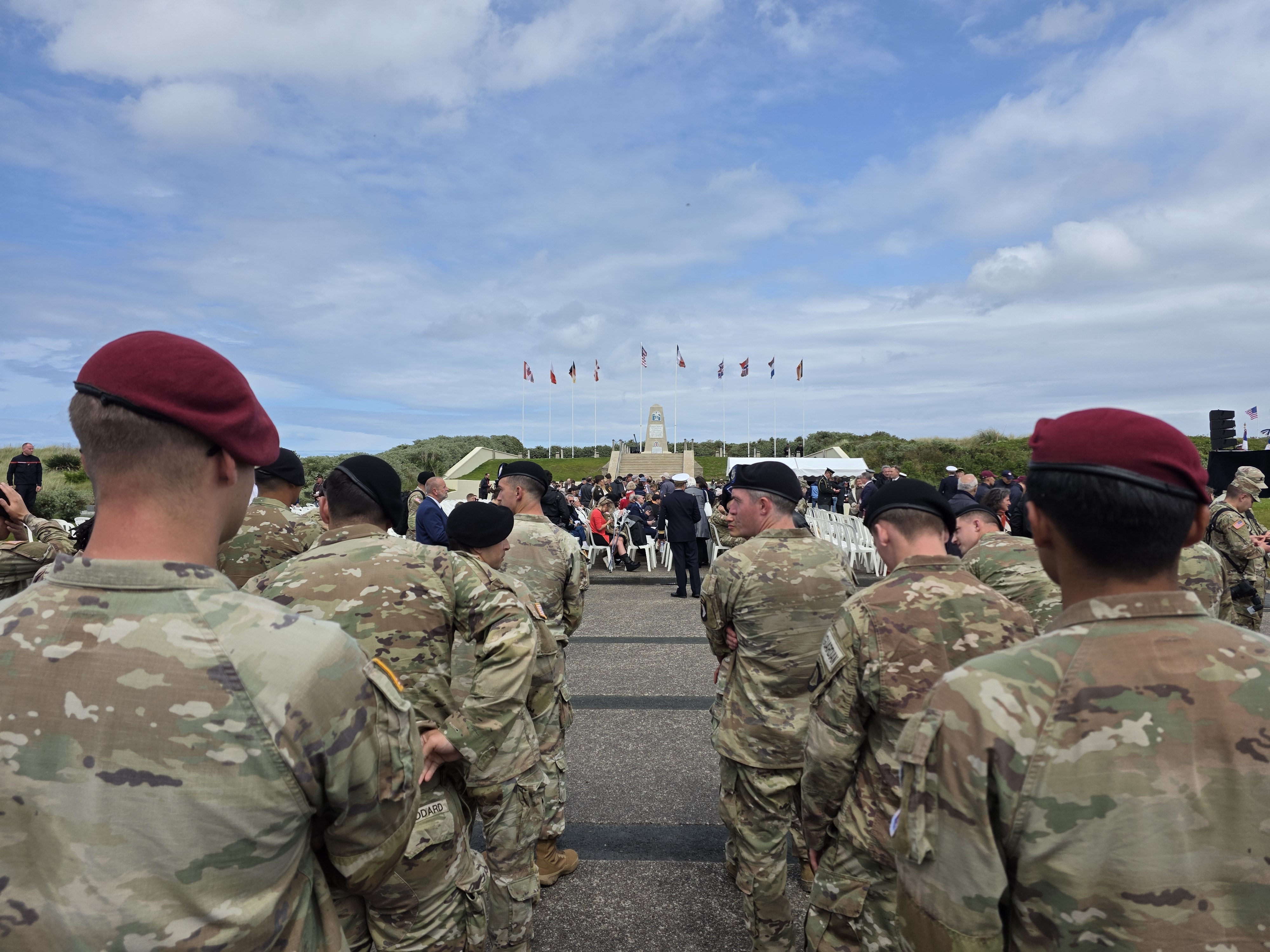
Lieutenant Richard Winters Takes Command
Enter Lieutenant Richard Winters of Easy Company, 506th Parachute Infantry Regiment. The young officer had already proven his mettle during the chaotic nighttime drop, but now faced his greatest test of leadership.
With limited intelligence and even fewer men, Winters made a decision that would echo through military history. He gathered just 12 volunteers for what seemed like a suicide mission—assault a heavily defended German position with a handful of paratroopers.
The weight of responsibility pressed down on his shoulders. Thousands of American lives hung in the balance, and success depended on perfect execution with minimal resources. It was the kind of moment that separates great leaders from good ones.
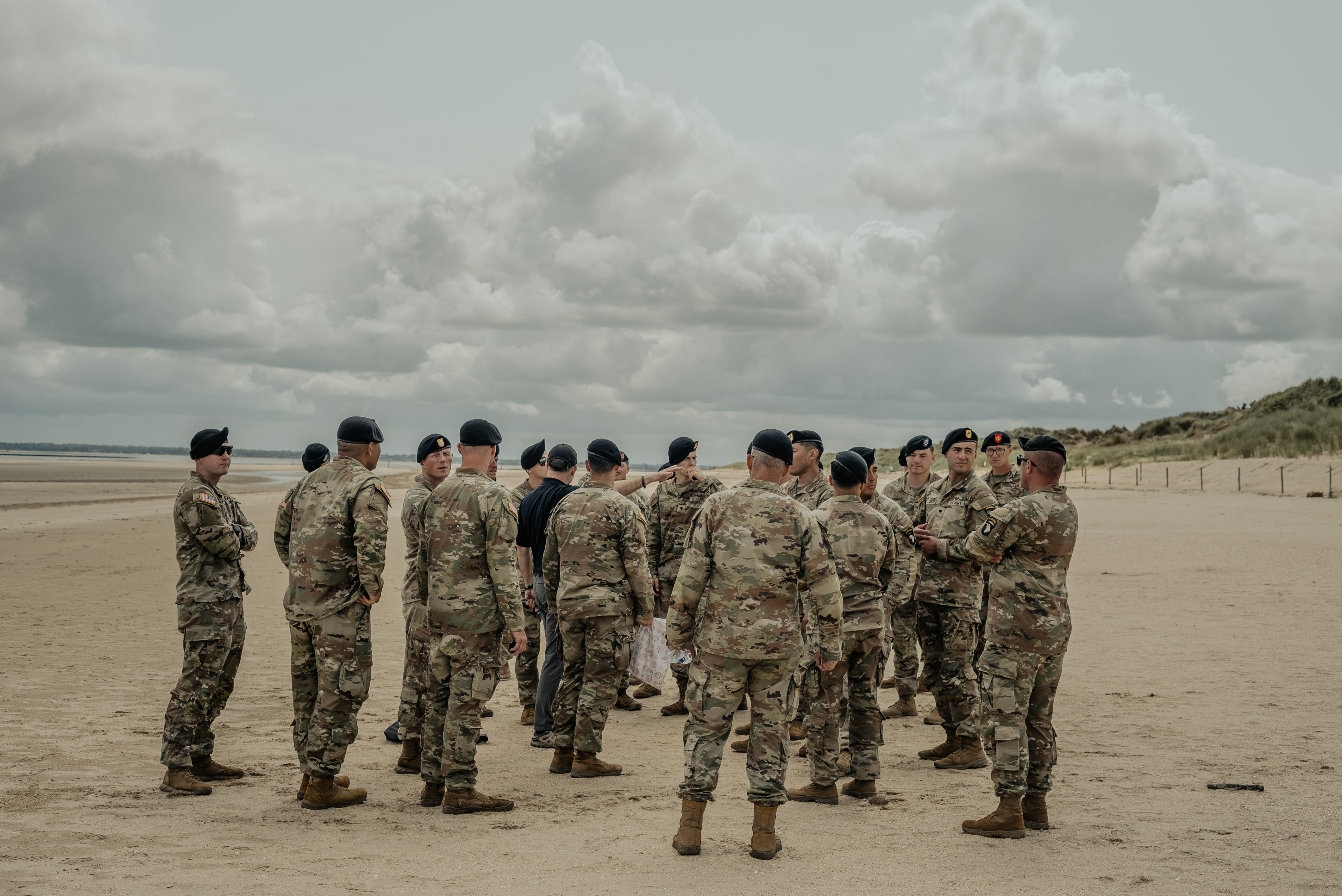
The Battle for Brécourt Manor
Moving through the maze of Norman hedgerows, Winters and his small band approached the German positions with deadly precision. The thick vegetation that protected the enemy guns now provided cover for the attacking Americans.
The first gun position fell in brutal close-quarters combat. German defenders, caught off guard by the audacious assault, scrambled to respond as Winters' men moved with methodical efficiency from gun to gun.
Each howitzer required its own individual assault, with paratroopers flanking positions while others provided covering fire. The German resistance, initially fierce, began to crumble under the relentless pressure of the small American force.
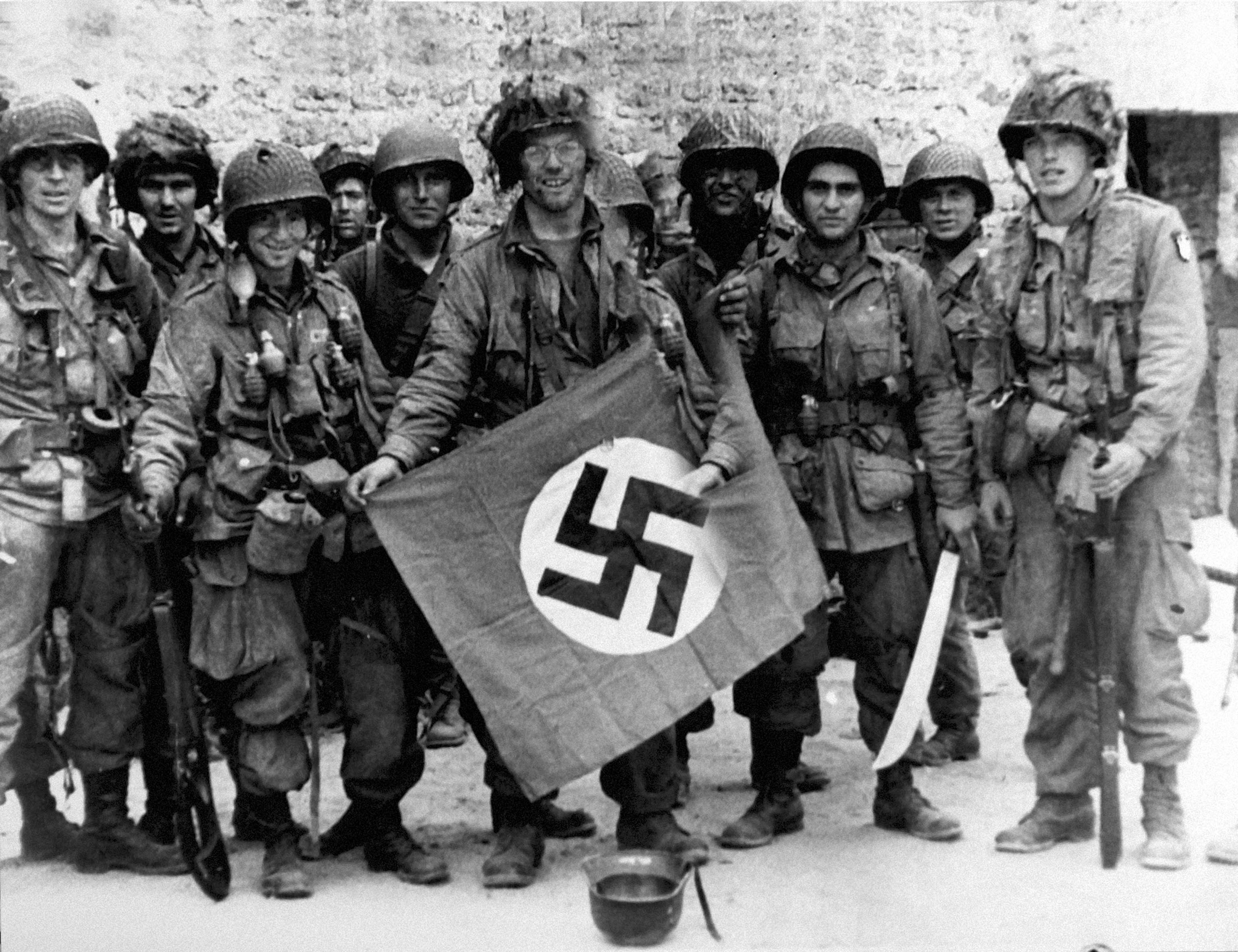
Victory Against All Odds
Within hours, all four guns lay silent. The German crews were either dead, wounded, or captured, their devastating fire no longer raining down on Utah Beach. The impossible had become reality through courage, tactical brilliance, and unwavering determination.
The immediate effect was dramatic—American forces on Utah Beach could finally advance without the constant threat of precision artillery fire. But the ripple effects extended far beyond that single beach, allowing the entire Normandy operation to proceed according to plan.
Recognition for this extraordinary feat would come decades later, when military historians finally understood the true significance of what these thirteen men accomplished in a few short hours.
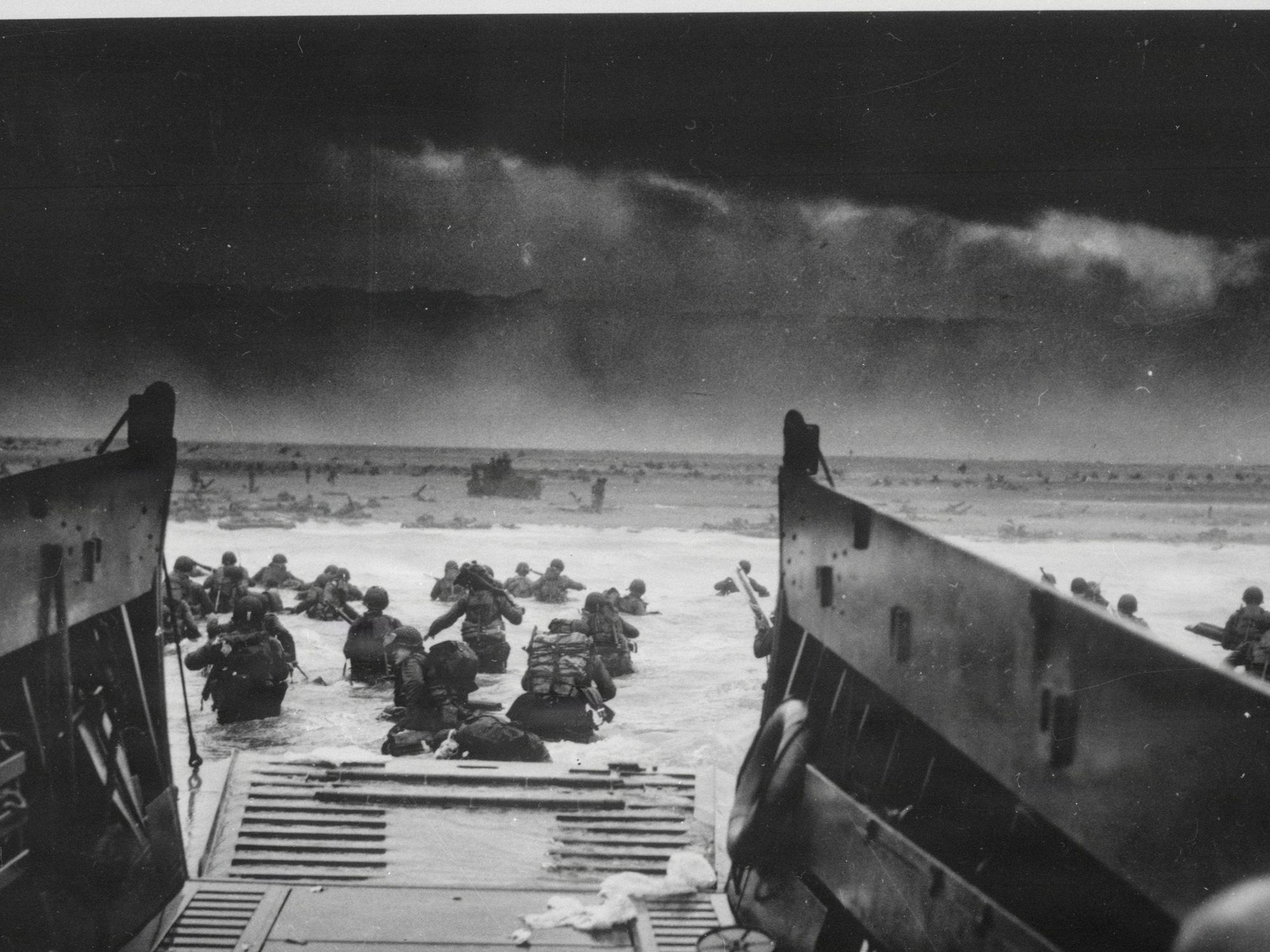
The Men Who Made History
The twelve paratroopers who followed Winters into that deadly engagement came from different backgrounds but shared an unbreakable bond forged in combat. Men like Joe Liebgott, Bill Guarnere, and Babe Heffron became legends in their own right.
Some would survive the war to return home and build families, while others would fall in subsequent battles across Europe. But their actions at Brécourt Manor ensured that thousands of other American soldiers would live to see their own homecomings.
Much like other forgotten heroes such as John Steele, the D-Day paratrooper who hung from a church, these men exemplified the quiet heroism that defined the Greatest Generation. Their bonds, forged in the crucible of combat, lasted lifetimes.
Legacy of the Brécourt Manor Assault
Today, the Brécourt Manor assault is studied at military academies worldwide as a textbook example of small unit tactics. The tactical brilliance displayed by Winters and his men saved countless lives and demonstrated how a handful of determined soldiers can change history.
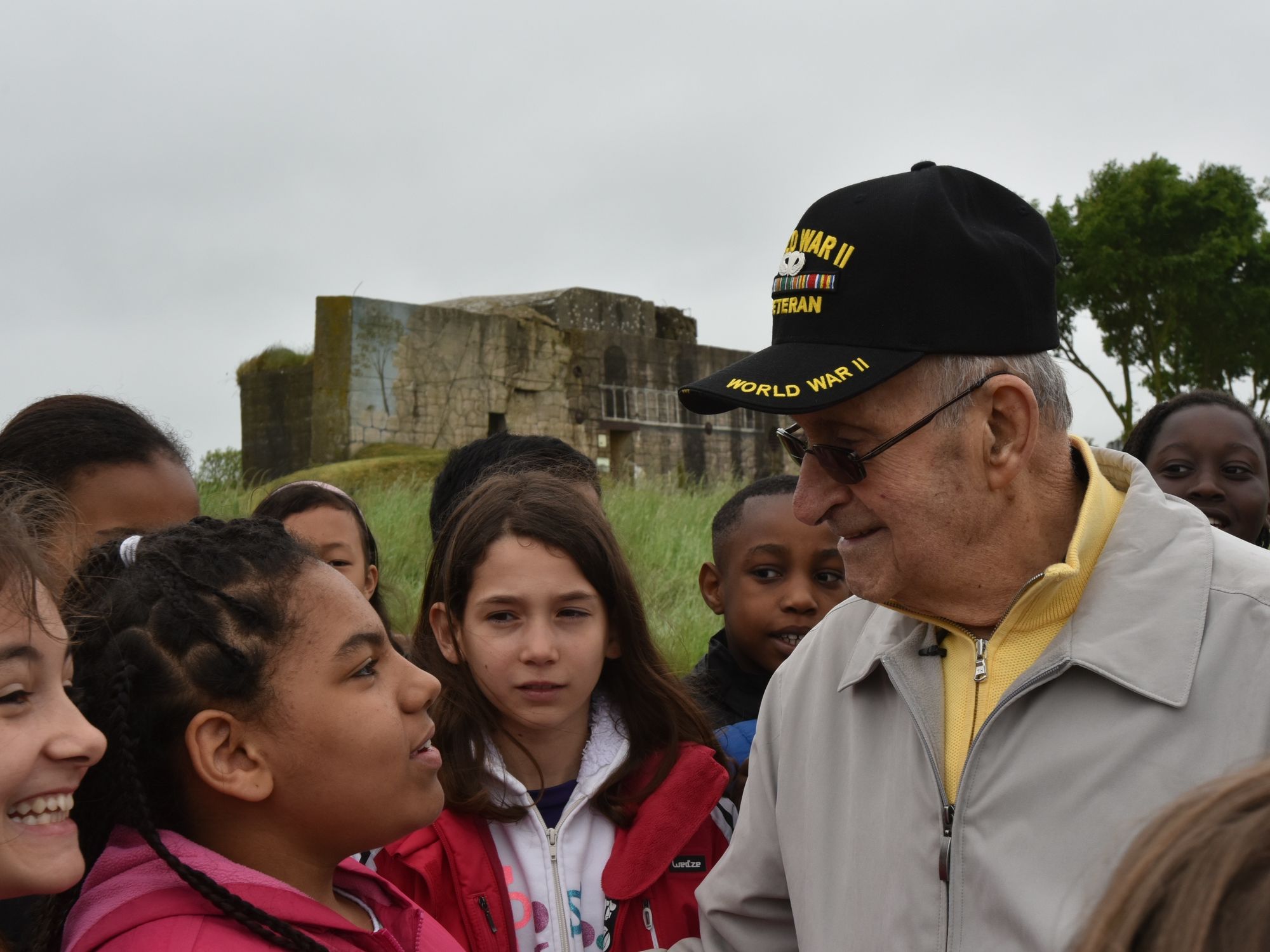
Visitors to Normandy can still walk the battlefield today, seeing the hedgerows and gun positions that played such a crucial role in D-Day's success. The farmland looks peaceful now, but the echoes of that desperate fight still resonate for those who know the story.
The lesson remains as relevant today as it was in 1944—sometimes the most important battles are fought not by massive armies, but by small groups of extraordinary individuals willing to risk everything when it matters most.
Have you visited the D-Day battlefields in Normandy? What other forgotten heroes from World War II do you think deserve more recognition? Share your thoughts and help keep these remarkable stories alive for future generations.