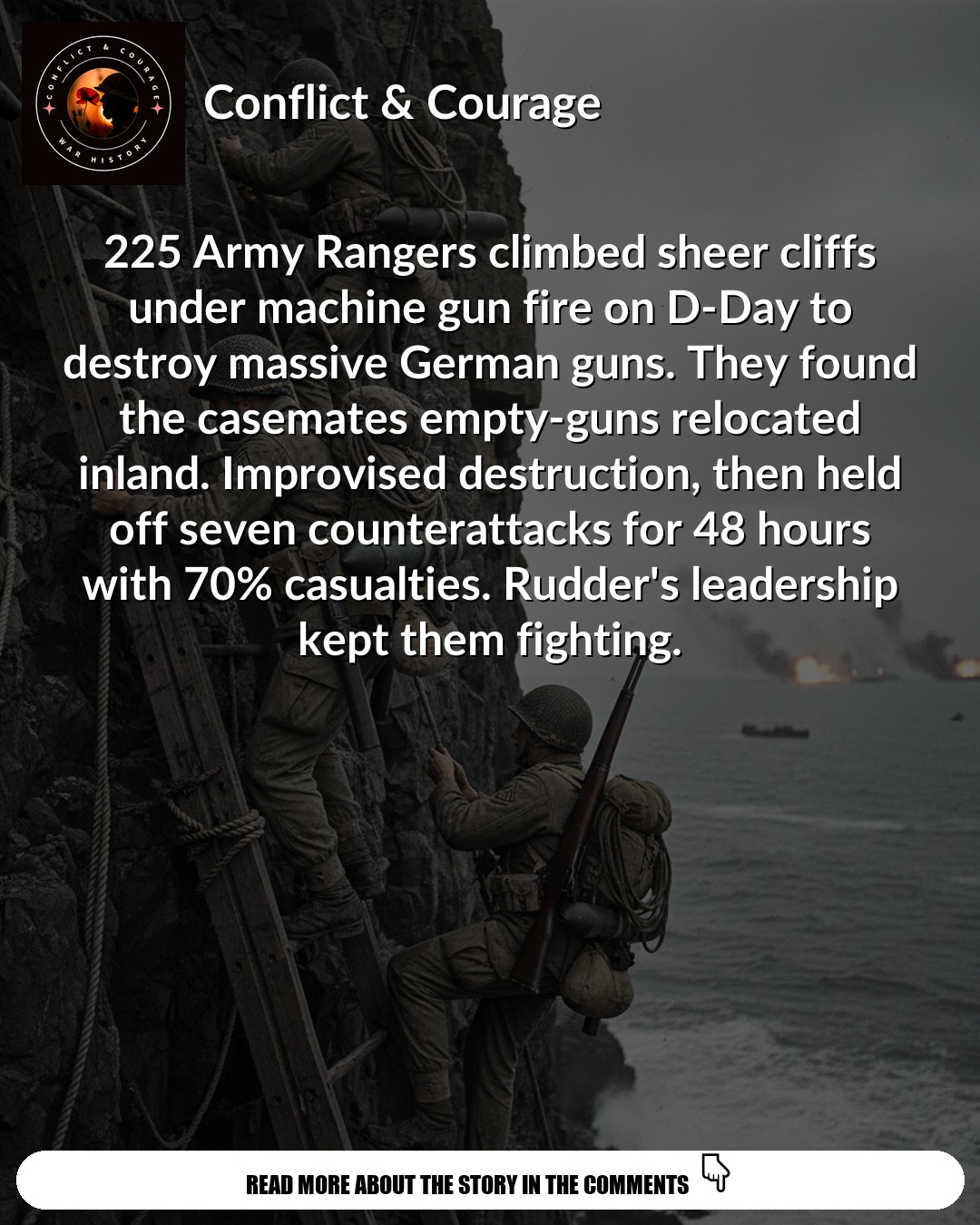
While thousands of Allied troops stormed the beaches of Normandy on June 6, 1944, a smaller group of American Rangers faced an even more daunting challenge. At Pointe du Hoc, a windswept cliff jutting into the English Channel, 225 elite soldiers prepared to scale sheer 100-foot walls under enemy fire. Their mission seemed impossible, but the stakes couldn't have been higher.
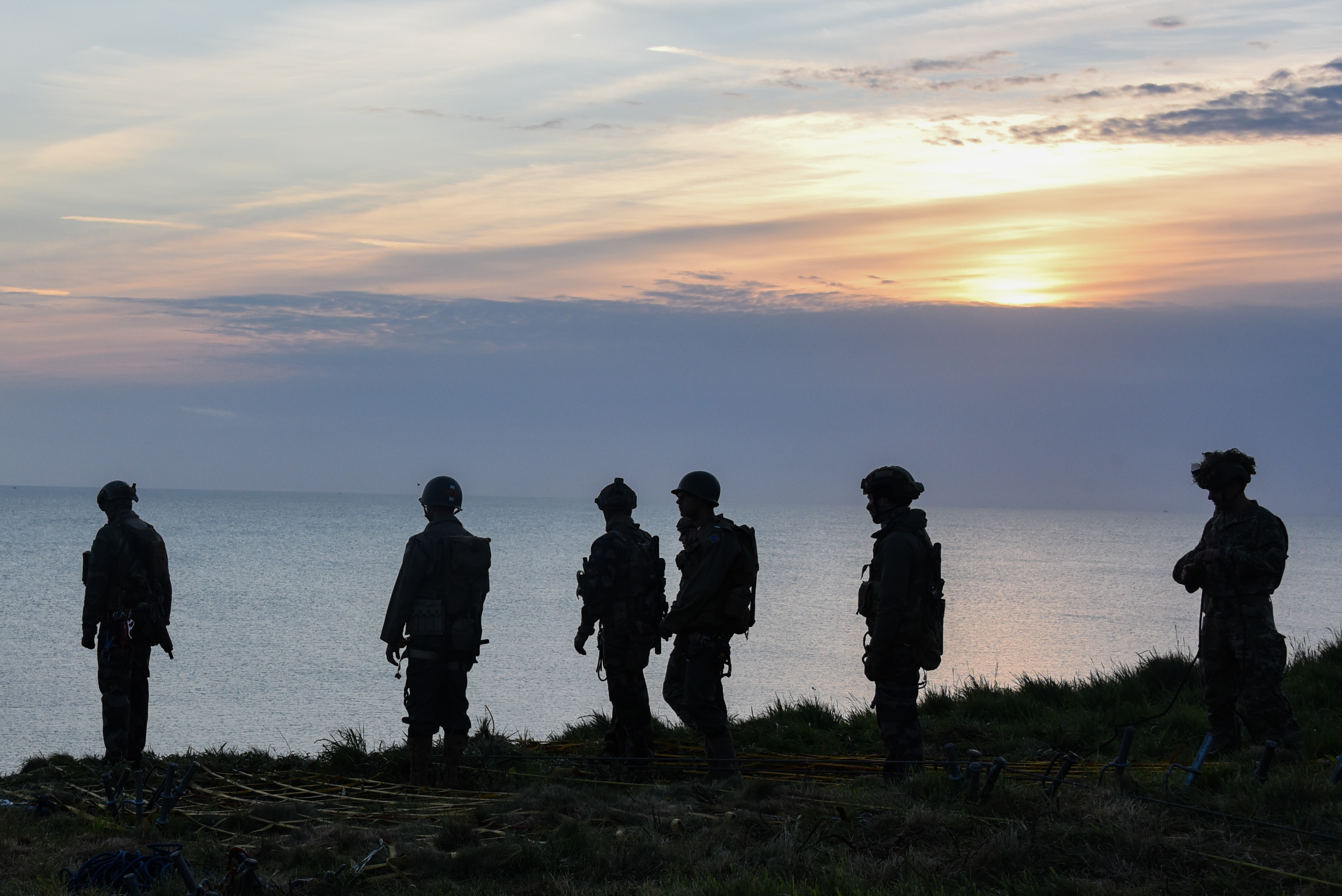
The Mission That Nearly Didn't Happen
German artillery positions at Pointe du Hoc posed a deadly threat to the entire D-Day invasion fleet. Intelligence reports indicated six massive 155mm guns positioned on this strategic promontory, capable of raining shells on both Omaha and Utah beaches. The weapons had a range of 15 miles — more than enough to devastate the landing craft carrying thousands of Allied soldiers.
The plan appeared deceptively simple on paper: Colonel James Earl Rudder's 2nd Ranger Battalion would scale the cliffs, destroy the guns, and hold their position until relieved. What military planners didn't anticipate was how brutally difficult this would prove in practice.
Last-minute intelligence suggested the mission might be unnecessary — aerial reconnaissance hinted that some guns might be decoys. But with the invasion already underway, there was no time for verification. Rudder's Rangers, elite troops specially trained for this exact type of assault, would have to discover the truth the hard way.
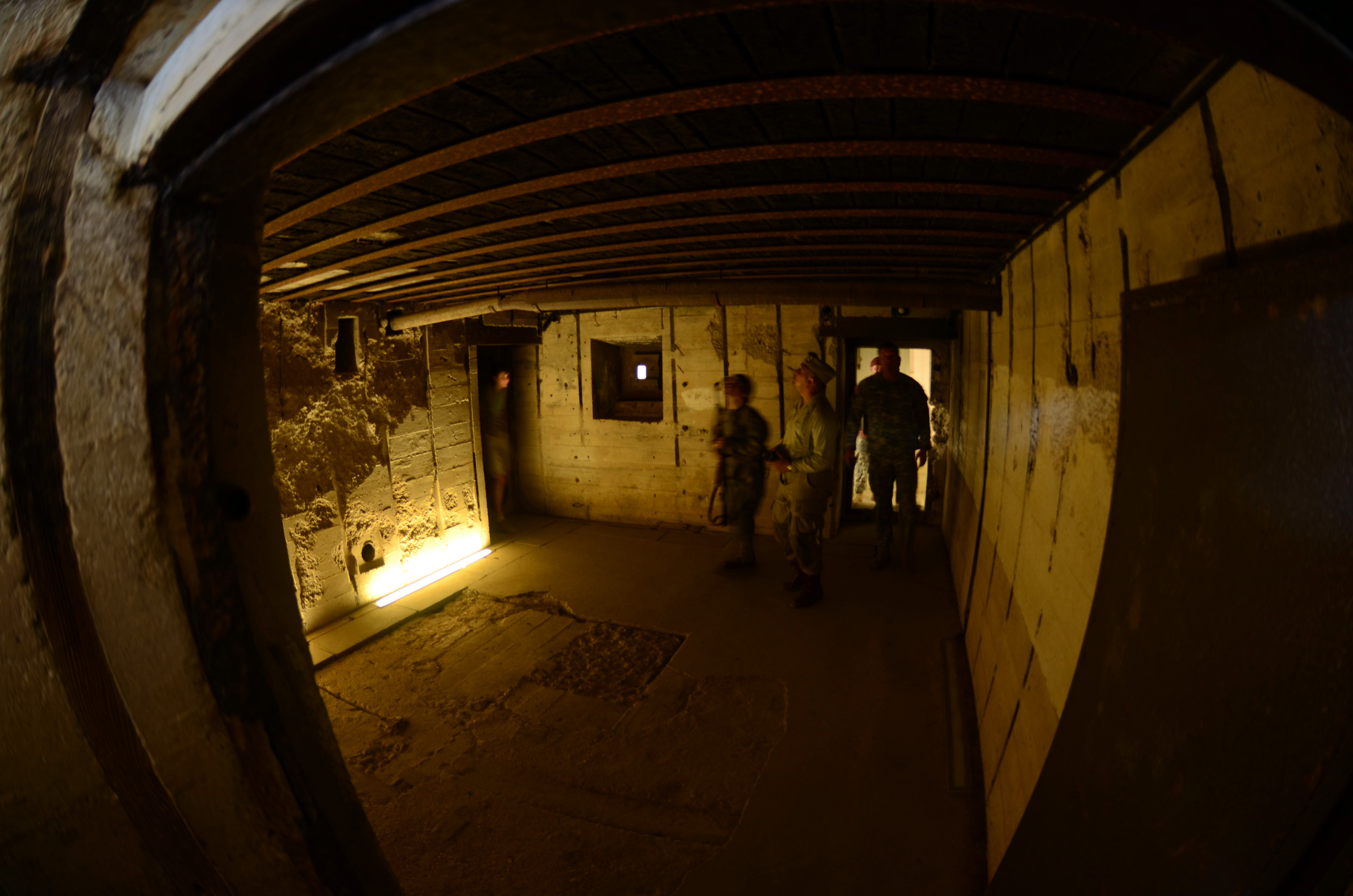
Vertical Hell: The Cliff Assault Begins
Everything went wrong from the start. The Rangers' landing craft arrived 40 minutes late, giving German defenders ample time to prepare. As the boats approached the beach, enemy machine guns and rifles opened fire from the cliff tops above.
The assault began with Rangers firing rocket-propelled ropes and grappling hooks up the cliff face. They'd borrowed ladder equipment from London fire departments, but the German defenders had an answer for everything. Enemy soldiers cut ropes, dropped grenades, and pushed rocks down on the climbing Americans.
Navy destroyers provided covering fire, sailing dangerously close to shore to blast German positions. Still, Rangers had to climb while bullets whizzed past their heads and explosions shook the cliff face. Many ropes were slippery from sea spray and blood.
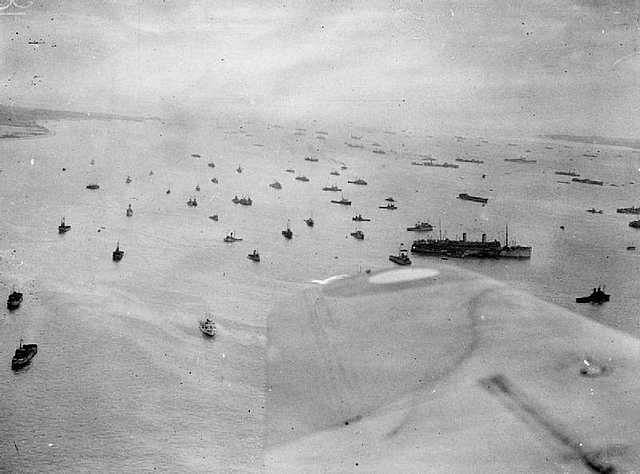
The Shocking Discovery at the Top
Those Rangers who reached the summit made a stunning discovery — the massive guns that had justified this deadly mission weren't there. Instead, they found elaborate wooden decoys designed to fool Allied reconnaissance. The Germans had created an incredibly convincing fake battery, complete with false muzzle flashes and fake radio chatter.
But the mission wasn't over. First Sergeant Leonard Lomell led a small patrol inland and discovered the real guns hidden in an apple orchard nearly a mile away. The weapons were positioned to fire on Utah Beach, loaded and ready for action. Lomell and his men destroyed them with thermite grenades, completing their objective against all odds.
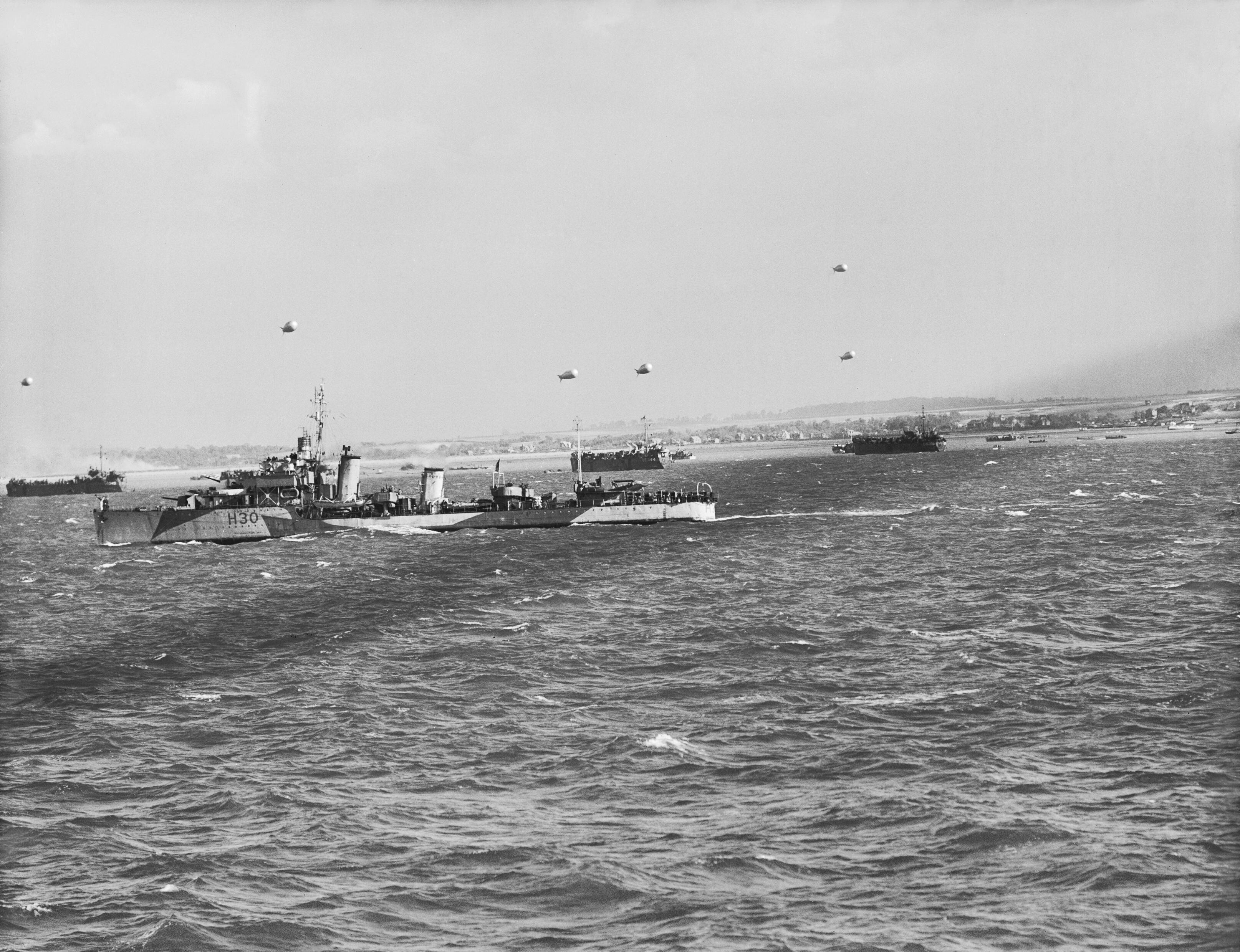
Cut Off and Surrounded
Success came at a terrible price. German forces launched fierce counterattacks from three directions, trapping the Rangers on the cliff top. Ammunition ran low, medical supplies dwindled, and communication with the fleet became sporadic.
Of the original 225 Rangers who began the assault, fewer than 90 remained combat-effective by the end of the first day. They held their positions in shell craters and hastily dug foxholes, fighting off repeated German attempts to push them back into the sea.
Radio messages back to headquarters painted a grim picture. "Need ammunition and reinforcements," became a constant refrain. Some wounded Rangers continued fighting from stretchers, unwilling to abandon their hard-won positions.
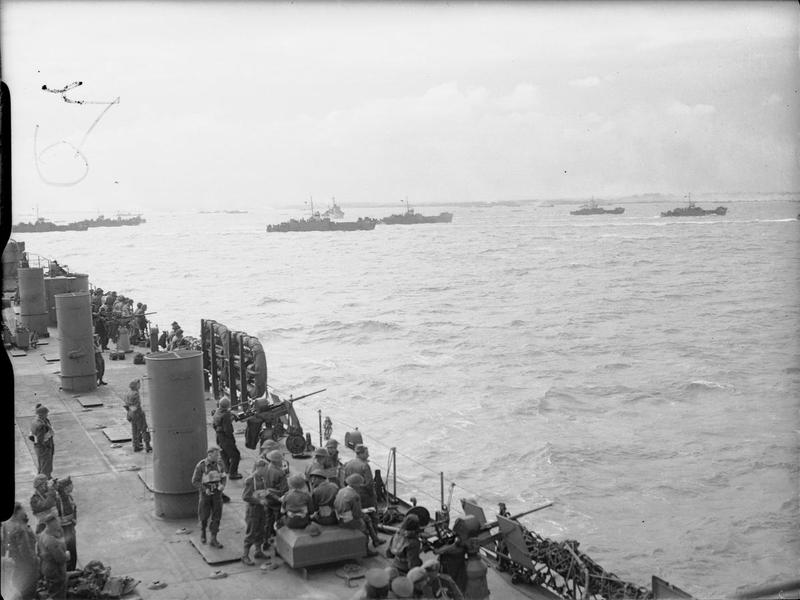
The Real Heroes Behind the Headlines
Beyond Lomell's gun-destroying mission, countless individual acts of heroism kept the Rangers alive. Medics like Thomas Kelly treated wounded comrades under constant sniper fire, often crawling between positions to reach the injured.
The youngest Ranger, barely 18, fought alongside men twice his age. Veterans later recalled letters home that were never sent — too many Rangers fell before they could mail final words to their families. Like other military heroes, these men faced impossible odds with remarkable courage.
When Relief Finally Came
After two days of desperate fighting, elements of the 5th Ranger Battalion finally broke through from Omaha Beach. The link-up revealed the full cost of the mission — casualties exceeded 70 percent, with many Rangers killed or wounded during the cliff assault and subsequent fighting.
German prisoners revealed that the cliff positions had been heavily reinforced, but the elaborate deception about the gun positions caught even veteran Wehrmacht officers by surprise. Despite the heavy losses, the mission had succeeded in neutralizing a major threat to the invasion.
Legacy of the Cliff Assault
Today, Pointe du Hoc stands as one of Normandy's most moving memorials. The original bomb craters remain visible, and a monument honors the Rangers who fought there. Military historians continue debating whether the mission was necessary, but none question the extraordinary courage it required.
The Rangers' cliff assault represents everything remarkable about ordinary soldiers facing extraordinary challenges. This impossible D-Day mission deserves recognition alongside the more famous beach landings as a testament to American determination and sacrifice.
What aspect of the Pointe du Hoc assault amazes you most? Share your thoughts about these incredible Rangers in the comments below, and help us honor their memory by sharing this story with fellow military history enthusiasts.