The Day the Ration Books Arrived
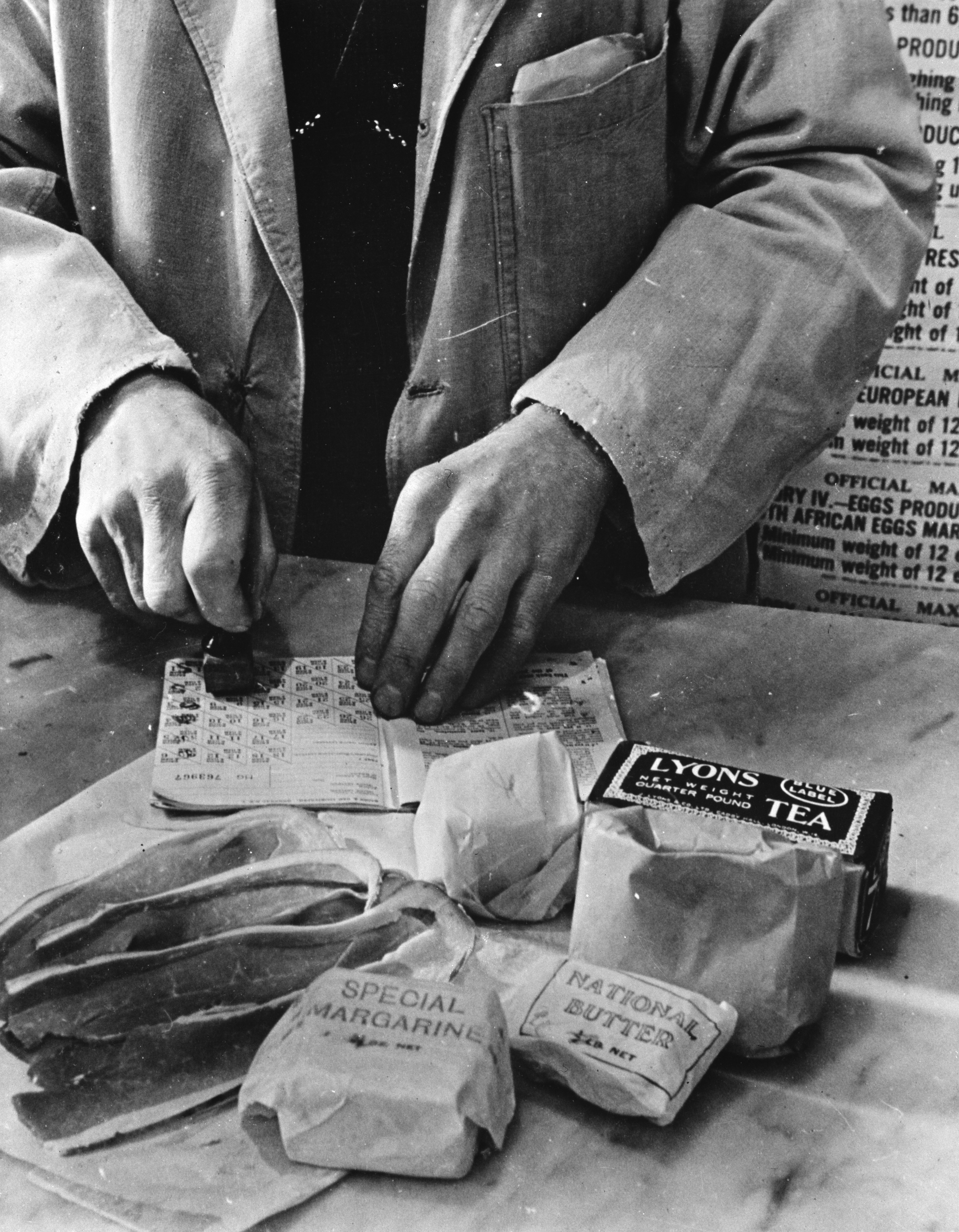
On 8 January 1940, four months after war was declared, rationing officially began in Britain. Every man, woman, and child received a ration book filled with coupons. Bacon, butter, and sugar were the first items restricted. Within months, meat, tea, jam, cheese, eggs, and cooking fat followed.
The reasons were straightforward. German U-boats were sinking merchant ships at an alarming rate. Britain, an island nation that imported most of its food, could not afford to waste a single ounce. Rationing ensured that whatever food reached the country was shared fairly, regardless of wealth.
What You Got Each Week
The weekly ration for one adult was remarkably small. Four ounces of bacon or ham. Two ounces of butter. Two ounces of tea. Eight ounces of sugar. One shilling's worth of meat, roughly the equivalent of two small chops. One egg per week, when available.
Fresh fruit was almost impossible to find. Bananas vanished entirely for the duration of the war, and many children born during the conflict had never seen one. Oranges appeared occasionally and were reserved for children and expectant mothers. Onions became so scarce they were raffled as prizes at village fetes.
Lord Woolton and Creative Cooking
Lord Woolton, the Minister of Food, became one of the most recognisable figures on the home front. His ministry launched a relentless campaign to teach people how to make the most of their rations. Radio broadcasts, leaflets, and newspaper columns offered recipes for meals that stretched ingredients to their limit.
The most famous creation was Woolton Pie, a pastry-topped dish of diced vegetables, oatmeal, and gravy. It was nutritious, cheap, and, by most accounts, extraordinarily bland. Powdered egg replaced fresh eggs in countless recipes, producing cakes and omelettes that were edible but rarely enjoyable.
Carrots were promoted as a wonder food. The government even claimed that RAF pilots owed their night vision to eating carrots, a story invented to conceal the existence of radar. Carrot fudge, carrot marmalade, and "Carrolade" (a carrot-based drink) all appeared in official recipe suggestions.
The Black Market and the Spiv
Not everyone played by the rules. A thriving black market sprang up for rationed goods. "Spivs" sold everything from stockings to steak from inside their overcoats. Farmers occasionally kept back produce for under-the-counter sales. Some restaurants charged inflated prices for off-ration meals.
The penalties were harsh. Fines, imprisonment, and public shaming awaited those who were caught. But the temptation was constant, especially for families with growing children who never seemed to have enough to eat.
Clothing and Beyond
Rationing extended far beyond food. Clothing coupons were introduced in June 1941. A new suit required twenty-six coupons from an annual allowance of sixty-six. The "Make Do and Mend" campaign encouraged people to patch, darn, and repurpose every garment until it fell apart.
Petrol was strictly rationed, then banned entirely for private use. Soap was limited. Even furniture was rationed under the government's Utility Scheme, which produced simple, standardised designs stripped of all decoration.
It Lasted Longer Than the War
Perhaps the most surprising fact about British rationing is how long it continued. The war ended in 1945, but rationing did not. Bread, which had never been rationed during the war itself, was rationed from 1946 to 1948. Meat rationing continued until 1954, nine full years after victory.
The generation that lived through rationing never forgot it. They wasted nothing, saved everything, and viewed abundance with a mixture of gratitude and suspicion that stayed with them for life.