A Different Kind of Call-Up
In December 1943, Ernest Bevin, the Minister of Labour, announced a scheme that stunned the nation. One in ten young men called up for military service would not be sent to fight. Instead, they would be directed to work in Britain's coal mines.
The reason was simple but urgent. Coal powered everything in wartime Britain, from factories producing tanks and ammunition to the railways carrying troops and supplies. But miners had been leaving the pits to join the armed forces, and coal production was falling dangerously. Without more miners, the war effort would grind to a halt.
Selected by Ballot
The selection was brutally random. Each month, a digit was drawn from a hat. Every conscript whose National Service number ended in that digit was sent to the mines instead of the military. There were no exemptions for education, class, or preference. Public schoolboys found themselves alongside working-class lads, all equally unprepared for what awaited them underground.
Some men volunteered for mining, hoping to stay close to home. But the vast majority were conscripts who had expected to serve in the Army, Navy, or RAF. The news that they would be going underground instead of overseas was met with disbelief, anger, and, in many cases, shame.
Down the Pit
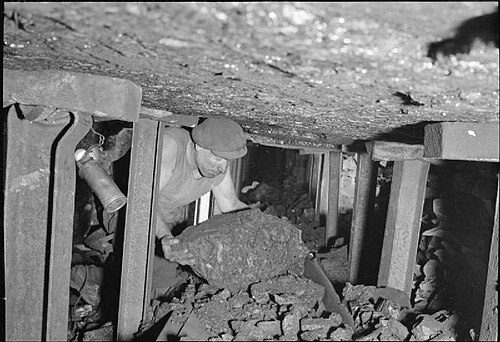
Training lasted just four weeks before the Bevin Boys were sent to working collieries. Nothing could fully prepare them for the reality of coal mining. The tunnels were dark, cramped, and suffocatingly hot. Seams were sometimes so narrow that miners had to work lying on their sides, hacking at coal with a pick just inches from their faces.
The dangers were constant. Roof collapses, gas explosions, flooding, and machinery accidents killed and maimed miners regularly. The Bevin Boys suffered the same risks as professional miners but without years of experience to guide their instincts. Several were killed. Many more were injured.
The physical toll was enormous. Chronic back pain, respiratory disease, and skin infections were common. The psychological burden was equally heavy. These were young men who had prepared themselves for military service and found themselves doing work that society viewed as less honourable, even though it was every bit as essential.
No Uniform, No Respect
Perhaps the cruelest aspect of the Bevin Boys' experience was the lack of recognition. They wore no military uniform. They received no medals. When they walked down the street, they were sometimes handed white feathers by women who assumed they were draft dodgers.
Their families often struggled to explain what their sons were doing. "He's down the mines" carried none of the pride of "He's in the Navy." The Bevin Boys existed in an uncomfortable limbo, serving their country in a way that nobody seemed to value.
After the War
When the war ended, the Bevin Boys received no demobilisation parade, no gratuity, and no veterans' benefits. Many were required to continue mining until 1948, years after their military counterparts had returned to civilian life. They were simply expected to go home and get on with things.
For decades, the Bevin Boys were left out of Remembrance Day commemorations and veterans' organisations. It was not until 1995 that they were officially mentioned in a VE Day anniversary speech. In 2007, the government finally issued a commemorative badge, but by then many had already died without recognition.
48,000 Men Who Kept the Lights On
Approximately 48,000 young men served as Bevin Boys between 1943 and 1948. They kept the coal flowing that powered the factories, the trains, and the homes of wartime Britain. Without them, the war effort would have faltered.
Their story is one of quiet, unglamorous sacrifice, the kind that history too often overlooks. They deserved better, and they deserve to be remembered now.
It is time these men received the recognition they earned.