The morning of June 6, 1944, dawned gray and ominous over the Normandy coast. As Allied landing craft approached the heavily fortified German positions, few could have imagined that one of the greatest acts of heroism that day would come from a Black medic whose name history nearly forgot.
The Forgotten Hero of Omaha's Bloodiest Hour
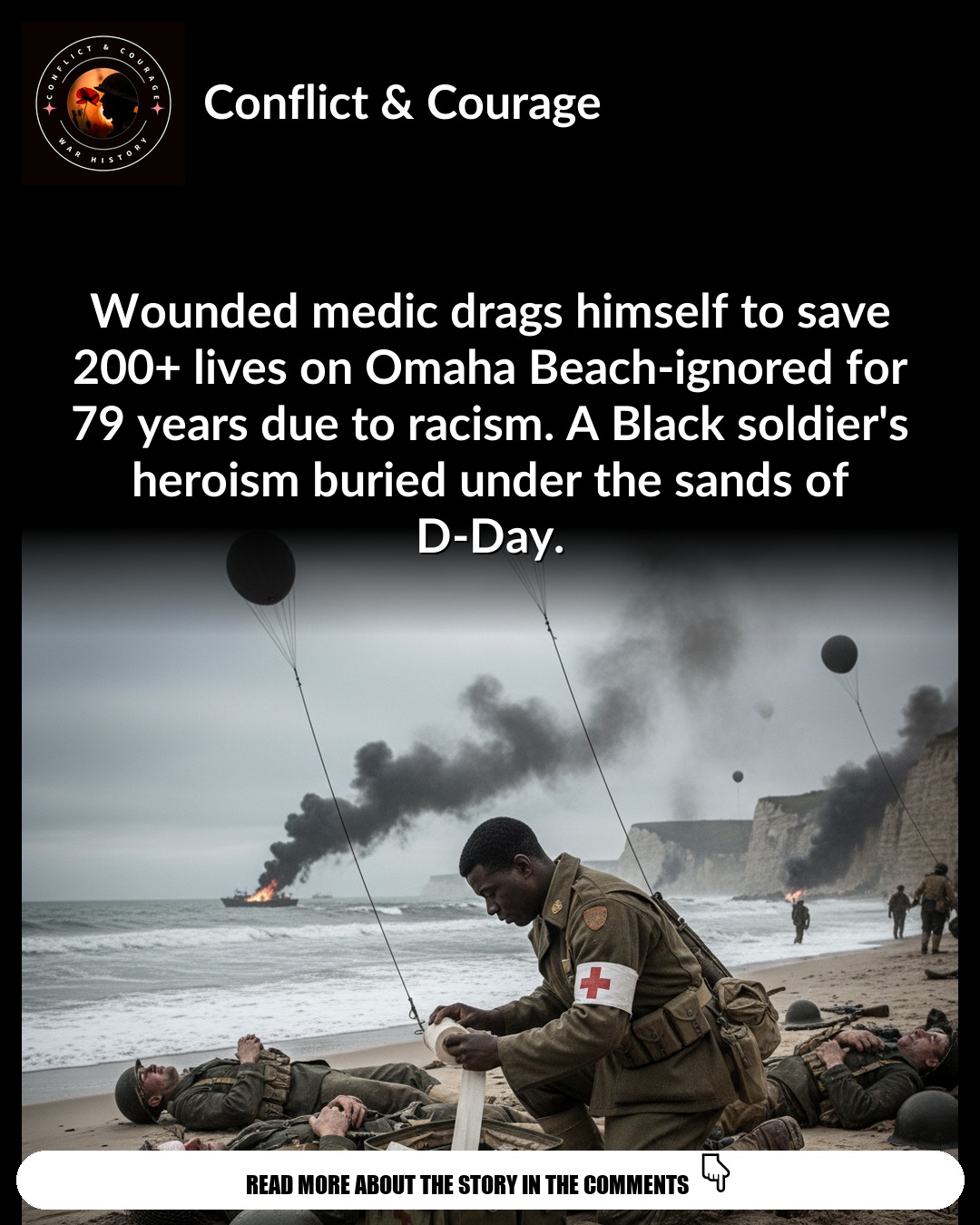
While stories of brave paratroopers and the men who stormed Utah Beach fill our history books, the incredible story of one unnamed Black medic remained buried for nearly eight decades. On Omaha Beach's killing fields, where German machine guns turned the surf crimson, this hero single-handedly treated over 200 wounded soldiers.
As bullets whined overhead and artillery shells exploded around him, he worked with methodical precision. His makeshift aid station became a beacon of hope on a beach where hope seemed impossible. While other D-Day heroes rightfully earned their place in history, this man's extraordinary courage went unrecognized for 79 years.
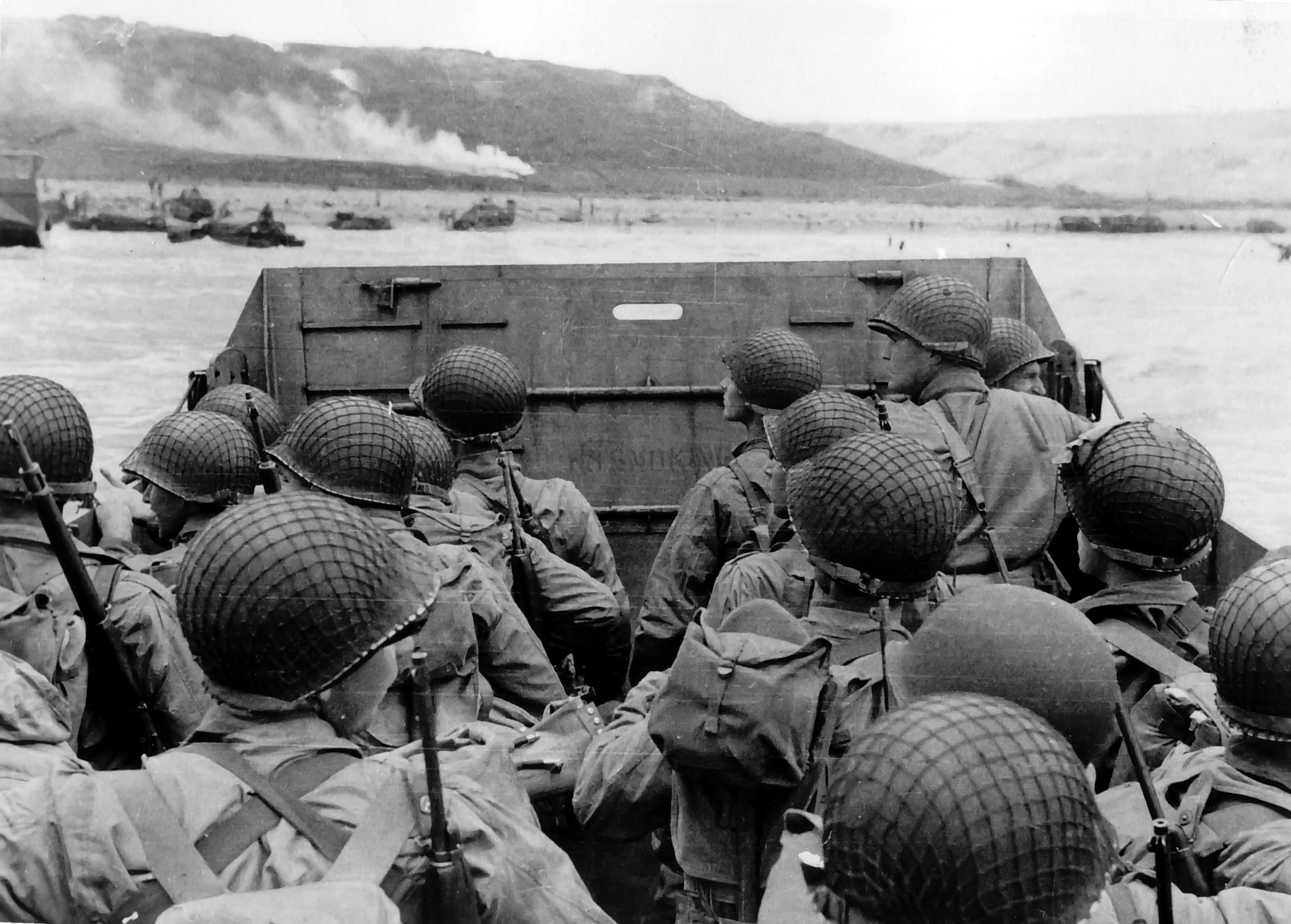
Under Fire: Setting Up Aid Station in Hell
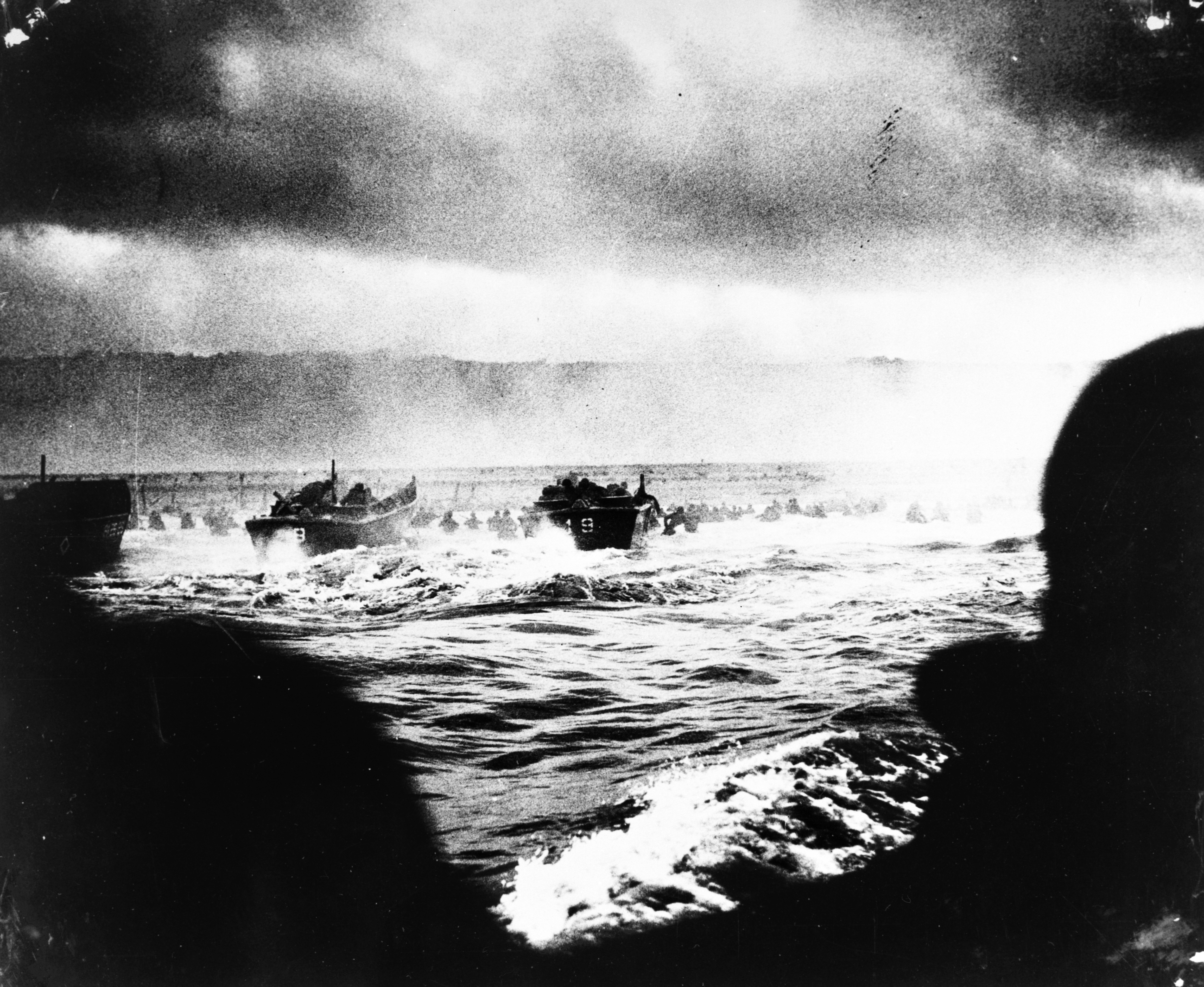
Omaha Beach that morning resembled something from Dante's Inferno. German defenders had turned the bluffs into an impregnable fortress of interlocking machine gun nests, mortar positions, and artillery batteries. The carefully planned Allied assault quickly devolved into chaos as landing craft disgorged their human cargo into a death trap.
Amid this carnage, our unnamed medic made a decision that defied all logic and military doctrine. Instead of seeking cover, he established his aid station right on the exposed beach, directly in the line of enemy fire. Using whatever materials he could scavenge—pieces of landing craft, abandoned equipment, even bodies of fallen comrades—he created a crude but functional medical facility.
The tactical situation was nightmarish. Every movement drew enemy fire, every patient he treated was exposed to German snipers, and incoming artillery made his position a constant target. Yet he persisted, driven by an unwavering commitment to save lives regardless of the personal cost.
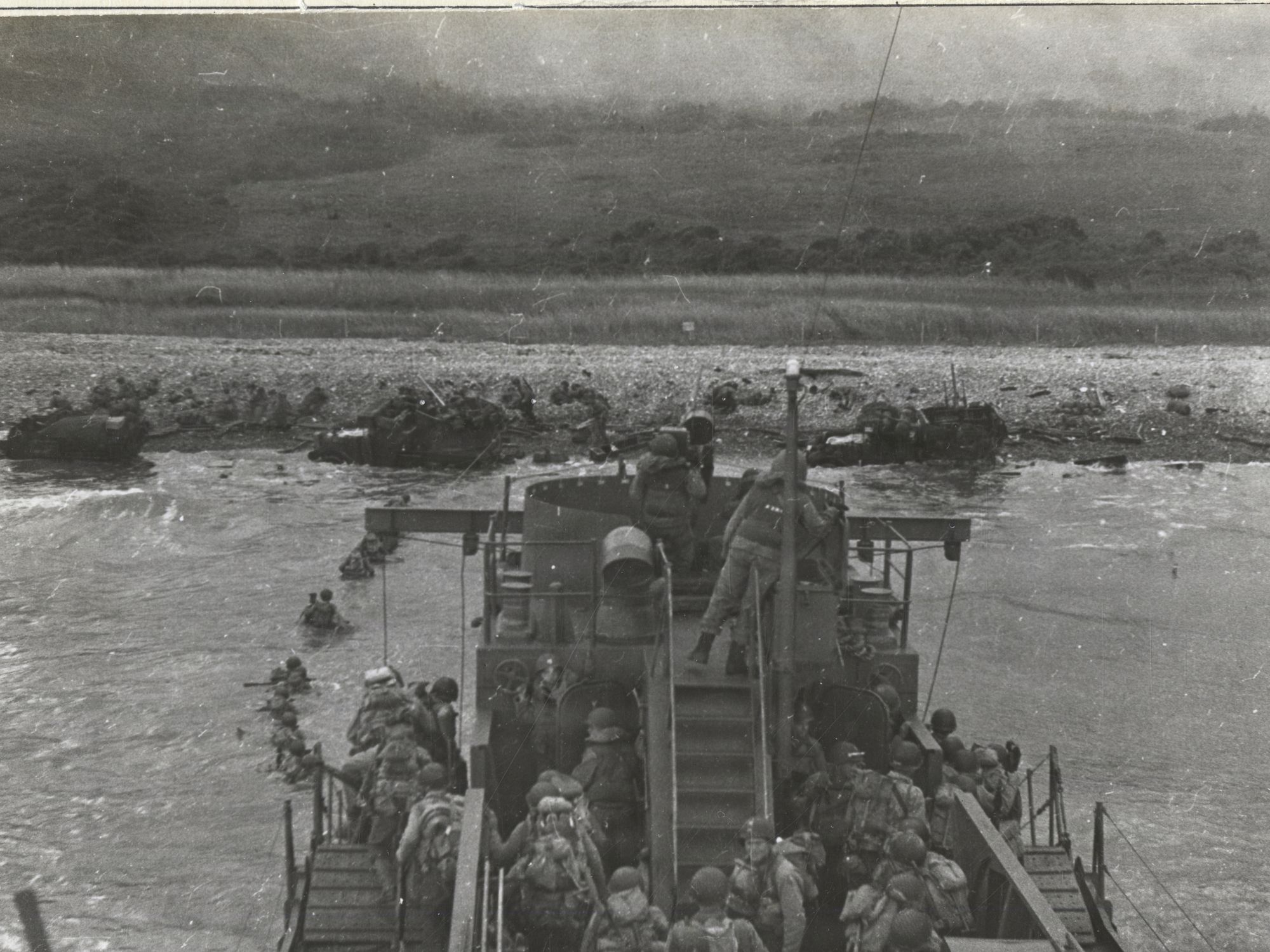
Wounded Yet Unwavering: His Personal Battle
Early in the assault, enemy gunfire found its mark. A German bullet tore through the medic's groin, a wound that would have incapacitated most men. Blood loss weakened him, but he continued working, applying a crude field dressing to himself between treating patients.
Minutes later, an exploding shell sent shrapnel ripping through his body. Multiple fragments embedded themselves in his arms, chest, and legs. Still, he refused to stop. Witnesses later described seeing him swaying on his feet, his uniform soaked with blood, yet his hands remained steady as he bandaged wounds and administered morphine.
The physical toll was matched by an incredible mental fortitude. While others succumbed to combat stress and shell shock, he maintained his focus on each wounded soldier brought to his station. His calm presence under fire became a source of strength for the men he treated and those fighting around him.
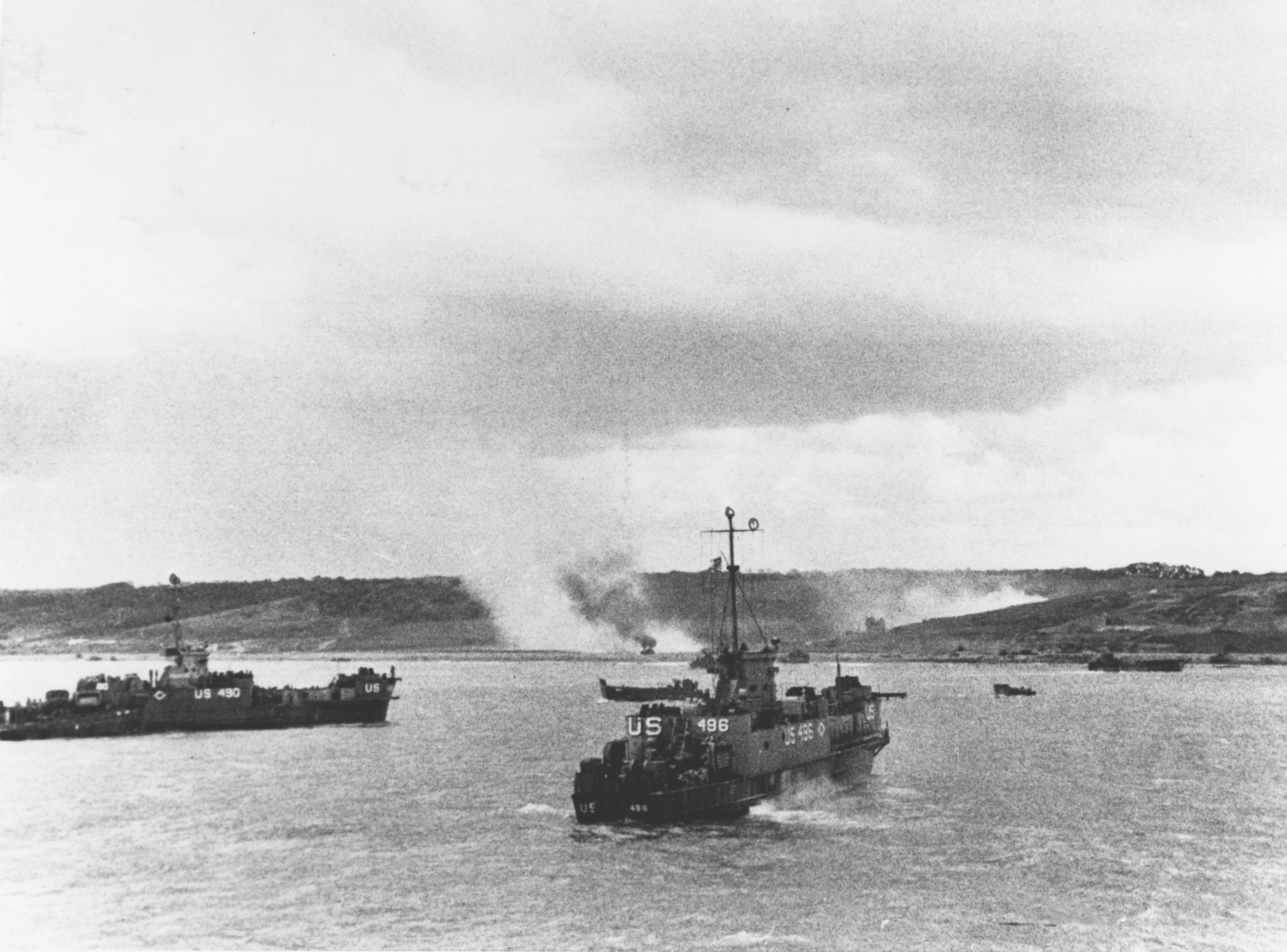
Target in the Crosshairs: Enemy Snipers Take Aim
Despite Geneva Convention protections for medical personnel, German snipers specifically targeted the medic's position. His Red Cross armbands, which should have granted protection, instead seemed to draw enemy fire. Snipers understood that eliminating medical support would demoralize American forces and leave their wounded to die.
He adapted his tactics constantly, moving between wounded soldiers in unpredictable patterns, using smoke and debris for concealment, and timing his movements with artillery bombardments to mask his position. Several near-misses left bullet holes in his helmet and equipment, yet he never considered abandoning his post.
The courage required to remain exposed while saving lives cannot be overstated. Every time he knelt beside a wounded soldier, he presented a target. Every bandage applied, every injection given, was an act of defiance against an enemy determined to kill him.
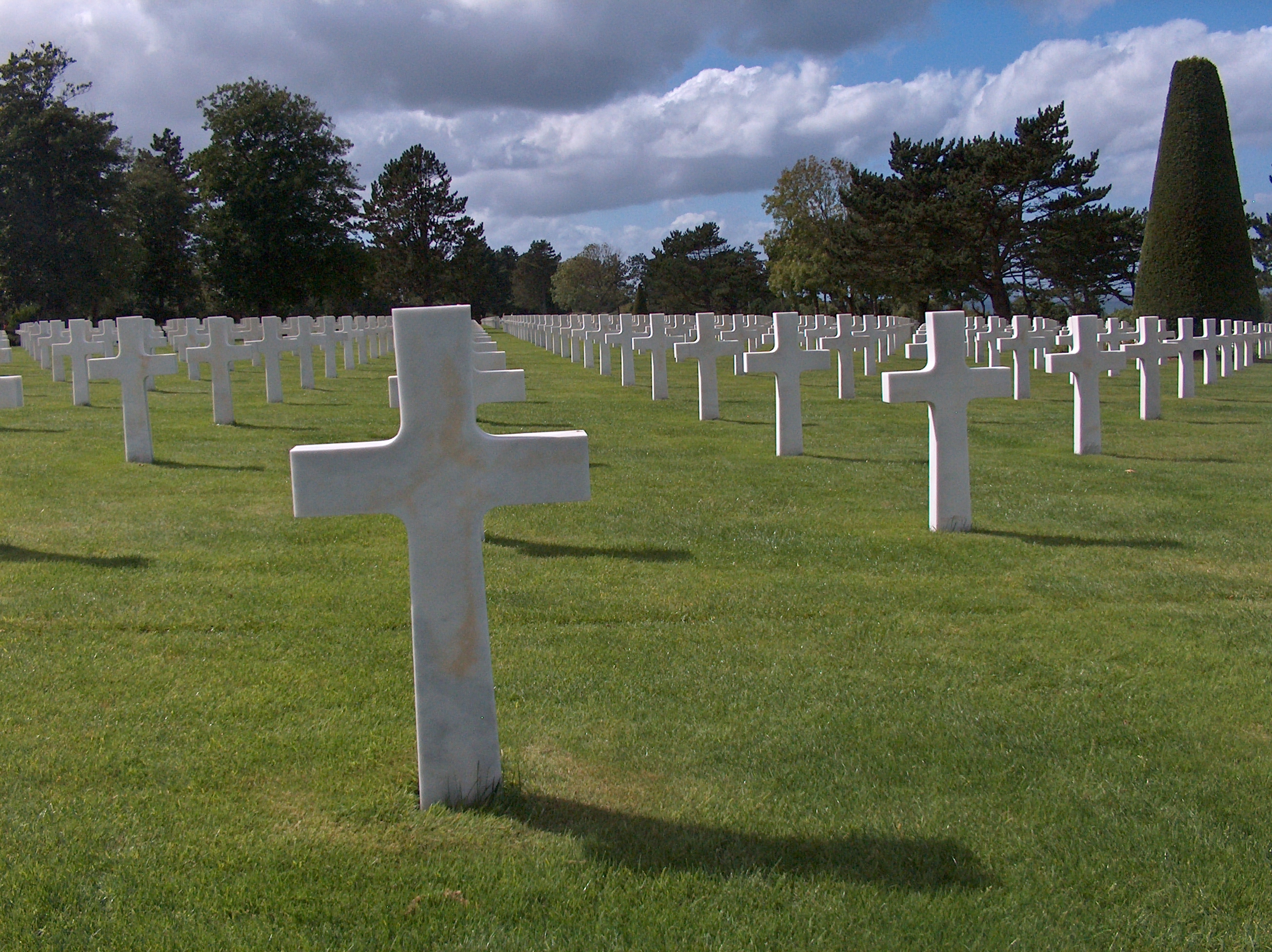
The Human Cost: 200 Lives and Counting
The injuries he treated read like a catalog of war's horrors: shattered bones from machine gun bullets, massive trauma from artillery fragments, burns from exploding equipment, and the psychological wounds of men pushed beyond their breaking point. Under extreme pressure, he made rapid triage decisions that meant the difference between life and death.
Survivors later testified to his extraordinary skill and compassion. Men who thought they would die on that beach credited him with their survival. Some spoke of his gentle words of encouragement, others remembered his steady hands working to stop bleeding or ease pain with precious morphine.
After treating his 200th patient, blood loss and exhaustion finally overcame him. He collapsed beside his aid station, unconscious from his own untreated wounds. Other medics found him hours later, barely alive but still clutching medical supplies.
79 Years of Silence: Why Recognition Took So Long
The delayed recognition reflects the harsh realities of racial segregation in World War II. Black service members faced systemic discrimination that extended to awards and recognition. Their heroic actions were often overlooked or credited to white officers, creating a historical blind spot that obscured countless acts of valor.
Military bureaucracy also played a role. Without surviving witness statements or official documentation, extraordinary acts of courage sometimes disappeared into administrative oblivion. The chaos of D-Day meant many heroic actions went unrecorded as units focused on survival rather than paperwork.
A recent Army investigation, prompted by historians and veterans' advocacy groups, finally uncovered testimonies and evidence of his remarkable service. This painstaking research revealed not just one man's heroism, but the broader pattern of overlooked contributions by Black service members.
Legacy of Courage: Honoring the Unsung Heroes
In 2023, the Army finally recognized this unnamed hero's extraordinary service with posthumous honors. The ceremony highlighted not just his individual courage, but represented acknowledgment of thousands of forgotten heroes whose stories deserve telling.
His legacy reminds us that heroism comes in many forms and from unexpected places. Like other forgotten heroes throughout American military history, his story challenges us to look beyond the familiar narratives and recognize the full spectrum of courage displayed in our nation's battles.
What stories of unsung heroes do you know? Share your thoughts about how we can better honor the forgotten courage of those who served our nation. These heroes deserve more than silence—they deserve our remembrance and our gratitude.