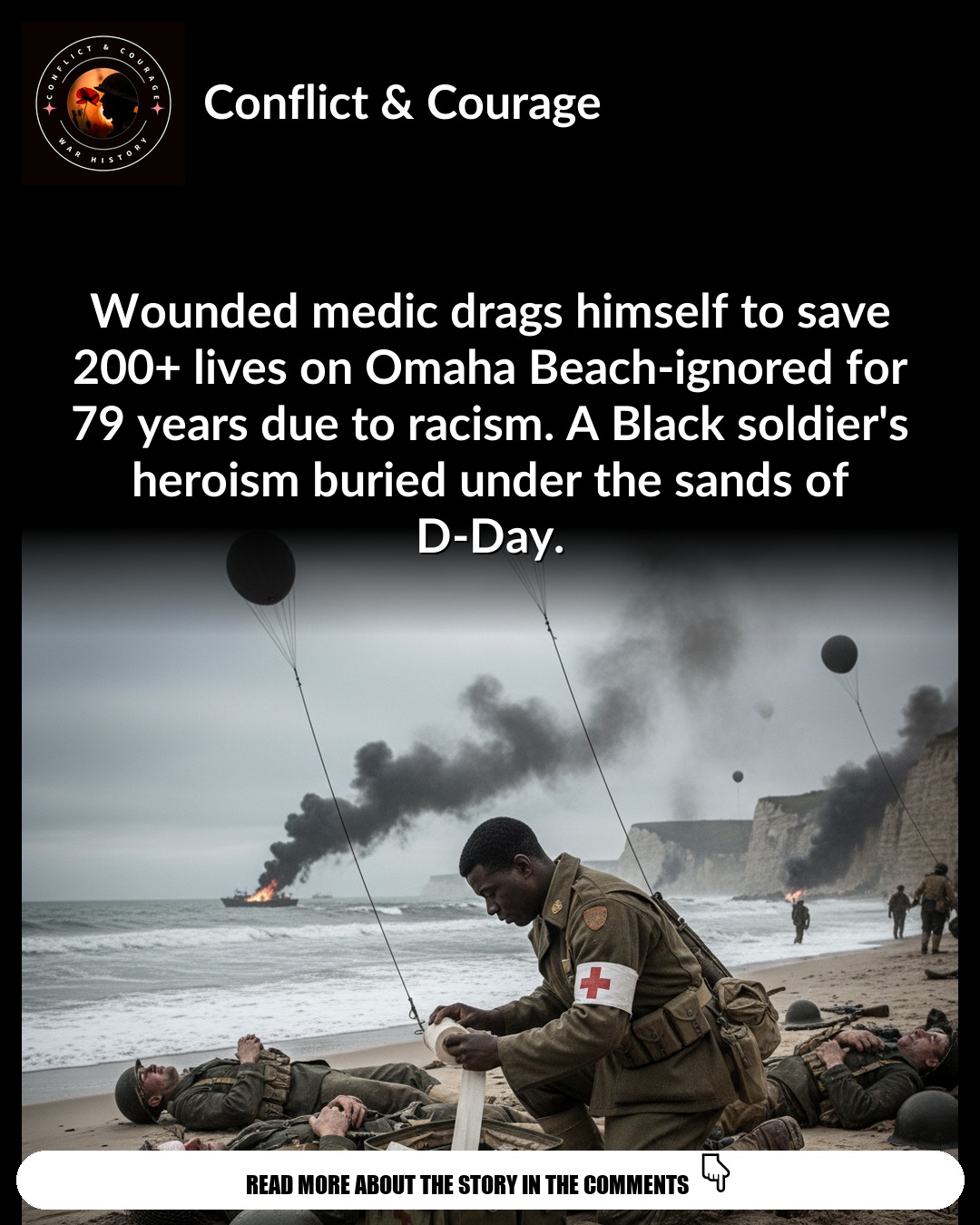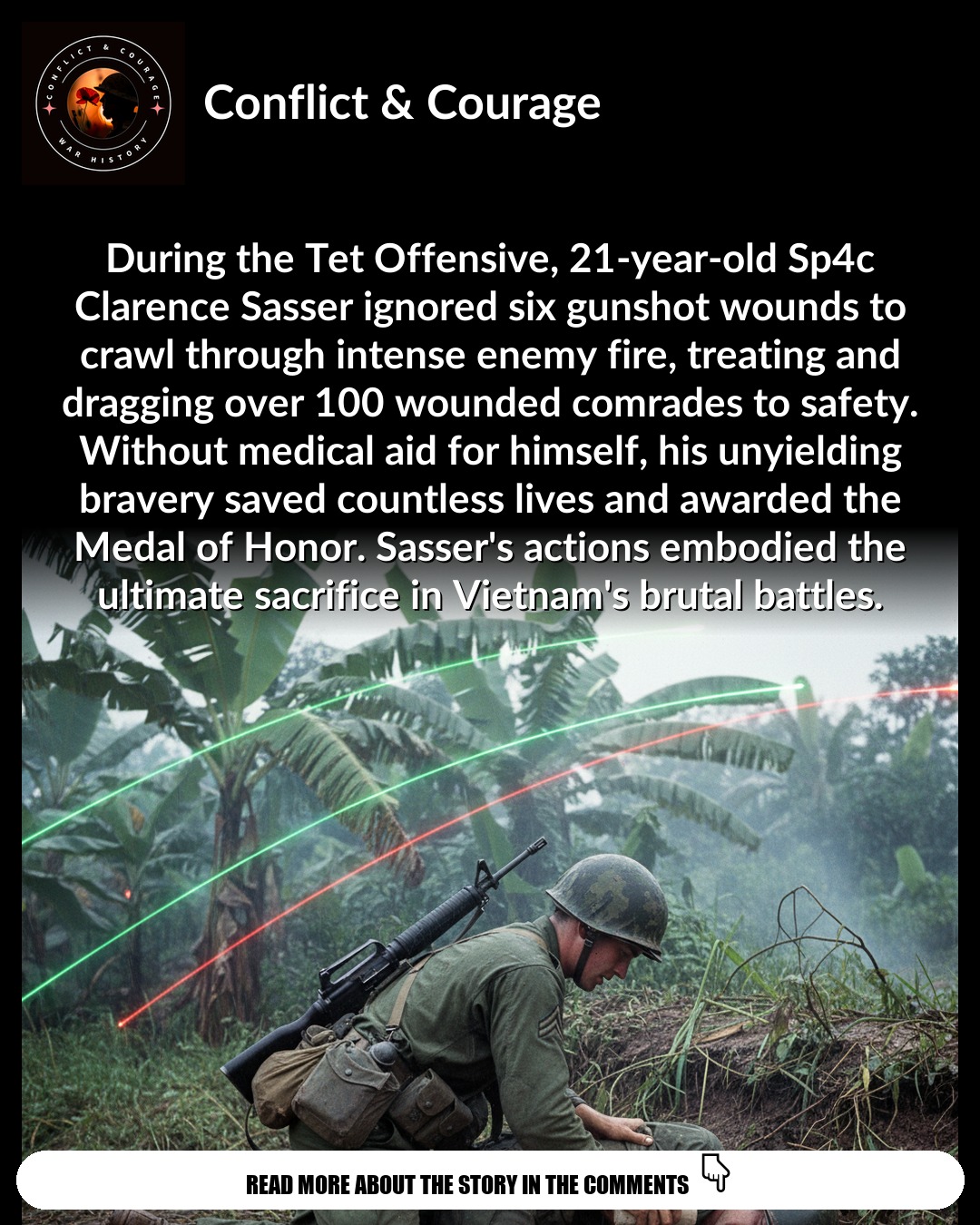
In the scorching heat of Vietnam's Mekong Delta, a young Army medic was about to prove that heroism isn't measured by the wounds you inflict, but by the lives you save. Clarence Sasser's story from the 1968 Tet Offensive remains one of the most extraordinary tales of medical courage under fire in American military history.
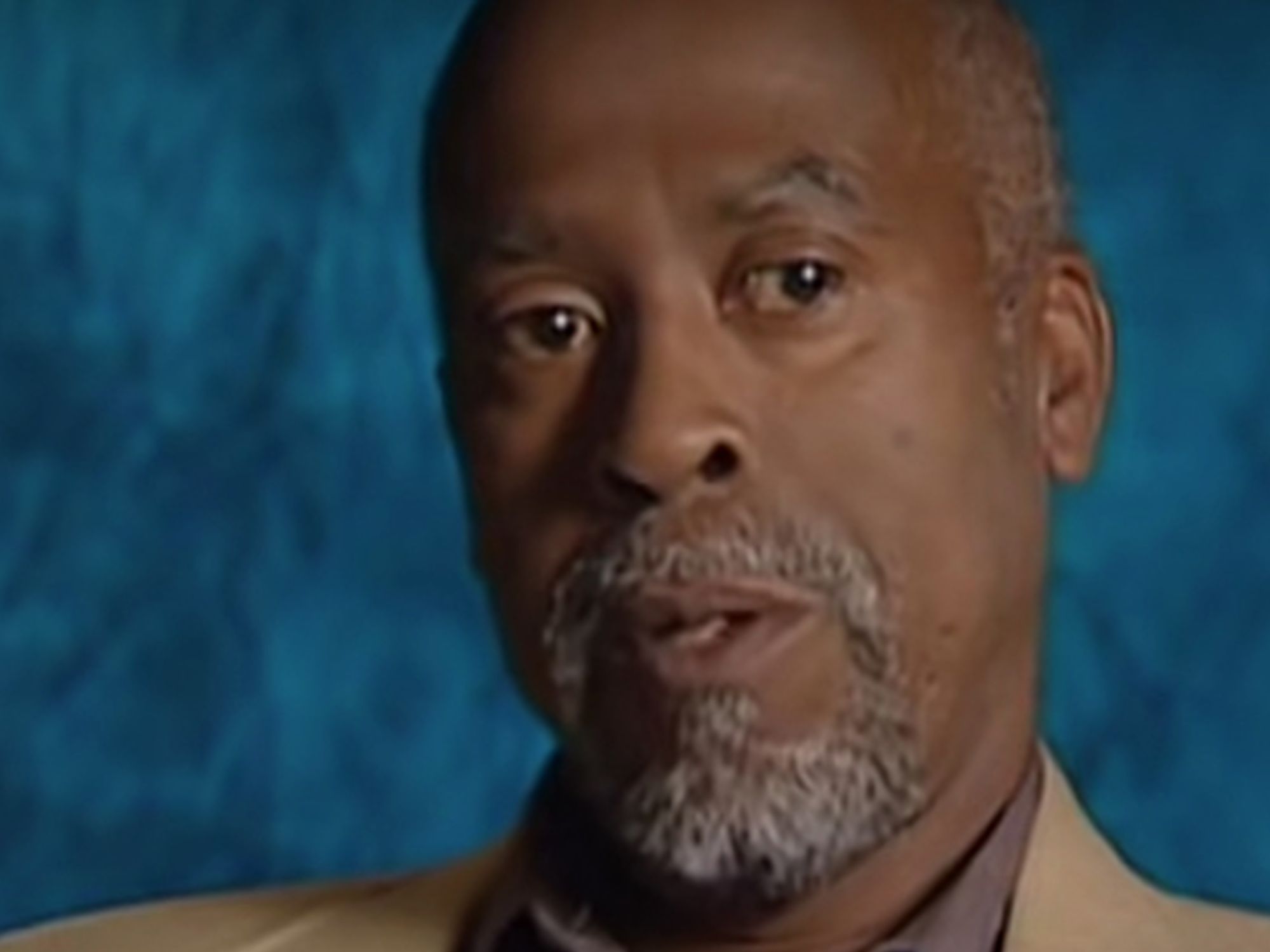
The Making of a Hero: Who Was Clarence Sasser?
Clarence Eugene Sasser grew up in the Fifth Ward of Houston, Texas, where quiet determination ran as deep as his roots. When the Army drafted him in 1967, this soft-spoken African-American teenager could never have imagined he'd soon become the youngest black recipient of the Medal of Honor.
Assigned to the 3rd Battalion, 60th Infantry Regiment of the 9th Infantry Division, Sasser trained as a combat medic. His fellow soldiers quickly noticed something special about the young Texan – a natural leadership quality that emerged not through loud commands, but through steady, reliable action.
By early 1968, Sasser found himself deployed to Vietnam's treacherous Mekong Delta. The swamplands and rice paddies of this region had become a deadly chess match between American forces and determined North Vietnamese fighters who knew every inch of the terrain.
Tet Offensive Erupts: Setting the Scene
January 30, 1968, changed everything. North Vietnamese forces launched their most ambitious coordinated assault of the war, striking simultaneously across South Vietnam in what became known as the Tet Offensive.
Sasser's unit was operating deep in Ding Tuong Province, where enemy forces had spent months preparing elaborate ambush positions. The dense jungle canopy provided perfect cover for North Vietnamese fighters who had turned the landscape into a deadly maze of killing fields.
What American forces didn't realize was just how thoroughly their enemies had prepared. Hidden bunkers, carefully concealed spider holes, and interlocking fields of fire awaited any unit unlucky enough to stumble into their trap.
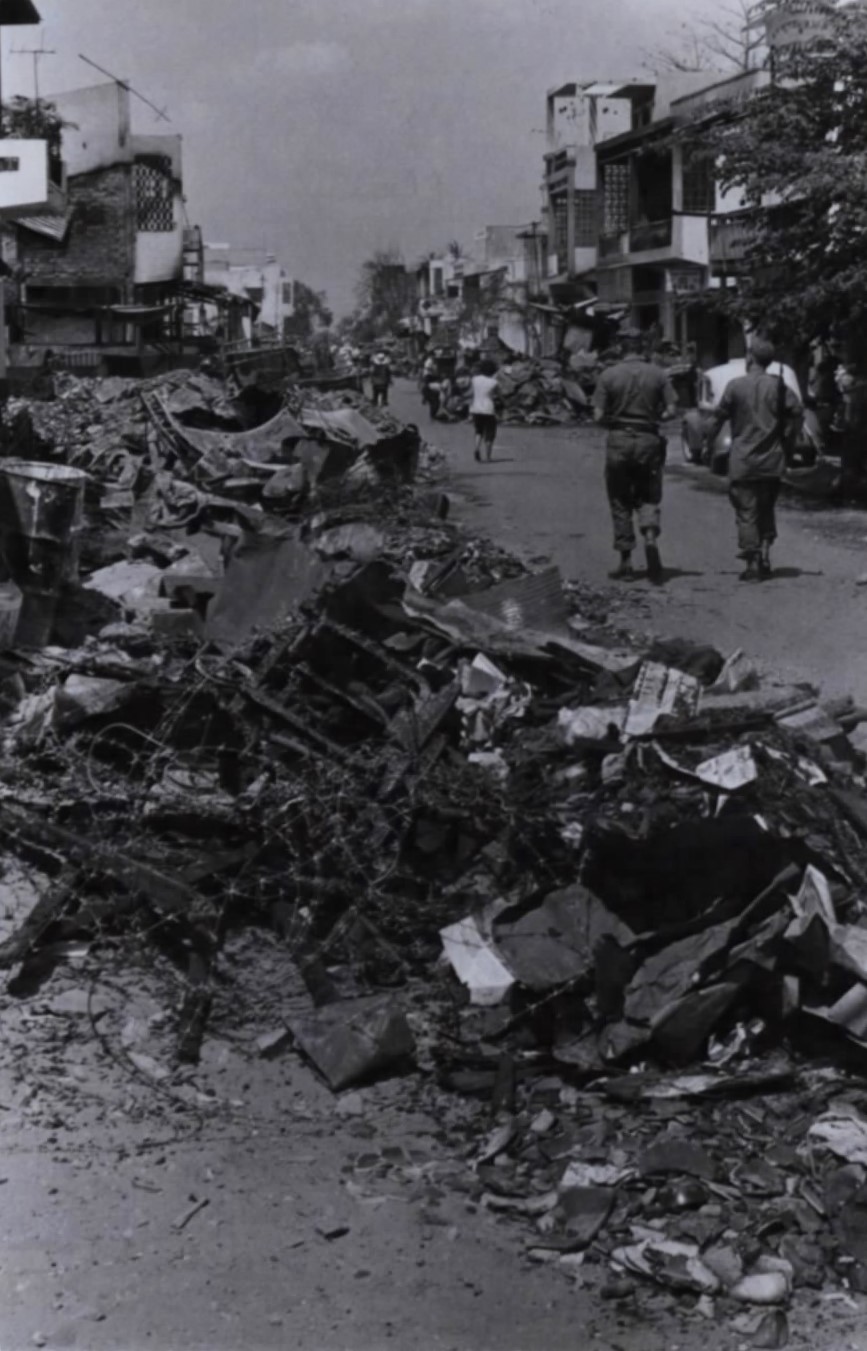
Into the Kill Zone: The Ambush Begins
On January 10, 1968, Sasser's platoon walked directly into one of these carefully prepared kill zones. The explosion of enemy fire was devastating – automatic weapons chattered from multiple directions while rocket-propelled grenades screamed through the jungle air.
In those first terrifying moments, multiple American soldiers crumpled to the ground, their cries for help mixing with the deafening roar of combat. While others dove for cover, Medic Sasser immediately began moving toward the wounded, his medical bag clutched tightly in his hands.
The enemy had chosen their ambush site perfectly. Open ground offered no protection, and the crossfire made any movement a potentially fatal gamble.
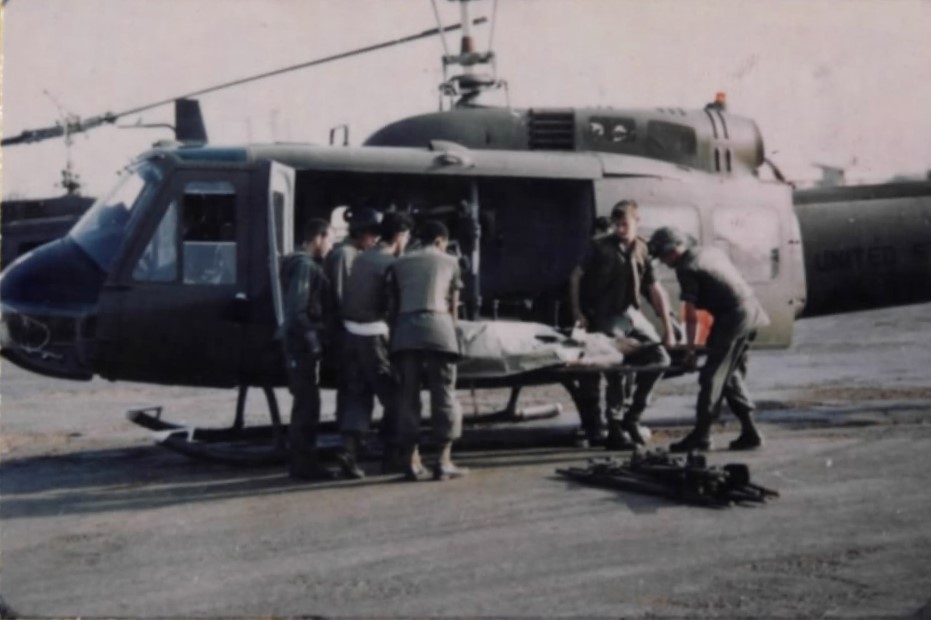
Wounded but Unstoppable: Six Times Hit, Never Quit
Sasser's first wound came from shrapnel that tore into his body as he reached a fallen soldier. Blood streaming down his uniform, the young medic barely paused before continuing his work, applying bandages and administering morphine while bullets whined overhead.
Then came the gunshot wounds – first to his legs, making walking increasingly difficult. Next, rounds found his torso, sending waves of pain through his body. Still, Sasser refused to stop.
When walking became impossible, he crawled on his hands and knees from wounded soldier to wounded soldier. Each time his commanding officer tried to order him to seek medical evacuation, Sasser shook his head. As long as wounded men remained on that battlefield, he wasn't leaving.
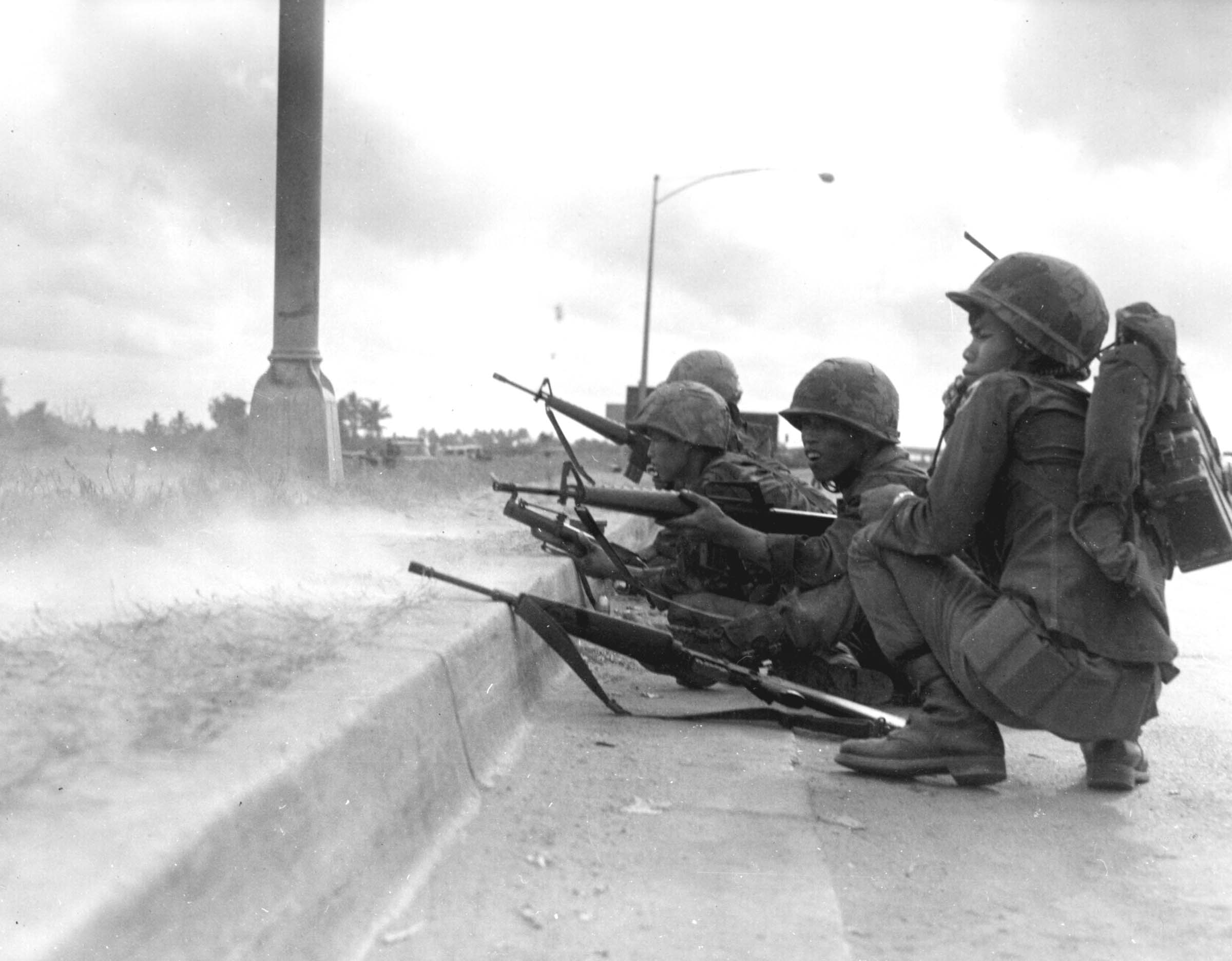
The Longest Day: Saving Lives Under Fire
For twelve agonizing hours, the battle raged through the jungle. During this marathon of courage, Sasser treated over 100 wounded soldiers while enemy fire continued to rake the battlefield around him.
Time and again, he dragged wounded comrades to safer positions, often using his own wounded body as a shield to protect his patients from incoming fire. His medical training kicked into overdrive as he triaged casualties, prioritizing the most critically wounded while coordinating helicopter evacuations.
Fellow survivors later described watching in amazement as this bullet-riddled medic continued working with steady hands, his calm voice cutting through the chaos to reassure terrified wounded soldiers that help had arrived.
Recognition and Legacy: Medal of Honor
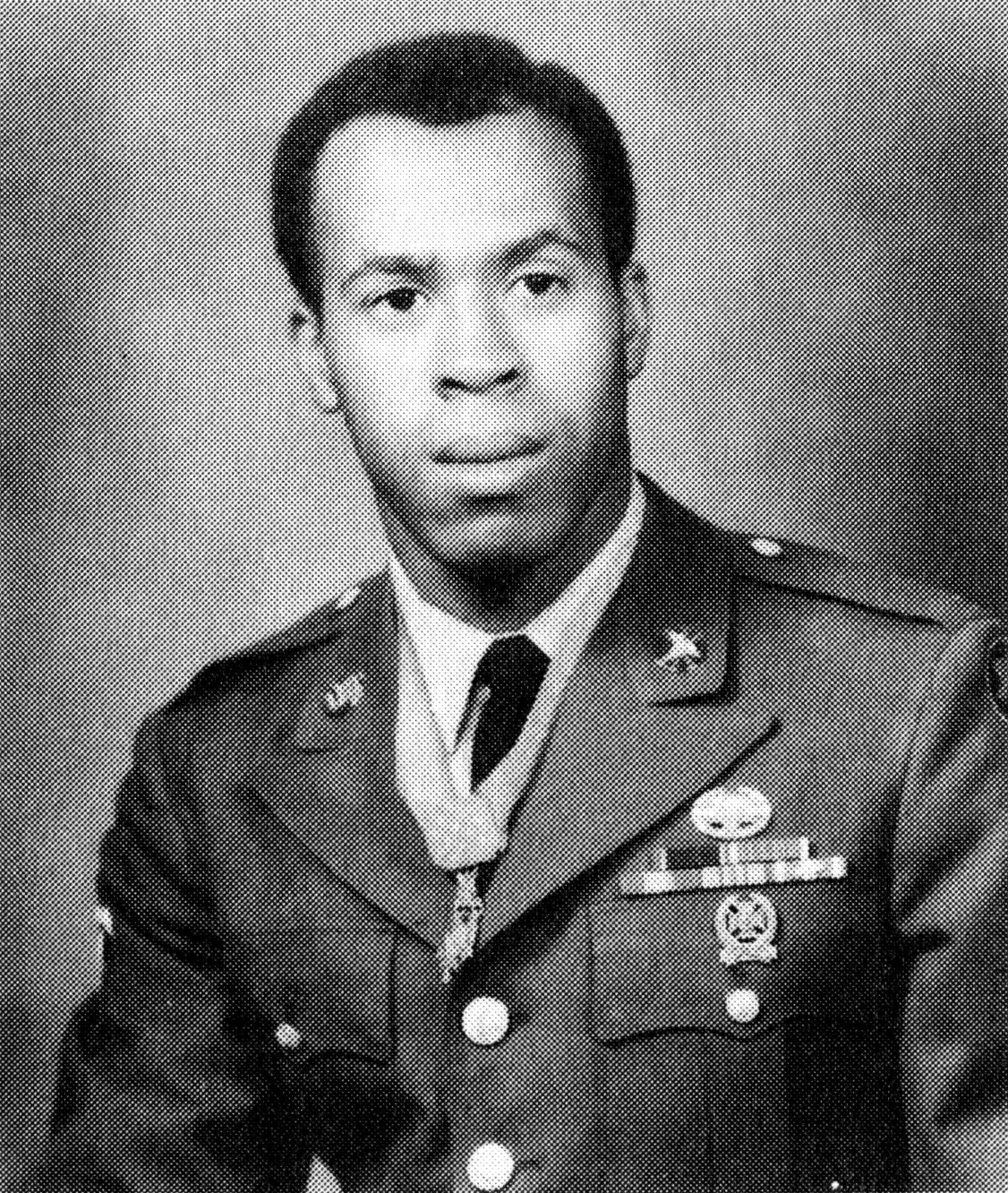
On March 7, 1969, President Richard Nixon placed the Medal of Honor around Clarence Sasser's neck in a White House ceremony. At just 21 years old, Sasser became the youngest African-American to receive America's highest military decoration.
His citation reads like something from a Hollywood script, but every word was verified by multiple witnesses who saw this extraordinary display of heroism firsthand. Like other African-American heroes of the Vietnam era, Sasser's courage helped break barriers and honor the service of minority soldiers.
After the war, Sasser became a passionate advocate for veterans' rights and improved healthcare for former service members, continuing his mission of healing long after leaving the battlefield.
Remembering True Courage: Lessons from Clarence Sasser
Clarence Sasser's story redefines our understanding of combat heroism. While others fought the enemy, he fought death itself – and won over 100 times in a single day.
His legacy reminds us that medics like Sasser often perform the war's most dangerous job, running toward danger when everyone else seeks cover. These unsung heroes save more lives than any weapon ever could.
Today, military medical personnel still draw inspiration from Sasser's example, understanding that true courage sometimes means crawling through hell to bring someone home.
What strikes you most about Clarence Sasser's incredible story of courage under fire? Share your thoughts in the comments below, and help us honor the memory of this remarkable American hero who proved that sometimes the greatest weapon on any battlefield is a medic's determination to save lives.