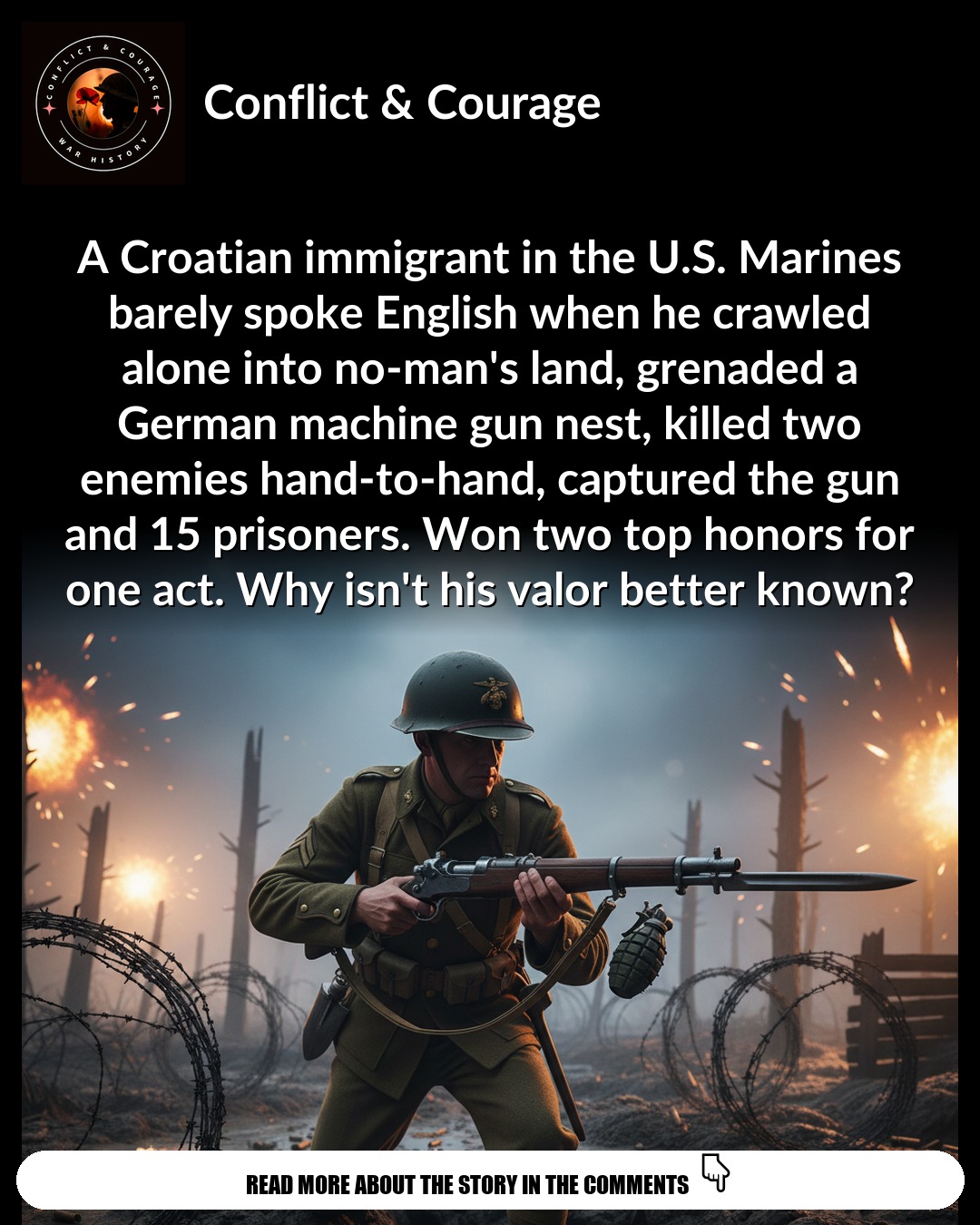
When we think of World War I heroes, names like Alvin York immediately come to mind. But deep in the same blood-soaked Argonne Forest where York earned his fame, another man performed equally incredible feats of courage. This was Louis Cukela, a Croatian immigrant who could barely string together an English sentence, yet spoke the universal language of raw bravery.
The Forgotten Hero of Argonne Forest
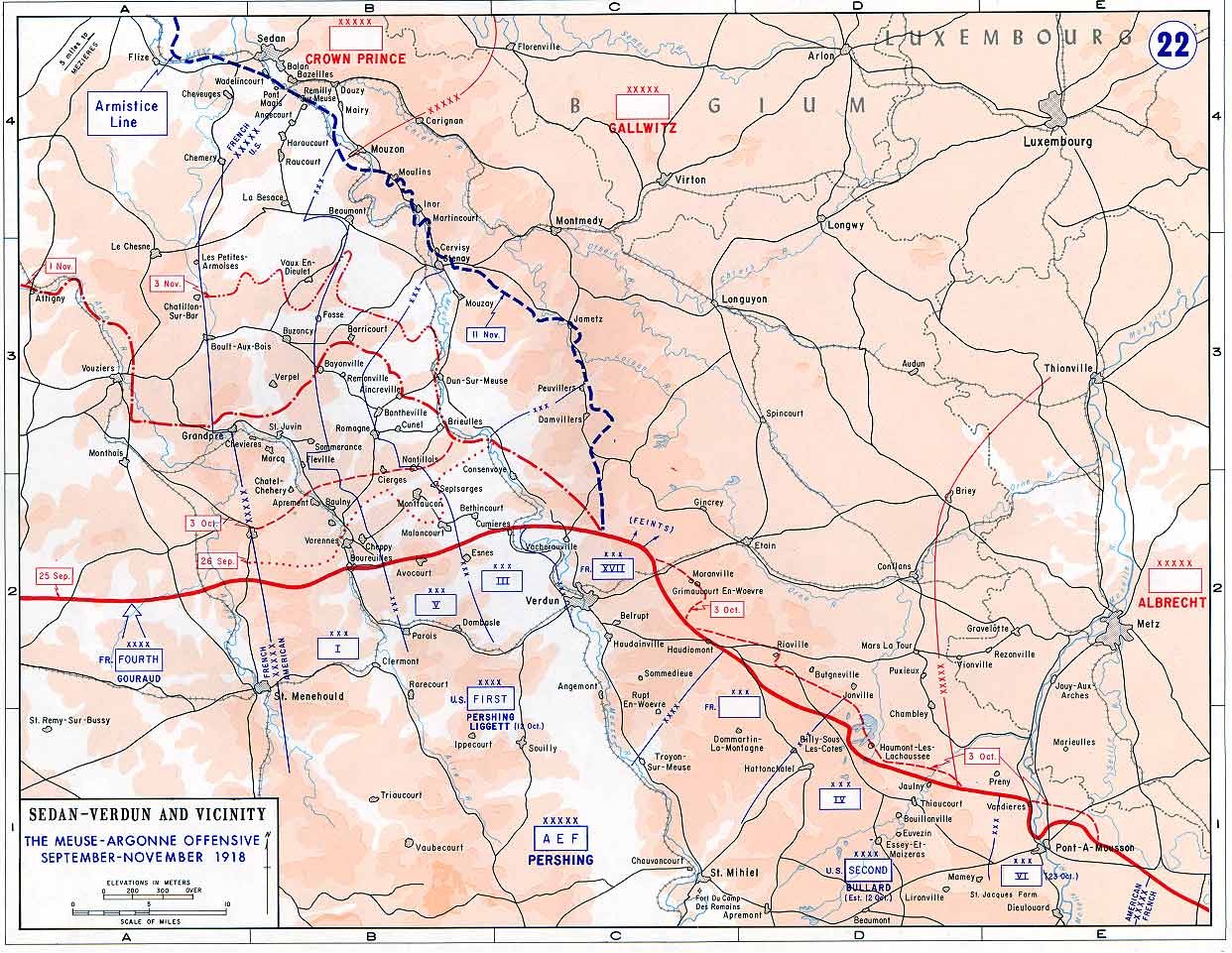
October 1918 found the American Expeditionary Forces locked in their bloodiest battle yet. The Argonne Forest had become a charnel house where machine gun nests turned advancing soldiers into casualties faster than replacements could arrive. While Alvin York was earning his place in history books thirty miles away, Sergeant Louis Cukela was writing his own legend in steel and blood.
Cukela's heroism has been overshadowed by more famous names, but his actions that autumn day were no less extraordinary. In fact, his story might be even more remarkable—here was a man who'd arrived in America speaking no English, yet found the courage to charge German positions single-handedly when his fellow Marines needed him most.
From Croatia to the American Trenches
Born in Austrian Croatia in 1888, Louis Cukela arrived in America as a young man seeking opportunity. Like countless immigrants before him, he struggled with the language barrier and the challenge of finding his place in a new homeland. English came slowly, but determination came naturally.
When America entered the Great War, Cukela saw his chance to prove his loyalty to his adopted country. He enlisted in the Marine Corps, where his fierce dedication to duty quickly caught his superiors' attention. The Marines had a way of taking men from all backgrounds and forging them into warriors—and Cukela proved to be exceptional raw material.
The immigrant experience in WWI American forces was both challenging and transformative. Men like Cukela served alongside native-born Americans, united by shared purpose despite diverse backgrounds. Their courage would help define what it meant to be American in the modern age.
Hell in the Argonne: The Meuse-Argonne Offensive
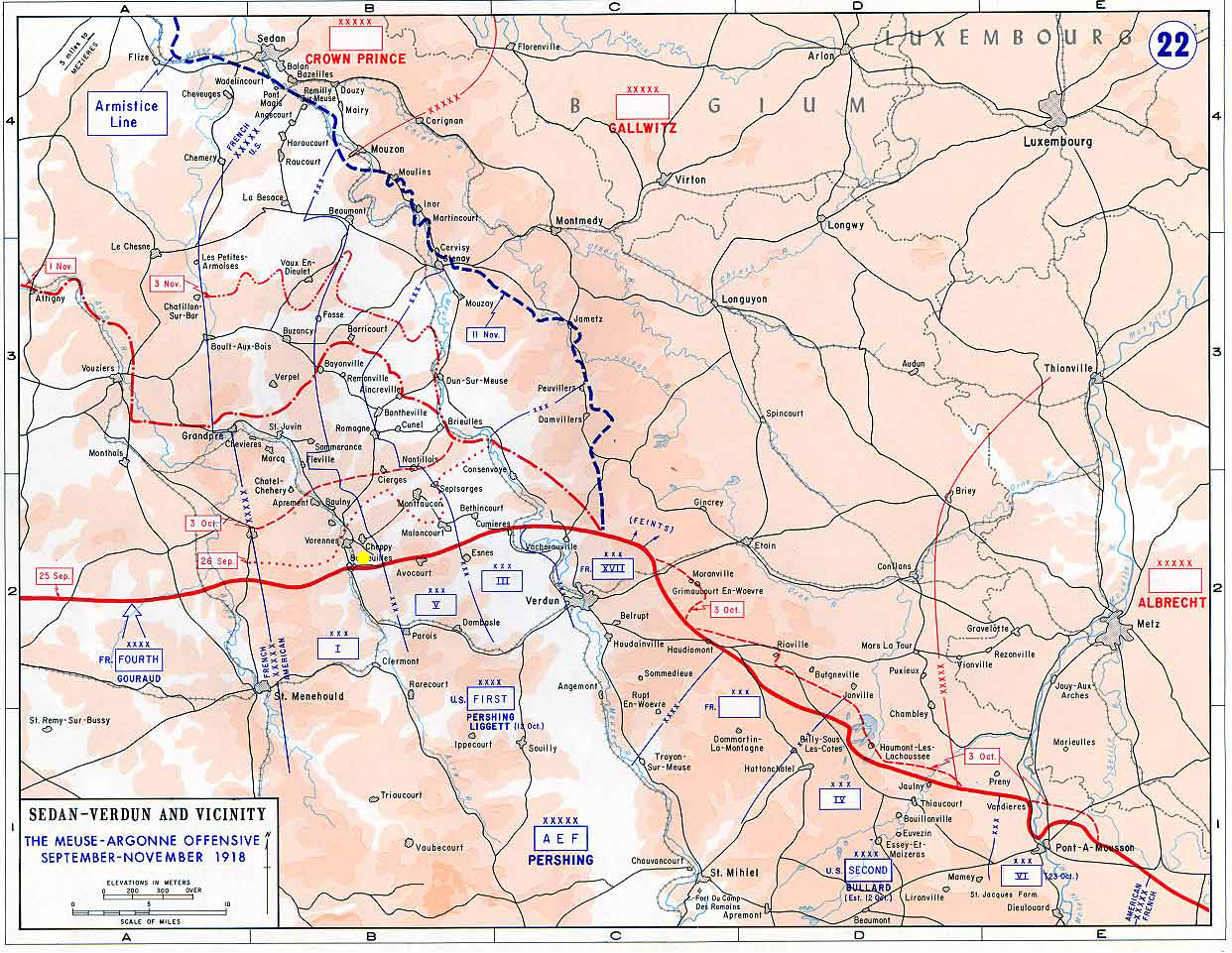
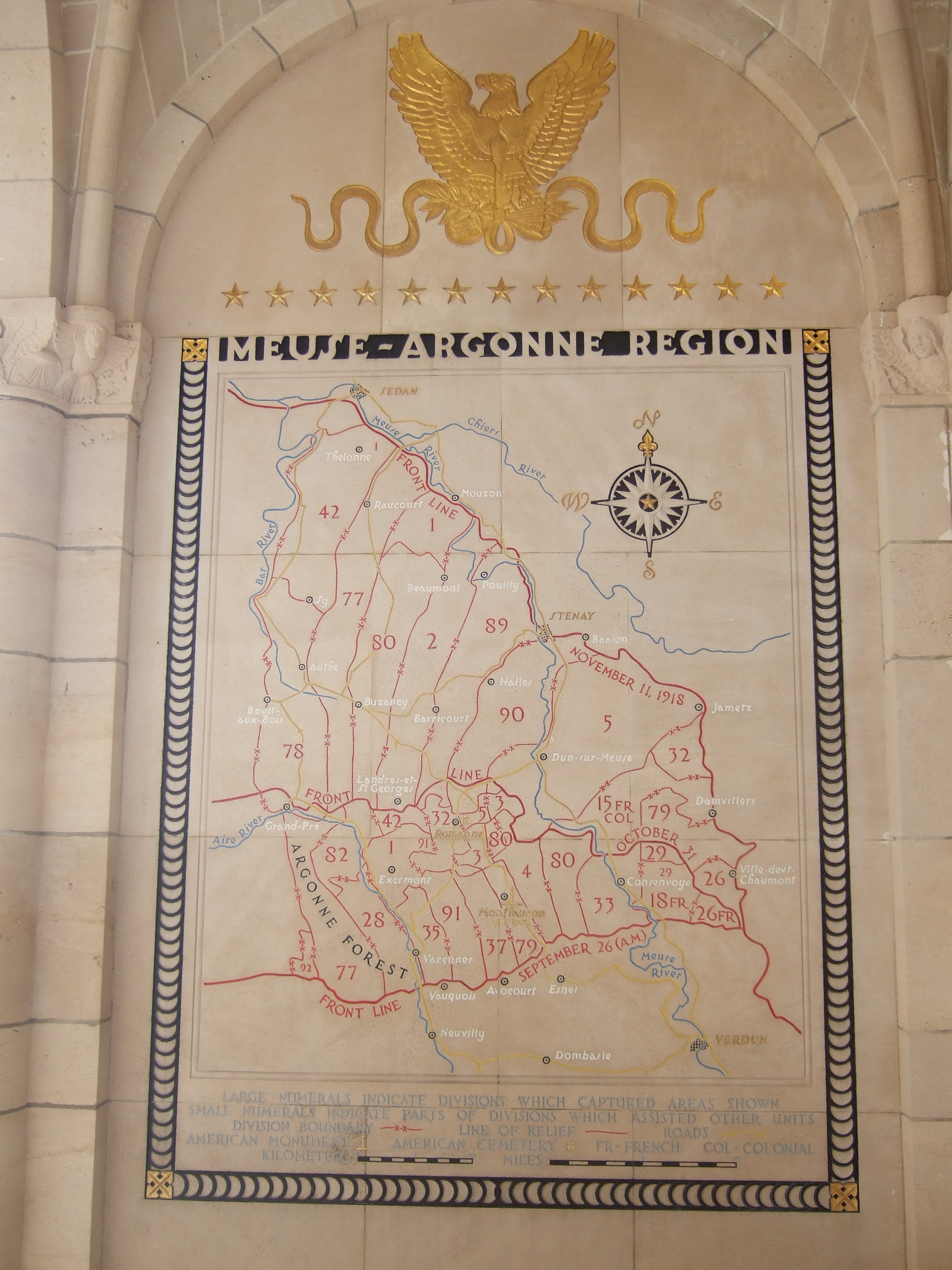
The Meuse-Argonne Offensive launched in September 1918 represented the Allies' final, desperate push to end the war before winter. Over one million American troops would participate in this massive campaign, facing German forces determined to hold their defensive lines at any cost.
The Argonne Forest itself was a nightmare landscape of shattered trees, mud-filled craters, and concealed machine gun positions. German forces had spent years fortifying these positions, creating killing fields that channeled attacking forces into predetermined zones of destruction.
For the American doughboys and Marines advancing through this hell, every yard gained came at tremendous cost. The dense forest canopy blocked artillery support, while German machine gunners had clear fields of fire along the few passable routes. This was where heroes were made—or buried.
The Lone Bayonet Charge That Changed Everything
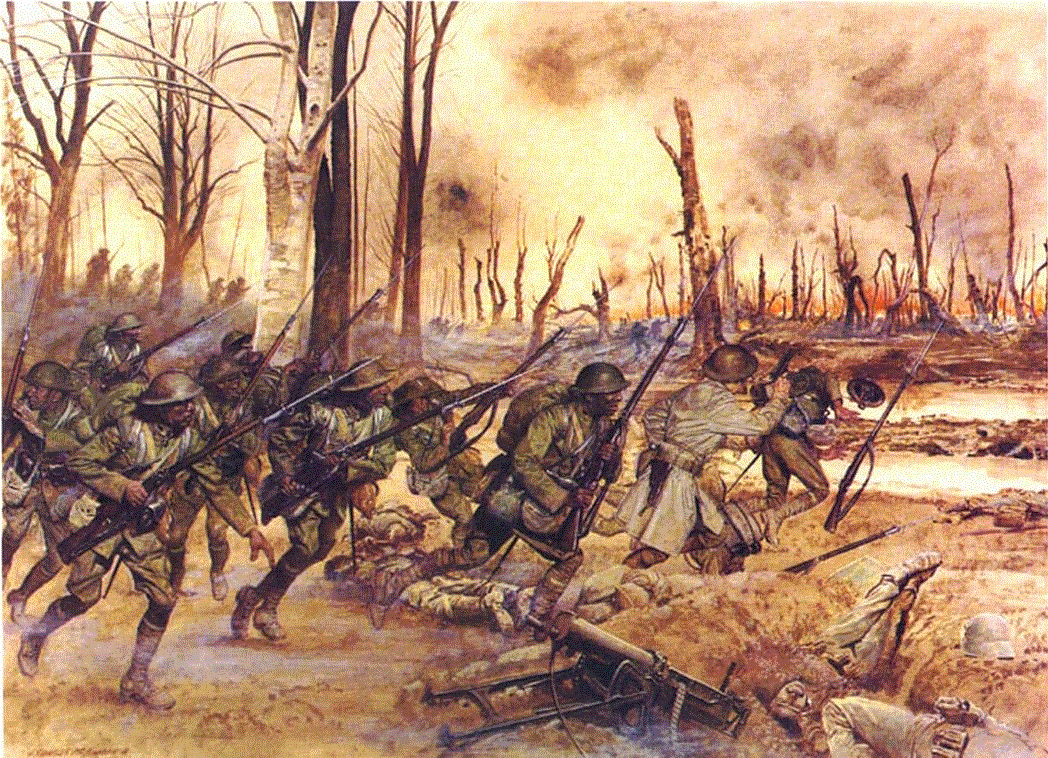
On October 8, 1918, Cukela's company found itself pinned down by German machine gun fire. Men were falling all around him, and the advance had ground to a bloody halt. While others sought cover, Cukela saw only one solution: someone had to silence those guns, even if it meant going alone.
What happened next defied military logic but embodied Marine Corps spirit. Cukela fixed his bayonet and charged directly at the German positions. Racing through withering machine gun fire, he somehow reached the enemy trenches alive and began systematically clearing them with bayonet, rifle, and captured German weapons.
His solitary assault captured multiple German positions and freed his pinned-down company to advance. But Cukela wasn't finished—he continued his one-man war, taking prisoner after prisoner and single-handedly turning the tide of the local battle. His actions that day saved countless American lives and demonstrated the power of individual courage in the face of overwhelming odds.
Beyond the Charge: Cukela's War Record
Cukela's Argonne heroics weren't his only notable actions during the war. He served with distinction throughout multiple campaigns, earning recognition for consistent bravery under fire. His Medal of Honor citation reads like something from a Hollywood script, yet every word was verified by witnesses and military records.
Uniquely, Cukela served in both the Army and Marine Corps during his military career, earning respect in both services. His post-war service continued for decades, proving that his courage wasn't limited to a single moment of crisis but represented a lifelong commitment to duty and honor.
The Immigrant Warrior's Legacy
Cukela's story resonates deeply with the American immigrant experience. Here was a man who came to America seeking opportunity and gave everything in return—including nearly his life on multiple occasions. His courage exemplified the ideals that drew millions to American shores: the belief that individual merit and bravery could overcome any obstacle.
Like other immigrant heroes such as forgotten D-Day medics and Vietnam War heroes, Cukela proved that American courage comes in all backgrounds and languages. His post-war life continued to reflect the values he'd fought for, as he remained active in veteran organizations and community service.
Remembering the Unsung Heroes of Argonne
The Argonne Forest witnessed countless acts of heroism beyond those of York and Cukela. Thousands of American soldiers, many of them immigrants like Cukela, performed acts of extraordinary courage that have been largely forgotten by history. Their stories deserve preservation alongside the more famous tales we already know.
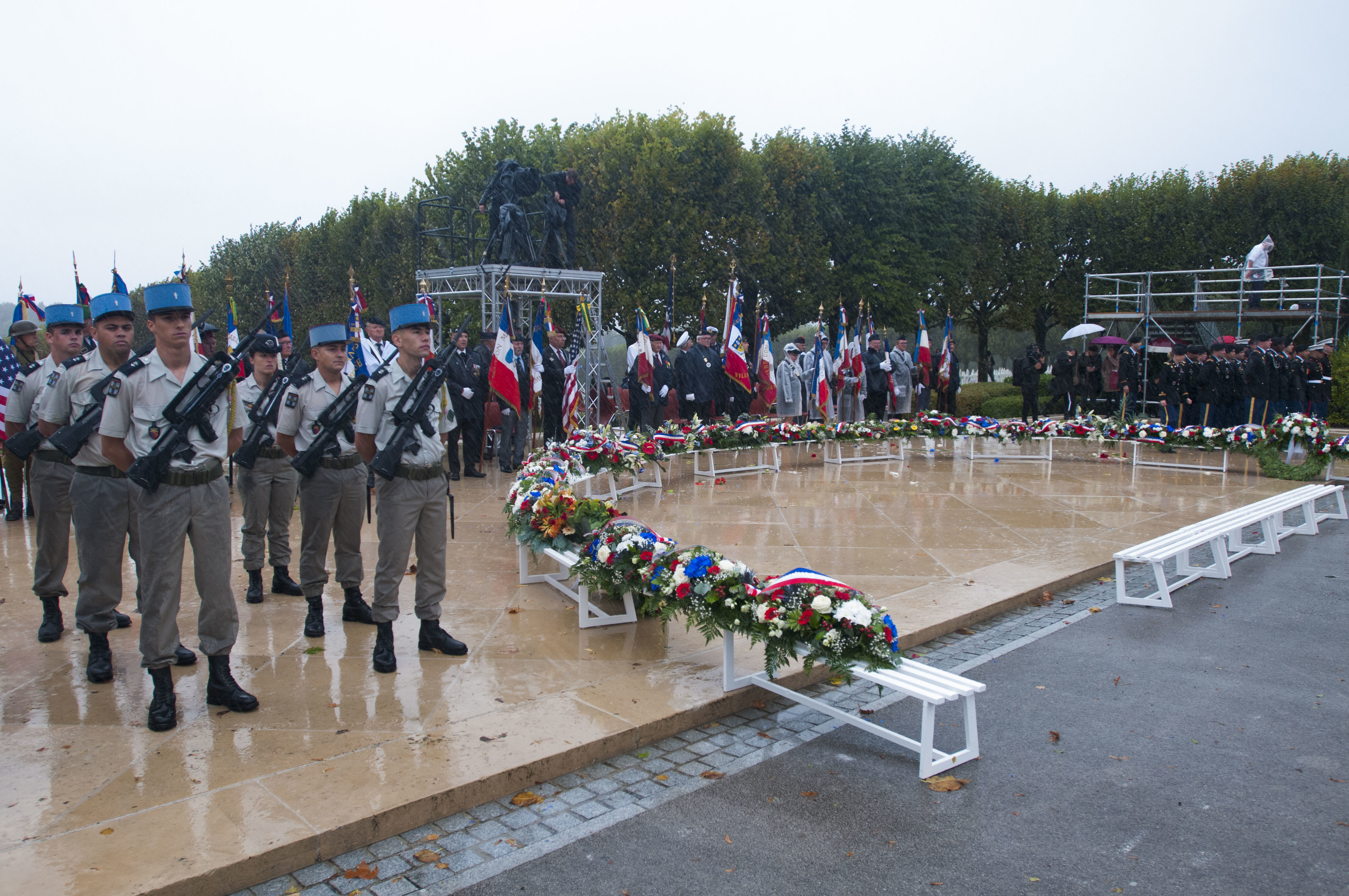
Today, visitors to the Argonne can walk the same ground where these heroes fought and died. The forest has regrown, but memorials mark the spots where young Americans proved that courage knows no boundaries of birth or language. These places remind us that freedom's price is always paid by individuals willing to risk everything for others.
What stories of courage and sacrifice from your own family's military history deserve to be remembered? Share your thoughts below—every hero's story matters, whether famous or forgotten, and together we can ensure these legacies live on for future generations.