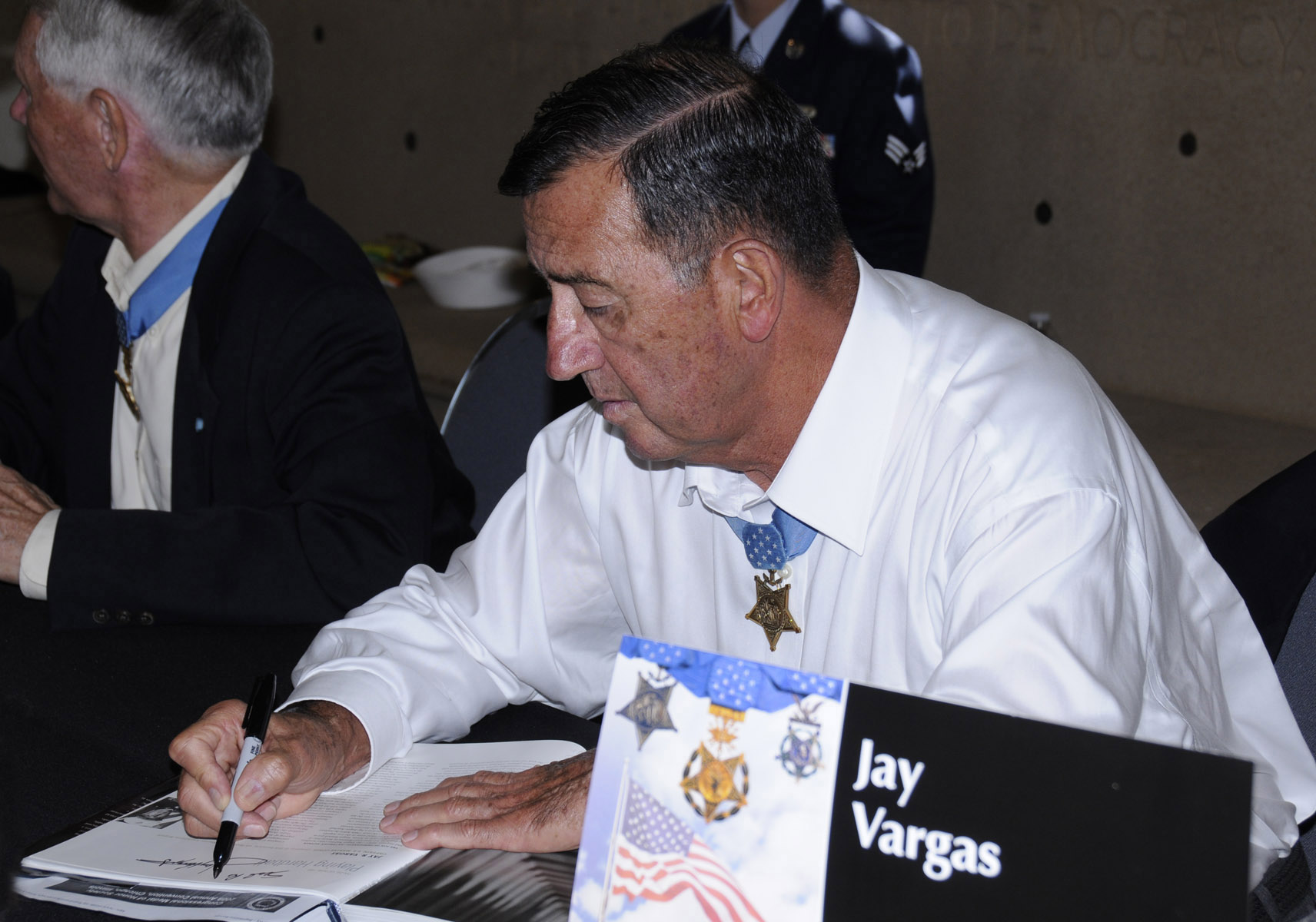
When the Tet Offensive erupted across South Vietnam in January 1968, most Americans watched in shock as enemy forces struck seemingly everywhere at once. But in the ancient imperial city of Hue, a 30-year-old Marine captain named Jay Vargas was about to write one of the most heroic chapters of the entire war.
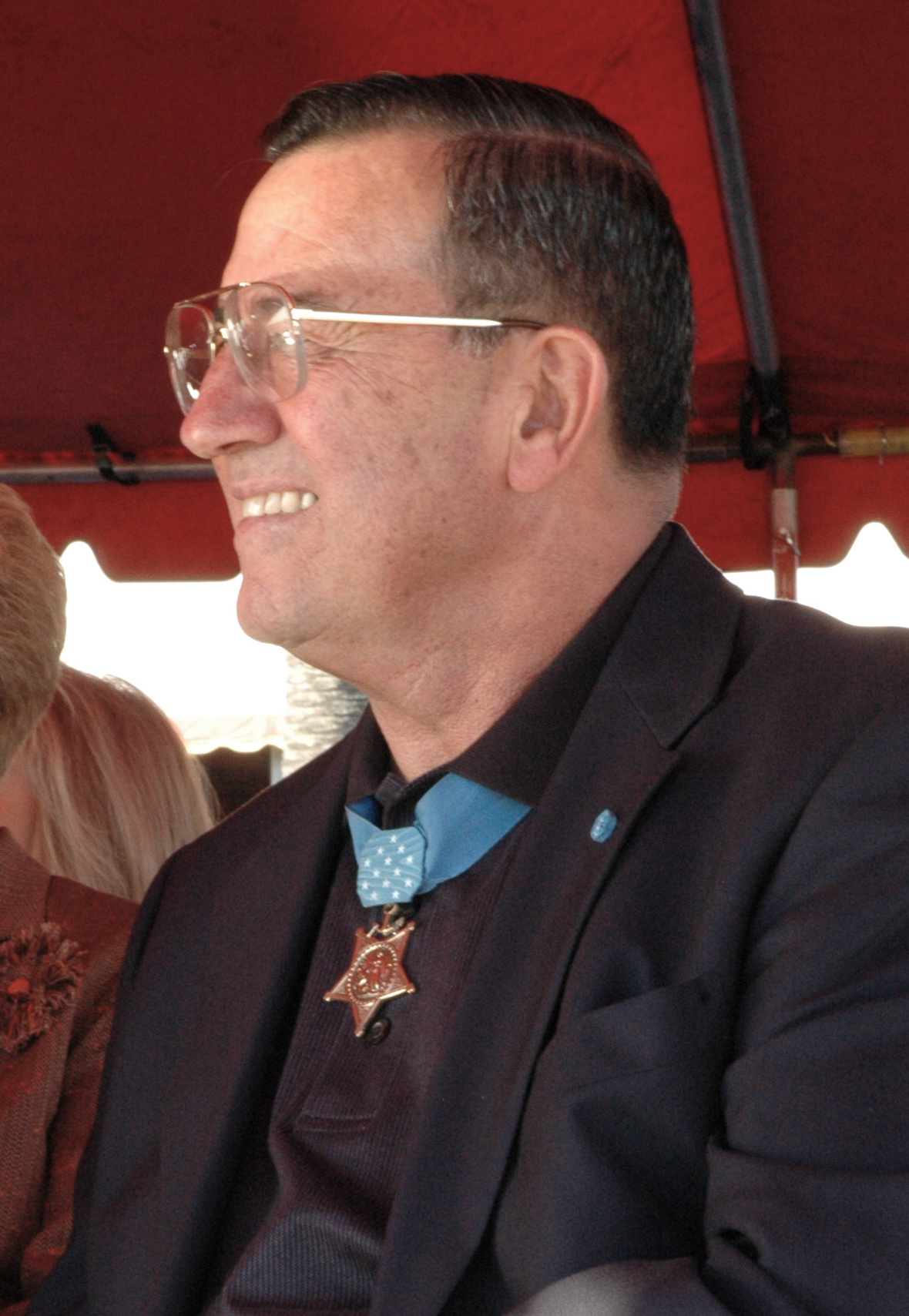
The Captain Who Changed Everything at Hue
Captain Jay Vargas commanded Company G, 2nd Battalion, 5th Marines when the North Vietnamese Army launched their surprise attack on Hue City. The ancient capital held deep cultural significance for the Vietnamese people, making it a prime target for the communist forces' propaganda victory.
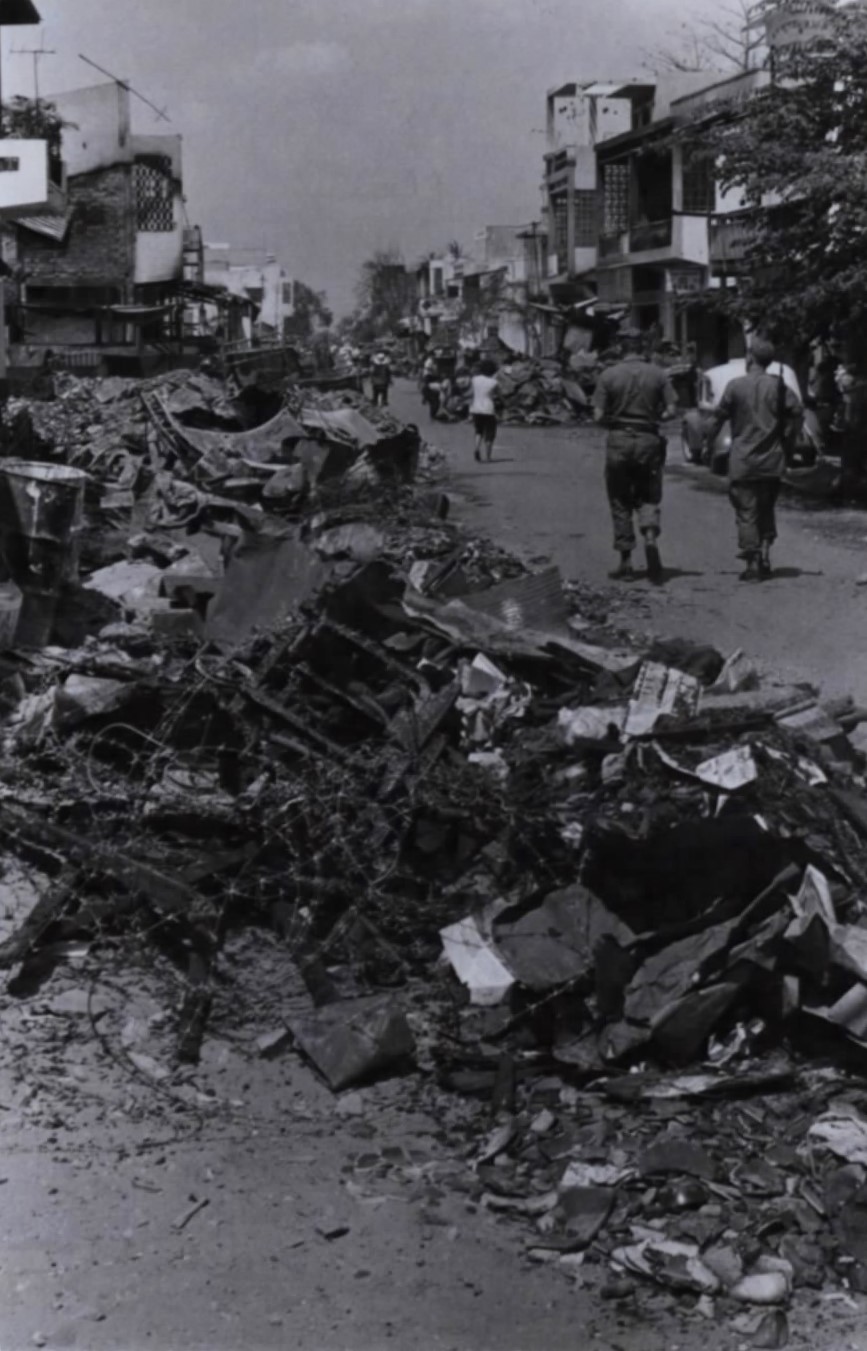
What made Hue different from other Tet battles was its urban warfare complexity. The city's narrow streets, thick walls, and centuries-old architecture created a nightmare scenario for American forces. When Vargas received orders to assault the heavily fortified Citadel with just 200 Marines, he knew they faced impossible odds.
The NVA had transformed Hue's ancient fortress into a modern killing field. Thousands of enemy soldiers occupied prepared positions, turning every corner into a potential ambush site. For the Marines of Company G, this would become the longest continuous urban combat of the Vietnam War.
Into the Urban Hell of Hue's Citadel
The Imperial Citadel of Hue stood as Vietnam's most sacred historical site, a walled fortress dating back to the early 1800s. Its thick stone walls and maze-like interior provided perfect defensive positions for determined defenders.
The NVA chose Hue strategically, knowing that heavy bombardment would destroy irreplaceable cultural treasures. This restriction on American firepower gave enemy forces a significant advantage, forcing Marines into close-quarters combat where superior numbers mattered most.
When Vargas led his Marines through the fortress gates, they entered a kill zone designed by an enemy who'd had weeks to prepare. Every building, every courtyard, every rooftop bristled with machine gun nests and sniper positions.
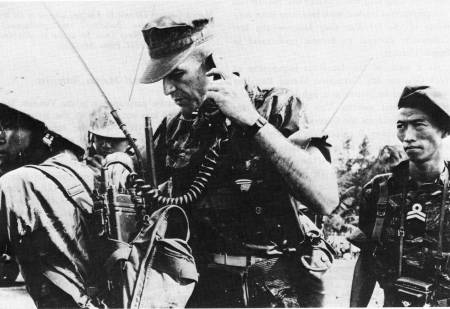
Seven Days of Hell: Vargas Takes Command
The battle for the Citadel quickly devolved into brutal block-by-block fighting. Vargas's Marines faced constant sniper fire, surprise attacks from hidden tunnels, and coordinated assaults from well-entrenched positions.
On the second day of fighting, enemy fire wounded Vargas in the leg. He refused evacuation, knowing his men needed steady leadership in the chaos. When shrapnel from a mortar round wounded him again the next day, he still wouldn't leave his post.
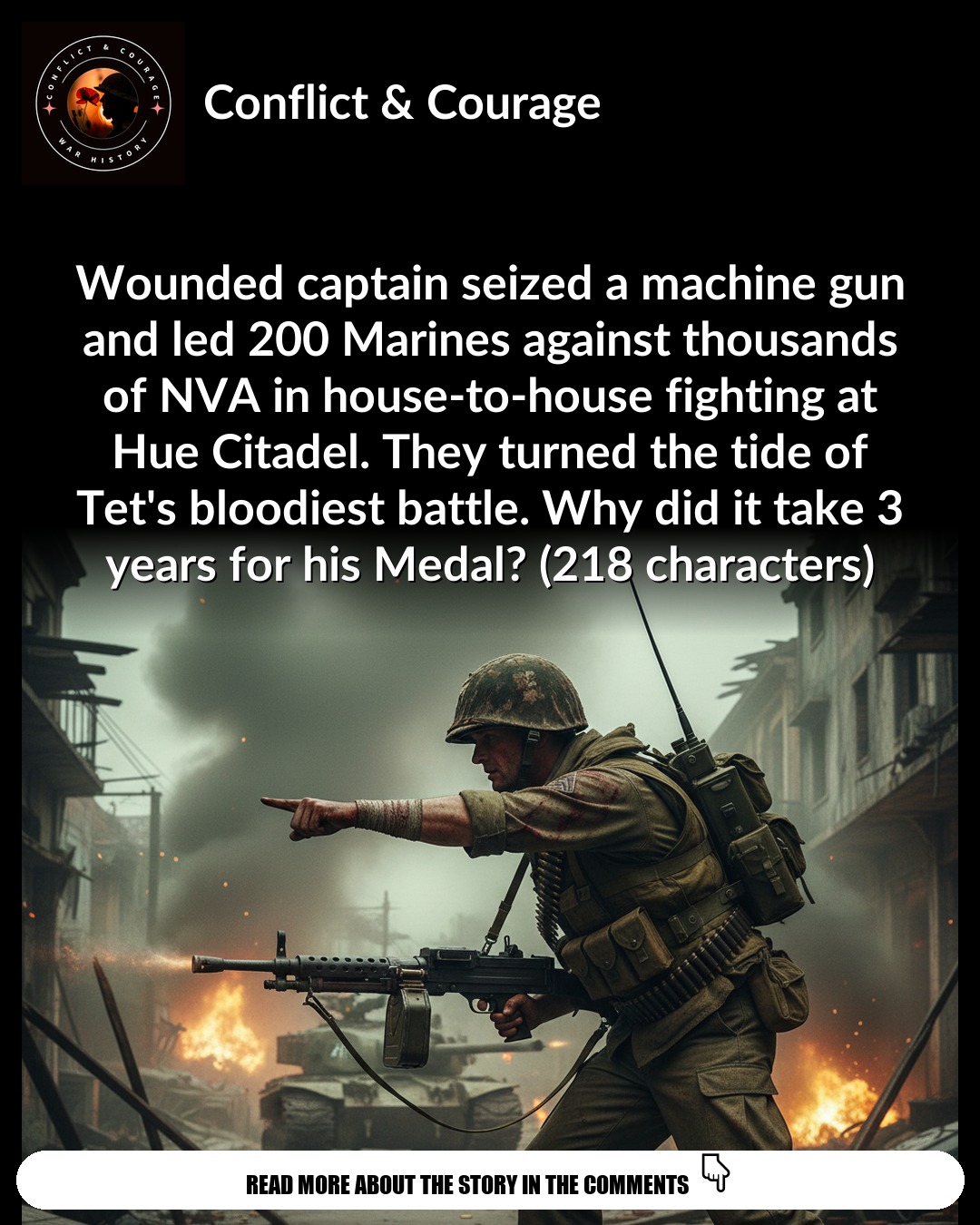
The turning point came when Vargas spotted a critical enemy machine gun position that had pinned down his Marines for hours. Without hesitation, he grabbed a machine gun and personally led the assault, charging directly into the enemy's field of fire.
Machine Gun Charge: Leadership Under Fire
Vargas's frontal assault on the enemy position became legendary among his Marines. Despite his wounds, he carried the heavy machine gun forward, laying down suppressive fire while his men maneuvered into flanking positions.
His tactical brilliance showed in how he adapted Marine doctrine to urban warfare. Instead of relying on heavy artillery support, Vargas developed new techniques for clearing buildings and coordinating small unit actions in confined spaces.
Like other Medal of Honor heroes during the Tet Offensive, Vargas inspired his men through personal example. When Marines saw their wounded captain leading from the front, they followed him through seven straight days of continuous combat.
The Cost of Victory at Hue
The week-long battle exacted a terrible price from both sides. Company G suffered heavy casualties, with many Marines wounded multiple times before the siege finally ended. The ancient city bore scars that would last for decades.
But Vargas's determined stand prevented the NVA from achieving their strategic objectives in Hue. His Marines' refusal to retreat denied enemy forces a crucial propaganda victory that could have changed American public opinion even more dramatically.
The broader impact on the Tet Offensive became clear only later. While communist forces achieved tactical surprises across South Vietnam, American units like Company G proved they could adapt and overcome even in the most challenging urban environments.
Medal of Honor: Recognition Three Years Later
In 1970, President Nixon presented Jay Vargas with the Medal of Honor, America's highest military decoration. The citation praised his "conspicuous gallantry and intrepidity in action at the risk of his life above and beyond the call of duty."
The three-year delay reflected the complexity of documenting heroic actions during intense combat. Multiple witness statements and thorough investigations ensured that Medal of Honor recipients truly deserved America's highest honor.
Vargas accepted the award with characteristic humility, crediting his Marines for their courage and sacrifice. He understood that the medal represented not just his actions, but the collective heroism of every Marine who fought in Hue's ancient streets.
Legacy of a Marine's Courage
Jay Vargas's leadership at Hue City influenced Marine Corps urban warfare doctrine for generations. His innovative tactics and adaptation to city fighting became standard training for Marines facing similar challenges in future conflicts.
The surviving Marines of Company G carried Vargas's example throughout their lives. Many later spoke of how his courage under fire taught them the true meaning of leadership and sacrifice in combat.
Today, Vargas's story reminds us that individual acts of heroism can change the course of entire battles. In Vietnam's most complex urban warfare scenario, one Marine captain's refusal to quit made all the difference.
What stories of courage and leadership inspire you most? Share your thoughts about Jay Vargas's heroic stand at Hue City, or tell us about other Vietnam War heroes whose stories deserve remembering. Your comments help keep these important histories alive for future generations.