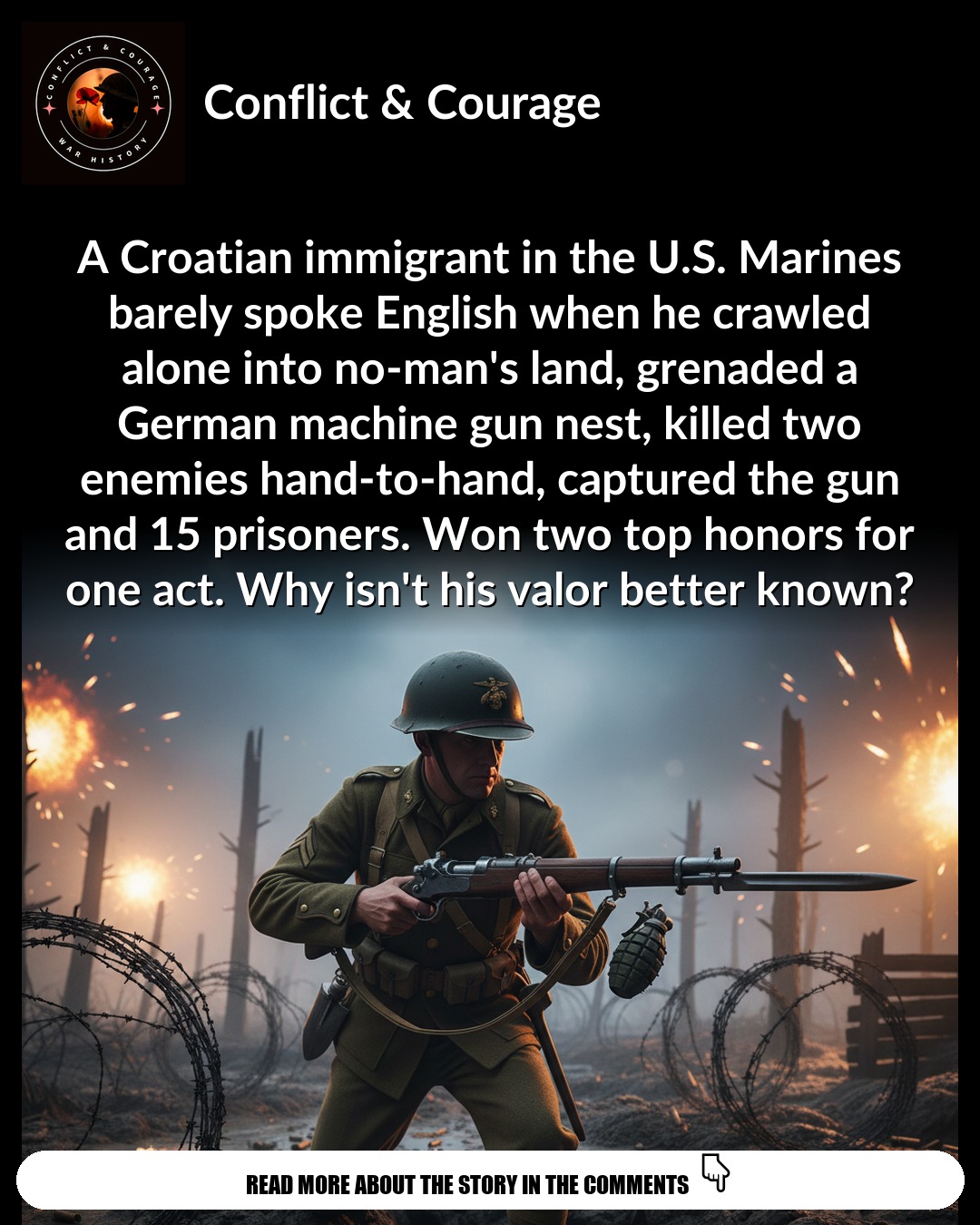
When we think of World War I heroes, Sergeant Alvin York's name immediately comes to mind. But deep in the same deadly Argonne Forest, another extraordinary act of courage unfolded that October day in 1918. A Croatian immigrant who barely spoke English would single-handedly change the course of battle with nothing but raw determination and a fixed bayonet.
The Forgotten Hero of Argonne
Louis Cukela's story deserves to stand alongside the greatest tales of American heroism. While York was earning his fame in Tennessee's rolling hills before the war, Cukela was scratching out a living as a farm laborer, dreaming of America from the Croatian countryside.
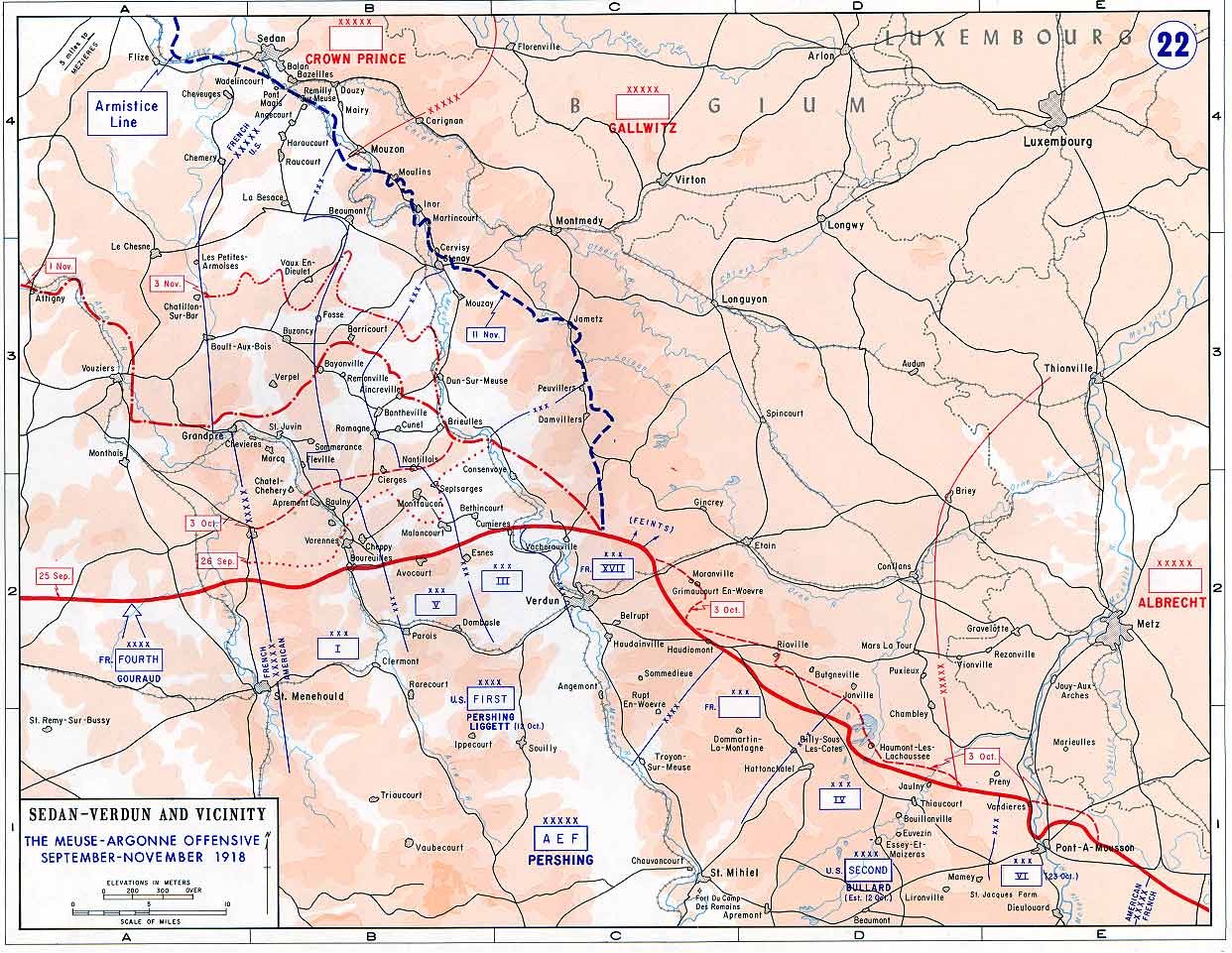
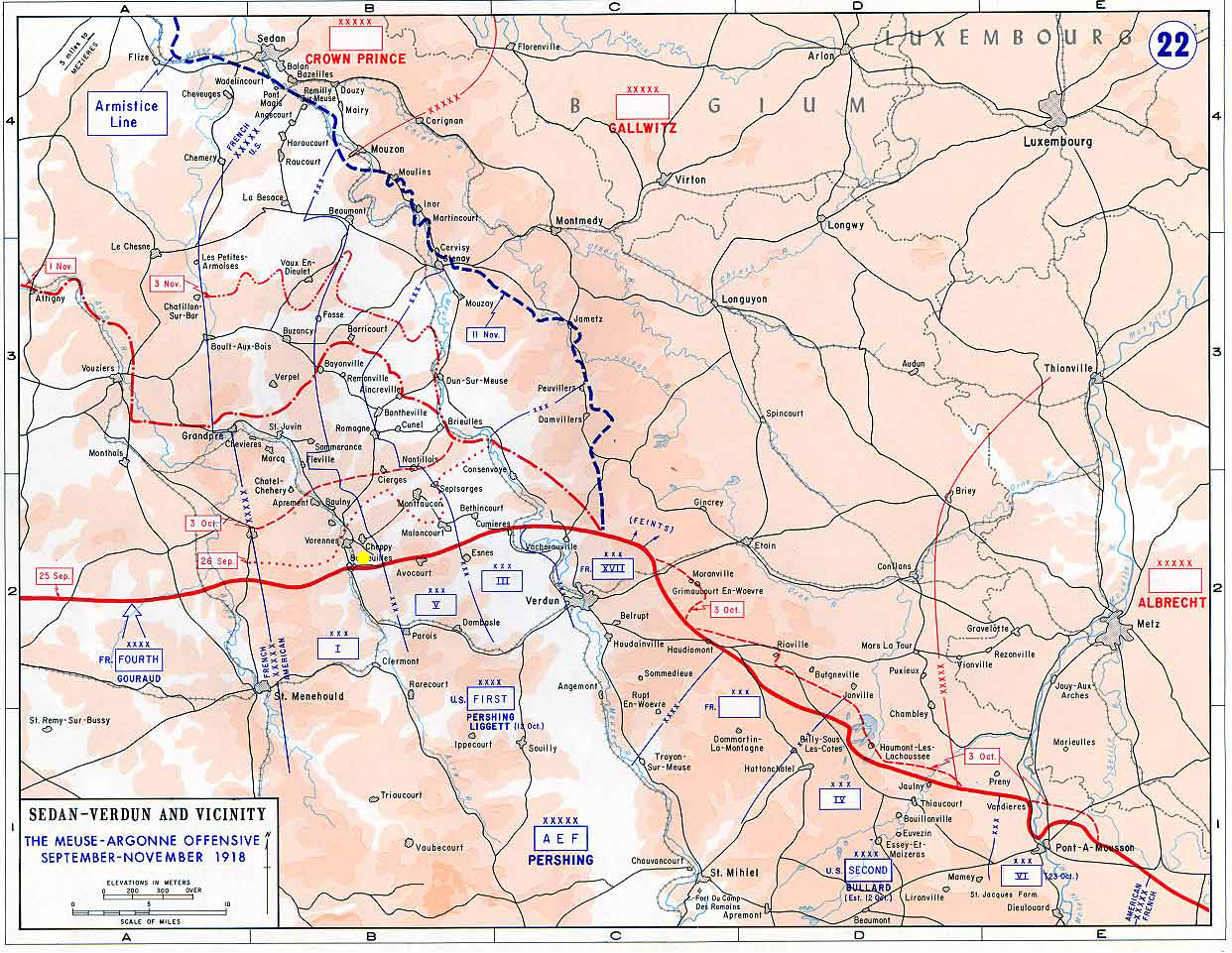
The Meuse-Argonne Offensive of 1918 was America's bloodiest battle, claiming over 26,000 lives in 47 days of hellish combat. German machine gun nests turned the dense forest into a killing field, where advancing meant almost certain death. Yet in this nightmare landscape, extraordinary men found ways to do the impossible.
Cukela's heroics occurred on October 8, 1918, during some of the fiercest fighting of the entire war. His actions that day would earn him both the Army and Navy Medal of Honor—a distinction held by fewer than 20 men in American history.
From Croatian Farm to American Trenches
Born Ljudevit Čukela in 1888, young Louis grew up in the rural village of Selište, Croatia. Like countless Europeans of his generation, he saw America as the land of opportunity. In 1913, he made the journey across the Atlantic with little more than hope and determination.
The language barrier proved formidable. Cukela struggled with English throughout his military service, often communicating through gestures and broken phrases. But what he lacked in words, he made up for in unwavering courage and an iron will.
When America entered the Great War, Cukela enlisted in the U.S. Marine Corps. The Marines saw something special in this quiet Croatian—a fierce loyalty and natural fighting instinct that transcended language barriers. By 1918, he was serving with the 5th Marines in France, about to face his defining moment.
Hell in the Argonne Forest
The Argonne Forest was a defender's paradise and an attacker's nightmare. German forces had spent years fortifying their positions with interconnected trenches, concrete bunkers, and strategically placed machine gun nests. Every ridge and ravine had been turned into a killing field.
By October 1918, American forces had been grinding forward for weeks, paying in blood for every yard gained. The dense undergrowth concealed German positions, while barbed wire entanglements channeled attacking troops into predetermined kill zones.
The 66th Company found themselves pinned down by devastating machine gun fire from German positions. Multiple attempts to advance had failed, leaving dead and wounded Marines scattered across the forest floor. Something had to be done, or the entire advance would collapse.
One Man's Impossible Charge
What happened next defies military logic but exemplifies the Marine Corps' fighting spirit. Sergeant Louis Cukela looked at the German positions, fixed his bayonet, and made a decision that would echo through history.
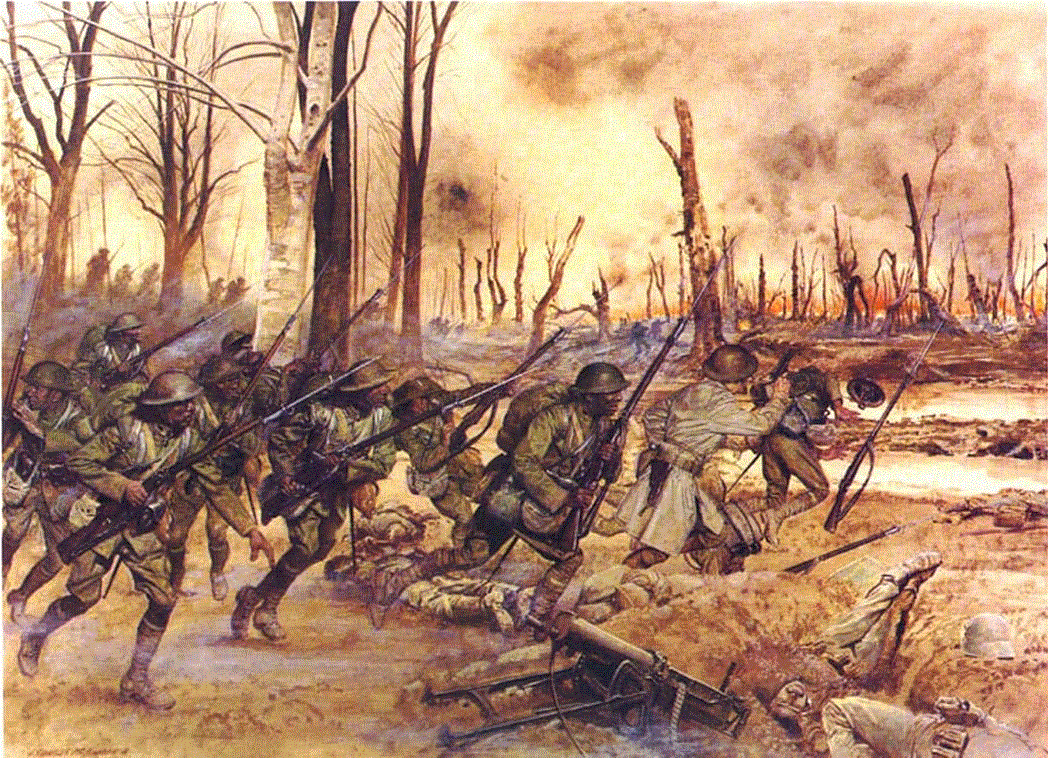
Alone, without orders, Cukela charged directly at the enemy machine gun nests. German gunners turned their weapons on this lone figure crashing through the underbrush, but somehow their bullets found only air. Cukela reached the first position and went to work with his bayonet.
One by one, he silenced the German guns. When his bayonet broke, he used grenades captured from dead Germans. When the grenades ran out, he fought with his bare hands. By the time other Marines reached his position, Cukela had single-handedly eliminated the machine gun nests that had pinned down his entire company.
The Price of Heroism
Cukela's charge didn't come without cost. German bullets and shrapnel wounded him multiple times during his assault, but he refused evacuation until the position was secure. His actions broke the German defensive line and allowed his company to advance.
Like other forgotten heroes throughout American military history, Cukela's story was often overshadowed by more famous names. Yet his impact on the Argonne battle was no less significant than Alvin York's legendary exploits just days later.
The comparison is striking: both men were immigrants or from immigrant families, both faced seemingly impossible odds, and both achieved the extraordinary through sheer determination and courage.
Recognition and the Medal of Honor
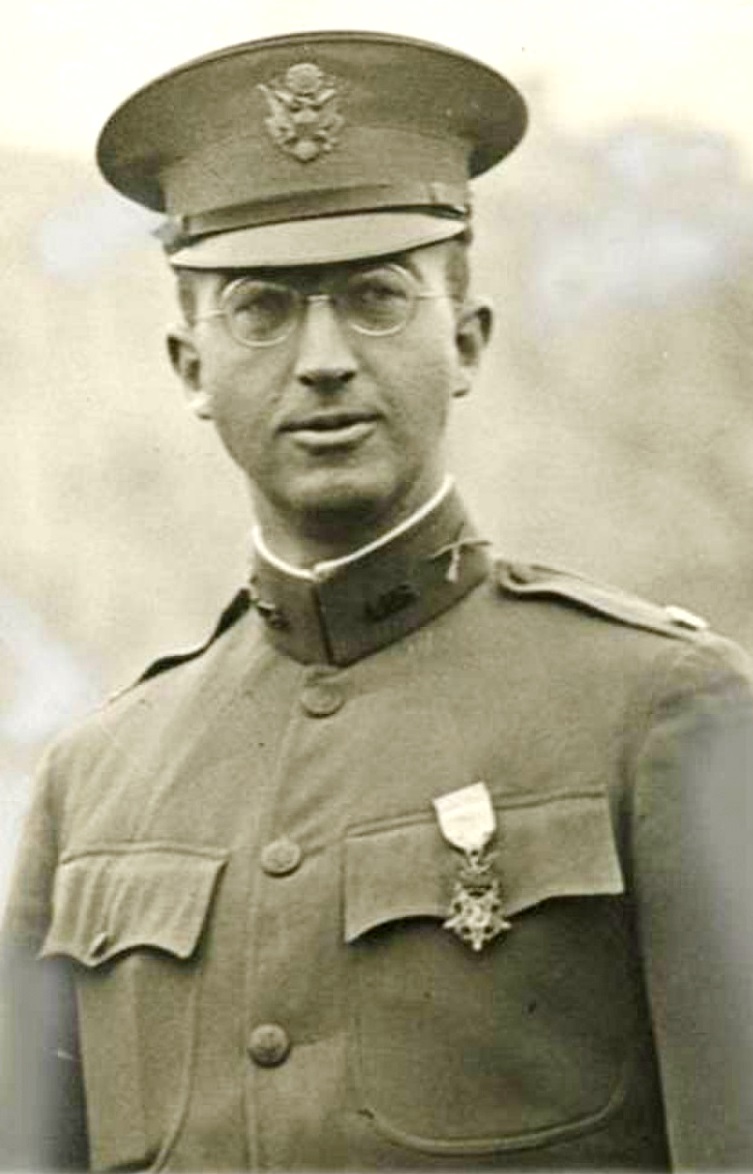
Louis Cukela's heroism earned him the unprecedented honor of receiving both the Army and Navy Medal of Honor for the same action. His citation reads like something from a Hollywood script, yet every word describes real events witnessed by his fellow Marines.
The ceremony recognizing his valor came later, but his fellow Marines knew immediately they had witnessed something special. After the war, Cukela remained in the Marine Corps, eventually retiring as a Major after serving his adopted country for over two decades.
His post-war career included service in Haiti and Nicaragua, proving that his Argonne heroics weren't a one-time occurrence but part of a pattern of exceptional leadership and courage under fire.
Why We Should Remember Louis Cukela
Louis Cukela's story embodies the best of the American immigrant experience. Here was a man who could barely speak English but spoke fluently in the universal language of courage and sacrifice. His actions remind us that heroism knows no language barriers.
In our modern military, immigrants continue to serve with distinction, following in Cukela's footsteps. His legacy lives on in every naturalized citizen who takes the oath of enlistment, proving that American values can inspire extraordinary acts of valor regardless of birthplace.
Cukela deserves recognition alongside York, Pershing, and other Great War legends. His story proves that sometimes the quietest voices produce the loudest actions when freedom hangs in the balance.
What stories of forgotten heroes inspire you most? Share your thoughts in the comments below, and help us keep these remarkable tales of courage alive for future generations. Every hero deserves to be remembered.