The name "Cisterna" sends chills down the spine of any Ranger who knows their history. What started as a bold special operations mission behind German lines became a nightmare that claimed 767 Rangers. But from that disaster emerged a story of such incredible courage that it transformed tragedy into legend.
The Disaster at Cisterna: When Rangers Walked Into Hell
Operation Shingle, the Allied landing at Anzio in January 1944, was supposed to outflank German defenses and open the road to Rome. Instead, it became a bloody stalemate that lasted four grueling months. The beachhead turned into a death trap, with German artillery raining down from the surrounding hills.
On January 30, 1944, two Ranger battalions received what seemed like a straightforward mission: infiltrate behind enemy lines and capture the town of Cisterna. The 1st and 3rd Ranger Battalions, elite units with proven track records, would spearhead the assault.
But the Germans were waiting. They had anticipated exactly this kind of move and prepared accordingly. As dawn broke, 767 Rangers found themselves surrounded, outgunned, and fighting for their lives in what would become one of the most devastating defeats in Ranger history.
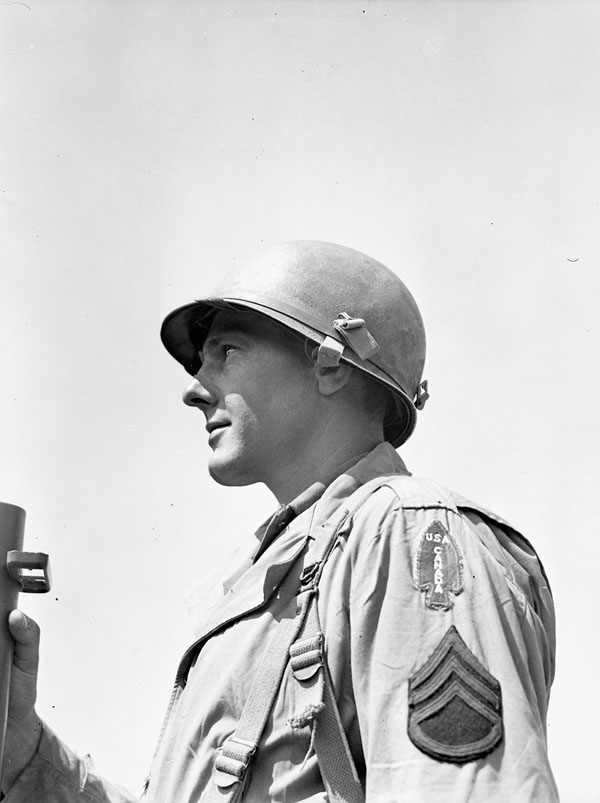
Meet Sergeant Sylvester Antolak: The Heart of a Hero
Sylvester Antolak wasn't supposed to be a war hero. Born in 1916 to Polish immigrant parents in St. Clairsville, Ohio, he was just another small-town American who answered his country's call. Before the war, he worked ordinary jobs and lived an ordinary life.
The Army transformed him. Ranger training stripped away everything except the essential core of the man – and what remained was pure steel. Antolak possessed that rare combination of physical toughness and moral courage that separates true warriors from mere soldiers.
His fellow Rangers knew him as steady and reliable, the kind of NCO who led by example rather than shouting orders. He never sought glory or recognition. But when the moment came, something deeper than training took over – something that would echo through military history.
![[U.S. Army Medal of Honor with neck band]](https://pub-1a77e7db170042adb48eb7b660a445d6.r2.dev/pd-library/US_Army_Medal_of_Honor_with_neck_band_7e463d597a.jpg)
Three Machine Gun Nests, One Determined Sergeant
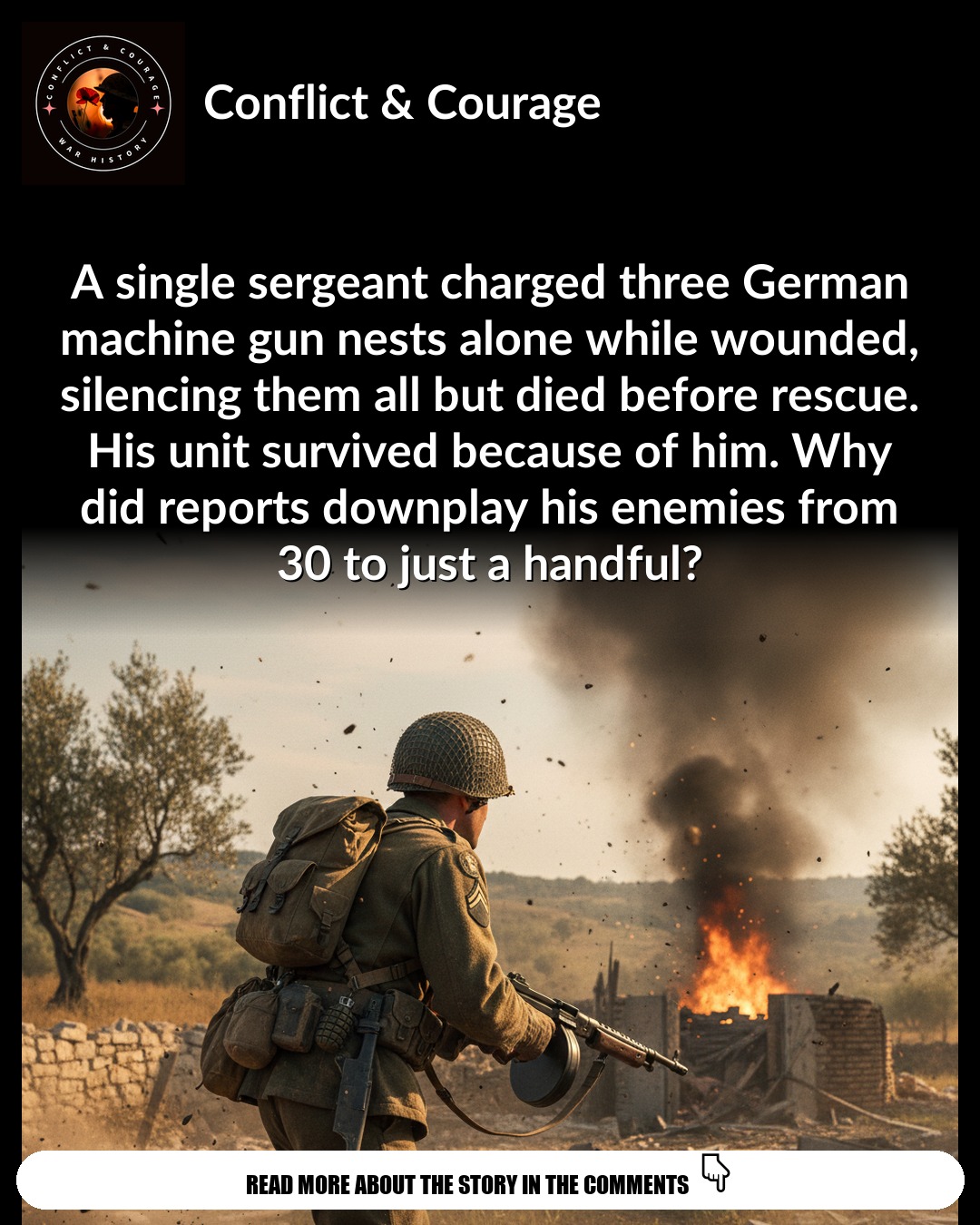
As German machine guns opened fire from multiple positions, Antolak's unit found itself pinned down in an irrigation ditch. Men were falling, and the situation was deteriorating rapidly. The tactical picture was grim: three MG-42 machine gun nests had them in a crossfire with no apparent escape route.
While others sought cover, Antolak made a decision that defied all military logic. He would charge the machine gun nests alone. Not because he had orders, not because he thought he could survive, but because his men were dying and someone had to act.
The first nest never saw him coming. Using terrain and the element of surprise, Antolak closed the distance and silenced the position with grenades and rifle fire. His fellow Rangers watched in amazement as their sergeant single-handedly eliminated the threat.
The second nest was ready for him. German bullets tore into Antolak's body, but he kept advancing. Wounded and bleeding, he pressed forward with the grim determination that would echo in countless other acts of heroism throughout military history.
The third nest would claim his life, but not before Antolak had given his unit the chance they needed. His final charge bought precious time and tactical advantage with the ultimate currency – his own life.
The German Perspective: Witnessing Courage Across Enemy Lines
German veterans of Cisterna later spoke of that morning with a mixture of horror and respect. They had witnessed something that transcended nationality and ideology – pure human courage in its rawest form.
The machine gunners who faced Antolak's assault described a man who seemed unstoppable, advancing through fire that should have dropped him instantly. Even hardened Wehrmacht soldiers were shaken by the display of individual determination they witnessed.
Years after the war, German survivors would still speak of the American sergeant who charged alone against impossible odds. In their accounts, Antolak became a figure of grudging admiration – an enemy they respected even as they fought against him.
Why Heroes Charge When Others Fall Back
What drives a man to charge three machine gun nests alone? The Ranger creed speaks of never leaving a comrade behind, but Antolak's actions went beyond even that sacred oath. In that moment, survival instinct merged with something deeper – an unwillingness to watch good men die when action might save them.
Military psychologists have studied such moments of extraordinary courage, trying to understand how ordinary people transcend human limitations. Training plays a role, but it's not the whole story. Something indefinable – call it character, honor, or simple love for fellow soldiers – takes over when everything else fails.
Antolak's decision wasn't calculated or strategic. It was instinctive, the product of a man who couldn't live with inaction while his brothers-in-arms faced death. Heroes like this appear throughout military history, united by their willingness to sacrifice everything for others.
Legacy of a Last Stand: Honor from Tragedy
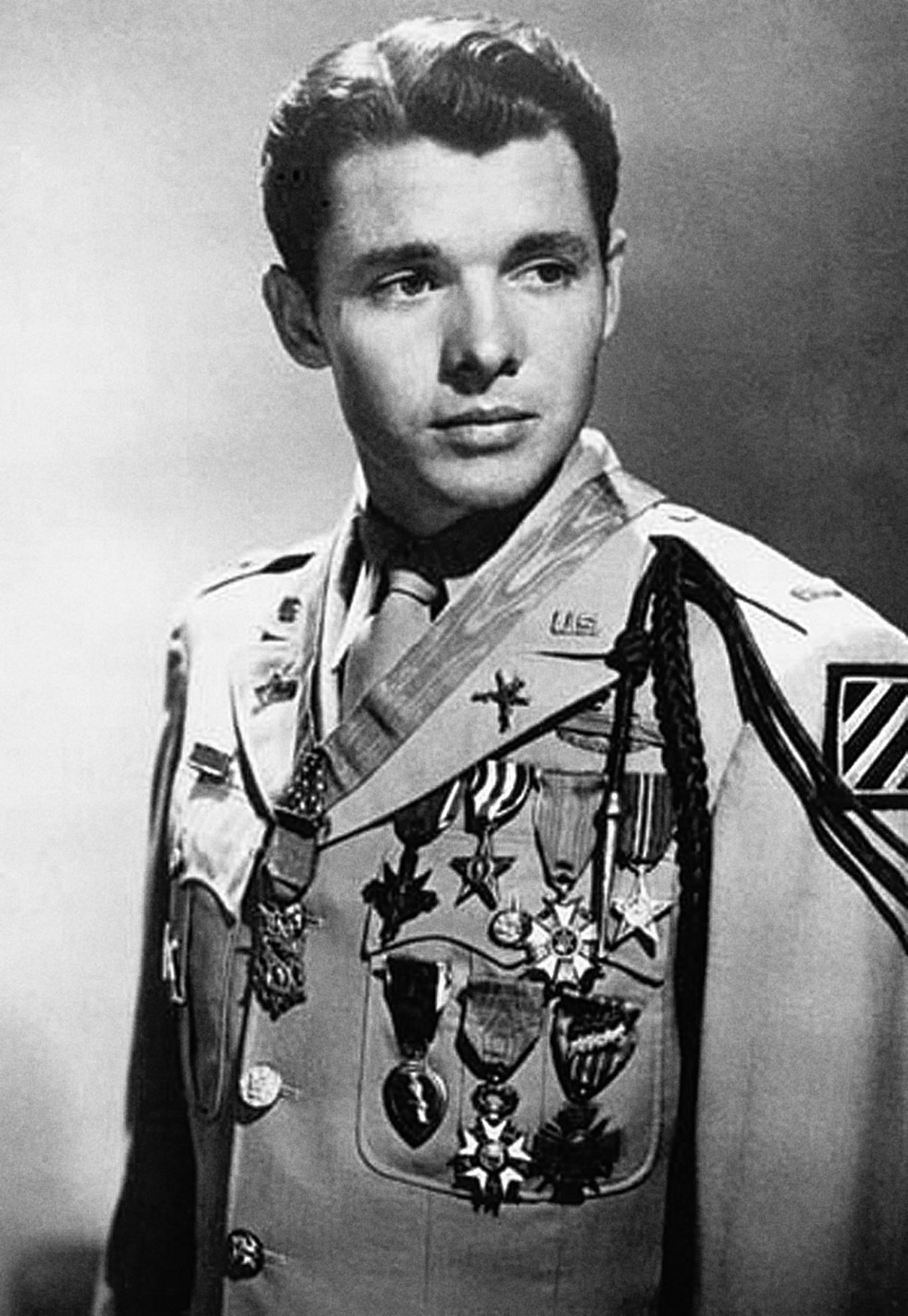
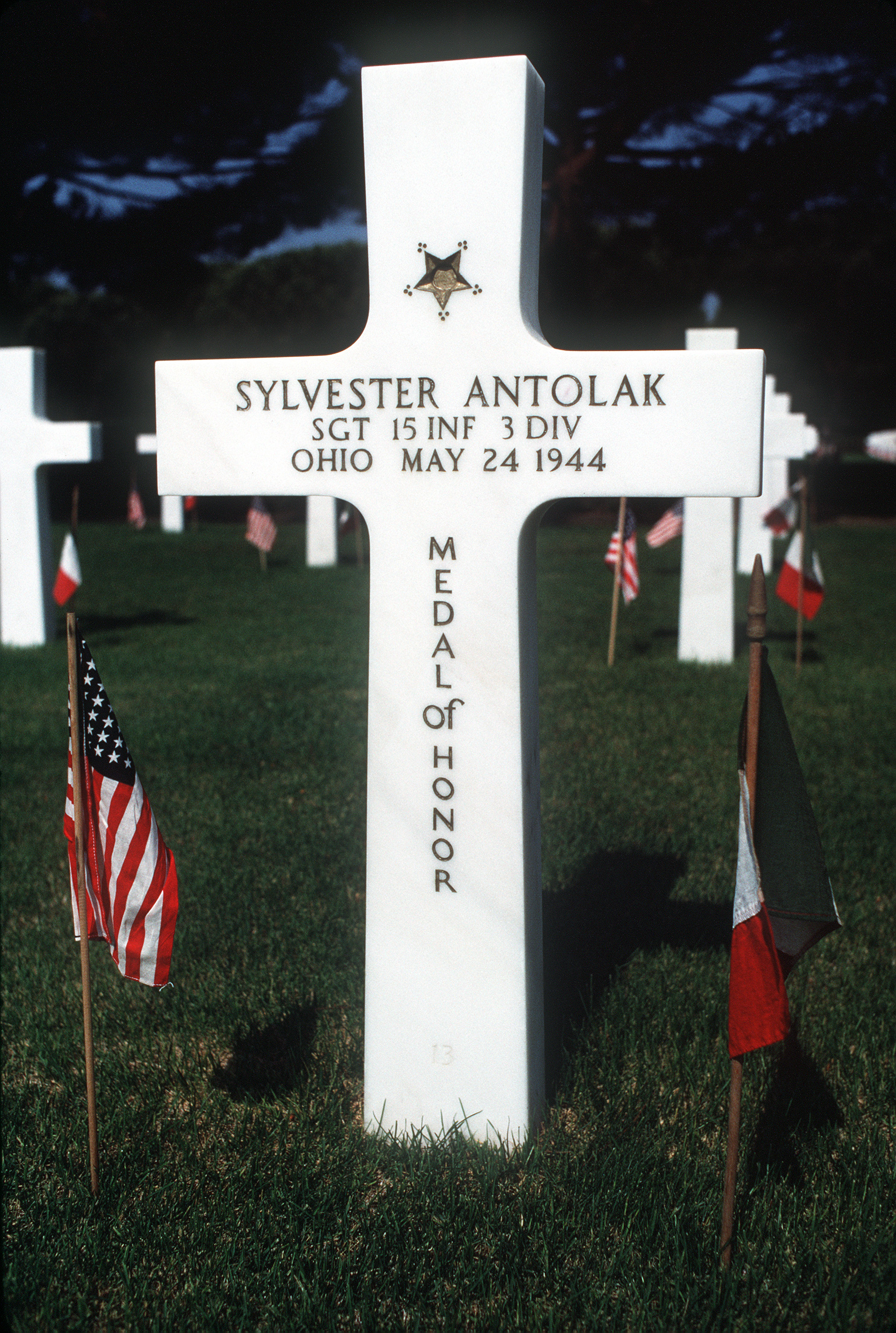
Sergeant Sylvester Antolak's Medal of Honor citation tells the bare facts of his final battle, but it cannot capture the full measure of his sacrifice. His actions at Cisterna exemplified the Ranger spirit even in defeat, proving that individual courage can shine brightest in the darkest moments.
The Rangers who survived Cisterna never forgot their sergeant's sacrifice. His example became part of unit tradition, a reminder that heroism isn't about surviving battles – it's about doing what's right regardless of the consequences.
Cisterna was a tactical disaster that claimed hundreds of Rangers, but it also produced stories of courage that would inspire future generations of special operations forces. Antolak's legacy lived on in every Ranger who wore the tab after him.
Lessons from the Italian Campaign: When Heroes Define History
The Italian campaign taught Allied forces harsh lessons about the cost of special operations behind enemy lines. Cisterna demonstrated that even elite units could be overwhelmed when intelligence failed and enemy preparation succeeded.
But the campaign also proved that individual courage could transform military disasters into moral victories. Stories like Antolak's remind us that battles are ultimately won or lost by individual soldiers making split-second decisions under fire.
Military historians study Cisterna for its tactical failures, but they remember it for its heroes. Antolak's last stand became part of Ranger lore, a testament to the kind of men who volunteer for the most dangerous missions knowing they might not return.
What aspects of Sergeant Antolak's incredible courage resonate most with you? Have you heard similar stories of battlefield heroism from family members or fellow history enthusiasts?