The Night That Changed Everything
April 16, 1952. The hills of Korea erupted in chaos as Chinese forces launched a fierce night assault on Marine positions. Corporal Duane Dewey and four fellow Marines huddled in their foxhole, rifles ready, as enemy soldiers swarmed toward them through the darkness.
The sounds of war filled the air—rifle fire, shouting, the whistle of incoming mortar rounds. Then came the metallic ping that every Marine dreaded. A live grenade had landed squarely in their foxhole, its fuse already cooking off.
Four Marines stared death in the face. They had seconds before the explosion would tear them all apart. In that frozen moment, one young Marine from Michigan made a decision that would define heroism itself.
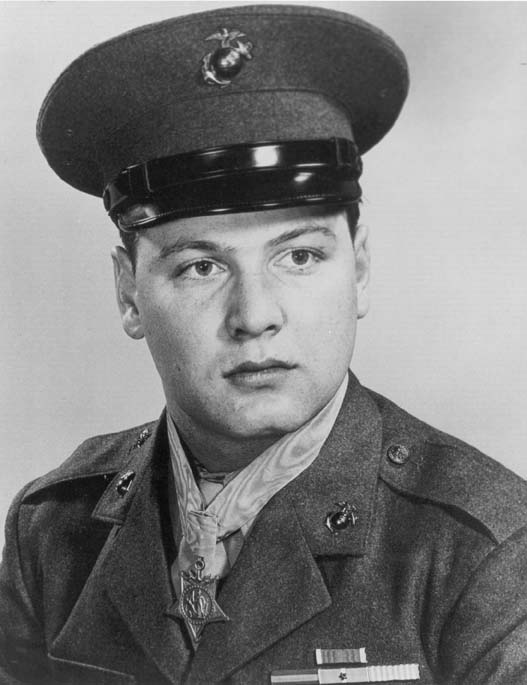
Duane Dewey: The Marine Behind the Medal
Duane Edgar Dewey wasn't born to be a hero—he was made into one. The 22-year-old from Grand Rapids, Michigan, had joined the Marine Corps like thousands of other young Americans, seeking purpose and adventure in the aftermath of World War II.
His path to the Korean frontlines was typical of his generation. High school, enlistment, training at Parris Island, then deployment to a war most Americans barely understood. But Dewey possessed something that training couldn't teach—an instinctive willingness to put others before himself.
Fellow Marines remembered him as steady under pressure, the kind of guy who volunteered for dangerous patrols without fanfare. He wasn't the loudest Marine in the barracks or the biggest. He was simply reliable when everything else fell apart.
The Ultimate Sacrifice That Wasn't
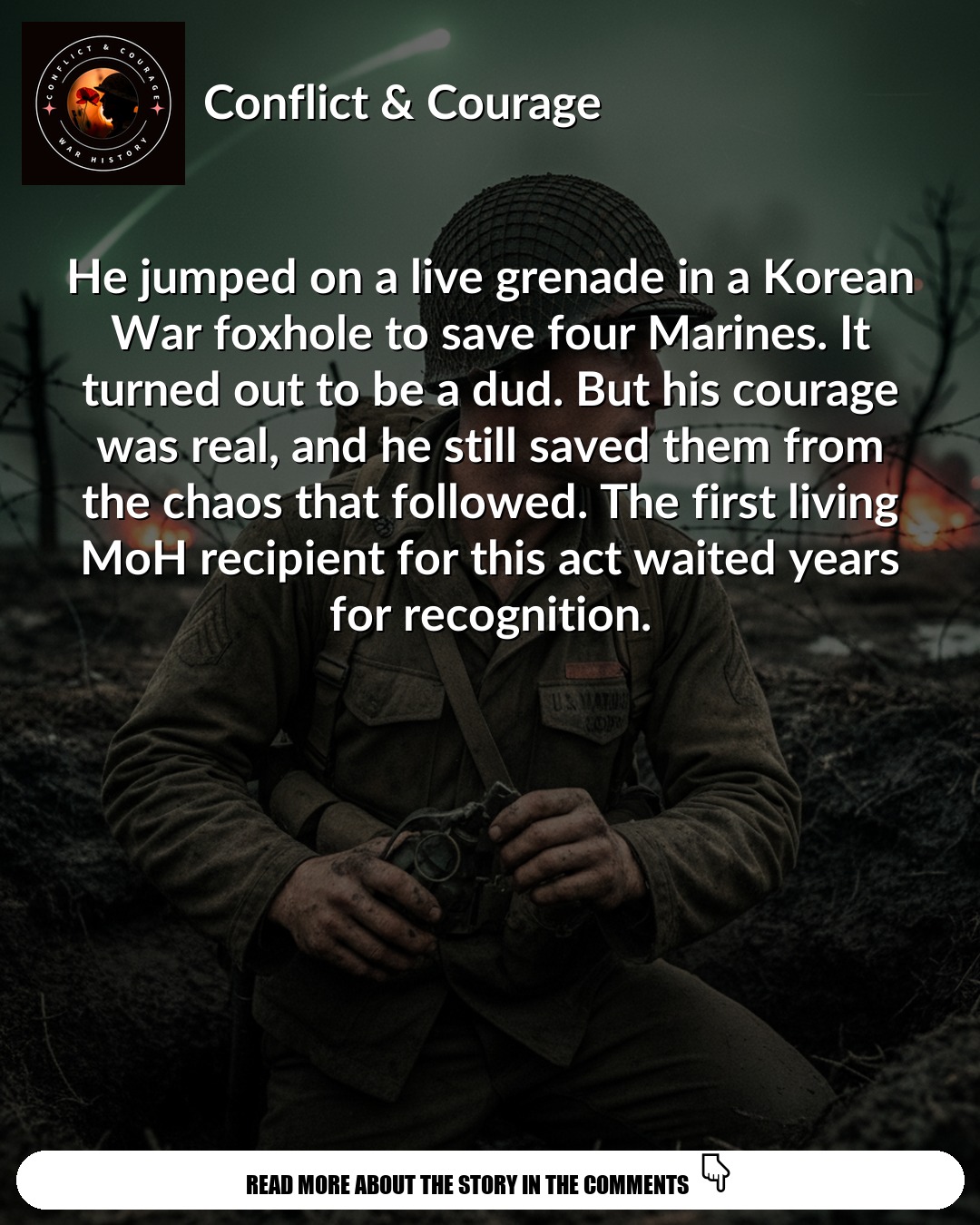
When that grenade hit the foxhole floor, Dewey's training took over. Without hesitation, he grabbed the deadly device and sprinted outside, carrying death itself in his bare hands.
Racing away from his squad, Dewey made another split-second decision. He placed his steel helmet over the grenade, then threw his body on top, using himself as a human shield. Every Marine knew the math—grenades kill everything within a five-meter radius.
Then came the miracle that saved his life. The grenade was a dud. Instead of exploding with lethal force, it simply fizzled out beneath his helmet. Dewey had gambled everything on saving his squad, and somehow, impossibly, he'd survived.
But the night wasn't over. As Chinese troops continued their assault, shrapnel from other explosions tore into Dewey's body, wounding him severely despite his incredible luck with the dud grenade.
Wounded but Victorious
Blood streaming from multiple shrapnel wounds, Dewey crawled back to his position. His selfless act had saved four Marines, but the battle raged on around them. The Chinese attack eventually faltered, but not before leaving its mark on every defender.
Dewey's wounds required immediate medical attention, but all four Marines in that foxhole went home alive because of his actions. In the brutal mathematics of war, trading potential death for actual survival made him a hero in the truest sense.
The aftermath brought recognition, medical treatment, and eventually, the nation's highest military honor. But it also brought something unexpected—decades of official silence about the full details of that night.
The Medal of Honor and the Mystery
On April 12, 1954, President Dwight D. Eisenhower presented Duane Dewey with the Medal of Honor. The citation praised his "conspicuous gallantry and intrepidity at the risk of his life above and beyond the call of duty."
Yet something was missing. The Marine Corps had classified Dewey's full after-action report, burying crucial details about the incident for decades. Why would the military hide a story of such clear-cut heroism?
The classification wasn't about protecting military secrets or operational security. Instead, it reflected the Corps' discomfort with the randomness of war—how luck, as much as courage, determined who lived and died. Like other classified military records, Dewey's full story revealed uncomfortable truths about combat that officials preferred to keep quiet.
Why Heroes Like Dewey Matter Today
Dewey's story illuminates the psychology of battlefield heroism. Like Desmond Doss at Hacksaw Ridge, he acted on pure instinct, without calculating odds or considering consequences.
These split-second decisions reveal something profound about human nature—how ordinary people become extraordinary when others depend on them. Dewey wasn't superhuman. He was simply willing to accept certain death to save his squad.
The dud grenade that saved his life doesn't diminish his courage. If anything, it emphasizes the incredible risk he took, knowing full well that grenades don't usually fail to explode. His willingness to die for others remains the same whether he lived or died in the attempt.
Uncovering the Classified Truth
When military records were finally declassified years later, they revealed the full scope of that April night in Korea. The Chinese assault was larger than initially reported, the Marine positions more precarious, and Dewey's actions even more crucial to his unit's survival.
The classified reports showed how close his entire squad came to being overrun. Like other Korean War heroes, Dewey's actions represented a turning point in a desperate situation.
Military classification often protects operational details, but in Dewey's case, it seemed designed to control the narrative of heroism itself. The full story, with all its messy realities and miraculous coincidences, was somehow less palatable than the sanitized official version.
Duane Dewey's legacy extends far beyond that classified report. His story reminds us that heroes aren't born—they're forged in moments when ordinary people choose to do extraordinary things, regardless of the consequences.
What other classified military stories deserve to be told? Share your thoughts in the comments below, and help us honor the heroes whose full stories remain buried in government files.