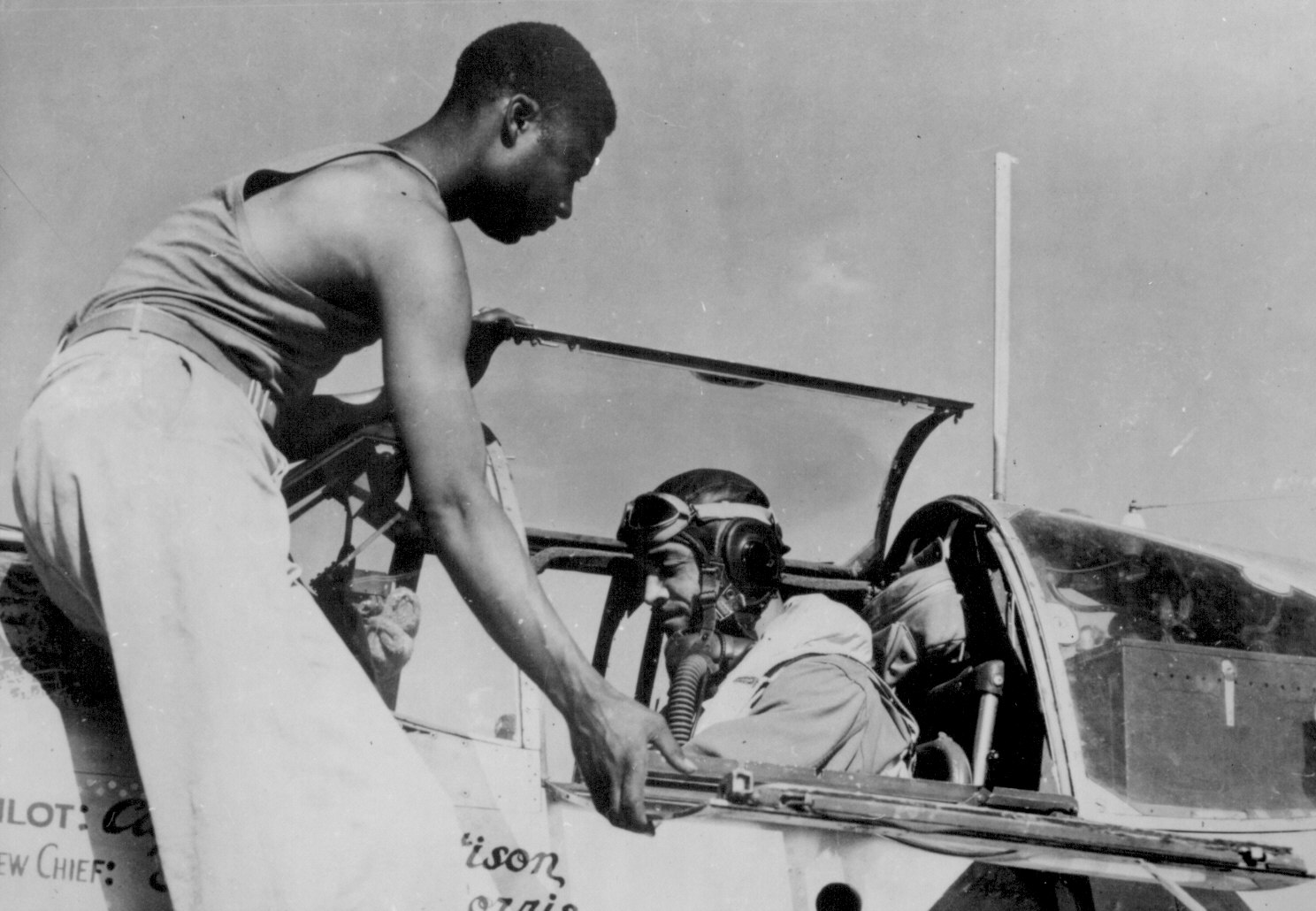
On a frozen mountainside in North Korea, two Navy pilots wrote one of the most powerful stories of brotherhood ever witnessed in combat. Jesse Brown and Tom Hudner's friendship transcended the racial barriers of 1950s America, culminating in an act of heroism that would define true military valor for generations.
Breaking Barriers in Navy Blue
Jesse LeRoy Brown didn't just dream of flying — he soared despite every obstacle placed in his path. Born in Mississippi in 1926, Brown faced the harsh realities of Jim Crow segregation while nurturing an impossible dream: becoming a naval aviator.
The Navy had never commissioned a Black pilot. Period. But Brown possessed something that couldn't be taught — an unwavering determination that would crack open doors previously welded shut.
At Pensacola Naval Air Station in 1948, Brown endured more than flight training. He faced isolation, prejudice, and the weight of representing his entire race. Fellow trainees often refused to speak with him. Instructors questioned whether he belonged there at all.
Yet Brown persevered, earning his wings in 1949 as the Navy's first African American aviator. His assignment to Fighter Squadron 32 (VF-32) brought him to the carrier USS Leyte — and into the path of history.
Warriors Forged in Fire
Tom Hudner couldn't have been more different from Jesse Brown. A white officer from Massachusetts, Hudner came from privilege and graduated from the Naval Academy in 1946. What brought these two men together wasn't background — it was character.
In VF-32, Hudner saw past Brown's skin color to recognize a gifted pilot and genuine person. Their friendship developed naturally, built on mutual respect and shared dedication to their dangerous profession.
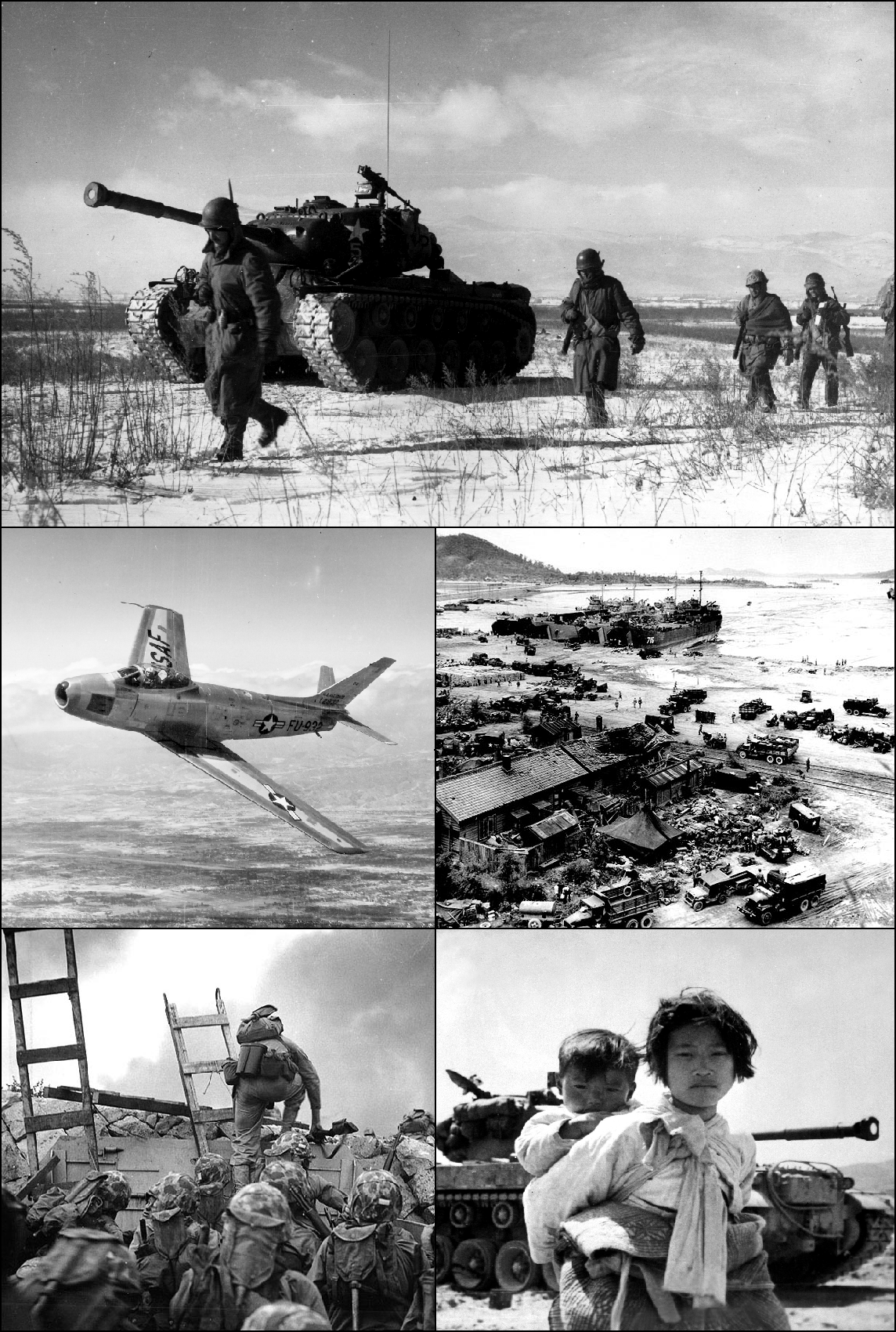
Flying F4U Corsairs over the frozen landscape of North Korea in late 1950, both men proved their mettle in combat. Brown's skill in the cockpit earned respect from even his harshest critics. Hudner, meanwhile, demonstrated the steady leadership that made him a natural wingman.
The bond between wingmen goes beyond friendship — it's a sacred trust where each pilot literally holds the other's life in his hands.
December 4th, 1950: When Everything Changed
The morning mission seemed routine enough — close air support for Marines fighting near the Chosin Reservoir. But routine could turn deadly in seconds over enemy territory.
Brown's Corsair took hits from enemy ground fire while strafing Chinese positions. His engine began leaking oil, then seized completely. With no power and enemy forces below, Brown faced every pilot's nightmare: a forced landing behind enemy lines.
The F4U slammed into the mountainside with bone-crushing force. Brown survived the impact but found himself trapped in the twisted wreckage, his leg pinned beneath the instrument panel.
Above, Hudner circled desperately, watching smoke begin to curl from his wingman's cockpit. The enemy was closing in fast.

The Ultimate Act of Brotherhood
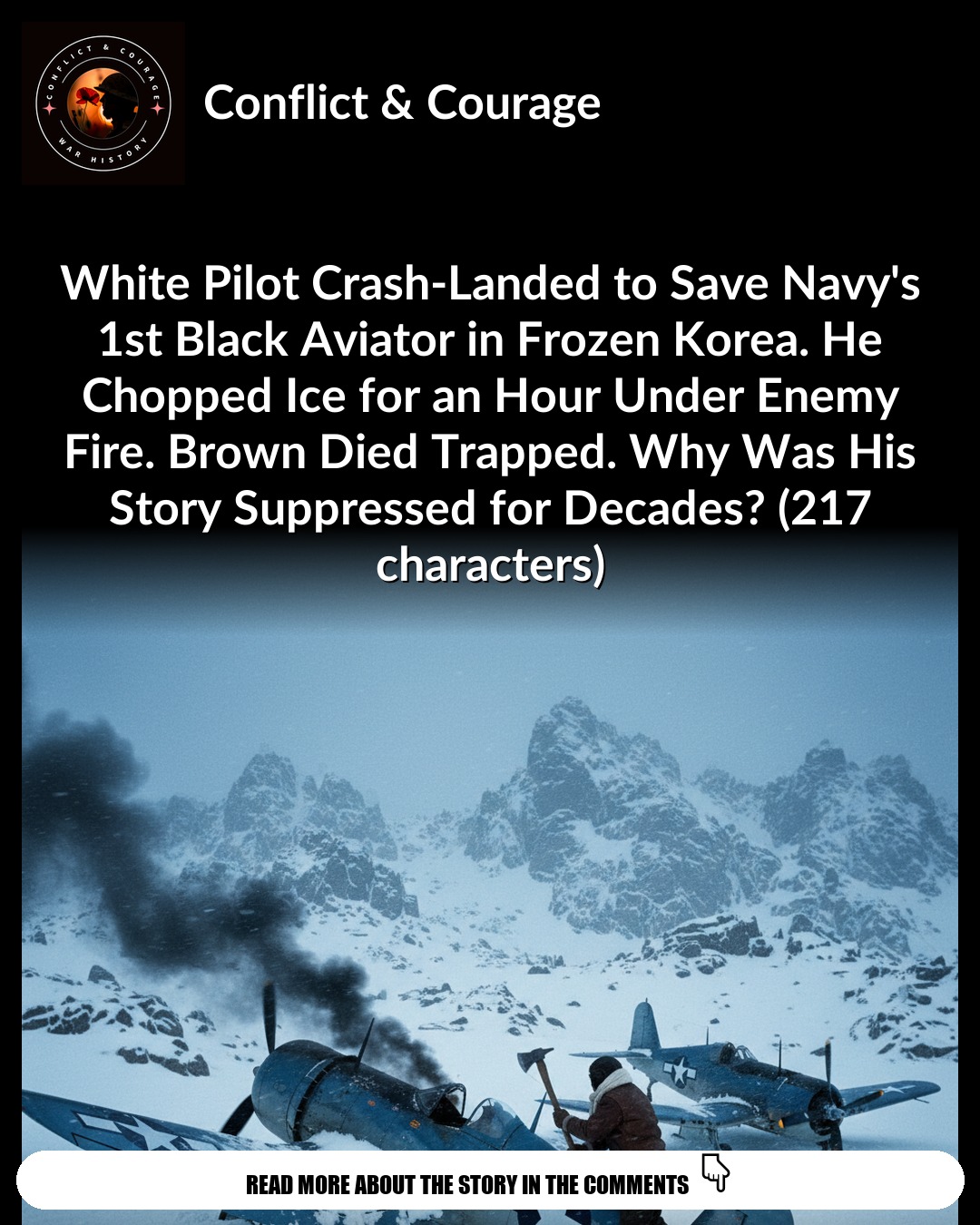
What Tom Hudner did next defied every rule of military aviation — and redefined heroism itself. Against all protocols, he deliberately crash-landed his perfectly functioning Corsair beside Brown's wreckage.
The temperature hovered at twenty below zero. Enemy soldiers were advancing through the snow. Hudner grabbed a fire axe from his survival kit and began the desperate work of freeing his trapped friend.
For over an hour, Hudner chopped at ice and twisted metal while Brown drifted in and out of consciousness. The cockpit continued smoldering. Radio calls urged immediate evacuation.
When a rescue helicopter finally arrived, the pilot couldn't extract Brown without proper equipment. As darkness fell and enemy forces closed in, Hudner faced the agonizing decision to leave his wingman behind. Brown's final words were a message for his wife Daisy.

Heroes Recognised, Stories Buried
Tom Hudner received the Medal of Honor with remarkable speed — President Truman presented it just four months later. The ceremony celebrated his extraordinary courage, but something was missing from the official narrative.
Jesse Brown's story remained largely untold. The Navy, still grappling with integration, seemed uncomfortable highlighting a Black hero's sacrifice. Brown's courage was acknowledged but not celebrated with the same vigor.
This reflected the broader racial attitudes of 1950s America, where military institutions struggled to reconcile heroism with prejudice. Stories like those of Henry Johnson, who waited nearly a century for proper recognition, were all too common.
The full truth of both men's heroism would take decades to properly emerge and receive the recognition it deserved.
Legacy of Courage Beyond Colour
In 1973, the Navy commissioned the USS Jesse L. Brown, making it the first ship named for an African American naval officer. This honor represented long-overdue recognition of Brown's groundbreaking service and ultimate sacrifice.
Tom Hudner spent his life ensuring his wingman's memory lived on. He advocated tirelessly for Brown's recognition, understanding that their story represented something larger than individual heroism — it showed what America could become when brotherhood transcended color.
Their tale offers profound lessons for modern military leaders about genuine integration, where character matters more than appearance. Like other heroes such as Clarence Sasser and Sammy Davis, Brown and Hudner proved that courage knows no racial boundaries.
Remembering True Brotherhood
The Brown-Hudner story fundamentally changed how the military understands brotherhood and sacrifice. Their friendship demonstrated that true military bonds transcend every social barrier when forged in the crucible of combat.
Their legacy challenges comfortable narratives about race in warfare, showing how prejudice robbed America of celebrating all its heroes equally. It reminds us that courage appears in every color, creed, and background.
For today's veterans and military families, Jesse Brown and Tom Hudner represent the highest ideals of service — where doing right matters more than following convention, and where brotherhood means risking everything for your wingman.
Their story continues inspiring new generations of military aviators who understand that when you're flying combat missions, the only color that matters is the blue of your uniform and the red, white, and blue of your flag.