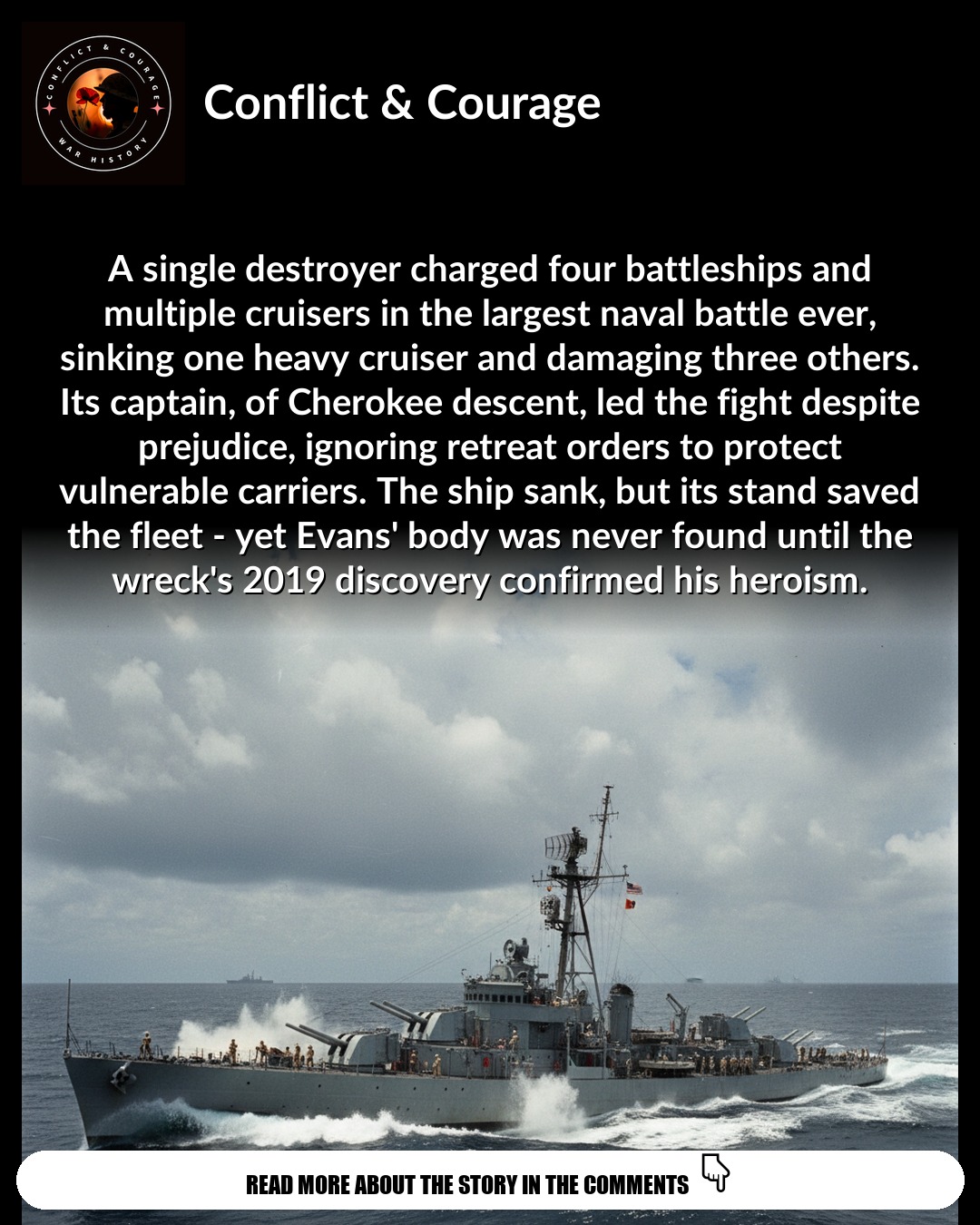
Picture this: a single American destroyer charging headfirst into the most powerful battleship ever built, knowing full well it's a suicide mission. That's exactly what happened on October 25, 1944, when Captain Ernest Evans made a decision that would echo through naval history forever.
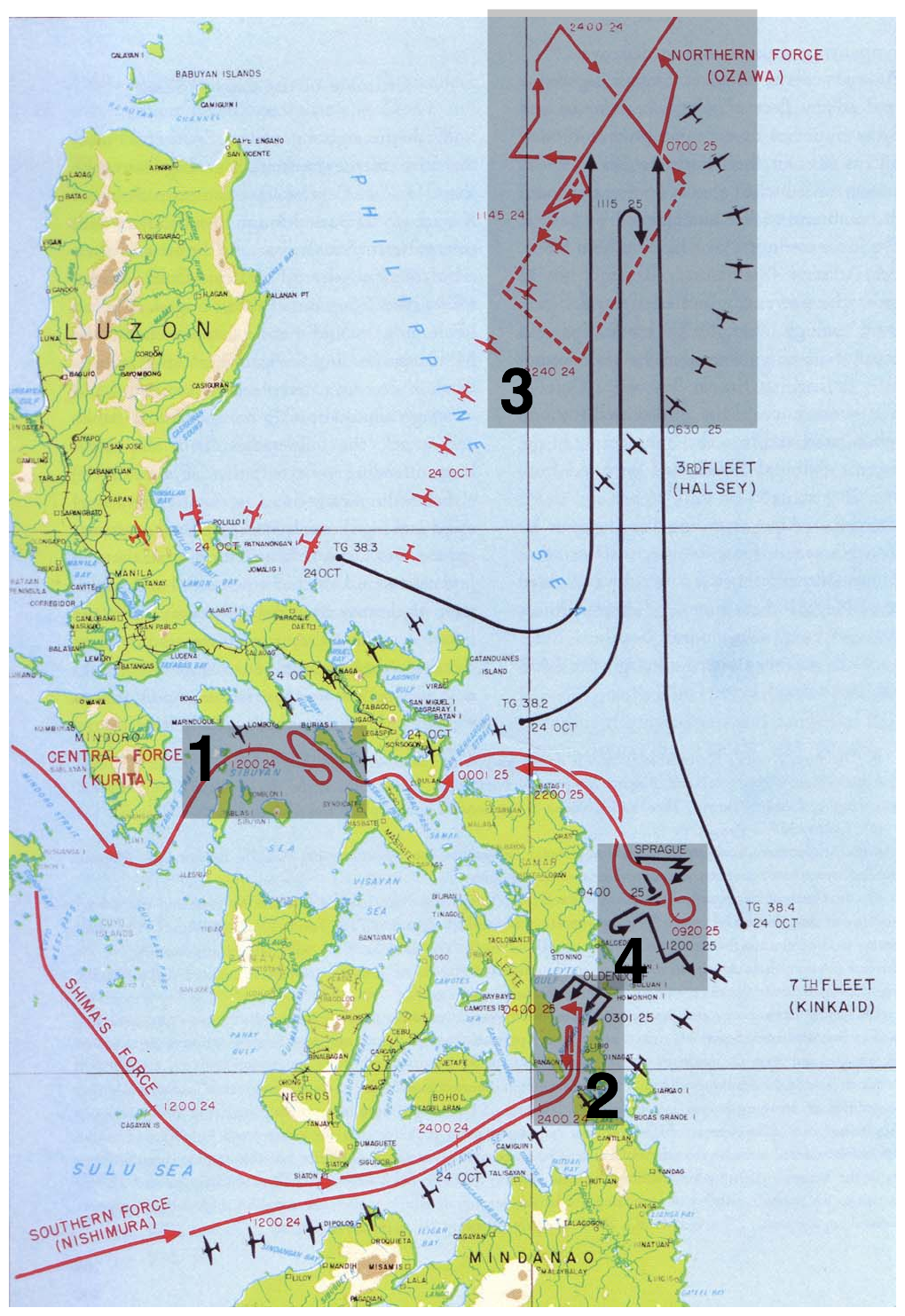
The Impossible Odds at Samar: October 25, 1944
The morning sun barely kissed the Philippine waters when Taffy 3's lookouts spotted the unthinkable. Admiral Kurita's Center Force had broken through – four massive battleships including the legendary Yamato, six heavy cruisers, and destroyers were bearing down on their tiny escort carriers.
What should have been a routine morning patrol suddenly became the naval equivalent of David facing Goliath. Taffy 3's "baby flattops" weren't built for this fight – they were slow, lightly armored, and designed to support ground troops, not duke it out with the Imperial Japanese Navy's finest.
The math was brutal. The Japanese guns could reach out and touch American ships from distances the escorts could only dream of. Every officer on every bridge knew the score, but sometimes knowing the odds just makes heroes shine brighter.
Captain Ernest Evans: The Man Behind the Legend
Ernest Evans wasn't your typical 1940s Navy officer. As a Cherokee from Oklahoma, he'd already broken barriers just by reaching command rank in a military that wasn't exactly rolling out the welcome mat for Native Americans.
His crew knew him as a scrapper who led from the front. Evans had a reputation for aggressive tactics and an unshakeable loyalty to his sailors. When other captains played it safe, Evans pressed the attack.
That morning off Samar, all those character traits that made Evans different – his fighting spirit, his protective instincts, his refusal to back down – would be put to the ultimate test. Like other forgotten heroes throughout military history, from WWI's Marcelino Serna to countless others, Evans embodied courage that transcended conventional expectations.
Against Orders: The Decision to Attack
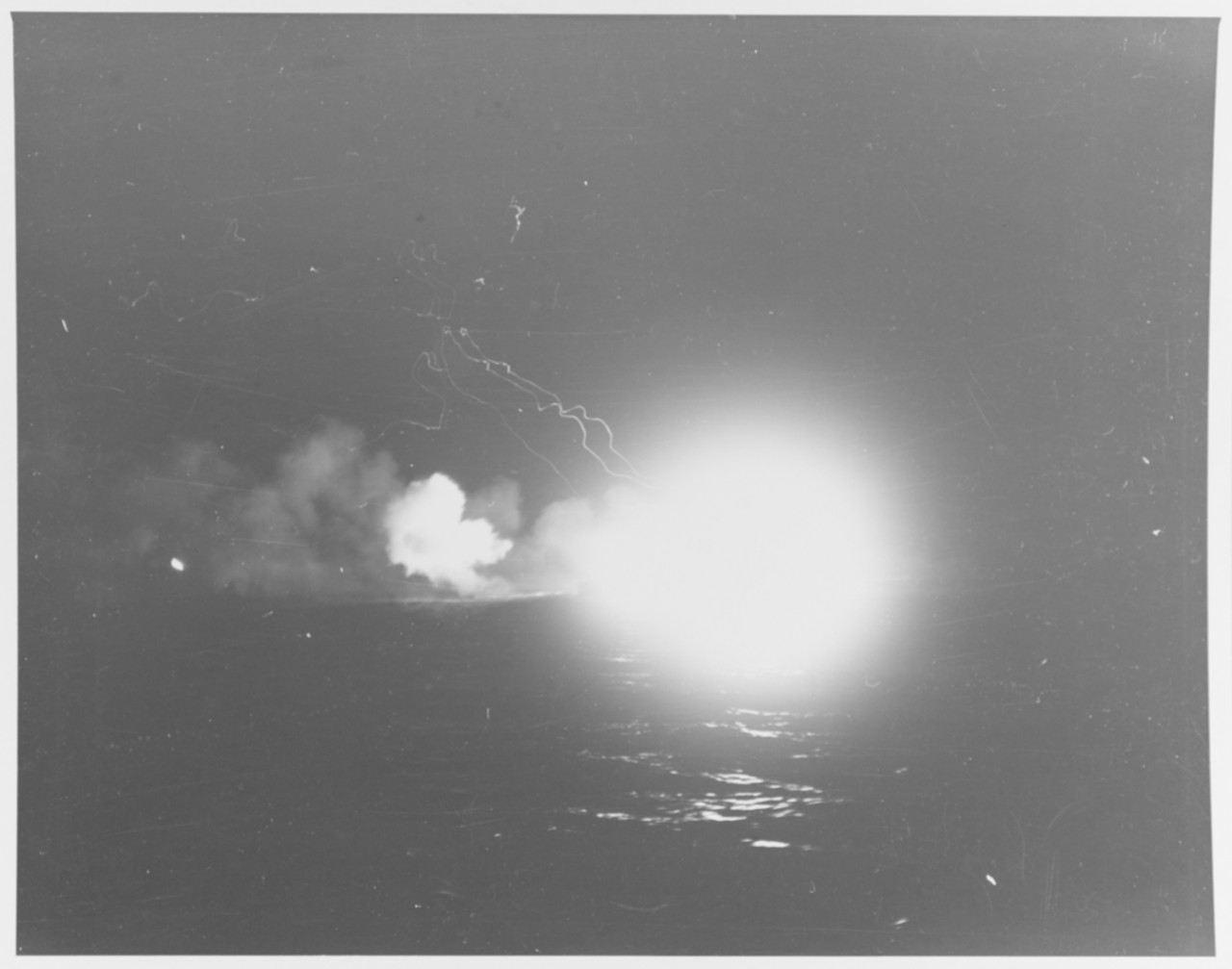
When the carriers turned south and ran for their lives, the destroyers received clear orders: make smoke and retreat. It was the sensible thing to do – live to fight another day, preserve what little firepower they had.
But Evans looked at those fleeing carriers, looked at the approaching Japanese giants, and made a choice that defied every tactical manual ever written. He ordered Johnston to turn toward the enemy fleet.
His crew must have thought their captain had lost his mind. One destroyer against the pride of the Imperial Navy? It was tactical suicide. But sometimes the most impossible decisions become the most necessary ones.
USS Johnston's Lone Charge
Picture Johnston – all 2,100 tons of her – racing toward Yamato's 73,000 tons of steel and fury. Evans pushed his destroyer to flank speed, her engines screaming as she closed the impossible gap.
Johnston's first torpedo salvo found its mark on heavy cruiser Kumano, sending the Japanese ship limping away from the fight. Her 5-inch guns, tiny compared to the enemy's massive rifles, blazed away at targets that could have swallowed her whole.
For precious minutes, Johnston fought like a ship ten times her size. Her crew worked their guns and engines beyond all reasonable limits, knowing they were buying time with their lives.
The Taffy 3 Destroyers Follow Suit
Johnston's impossible charge lit a fire under her sister ships. USS Hoel and the destroyer escort Samuel B. Roberts saw what Evans was doing and decided they couldn't let him fight alone.
What followed was naval history's most unlikely coordinated attack. Three small American warships threw themselves at an entire Japanese battle fleet, creating chaos that no admiral had ever planned for.
The Japanese, expecting easy pickings, suddenly found themselves dealing with torpedo wakes, smoke screens, and aggressive little ships that refused to die quietly. Confusion spread through Kurita's ranks as his neat battle formation dissolved.
Johnston's Final Fight
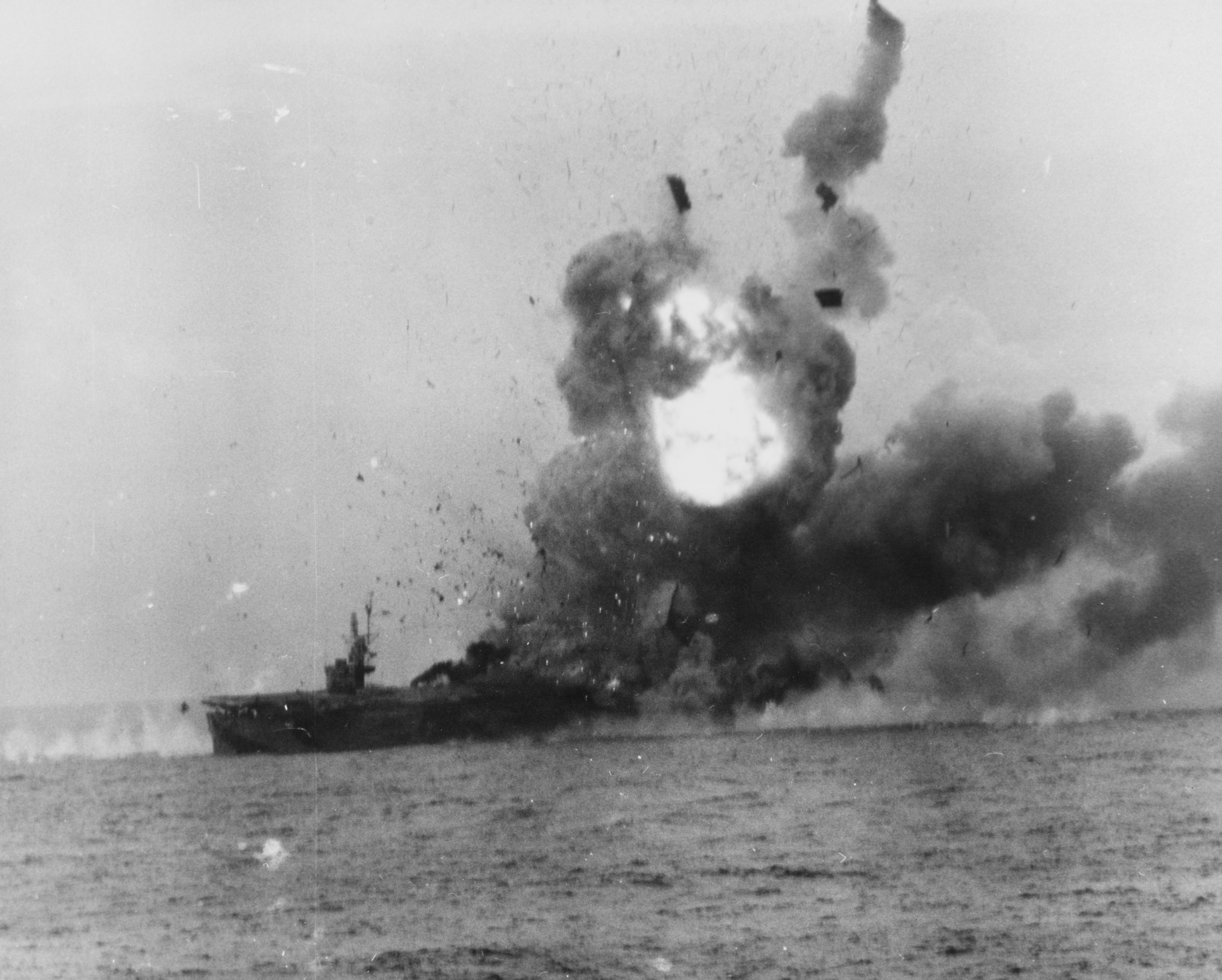
The Japanese battleships eventually found their range. Shell after shell crashed into Johnston, tearing away her superstructure, flooding her compartments, and silencing her guns one by one.
Captain Evans, wounded and bleeding, refused to leave his bridge. Even as his ship listed and burned around him, he kept fighting, kept maneuvering, kept buying those precious minutes for the carriers to escape.
When Johnston finally could fight no more, Evans was last seen on his bridge, standing at attention and saluting his flag as his ship slipped beneath the waves. Some acts of courage are so pure they transcend words.
Legacy of the 'Tin Can Sailors'
Johnston's sacrifice – along with her sister ships – saved Taffy 3 and changed the course of the Pacific War. Admiral Kurita, rattled by the ferocious resistance from such small ships, turned his fleet around just as victory seemed assured.
Captain Evans received the Medal of Honor posthumously, but his real legacy lives in the story itself. Like other extraordinary acts of valor, from Korean War heroes to countless forgotten warriors, Evans proved that courage isn't about the size of your ship – it's about the size of your heart.
His David-versus-Goliath stand reminds us that sometimes the most impossible fights are the most necessary ones, and that ordinary people can achieve extraordinary things when everything they hold dear hangs in the balance.
What do you think drove Captain Evans to make that impossible charge? Share your thoughts about this incredible story of naval courage, and let us know which military heroes inspire you most.