Picture this: June 21, 1813. Laura Secord is clearing dishes from her kitchen table when uninvited guests arrive. American officers have commandeered her home in Queenston, Upper Canada, treating her modest dwelling as their temporary headquarters. What happens next will change the course of the War of 1812.
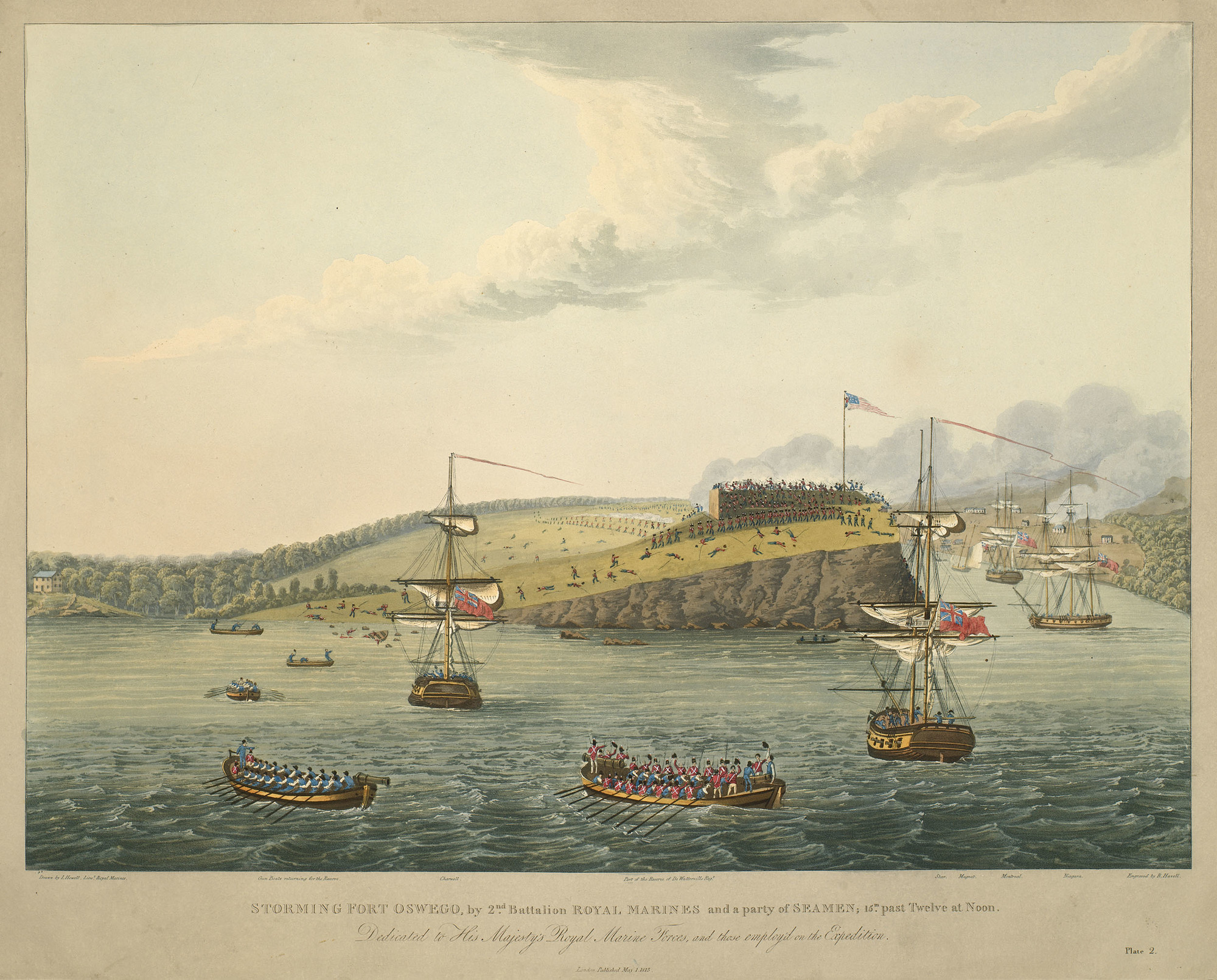
The Kitchen Table That Changed History
The Americans made a fatal miscalculation that evening. They saw Laura Secord as just another housewife—harmless, invisible, irrelevant to their military planning. While she moved quietly around her own kitchen, serving refreshments and tending to domestic duties, they discussed their upcoming assault on British forces at Beaver Dam.
Laura listened with growing alarm as the officers detailed their battle plans. Five hundred American soldiers would march on the British outpost, catching Lieutenant James FitzGibbon's small garrison completely off guard. The Americans were so confident in their superiority that they didn't bother lowering their voices around a "mere" woman.
That kitchen table conversation handed Laura Secord military intelligence that could save British lives—or doom them if she did nothing. The weight of this knowledge pressed down on her shoulders as the officers finally departed, leaving her alone with secrets that could determine the fate of the Niagara Peninsula.
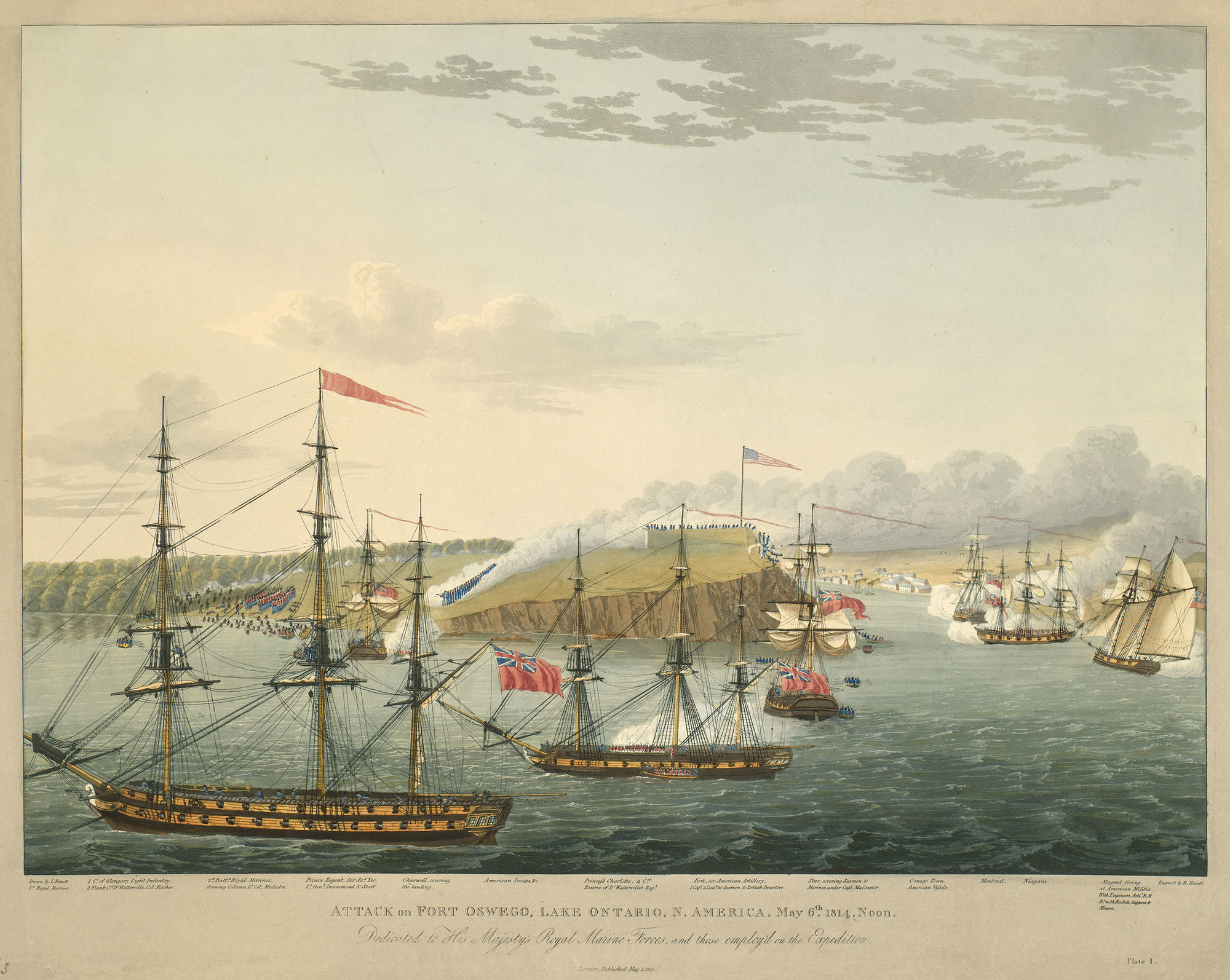
A Perilous Journey Through the Canadian Wilderness
Before dawn on June 22, Laura set out on what would become one of the most remarkable intelligence missions in Canadian history. She couldn't risk the main roads where American patrols might spot her, so she chose a treacherous route through swampland and dense forest.
For twenty grueling miles, she pushed through mud that sucked at her boots and brambles that tore at her long dress. Bears and wolves roamed these woods, but Laura pressed on, following ancient Native American trails that most settlers feared to travel. Every step was a gamble with her life.
She couldn't tell her wounded husband James about her mission—the fewer people who knew, the better. If captured, she would claim to be visiting her brother, a plausible cover story that might save her from charges of espionage. The physical toll was devastating, but Laura understood that 500 British lives hung in the balance.
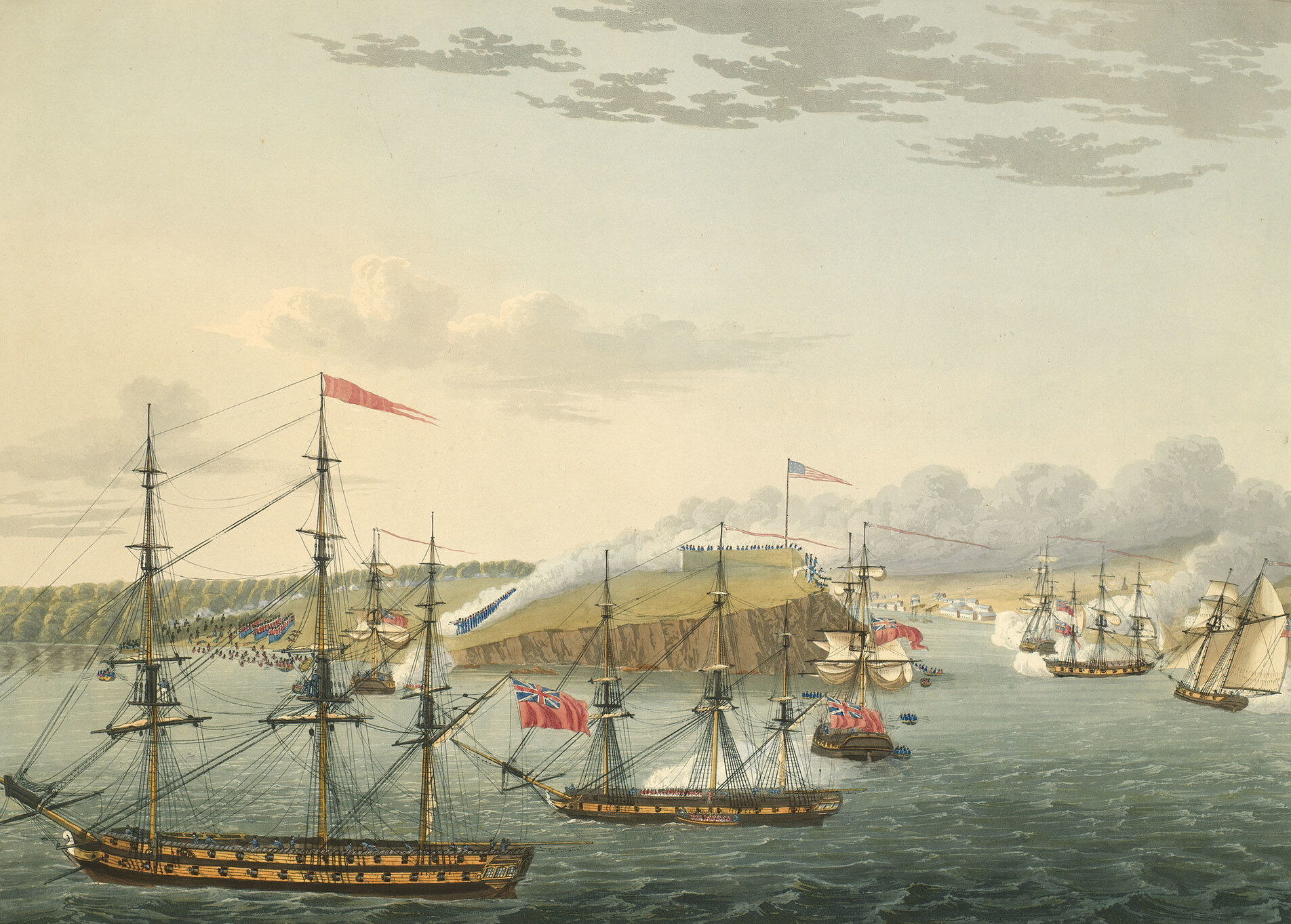
The Warning That Saved 500 British Lives
Exhausted and bloodied, Laura reached Lieutenant FitzGibbon's position just in time. Her warning allowed the British commander to prepare a devastating trap, positioning his men with their Mohawk allies in perfect ambush formation along the American route of advance.
When the American force arrived on June 24, they walked straight into a carefully orchestrated disaster. Surrounded and outmaneuvered, the entire American column—all 500 men—surrendered without a major battle. The intelligence Laura had risked her life to deliver had transformed certain defeat into stunning victory.
FitzGibbon's tactical brilliance in turning Laura's warning into battlefield success demonstrated how crucial civilian intelligence could be. Like Robert Smalls' daring escape with Confederate secrets, Laura's mission proved that ordinary people could shape extraordinary military outcomes.
Did One Woman Save the Entire Niagara Front?
Military historians continue debating Laura Secord's true impact on the War of 1812. The Niagara Peninsula was the gateway to Upper Canada—losing it could have meant losing the entire colony to American forces. By preventing the fall of Beaver Dam, did Laura's walk through the wilderness save British North America itself?
The domino effect of her intelligence coup rippled throughout the campaign. American morale plummeted after such a comprehensive defeat, while British confidence soared. The failed assault at Beaver Dam marked a turning point that helped secure the Niagara front for the remainder of the war.
Some historians argue her contribution ranks among the most significant individual actions of the entire conflict. Others suggest the Americans would have faced defeat anyway. What's undeniable is that 500 American soldiers spent the war as prisoners rather than fighters, thanks to one housewife's courage.
The Mystery of Britain's 50-Year Memory Lapse
Here's the puzzling part: Laura Secord's heroic story vanished from official records after the war ended. British military historians ignored her contribution entirely, focusing instead on the tactical brilliance of their male officers. Gender bias in the 1800s meant women's contributions to warfare were routinely dismissed or forgotten.
Her story only resurfaced decades later through Canadian historians who understood the importance of civilian contributions to their nation's survival. While Britain had plenty of decorated male war heroes to celebrate, Canada treasured every story of ordinary people rising to extraordinary moments.
This pattern of forgotten female contributions mirrors stories like other unsung heroes whose recognition came decades late. How many other women shaped military history without receiving their due recognition?
Laura Secord's Legacy in Modern Military History
Laura Secord pioneered what modern military strategists call human intelligence (HUMINT)—the gathering of crucial information through personal networks and local knowledge. Her success demonstrated how civilians with intimate knowledge of local terrain could provide intelligence that professional soldiers might miss.
Today, monuments across Canada honor her memory, and military historians study her mission as a textbook example of how individual courage can alter the course of conflicts. Her story resonates because it proves that heroes don't always wear uniforms or carry weapons.
Laura's legacy reminds us that warfare isn't just about grand strategies and famous generals—sometimes it's about ordinary people making extraordinary choices when history calls upon them.
What other unsung heroes from the War of 1812 do you think deserve recognition? Share your thoughts below, and let's continue uncovering the hidden stories that shaped our nations' histories.