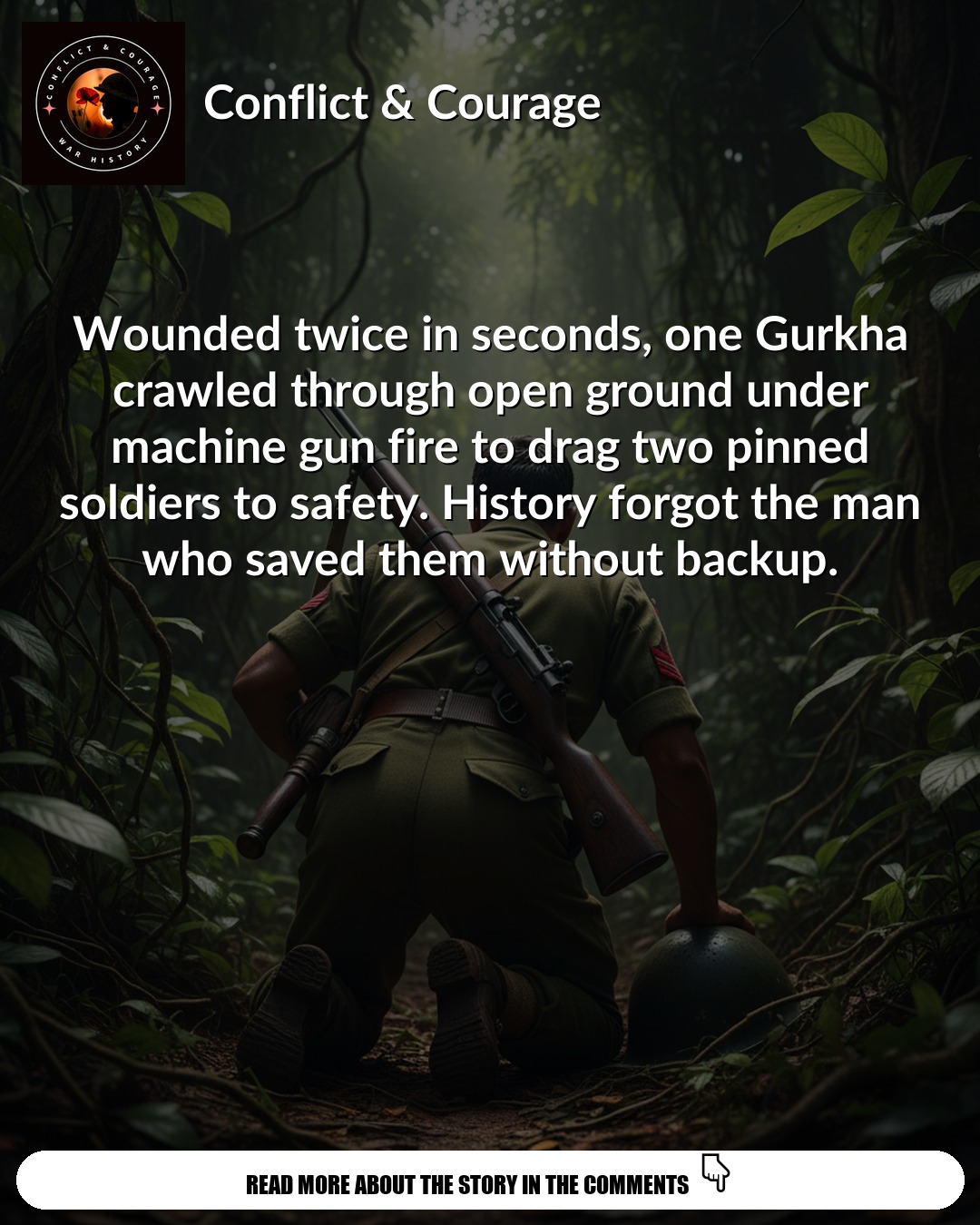
The telegram arrived on a Tuesday morning in 1945, bearing news that would forever change the Henderson family. Their son, Private First Class Tommy Henderson, had been awarded the Silver Star for "conspicuous gallantry" in saving two wounded comrades during fierce combat in the European theater. The citation spoke of bravery and selfless action. It didn't mention the grenade that had exploded in his face, or how he'd crawled 200 yards with a shattered leg to reach his fallen brothers.
Like countless other military citations from World War II, Tommy's medal told only half the story. The sanitized version families received was meant to honor their loved ones without haunting their dreams.
The Citation That Told Half the Story
Military citations during World War II walked a careful line between recognition and revelation. Officials understood that families needed to know their sons had served with honor, but they also recognized that some truths were too brutal for kitchen table reading.
The gap between official citations and battlefield reality was often vast. Where a citation might read "displayed exceptional courage under fire," the full story might involve hours of crawling through enemy territory with life-threatening wounds. The sanitized language protected both military morale and family sensibilities.
This careful editing wasn't deception—it was compassion wrapped in military protocol. Just as Henry Johnson's heroic actions in WWI were initially overlooked due to military politics, the full scope of wartime heroism often remained hidden in official records.
When the Grenade Went Off
Tommy Henderson was advancing with his squad through a bombed-out French village when the German stick grenade landed at his feet. The explosion occurred in the space between one heartbeat and the next, but its effects would last a lifetime.
Shrapnel tore through the left side of his face, embedding metal fragments from his temple to his jaw. His left leg took the worst of it—the femur shattered like kindling, leaving bone fragments scattered through muscle and tissue.
In that split second of consciousness before shock could set in, Tommy made a decision that would define him forever. His two squad mates lay motionless fifteen yards away. He was going to get them.
Two Comrades, One Broken Man
Corporal Mike Sullivan and Private Danny Rodriguez had been Tommy's closest friends since basic training. Now they lay bleeding in the rubble, unconscious and critically wounded. Physics suggested that a man with a destroyed leg couldn't possibly carry two wounded soldiers to safety.
Tommy proved physics wrong. Using his rifle as a crude crutch, he dragged himself to Sullivan first. The corporal had taken shrapnel to the chest but was breathing. Rodriguez was worse—unconscious with a head wound that painted the broken concrete beneath him.
Adrenaline became Tommy's ally against impossible odds. Each movement sent lightning bolts of agony through his shattered leg, but he moved anyway. One at a time, he began the agonizing process of getting his friends to safety.
Alone Behind Enemy Lines
The grenade explosion had separated Tommy's position from the rest of his unit. German sniper fire kept his squad pinned down 200 yards away, unable to mount a rescue. For all practical purposes, Tommy Henderson was on his own in enemy territory.
The tactical situation was nightmarish. German forces controlled the buildings around him, and enemy patrols could appear at any moment. Every second he spent in the open increased the odds of discovery and death.
But Tommy had made his choice. Like medic Clarence Sasser who continued treating wounded soldiers despite his own severe injuries, some men simply refuse to abandon their brothers, regardless of the cost.
The Medical Reality of War Wounds
Modern medical understanding makes Tommy's actions even more remarkable. Grenade fragments create devastating wound channels, tearing through tissue in unpredictable patterns. The human body's response to such trauma typically includes immediate shock—a condition that should have left Tommy unconscious within minutes.
His shattered femur represented one of the most painful injuries a soldier could sustain. The femur is the body's longest, strongest bone, and when it breaks, the surrounding muscles go into violent spasms. Each movement would have been excruciating beyond description.
Yet battlefield adrenaline creates its own medical miracles. The same hormonal surge that enables mothers to lift cars off trapped children allowed Tommy Henderson to function despite injuries that should have incapacitated him completely.
Why Citations Couldn't Tell the Whole Truth
Military censorship during World War II served multiple purposes beyond protecting state secrets. Detailed descriptions of battlefield injuries and the brutal realities of combat could damage home front morale and traumatize families already worried sick about their loved ones.
The War Department understood that parents didn't need to know their sons had crawled through their own blood to save others. They needed to know their boys had served with honor and courage—the medical details would only add to their nightmares.
This protective editing created a generation of hidden heroes. Their full stories remained buried in classified after-action reports and the memories of surviving comrades, emerging only decades later when military historians began digging deeper into wartime records.
The Rest of His Story
Tommy Henderson spent fourteen months in military hospitals, undergoing seven surgeries to reconstruct his leg and remove shrapnel from his face. He walked with a limp for the rest of his life, and small pieces of metal worked their way to the surface of his skin for decades after the war.
Both Sullivan and Rodriguez survived, thanks to Tommy's impossible rescue. Sullivan became a teacher in Ohio, while Rodriguez returned to his family's farm in New Mexico. Neither man ever forgot the friend who refused to leave them behind.
The full story of Tommy Henderson's heroism only came to light in 1995, when a military historian researching casualty reports found discrepancies between the official citation and witness statements. Fifty years after the fact, the world finally learned what really happened in that bombed-out French village.
Every medal tells a story, but sometimes the most important parts remain hidden in classified files and fading memories. What untold stories of heroism do you think are still waiting to be discovered? Share your thoughts below—these forgotten heroes deserve to have their full stories told.