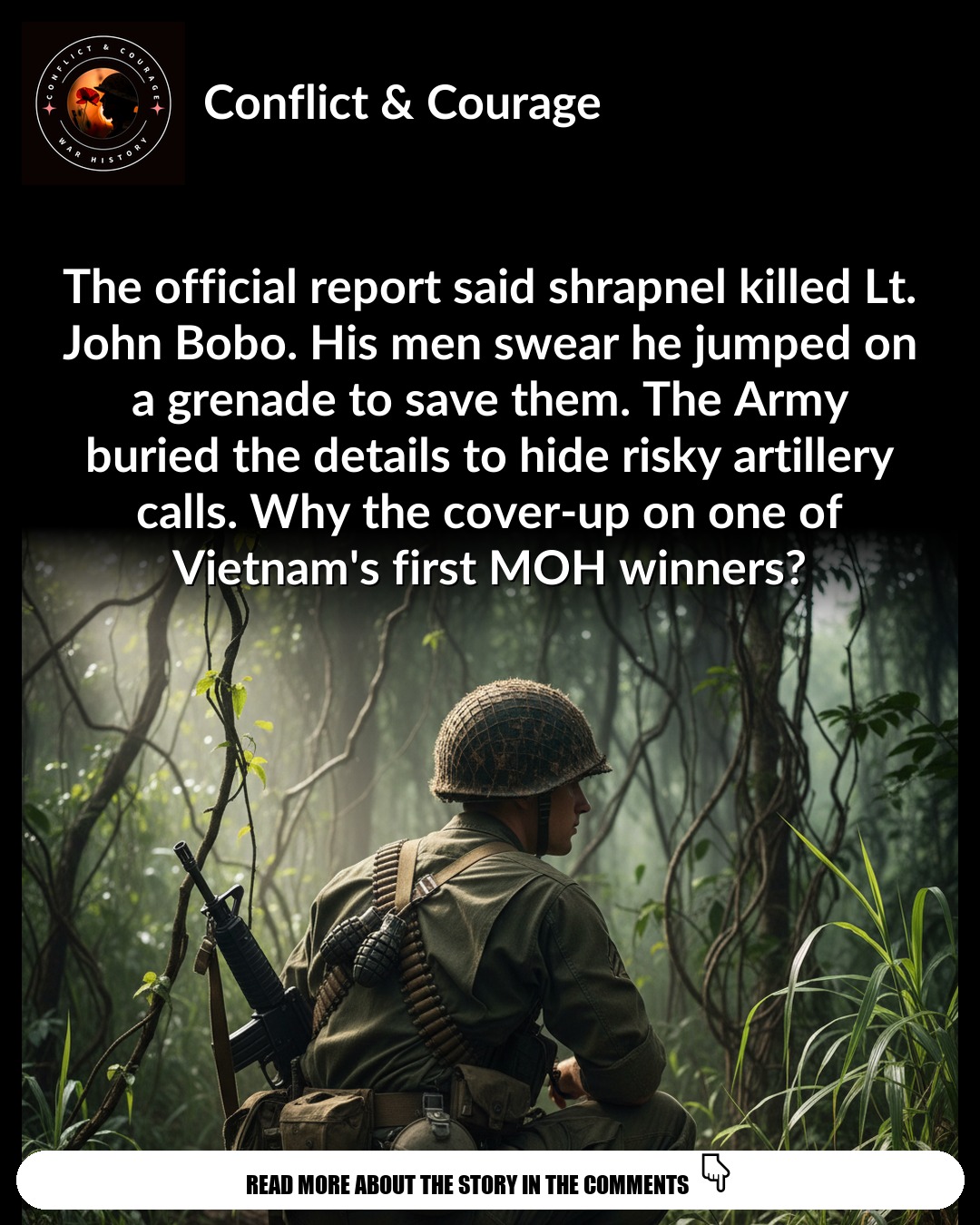
The official Medal of Honor citation for Second Lieutenant John Paul Bobo reads like countless others from Vietnam: killed by enemy shrapnel while heroically leading his men. But the men who served under him at Duc Pho in 1967 tell a very different story—one that took decades to emerge from the shadows of military secrecy.
What really happened in those final moments wasn't shrapnel at all. It was an act of selfless courage that the Army preferred to keep quiet, buried beneath layers of official language and operational concerns that had little to do with honoring a hero's true sacrifice.
The Official Story vs. The Truth
Lieutenant Bobo's Medal of Honor citation states he died from "enemy small arms and automatic weapons fire" while directing artillery strikes against North Vietnamese positions. The paperwork mentions shrapnel wounds—clean, explainable, and politically safe.
But military records during Vietnam often told sanitized versions of events, especially when the full truth might raise uncomfortable questions about tactics, friendly fire, or close air support protocols. The fog of war extended well beyond the battlefield into the realm of official documentation.
At Duc Pho in March 1967, Bobo's platoon found themselves in a nightmare scenario that would test every leadership principle the young lieutenant had learned. The dense jungle terrain of South Vietnam had become a killing field, and escape seemed impossible.
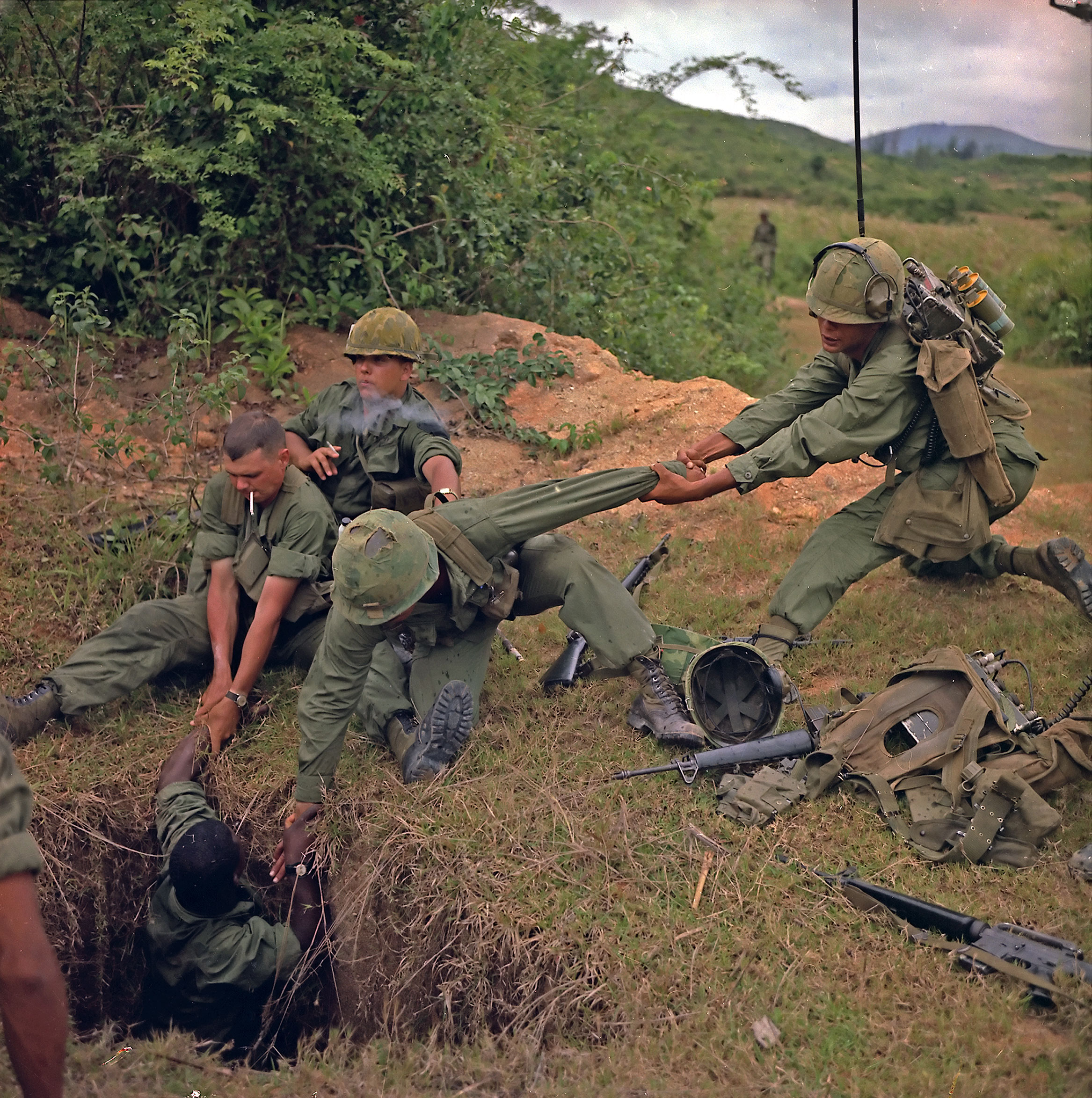
Trapped in the Jungle: The Battle Unfolds
The NVA machine gun nests were perfectly positioned, creating interlocking fields of fire that pinned Bobo's men in a deadly crossfire. Every attempt to advance met with withering automatic weapons fire, and the thick jungle canopy made air support nearly impossible.
Radio communications crackled with desperation as Bobo tried to coordinate with artillery units. The jungle was so dense that calling in fire support meant risking the lives of his own men—the margin for error measured in mere meters.
Standard procedure dictated maintaining safe distances from artillery strikes, but standard procedure wouldn't save his platoon. Bobo faced the kind of impossible choice that defines combat leadership: follow the rules and watch his men die, or break them and hope for the best.
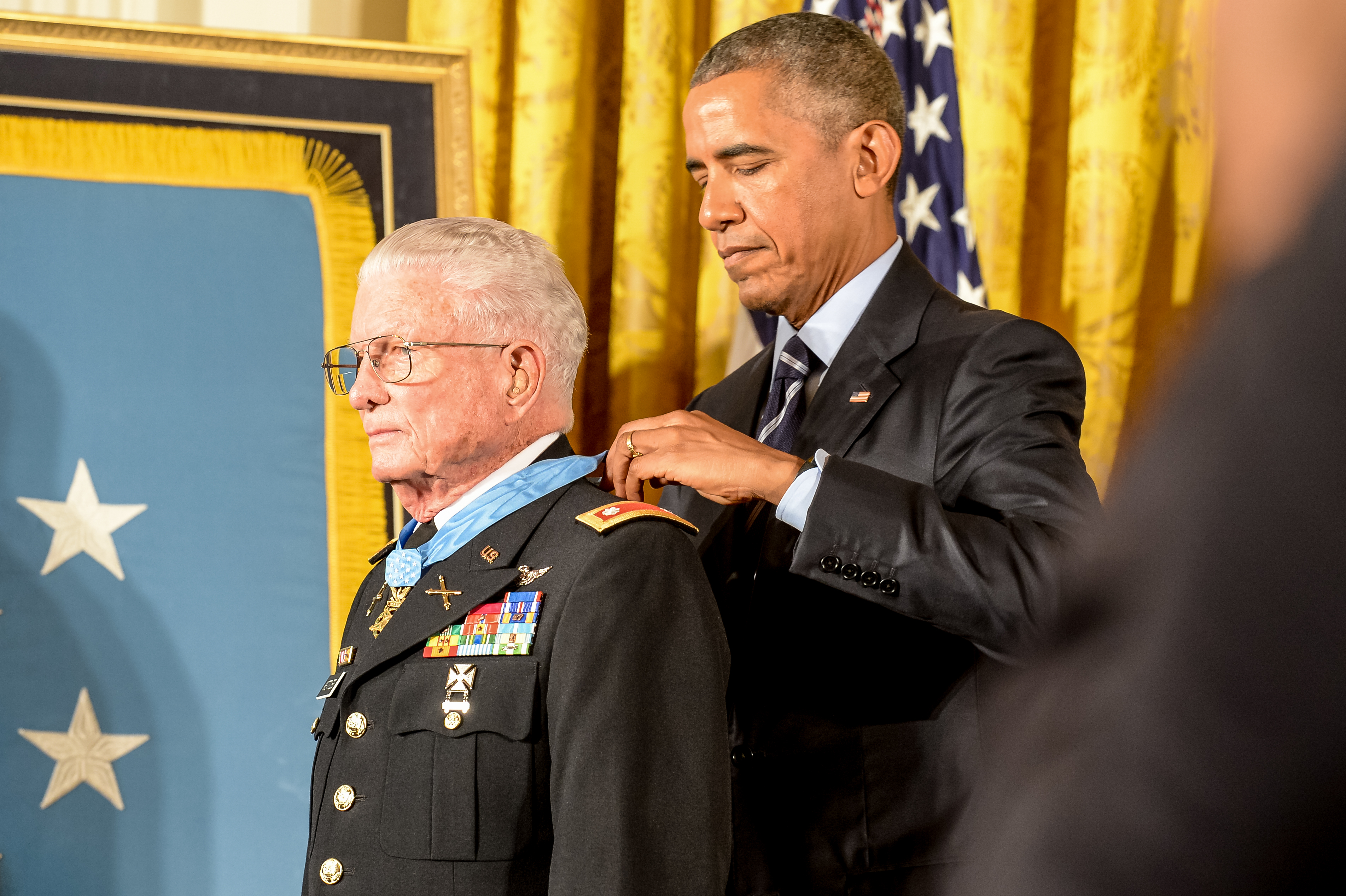
The Lieutenant's Final Decision
Against all protocols, Bobo called for artillery strikes dangerously close to his own position. He directed his men to fall back while he remained forward to spot targets and adjust fire, knowing full well he was painting a target on his own back.
The surviving members of his platoon remember the moment differently than the official record suggests. As they began their withdrawal, an NVA grenade landed among them. In that split second, Lieutenant Bobo made his final command decision.
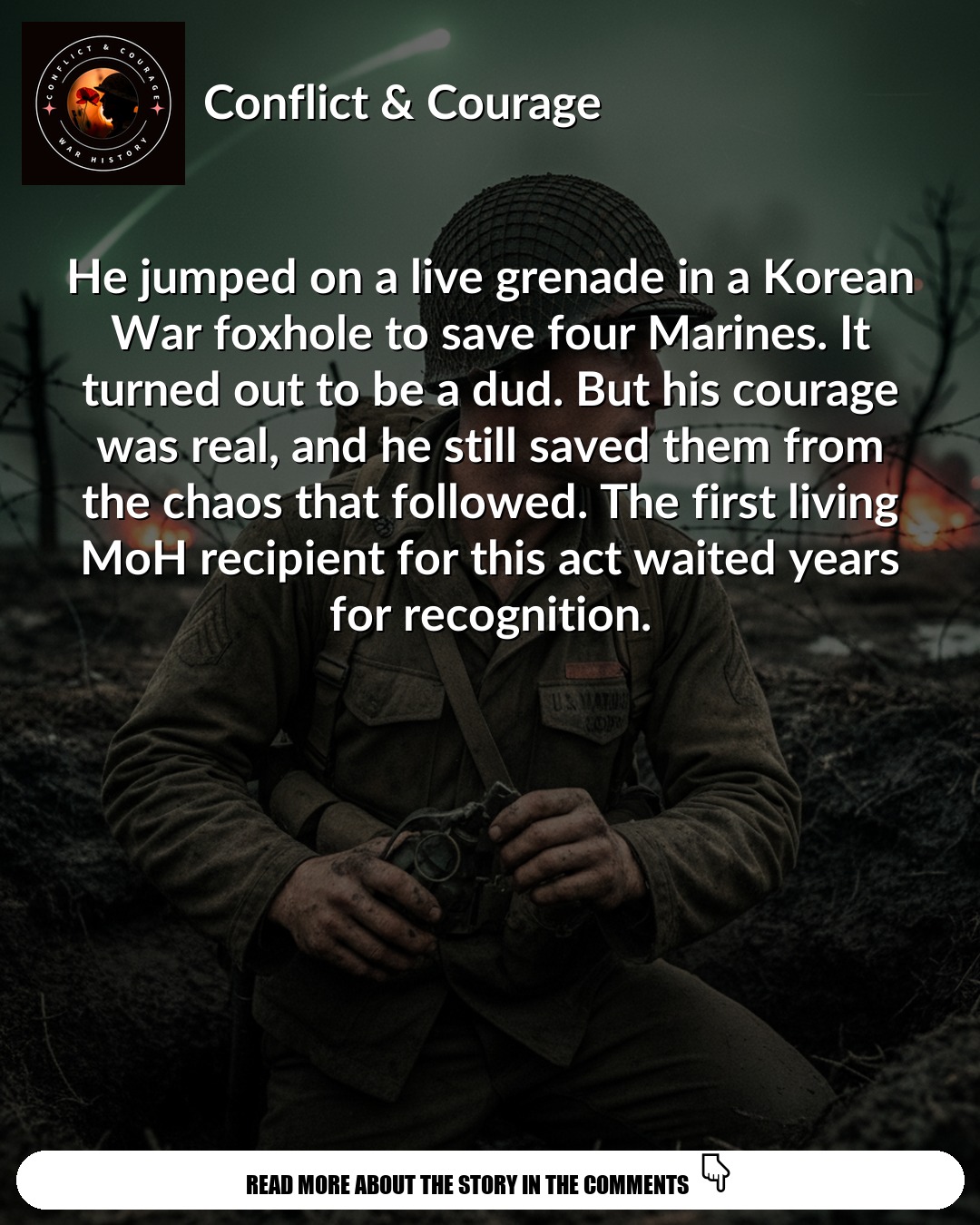
According to eyewitness accounts that wouldn't surface for decades, Bobo threw himself on the grenade. The explosion that should have killed or maimed several men instead claimed only one life—exactly as the lieutenant intended.
The Cover-Up Question
Why would the Army prefer the "shrapnel wounds" narrative? The answer lies in the complex politics of Vietnam-era military operations. Close air support and artillery strikes that resulted in friendly fire casualties were sensitive topics that could impact public support for the war effort.
A hero dying from enemy shrapnel while directing fire support sounds heroic and clean. A hero dying because he threw himself on a grenade during a chaotic withdrawal might raise questions about why the situation deteriorated so badly in the first place.
Posthumous Medal of Honor awards carried enormous propaganda value during Vietnam, but they needed to tell the "right" kind of story. The full truth of battlefield heroism was often messier than what military public affairs officers preferred to share with grieving families and the American public.
Decades Later: The Real Story Emerges
It wasn't until the 1990s and 2000s that veterans began sharing the complete story of what happened at Duc Pho. Time had a way of loosening tongues that official secrecy had kept sealed for decades.
The survivors of Bobo's platoon, now graying veterans with grandchildren, started talking at reunions and veteran gatherings. The guilt of keeping the secret had weighed on them for years—they wanted the world to know exactly how their lieutenant had saved their lives.
These accounts painted a picture of heroism that was somehow both more human and more extraordinary than the sanitized official version. Like other heroes who threw themselves on grenades, Bobo's sacrifice represented the ultimate expression of military leadership.
Understanding the Medal of Honor
The Medal of Honor represents the highest level of military valor, awarded only for actions "above and beyond the call of duty." Whether Bobo died from shrapnel or from smothering a grenade, his actions clearly met that standard.
Posthumous awards carry special significance for military families, representing not just recognition of sacrifice but validation that their loved one's death had meaning. The specific details of how that sacrifice occurred mattered less to the Army than ensuring the award honored genuine heroism.
Heroes like Desmond Doss and countless others proved that Medal of Honor recipients come from all backgrounds and circumstances, united by their willingness to place others' lives before their own.
Legacy of a True Hero
In the end, whether Lieutenant John Bobo died from shrapnel or from throwing himself on a grenade matters less than the indisputable fact that he gave his life to save his men. His leadership under impossible circumstances exemplifies the best of military service.
Modern military leadership training still studies cases like Bobo's, examining how young officers make life-and-death decisions under extreme pressure. The human cost of such leadership—measured in families shattered and futures cut short—reminds us that heroism always comes at a price.
The truth about heroes often proves more complex and more inspiring than official accounts suggest. Understanding that complexity helps us better appreciate the full measure of sacrifice made by those who serve.
What do you think about the discrepancies between official military records and veterans' accounts? Have you heard similar stories from the Vietnam era or other conflicts? Share your thoughts and experiences in the comments below—these conversations help preserve the real stories behind our military heroes.