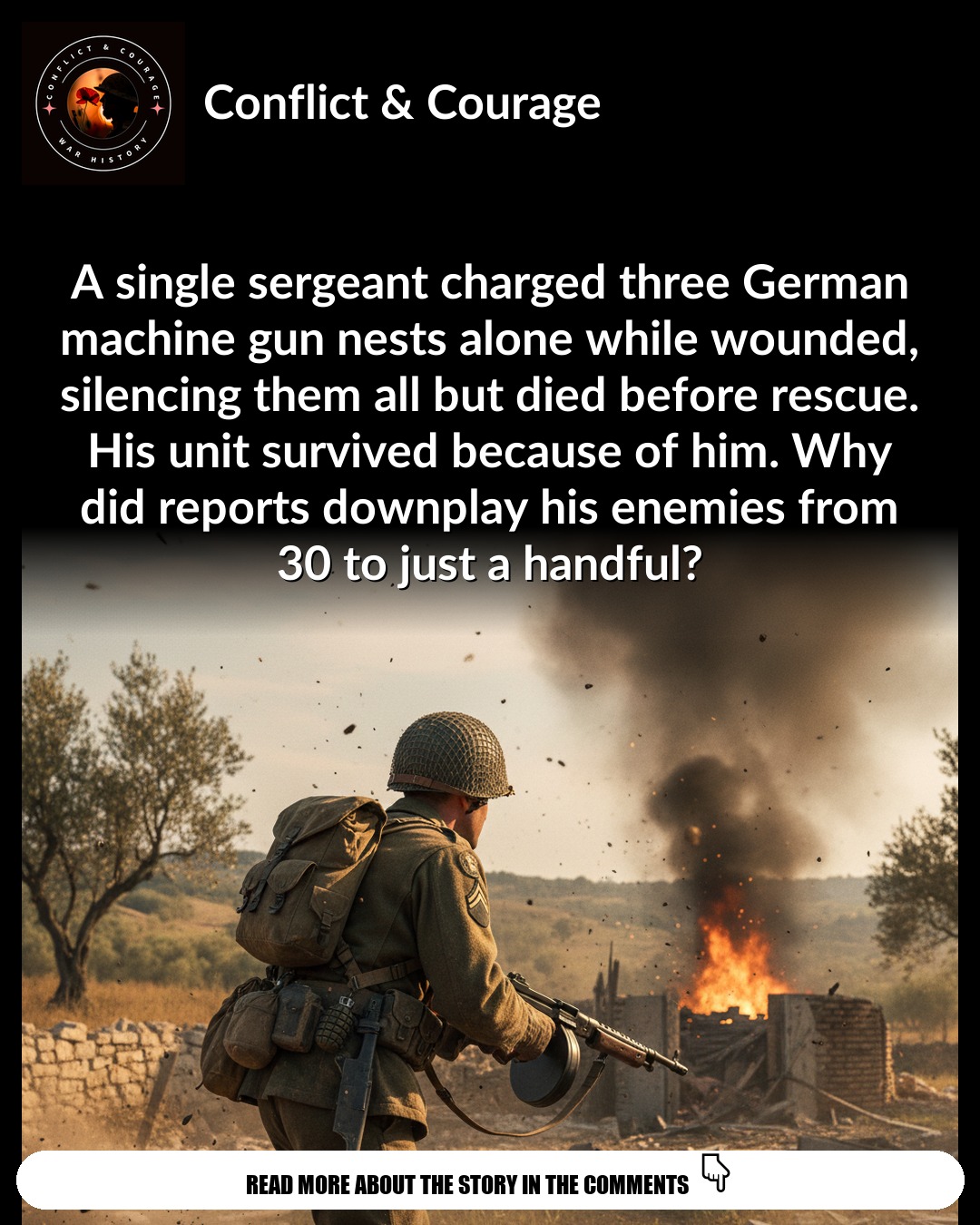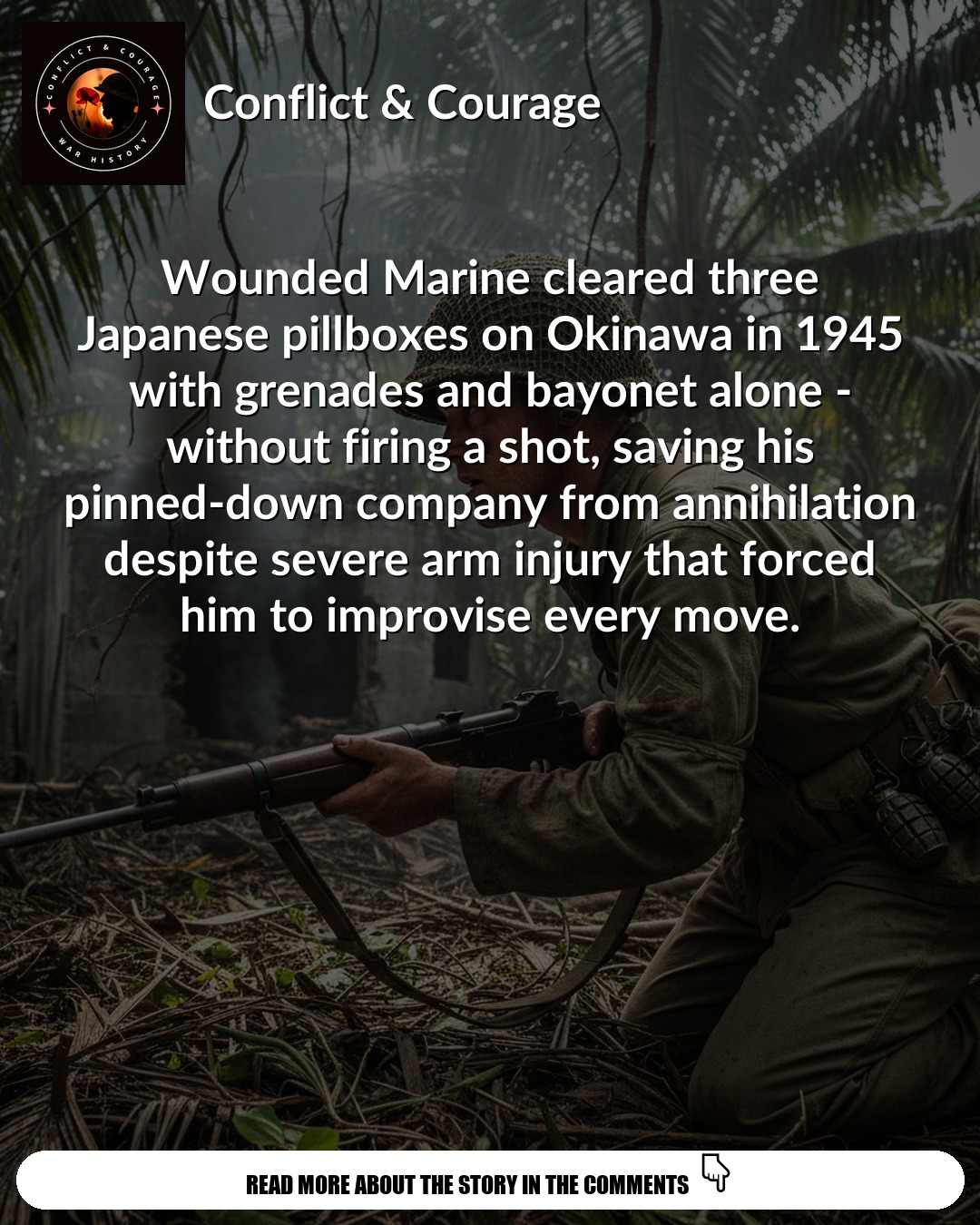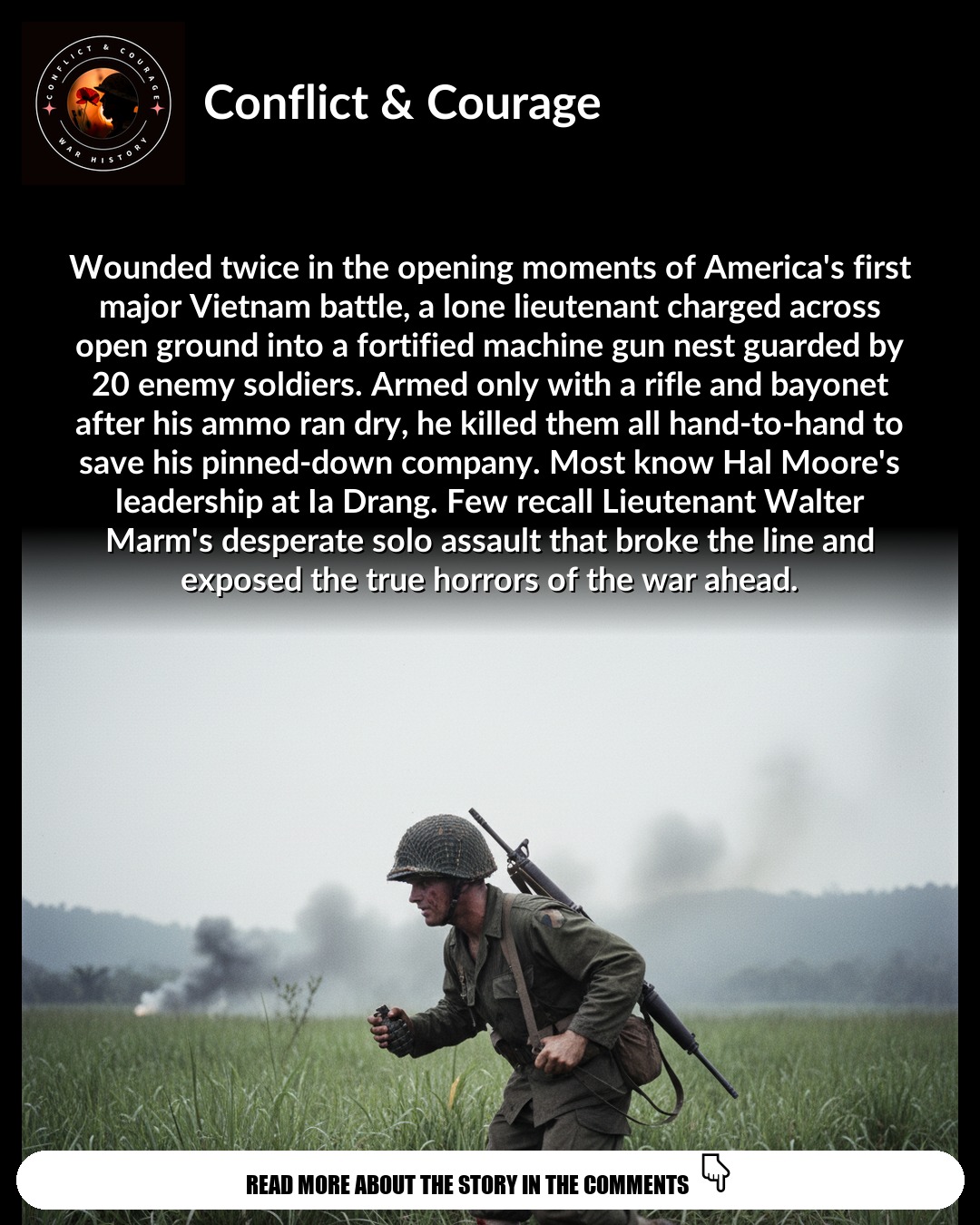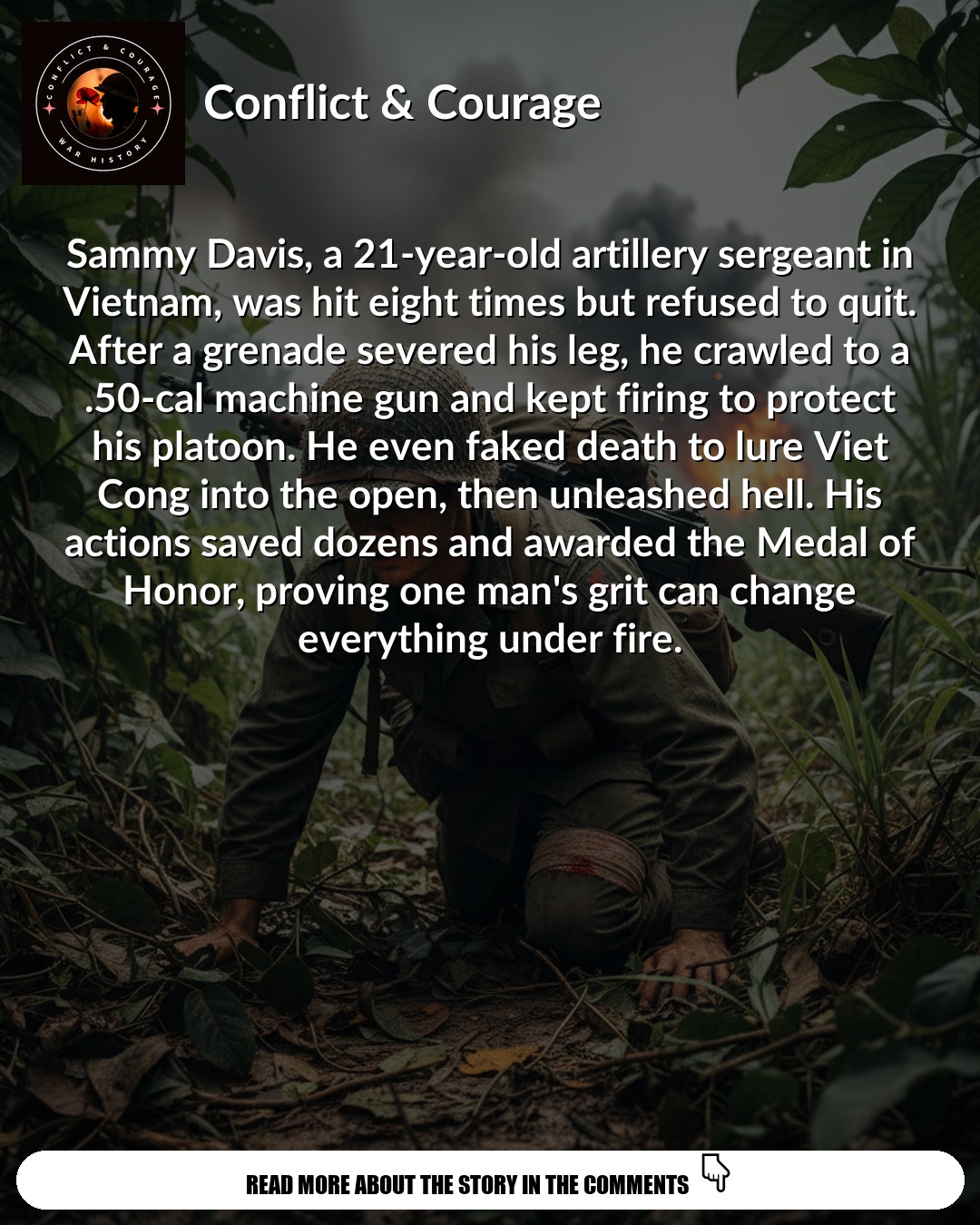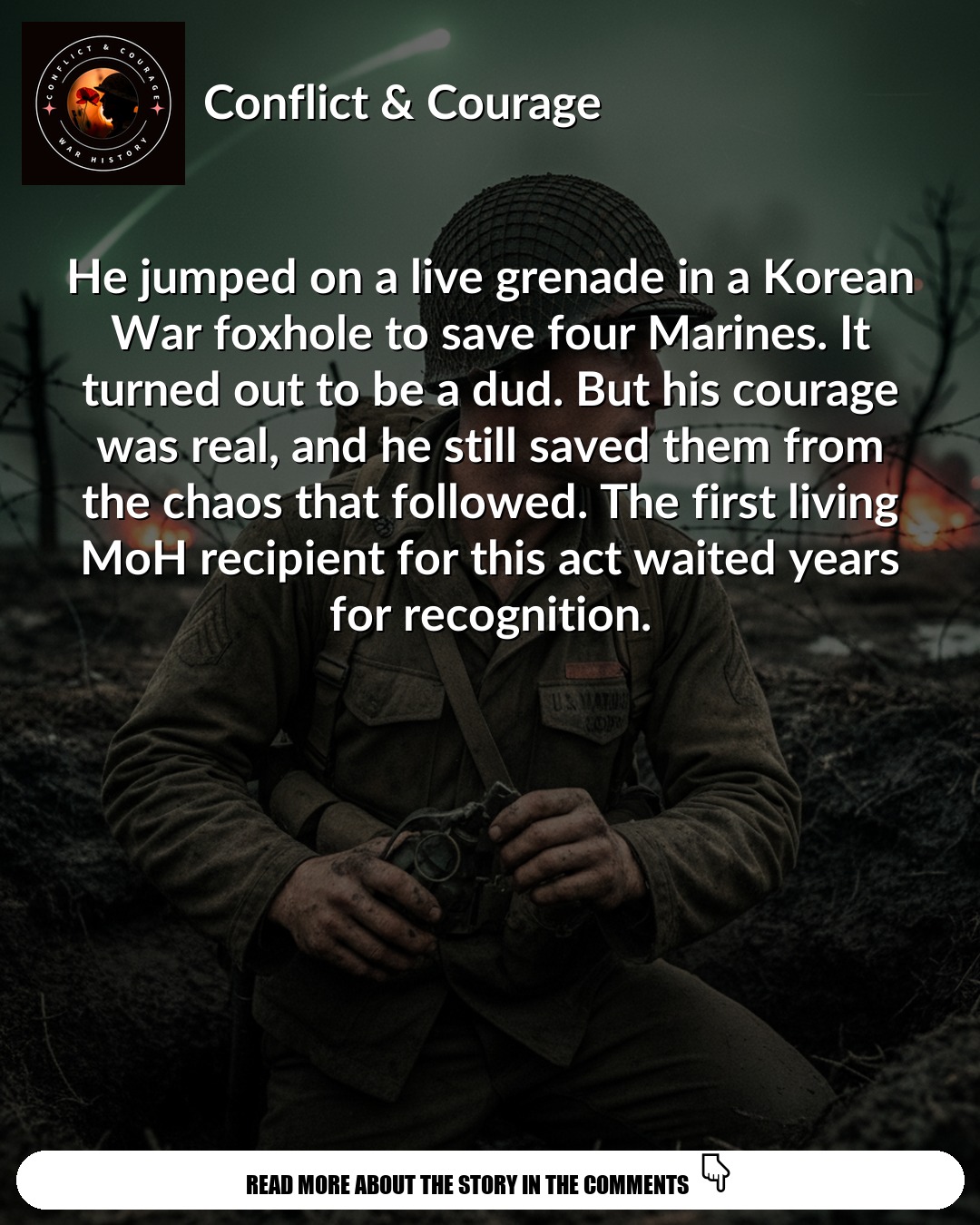
In the frozen hell of Korea's mountainous terrain, four Marines huddled together in a foxhole, their breath visible in the bitter night air. The Chinese had launched one of their infamous human wave attacks, and the darkness erupted with gunfire, explosions, and the terrifying sound of thousands of enemy soldiers charging their positions.
Then came the moment that would define Corporal Duane Dewey forever. A Chinese grenade landed with a thud right in the middle of their foxhole, its metal surface gleaming in the muzzle flashes. Four young Americans stared at death itself, knowing they had seconds to live.
That's when Dewey moved.
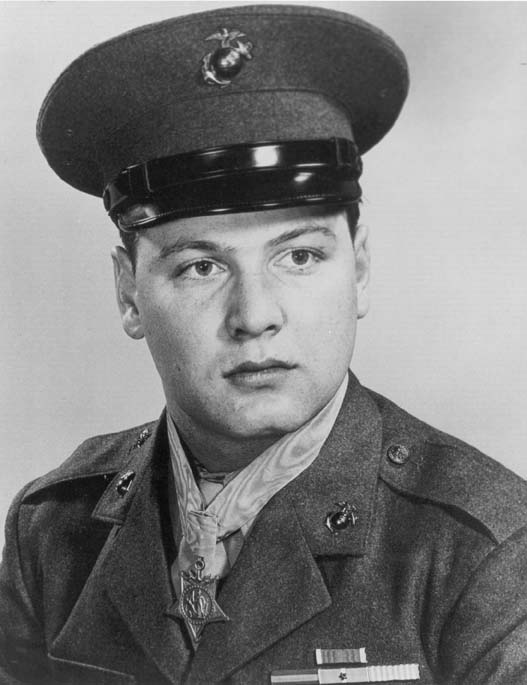
A Hero's Instinct: Dewey's Lightning Decision
Before that night in 1952, Duane Dewey was just another Marine from Grand Rapids, Michigan. He'd joined the Corps like thousands of other young men, drawn by duty and the chance to serve his country. Nothing in his background suggested he'd become one of America's most unlikely Medal of Honor recipients.
But when that grenade hit the dirt, something extraordinary happened. Dewey didn't think—he acted. In one fluid motion, he grabbed the deadly device and bolted from the foxhole. His buddies watched in stunned silence as their friend ran into the open, exposing himself to enemy fire.
Then Dewey did something that defied all logic. He threw himself on top of the grenade, using his helmet and body to shield the blast. In those final seconds, what goes through a man's mind? Fear? Peace? Or just the simple knowledge that his friends would live?
The Dud That Saved a Hero's Life
Grenades fail for countless reasons—faulty fuses, manufacturing defects, or simply the harsh conditions of warfare. On that frigid Korean night, Lady Luck smiled on Duane Dewey. The grenade was a dud.
But fate wasn't finished with him yet. As Dewey lay covering the failed explosive, shrapnel from another blast tore into his body, wounding him severely. The cruel irony wasn't lost—saved by a defective grenade, wounded by flying metal from somewhere else in the chaos.
His squad survived because of his sacrifice. Four Marines went home to their families because one man made an impossible choice in an impossible moment. That's the mathematics of heroism—one life risked to save many.
Medal of Honor: Recognition for Ultimate Sacrifice
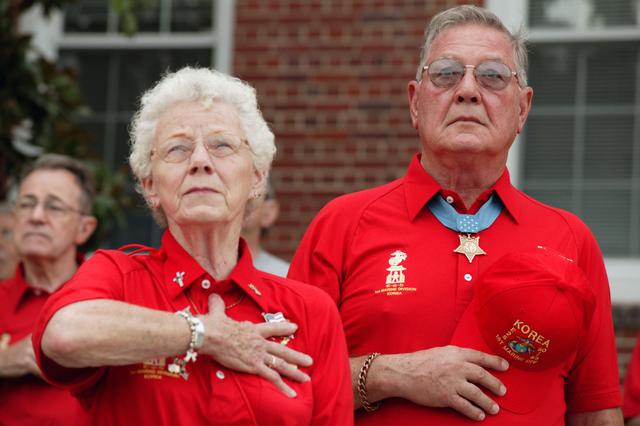
The Medal of Honor citation tells the story in official language, but it can barely capture the raw courage of that night. Dewey joined the ranks of other unlikely heroes like Desmond Doss, men who found extraordinary bravery in ordinary bodies.
Grenade heroes hold a special place in military history. From World War I to Vietnam, Marines and soldiers have thrown themselves on explosives to save their comrades. Most died in the attempt. Dewey's survival made his story both miraculous and haunting—the weight of living when you expected to die.
The medal came with its own burden. How do you carry on when you've literally jumped on death and walked away?
The Classified Report: Why Hide a Hero's Story?
For decades, the military kept Dewey's detailed combat report classified. Why bury such an inspiring story of American courage? The Cold War era brought paranoia about revealing tactical information, even heroic acts that might give enemies insights into American training or equipment.
Sometimes the military classified reports to protect operational security or ongoing missions. Other times, bureaucratic inertia simply kept documents locked away long after their strategic value had expired.
When these stories finally surface, they often reveal classified details that add depth to our understanding of battlefield heroism. Families spend decades wondering about their loved ones' service, only to discover extraordinary acts of valor hidden in government files.
Korean War's Forgotten Heroes
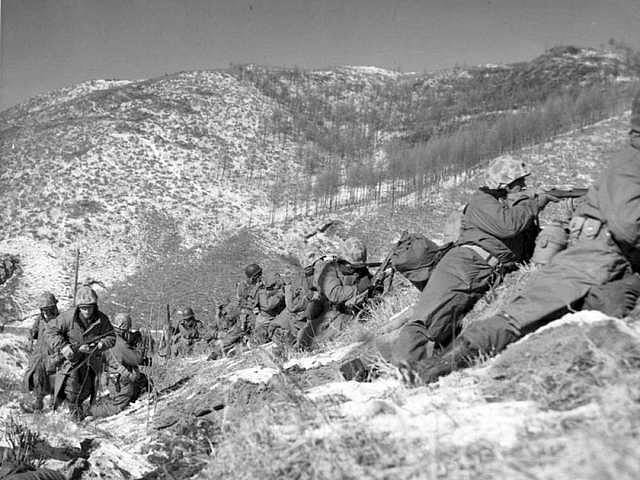
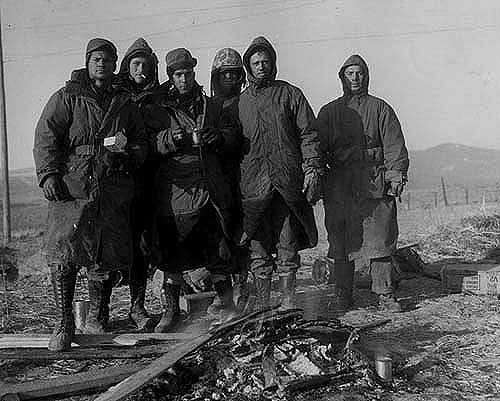
Korea became known as the "Forgotten War," overshadowed by World War II's grand narrative and Vietnam's controversy. Yet the fighting was brutal, especially the night assaults that characterized Chinese tactics.
Thousands of American servicemen performed extraordinary acts of courage in Korea's mountains and valleys. Many, like soldiers who single-handedly took on impossible odds, died unknown to history. Others lived but carried their stories in silence.
Night fighting in Korea demanded special courage. In darkness, chaos reigned supreme, and split-second decisions meant the difference between life and death for entire units.
Legacy of a Split-Second Decision
Dewey returned home forever changed by his moment of supreme courage. The transition from battlefield hero to civilian life often proves challenging for Medal of Honor recipients, who must somehow reconcile their extraordinary moment with ordinary existence.
His story reminds us that heroism often emerges from the most unexpected places. A young Marine from Michigan became legend not through careful planning, but through instinctive sacrifice when his brothers needed him most.
These stories matter because they show us the best of human nature under the worst circumstances. They remind us that ordinary people can do extraordinary things when the moment demands it.
What do you think drove Dewey to make that split-second decision? Have you heard similar stories of battlefield heroism that deserve more recognition? Share your thoughts and help us honor the forgotten heroes of the Korean War.