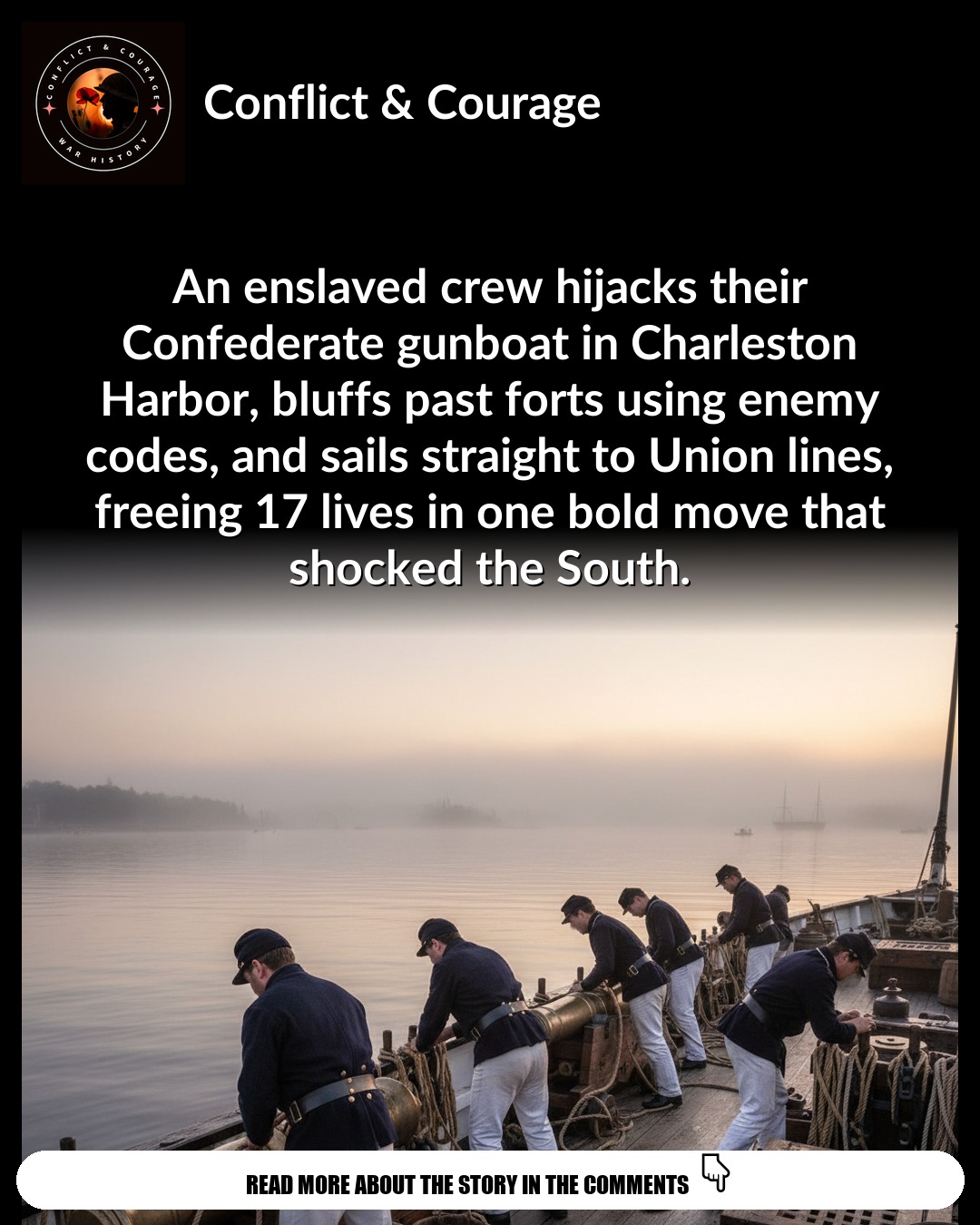
Picture this: a moonless night in Charleston Harbor, May 1862. Confederate officers are enjoying a night on the town while their trusted enslaved pilot quietly loads his family aboard their prized warship. What happened next would become one of the most audacious escapes in Civil War history.
Robert Smalls didn't just steal a ship—he delivered it straight to the Union Navy, complete with military intelligence that would help turn the tide of war.
The Man Behind the Wheel
Born into slavery in Beaufort, South Carolina, Robert Smalls possessed something invaluable: an intimate knowledge of Charleston's treacherous waters. The harbor's shifting sandbars and hidden obstacles had claimed countless vessels, making skilled pilots worth their weight in gold.
By 1861, Confederate officers trusted Smalls completely with their prized vessel, CSS Planter. He knew every channel, every current, every Confederate position along the waterways. This trust would prove to be their fatal mistake.
Charleston Harbor wasn't just any port—it was the beating heart of Confederate defenses in the Southeast. Control of these waters meant control of vital supply lines and strategic positions that could determine the war's outcome.
A Ship Worth Stealing
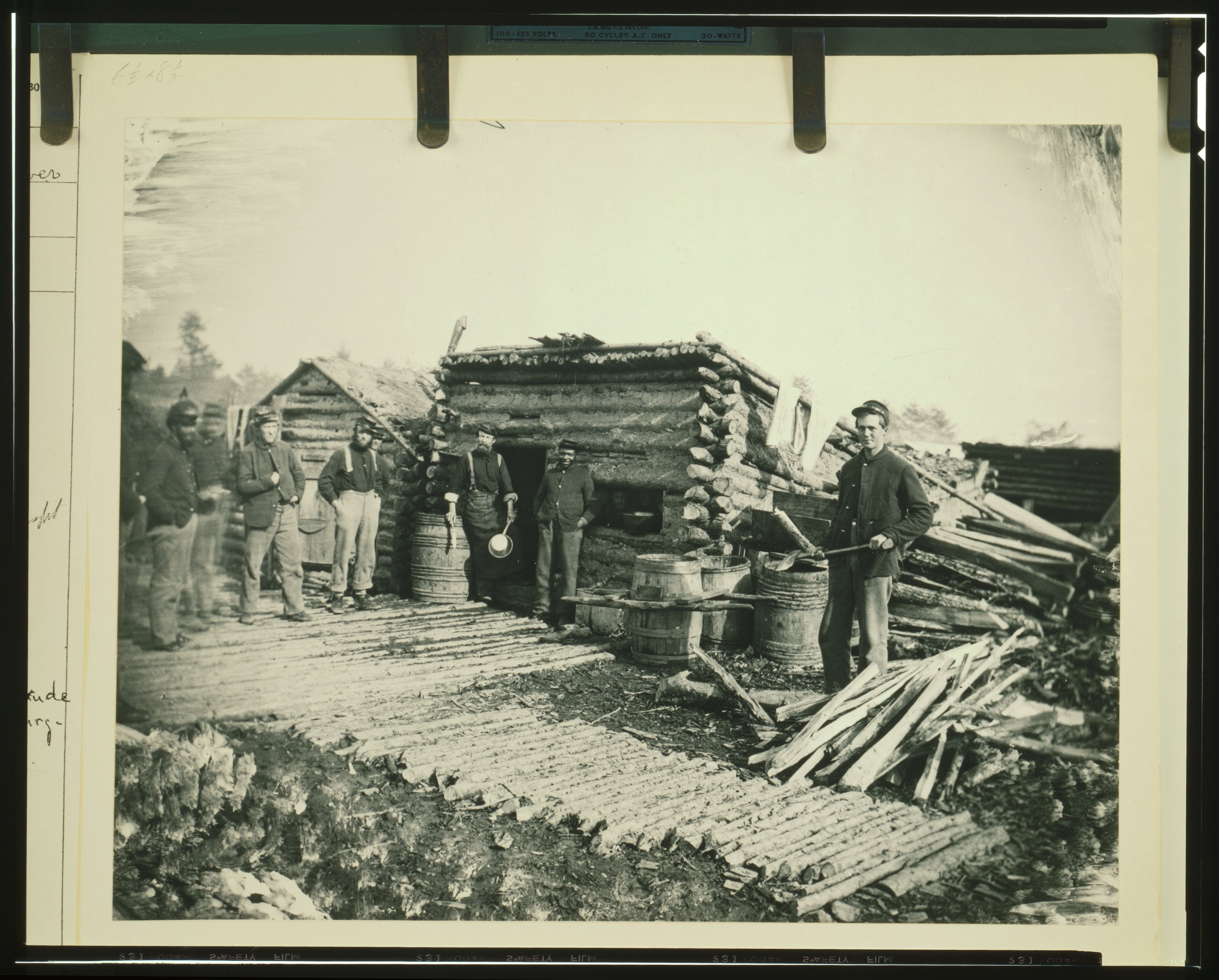
CSS Planter wasn't your typical riverboat. This 147-foot sidewheel steamer served as both transport and dispatch vessel, carrying Confederate troops, supplies, and crucial military communications throughout the region.
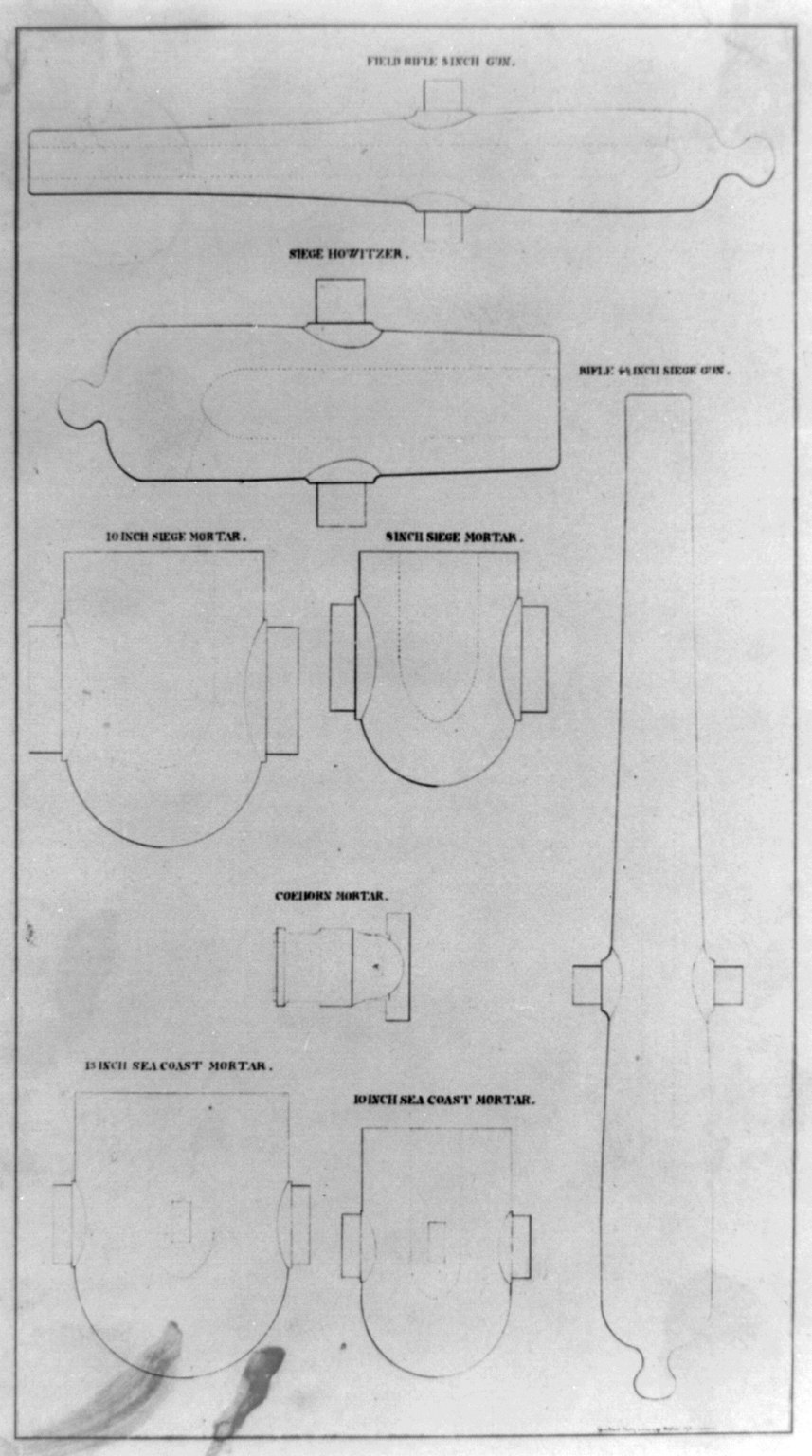
More importantly, she was armed. The ship bristled with cannons and carried military supplies that would prove incredibly valuable to Union forces. Every day, Smalls watched Confederate officers use his vessel to strengthen their defensive positions.
His unique position gave him access to military conversations, troop movements, and defensive strategies. Without realizing it, Confederate commanders had placed their most sensitive intelligence in the hands of someone with every reason to use it against them.
The Perfect Storm of Opportunity
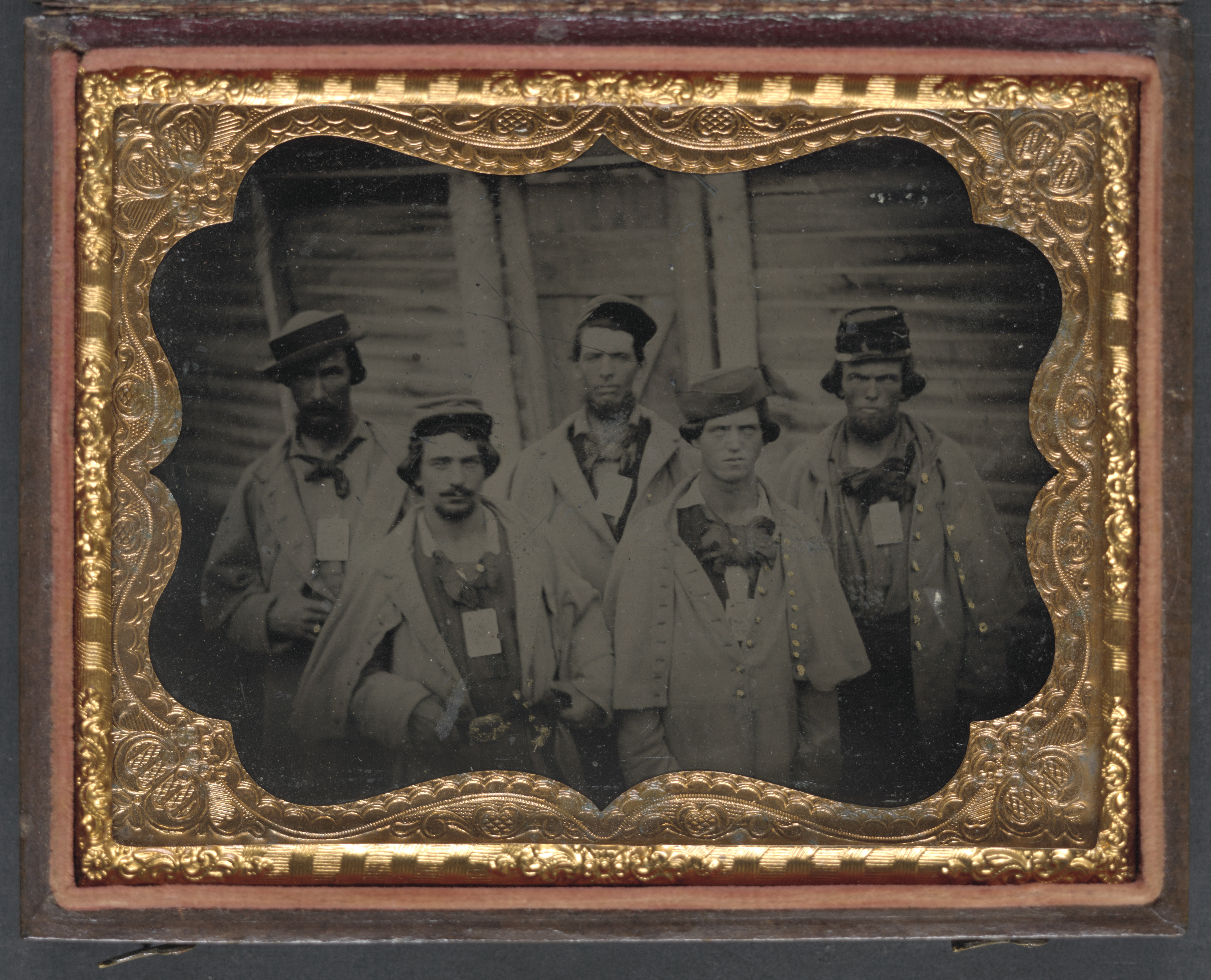
May 12, 1862, presented the chance Smalls had been waiting for. The ship's three white officers decided to spend the night ashore, leaving the enslaved crew to guard their vessel. It was exactly the opening he needed.
Working with his fellow enslaved crew members, Smalls carefully orchestrated his plan. He quietly loaded his wife, children, and several other enslaved families aboard the ship. There would be no going back—success meant freedom, failure meant certain death.
As darkness fell over Charleston Harbor, Smalls made his move. The man who had spent years faithfully serving his captors was about to become their worst nightmare.
Running the Gauntlet
Navigating past Confederate Fort Johnson required nerves of steel and perfect timing. Smalls donned the captain's straw hat and stood at the ship's wheel, perfectly mimicking the officer's posture and mannerisms.
The most dangerous moment came at Fort Sumter. Confederate sentries demanded the proper signal as CSS Planter approached. Smalls calmly gave the correct whistle sequence, his heart pounding as soldiers prepared to fire if he made a single mistake.
His performance was flawless. Guards waved them through, never suspecting that an enslaved man had just stolen one of their most valuable assets right from under their noses.
Freedom on the Horizon
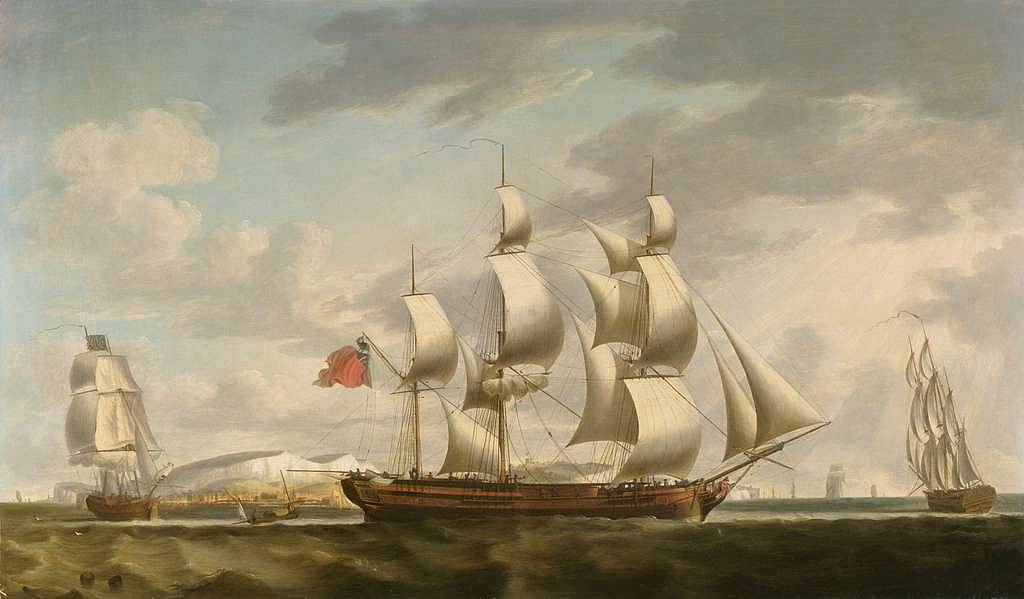
As dawn broke, USS Onward spotted an approaching Confederate vessel. Union sailors prepared for battle until they noticed something extraordinary—a white flag flying where the Confederate colors should have been.
The shock on Union officers' faces when they realized enslaved people had commandeered the ship was nothing compared to their excitement over Smalls' intelligence. He provided detailed information about Charleston's defenses, troop positions, and Confederate naval operations.
This intelligence proved invaluable for future Union naval strategies in the region. Smalls had delivered more than a ship—he'd handed them the keys to Charleston Harbor.
From Slave to War Hero
The Union Navy immediately recognized Smalls' value, appointing him as pilot aboard the same vessel he'd stolen. USS Planter, now flying Union colors, continued serving throughout the war with her liberator at the helm.
Congress awarded Smalls prize money for capturing the vessel, and his daring escape made headlines across the North. More significantly, he became one of the first Black ship captains in U.S. naval history, breaking barriers that had seemed impenetrable.
His service didn't end with the war's conclusion. Like other heroes who continued fighting for justice long after their battlefield victories, including Henry Johnson's post-war struggles for recognition, Smalls faced new battles in peacetime.
Legacy of Courage
After the war, Smalls entered politics, serving in the South Carolina legislature and fighting tirelessly for civil rights. He founded schools, championed education, and worked to ensure other formerly enslaved people had opportunities for advancement.
His daring escape inspired countless others to seek freedom and proved that courage and intelligence could overcome seemingly impossible odds. Stories of his midnight run through Charleston Harbor spread throughout enslaved communities, offering hope where little had existed before.
Robert Smalls deserves recognition alongside America's greatest military heroes. His strategic thinking, unshakeable courage, and commitment to justice embody the finest traditions of American service members who risk everything for freedom.