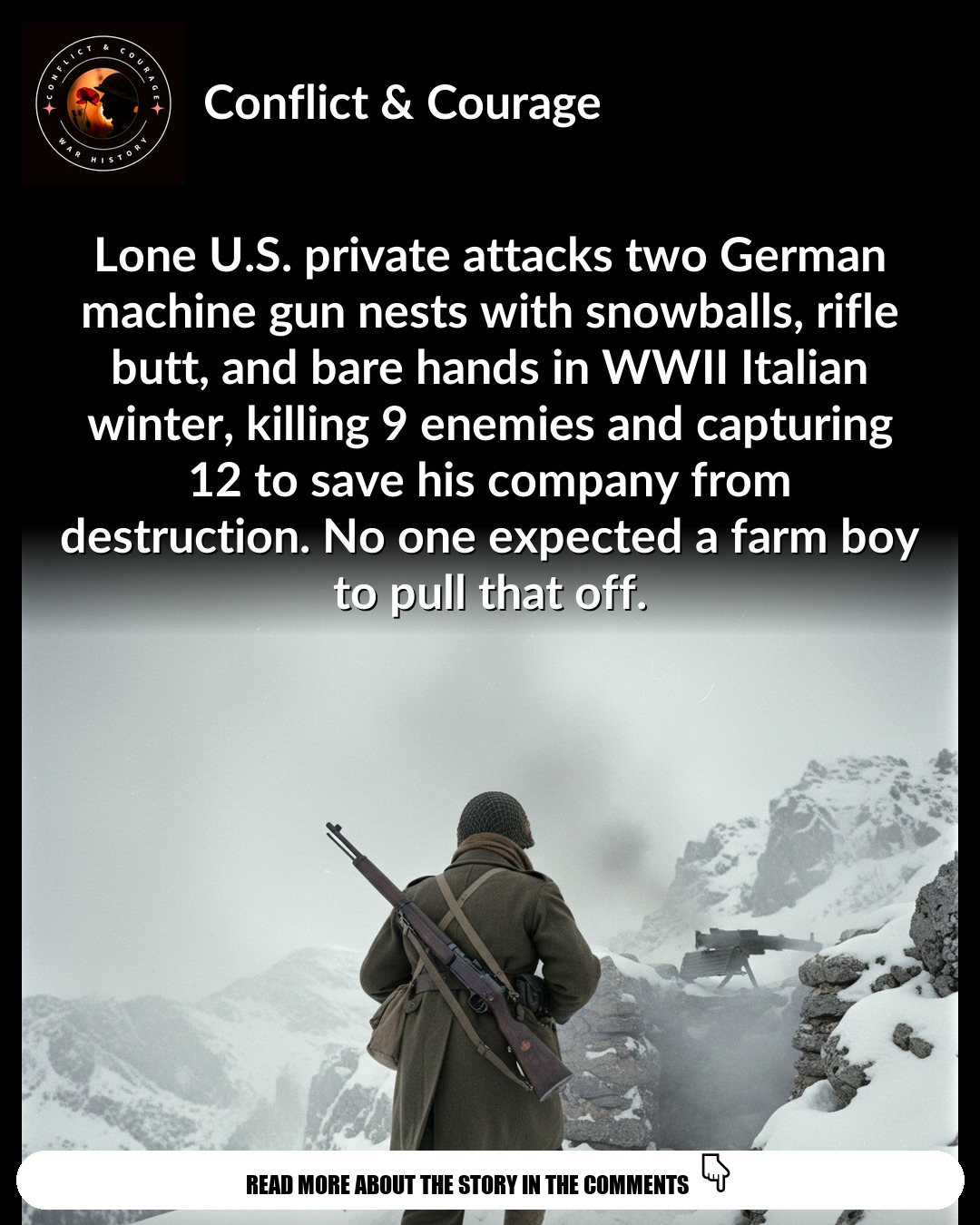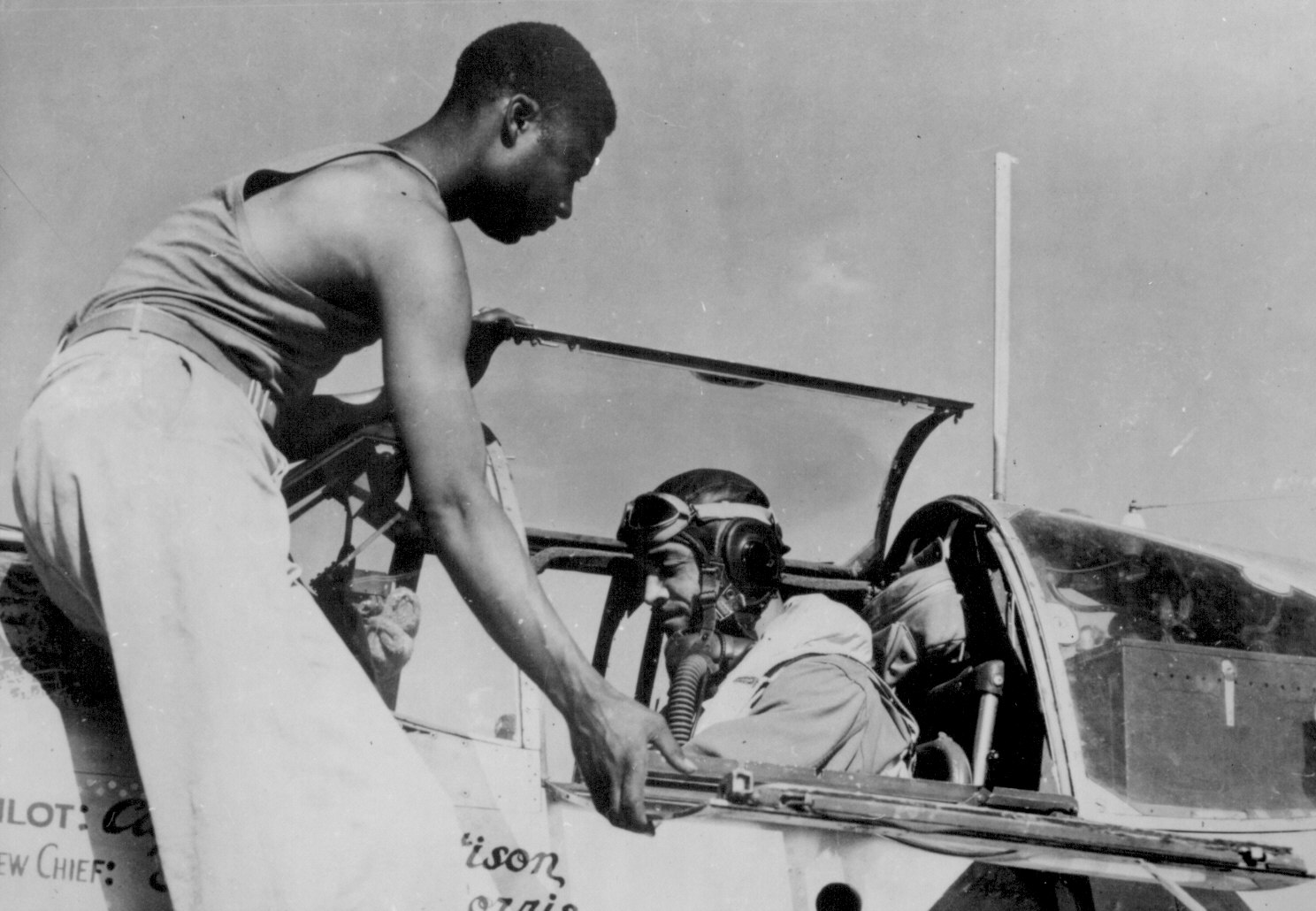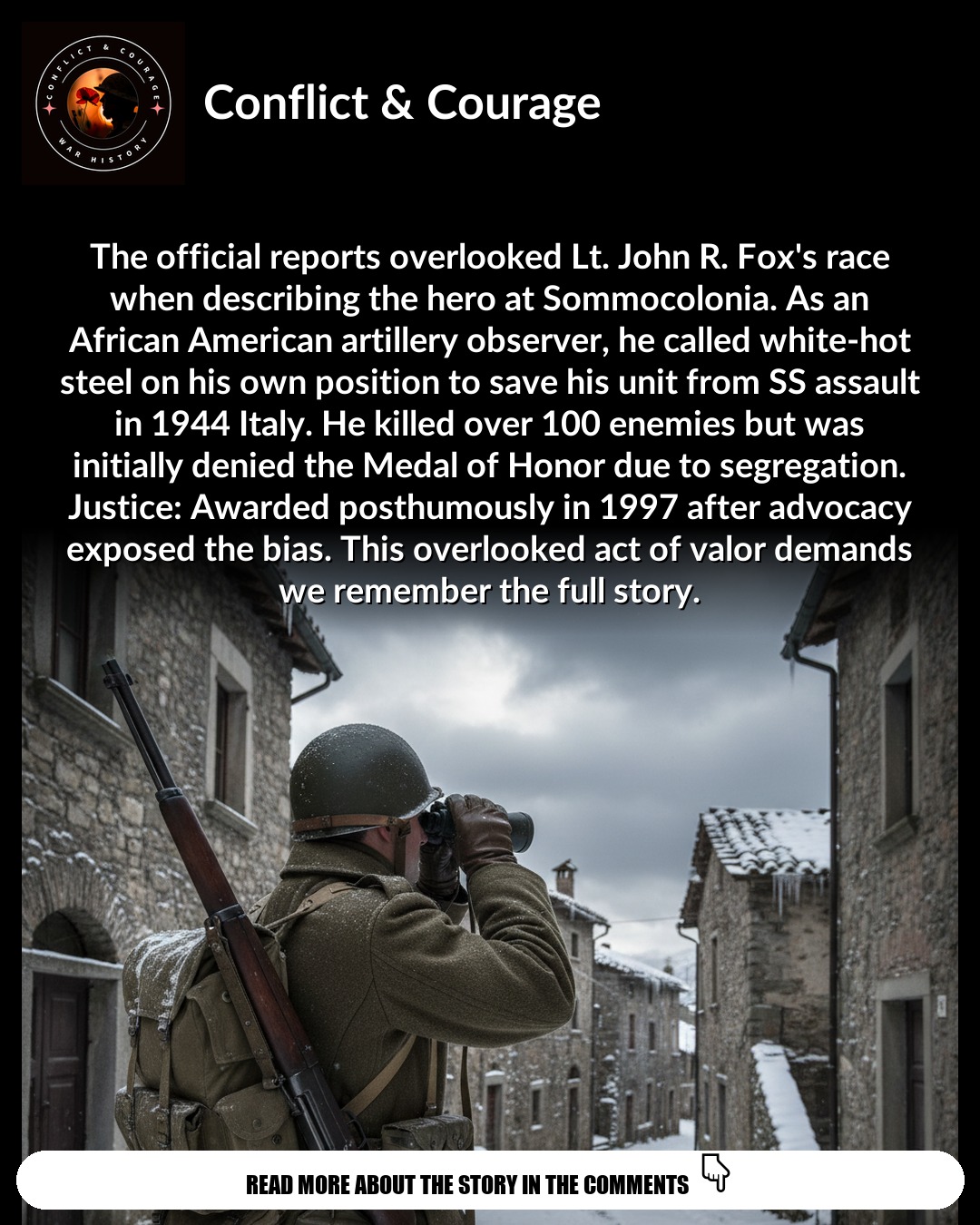
In the snow-covered mountains of Italy, Christmas Eve 1944 brought no peace. As German SS troops advanced through a blizzard toward the strategic village of Sommocolonia, one Black lieutenant made a decision that would save his unit but cost him everything. His story remained buried in military bureaucracy for over five decades, a testament to courage overlooked and heroism denied.
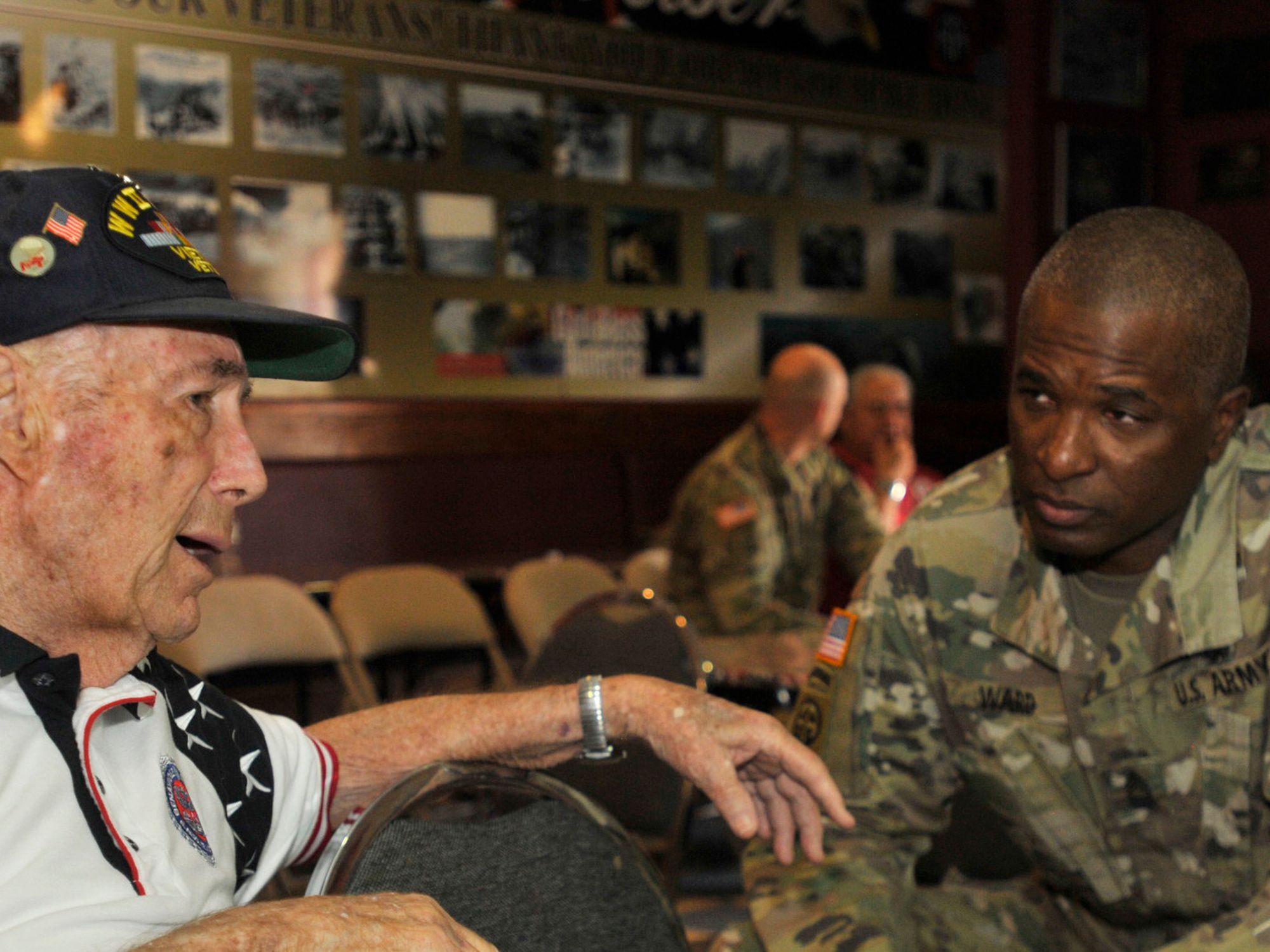
The Forgotten Heroes of the 92nd Division
The 92nd Infantry Division, nicknamed the "Buffalo Soldiers," fought a war on two fronts in World War II. While battling fascism in the mountains of Italy, these African American soldiers faced discrimination and doubt from their own military leadership. Many white officers questioned their combat effectiveness, despite their proven courage under fire.
Sommocolonia wasn't just another Italian mountain village—it was a crucial defensive position along the Gothic Line. The Germans needed this high ground to launch their winter offensive, while the Allies desperately needed to hold it. The 92nd Division found itself manning these frozen, treacherous positions as 1944 drew to a close.
These men understood the bitter irony of their situation. They were fighting to liberate Europe from racial oppression while their own country denied them basic civil rights. Yet they served with distinction, proving their valor in places like Sommocolonia where heroism knew no color.
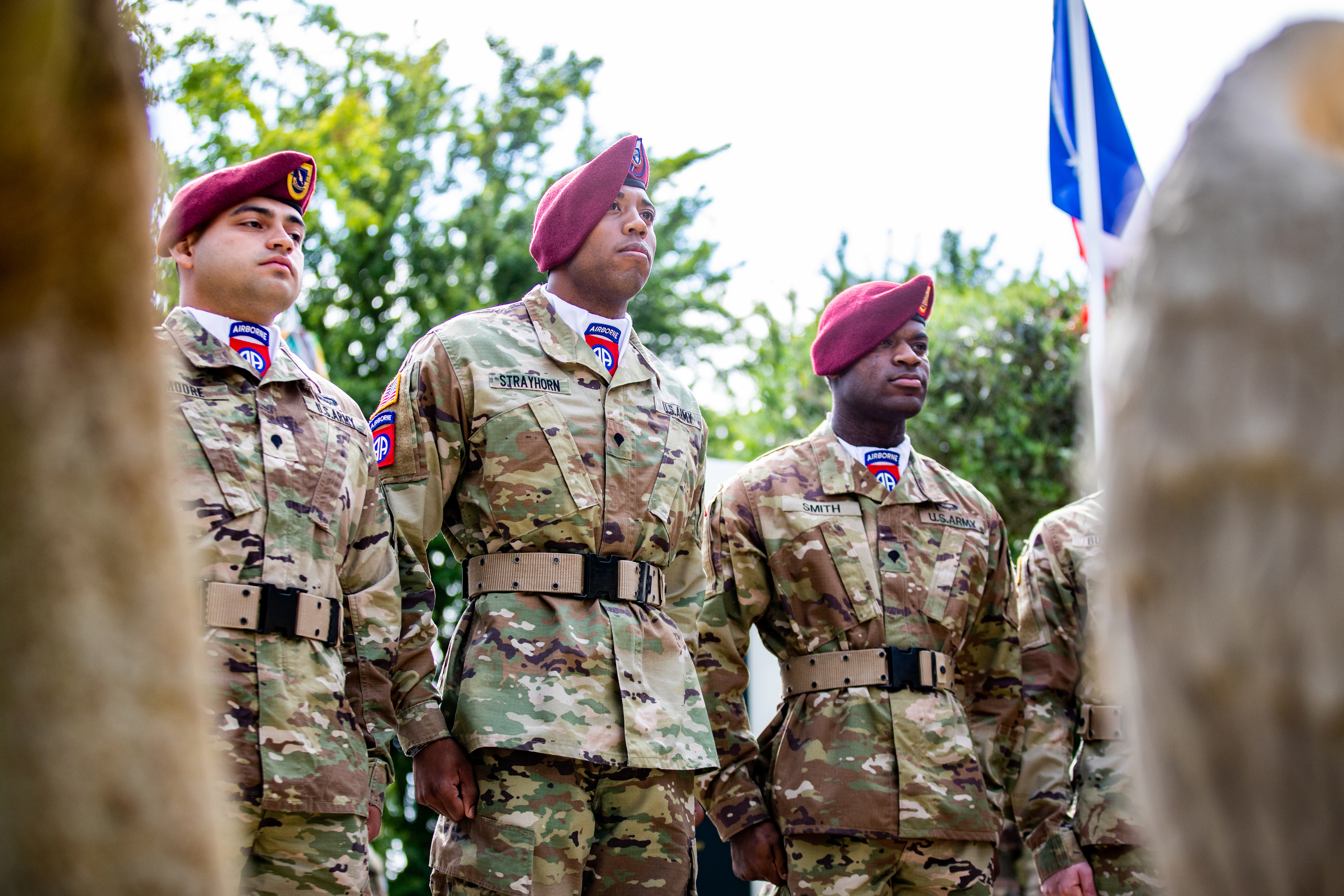
Christmas Eve Hell: The Battle for Sommocolonia
December 24, 1944, brought howling winds and driving snow to the Italian Apennines. Visibility dropped to mere yards as temperatures plummeted below freezing. It was the perfect weather for a surprise attack, and the Germans knew it.
SS troops emerged from the white chaos like ghosts, their winter camouflage making them nearly invisible against the snow. The assault caught the 92nd Division's forward positions off guard. Within hours, German forces had penetrated deep into the village, threatening to overrun the entire defensive line.
The Buffalo Soldiers fought house to house, but the odds were overwhelming. Radio communications crackled with desperate calls for reinforcement and artillery support. The situation deteriorated rapidly as German forces consolidated their gains, pushing deeper into Allied territory.
One Man's Stand: The Lieutenant's Heroic Decision
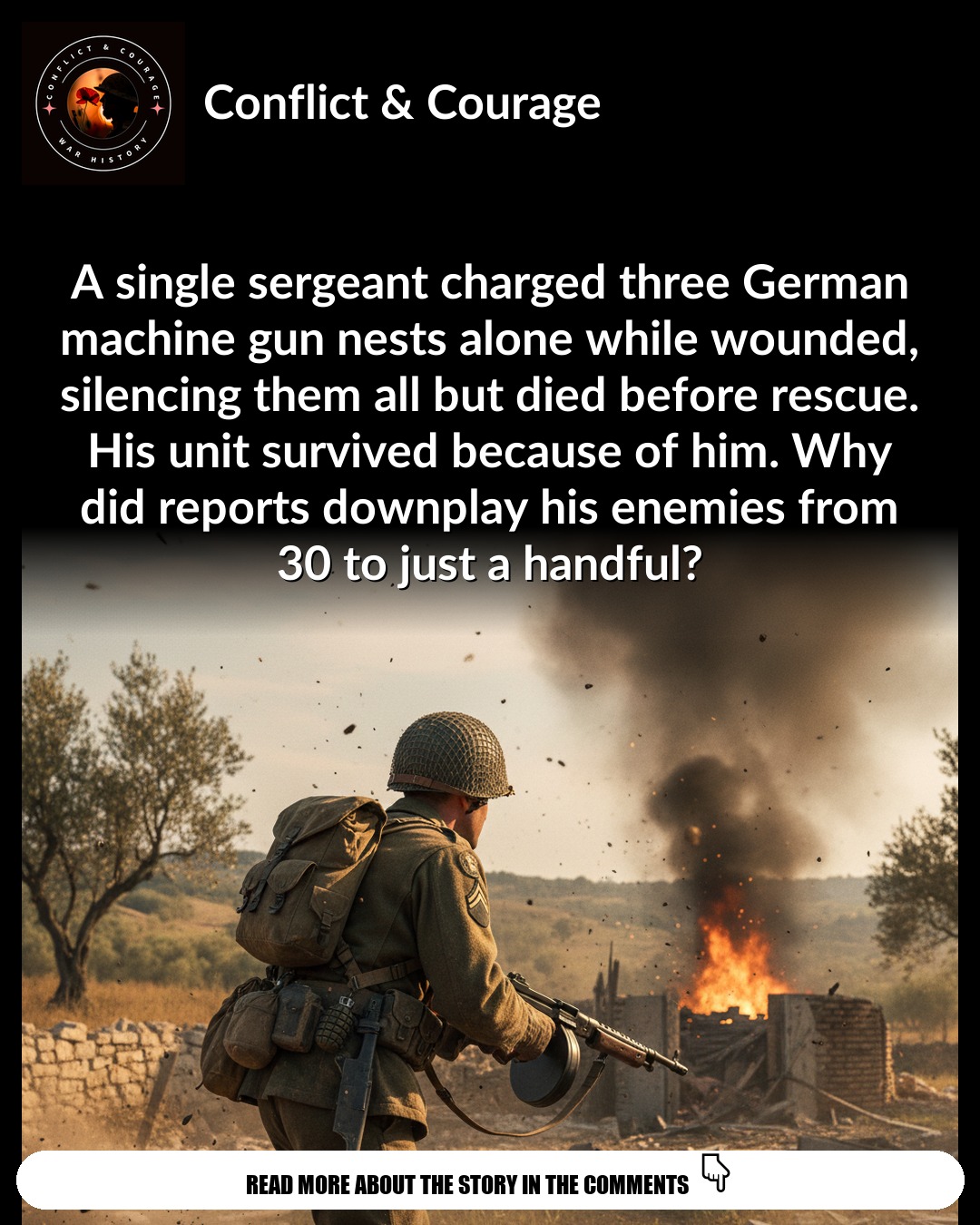
As his unit faced encirclement, the unnamed Black lieutenant faced an impossible choice. His men needed to withdraw immediately or risk total annihilation. But someone had to stay behind to direct artillery fire onto the German positions—positions that now included his own location.
Without hesitation, he ordered his soldiers to fall back while he remained at his radio post. His voice remained calm and professional as he called in coordinates, knowing each fire mission brought the shells closer to his own position. The static-filled transmissions carried the weight of certain death.
His final radio calls directed devastating artillery barrages onto the advancing SS troops. He could see the Germans closing in, their white uniforms ghostly in the swirling snow. Yet he continued transmitting, adjusting fire, ensuring maximum impact on the enemy forces surrounding him.
Against All Odds: 100 Germans, One American
The blizzard intensified as the lieutenant made his last stand. Artillery shells screamed overhead, impacting with thunderous explosions that shook the frozen ground. The accurate fire he directed tore through German ranks, disrupting their advance and saving the retreating American forces.
For hours, the bombardment continued. The lieutenant's position disappeared under a curtain of high explosive shells and flying snow. When the barrage finally lifted, an eerie silence settled over Sommocolonia's shattered buildings.
Days later, when Allied forces retook the village, they discovered the aftermath of one man's extraordinary sacrifice. The lieutenant's body lay among more than 100 fallen German soldiers, testament to the devastating effectiveness of the artillery fire he had directed. His heroic stand had turned the tide of the entire engagement.
52 Years of Injustice: The Medal of Honor Delayed
Despite witnesses to his incredible heroism, the lieutenant's Medal of Honor recommendation was quietly downgraded to a lesser decoration. Like many African American heroes of World War II, his sacrifice was minimized by a military establishment that couldn't conceive of Black soldiers performing such extraordinary acts of valor.
The systematic discrimination wasn't unique to this case. Similar injustices affected heroes like Melvin Morris, who waited 45 years for his Medal of Honor. The pattern of denying America's highest military decoration to Black servicemen was both widespread and deliberate.
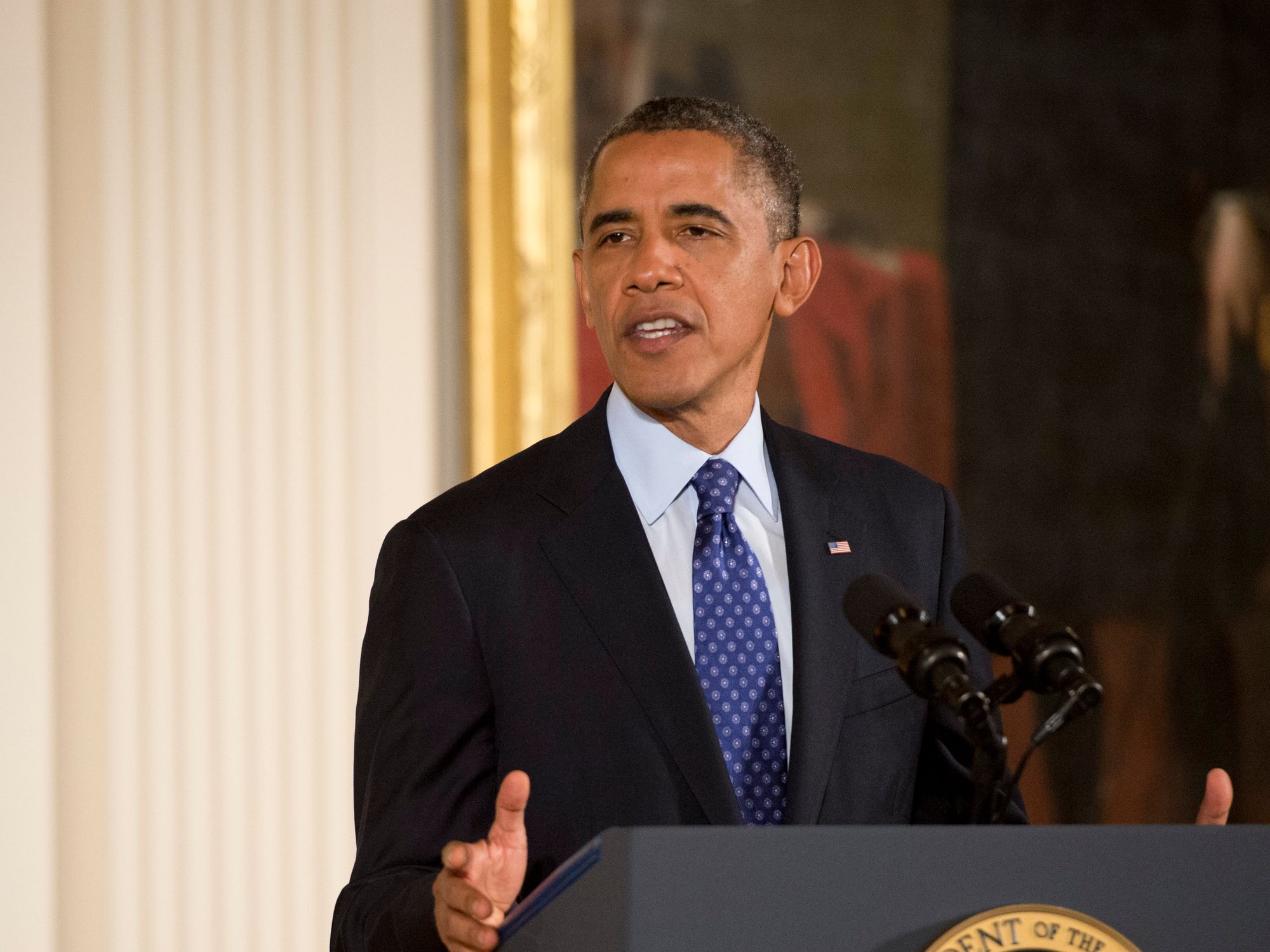
It wasn't until the 1990s that Congress ordered a comprehensive review of overlooked minority heroes from World War II. Finally, in 1997, President Bill Clinton presented seven Black veterans with long-overdue Medals of Honor, including recognition for the heroic lieutenant of Sommocolonia.
Legacy of the 92nd: Courage Under Fire
The Buffalo Soldiers of the 92nd Infantry Division proved their courage repeatedly throughout the Italian campaign. From the beaches of Anzio to the mountains of the Gothic Line, they fought with the same dedication as any white unit, often under worse conditions and with inferior equipment.
Sommocolonia became more than a tactical victory—it symbolized the forgotten heroism of thousands of African American servicemen whose sacrifices were overlooked or minimized. These men fought not just for victory, but for the right to be recognized as equal Americans.
Their legacy reminds us that heroism comes in all colors, and that the full story of World War II includes the courage of every soldier who served. The lieutenant who died in that Italian blizzard earned his place among America's greatest heroes, even if recognition came decades too late.
What stories of overlooked heroism have you discovered in your family's military history?