The Man Who Almost Didn't Go to War
Alvin York grew up in the Fentress County hills of Tennessee, where hunting wasn't a hobby — it was how your family ate. He could drop a turkey at distance before most boys his age could read a map. By the time America entered the First World War, York was a crack shot with instincts honed by years in rough, wooded country.
He was also a deeply devout Christian who wanted nothing to do with the war. When his draft notice arrived in 1917, York filed for conscientious objector status on religious grounds. The army looked at his marksmanship record and denied the claim.
Most people think York was a born warrior. Unpopular opinion: the real reason he was so devastating in the Argonne Forest was precisely because he never wanted to kill at all. A man wrestling with God and duty fights differently than one who never questioned either.
Faith, Doubt, and a Captain Who Changed His Mind
York's crisis wasn't political — it was spiritual. He genuinely believed that taking a life was a sin, and he wasn't prepared to make his peace with that easily. He brought his doubts to his pastor back home and then, remarkably, to his battalion commanders.
Captain Edward Danforth and Major George Buxton sat down with York and debated scripture with him for hours. They pointed to passages that framed war as a defence of the innocent — a righteous act rather than a sinful one. York went home on leave to pray it through, and came back resolved to serve.
Here's the uncomfortable question that history never quite settles: was that a moment of genuine spiritual clarity? Or was York simply told what the army needed him to believe? A man convinced by Bible verses to become one of WWI's most lethal soldiers is either a profound story of conscience — or a cautionary one.
The Argonne Forest: What Actually Happened on That Hillside
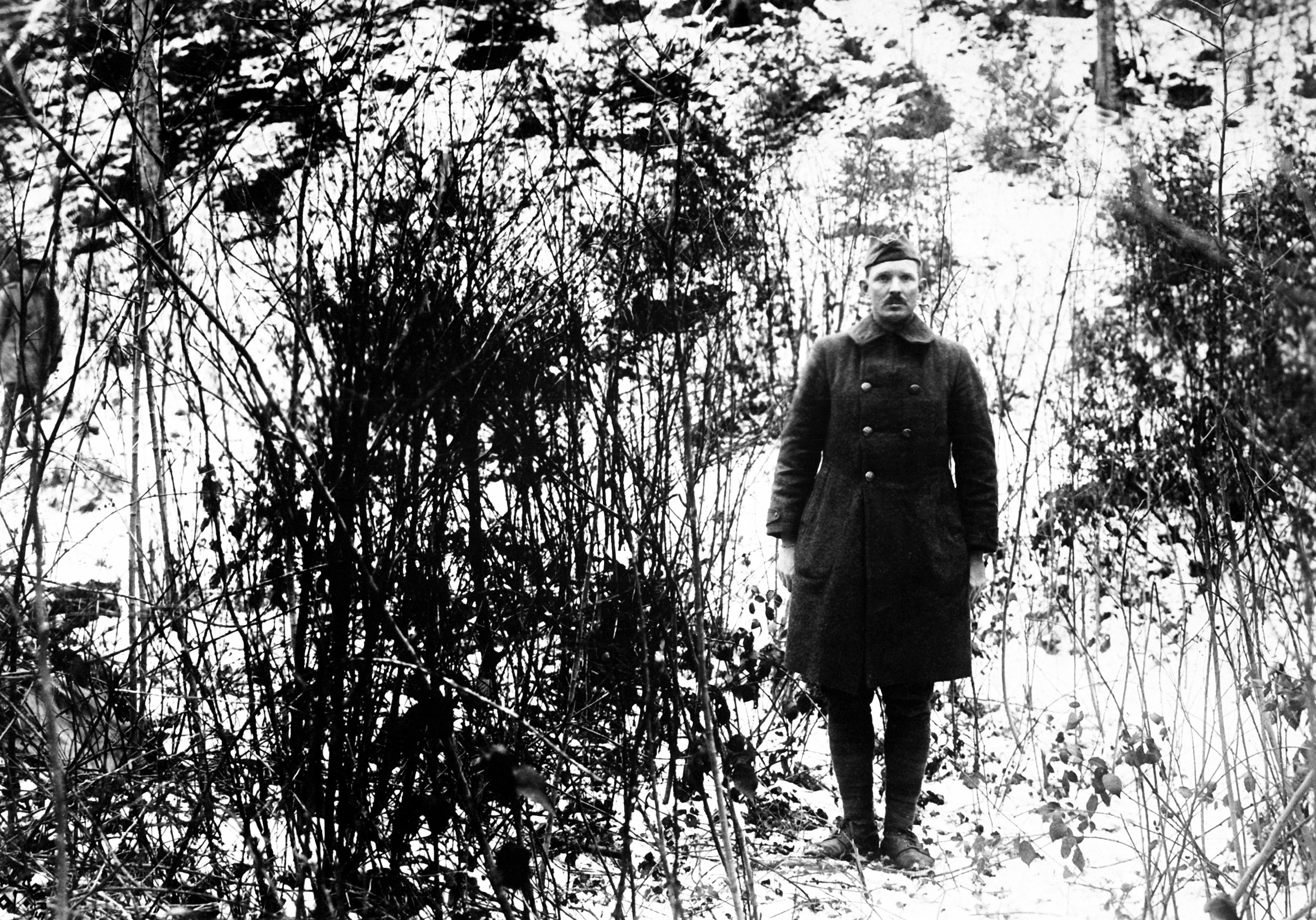
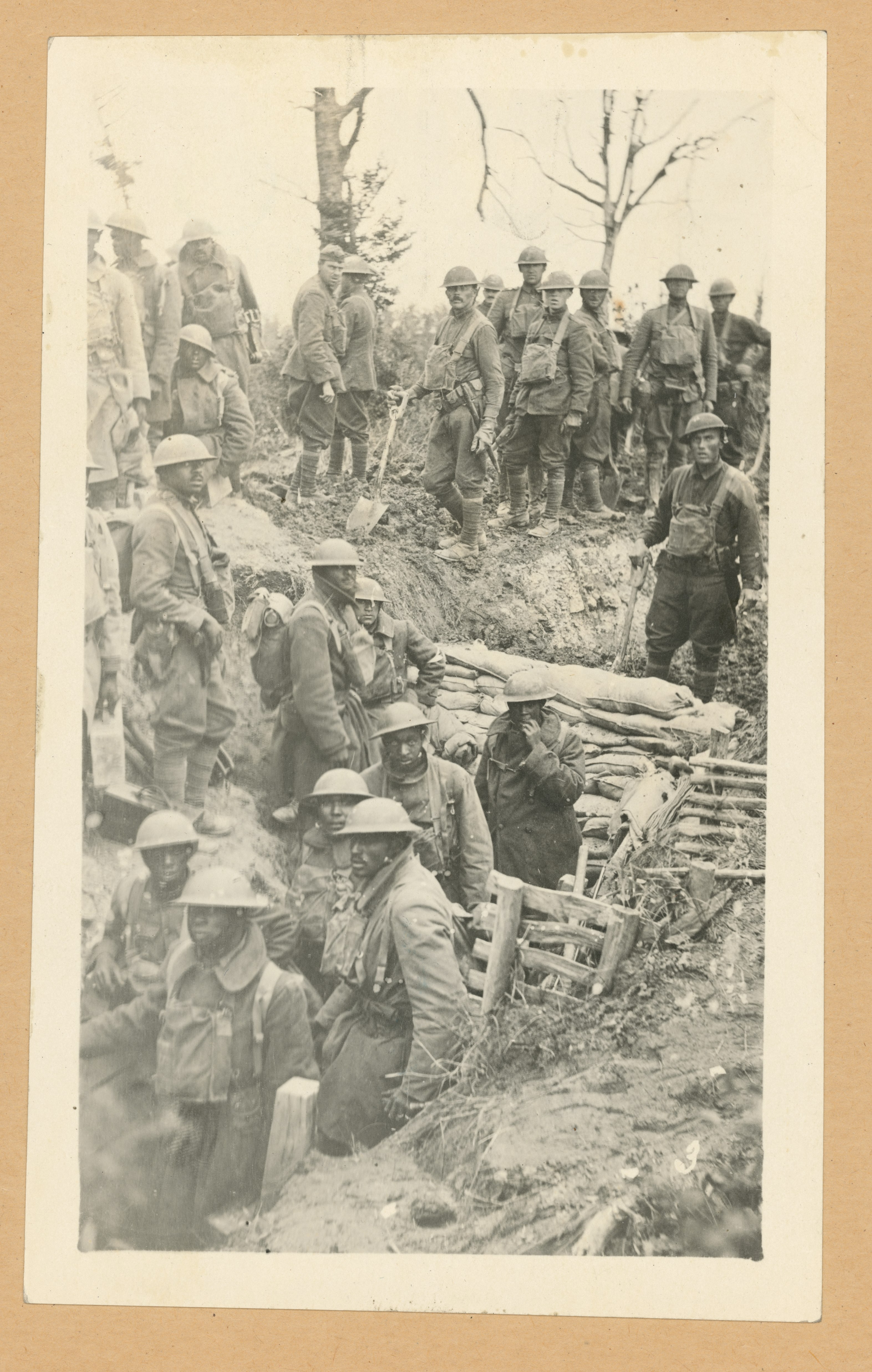
October 8, 1918. The Meuse-Argonne Offensive was tearing through one of the bloodiest chapters of the entire war. York's patrol of 17 men pushed into the woods to outflank a series of German machine gun positions. They were ambushed almost immediately. Several Americans went down in the first moments of contact.
York found himself the senior surviving non-commissioned officer. He took control of what was left of the patrol — and then did something that his own commanders would later struggle to believe.
He picked off the German soldiers from the rear of their line forward. Those at the back fell first. Those at the front had no idea where the threat was coming from — a technique any experienced turkey hunter would recognise instantly. When a German officer led a bayonet charge of six men directly at York, he drew his M1911 pistol and shot all six before they reached him.
By the time the shooting stopped, York had silenced multiple machine gun nests and, with his small group, marched 132 German prisoners back to Allied lines. This wasn't mythology. It was tactics — born from a hillside in Tennessee, not a military academy.
He Was Both a Humble Farmer and a Propaganda Goldmine
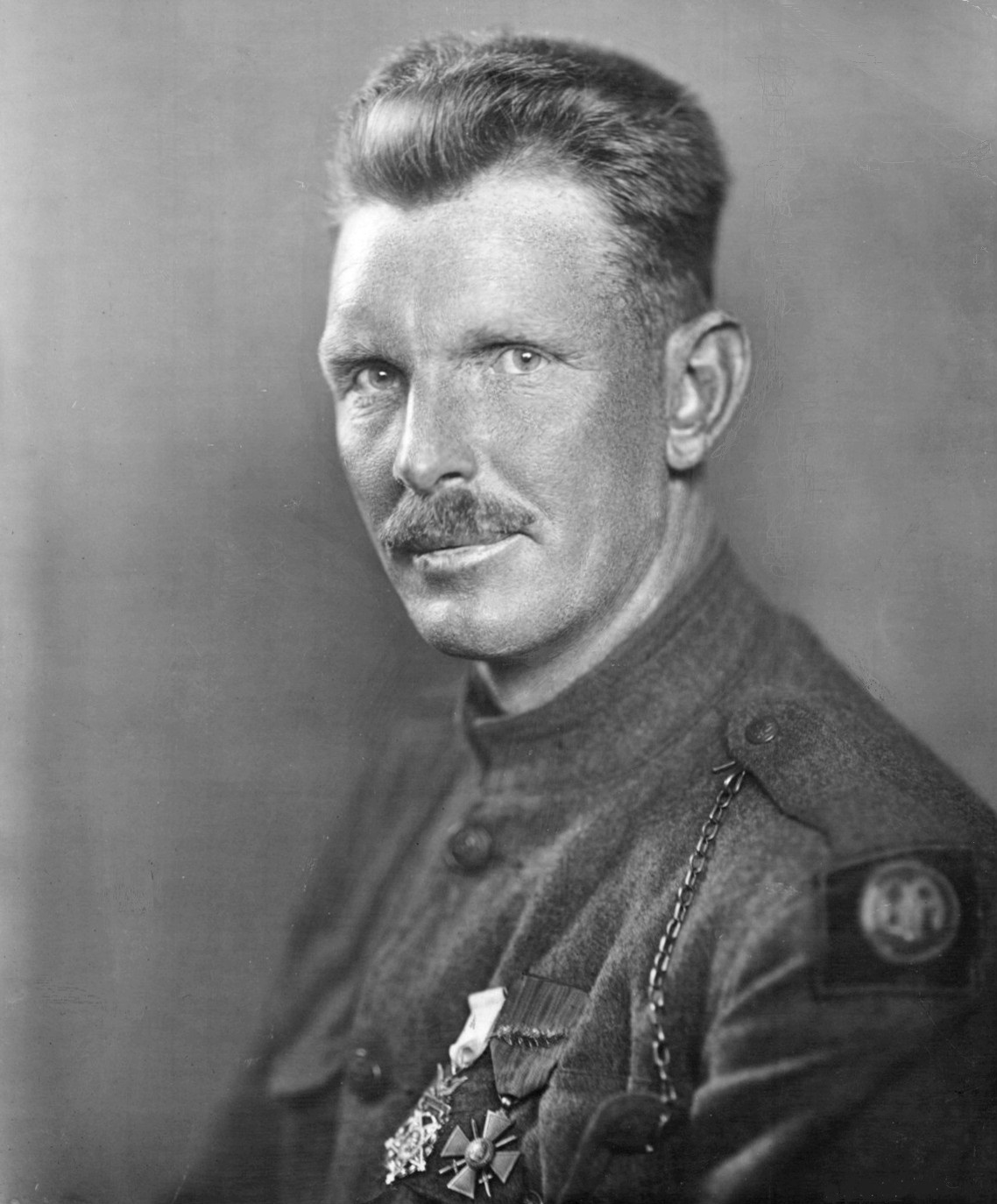
York received the Medal of Honor and the French Croix de Guerre. He came home to ticker-tape and endorsement offers — and turned almost all of them down. That restraint itself became part of the legend.
Then came the 1941 Gary Cooper film Sergeant York, deliberately released as America debated whether to enter the Second World War. Hollywood and Washington both understood exactly what a reluctant pacifist turned one-man army could do for public opinion. Much like Audie Murphy's story would be shaped for a later generation, York's narrative was curated as much as it was celebrated.
He was both a genuinely reluctant hero and a convenient symbol. Those two things are not mutually exclusive — but they are worth separating. Some say he was the greatest individual soldier of the First World War. Others say the myth overtook the man decades ago. Which side are you on?
The Rifle, the Terrain, and the Tactics — Skill or Fortune?
York fought with standard US Army issue — the M1917 Enfield rifle and the M1911 Colt pistol. Nothing exotic. No special advantage in the armory.
His edge was a lifetime of instinctive marksmanship in broken, wooded terrain — exactly what the Argonne presented. Most British and French soldiers of the same period were industrial-era conscripts with months of training. York had hunted since he could carry a rifle. The gap in practical fieldcraft was enormous.
The terrain argument cuts both ways, though. The wooded Argonne hillside suited everything York knew. Would the same man have achieved the same result in the open trench warfare that defined so much of the Western Front? Almost certainly not. Skill and setting found each other on that particular October morning in 1918.
What York Did With the Fame — and What It Cost Him
York came home and used his celebrity for something tangible: he built a school for mountain children in Tennessee. The York Institute still operates today. That's not nothing.
But fame didn't pay the bills. York struggled financially for much of his life, and the US government eventually stepped in to help settle his tax debts — a quiet admission that the nation's greatest living war hero had been left to flounder. The contrast between the parades and the poverty is striking.
He also used his platform ahead of the Second World War to push back against American isolationism — a pacifist-turned-soldier now urging an entire nation back into conflict. When the guns fell silent and the parades were over, did America honour Alvin York the way he deserved? Or did it use him up and move on?
The Verdict History Can't Quite Agree On
York is simultaneously the most decorated American soldier of the First World War and one of the most mythologised. His own commanding officers initially doubted the after-action reports — the numbers seemed impossible for one man in one engagement.
A 1929 battlefield revisit confirmed the core of the story. The ground, the angles, the distance — it all held up. The facts were never really in question. The framing always was.
When Sergeant York gets all the glory, who remembers the 16 other men in that patrol who fought alongside him — and what actually happened to them? Their names rarely appear in the retellings.
York was a conscientious objector who became a one-man army. Was he a man of God who genuinely found a way to reconcile faith and duty? Or was he a man the army — and later Hollywood — simply needed to believe that story about? And if stories of reluctant heroes resonate with you, the debate around Dick Winters at Brecourt Manor raises some very similar questions about what we choose to celebrate and why.