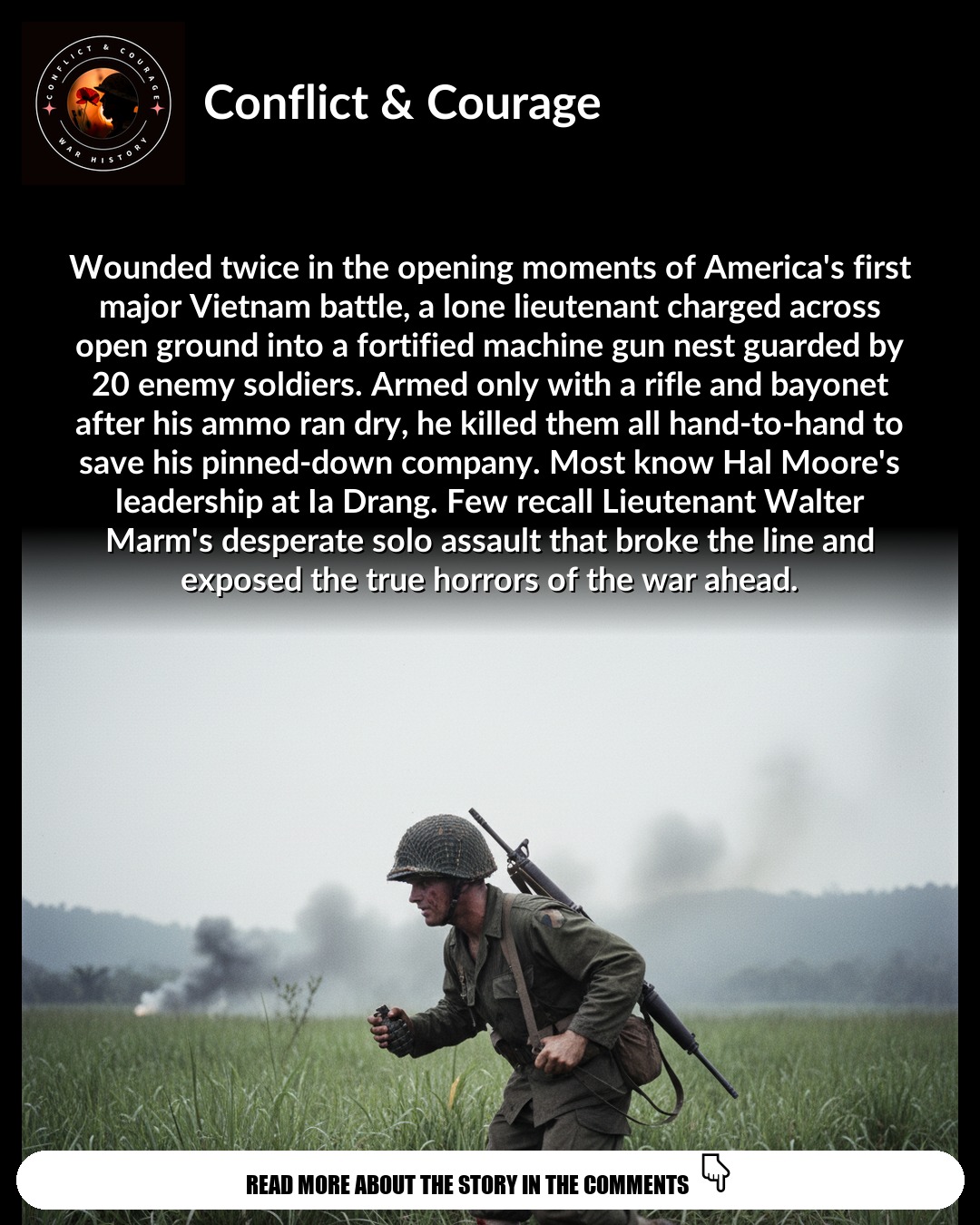
While history remembers Lieutenant Colonel Hal Moore's legendary leadership at Ia Drang Valley, one of the war's most extraordinary acts of heroism nearly vanished into forgotten after-action reports. In November 1965, as the 1st Cavalry Division faced its first major test against North Vietnamese regulars, a 29-year-old lieutenant would write his name in blood across the elephant grass of Landing Zone X-Ray.
What happened next would save an entire company—but it would take decades for the full story to emerge from the military bureaucracy that buried it.
The Battle That Changed Everything
The morning of November 14, 1965, brought hell to the Ia Drang Valley. Moore's helicopter-borne assault had landed his men directly into a hornet's nest of well-entrenched North Vietnamese Army regulars—thousands of them.
The tall elephant grass that covered Landing Zone X-Ray quickly became a maze of death. Enemy machine gun nests, expertly concealed and mutually supporting, turned every advance into a bloody crawl through green hell.
By midday, conventional small-unit tactics weren't working. Companies found themselves pinned down by interlocking fields of fire that seemed to come from everywhere and nowhere. Radio calls for artillery support echoed desperately across the battlefield, but some positions were too close to friendly forces for effective bombardment.
It was in this crucible that individual courage would tip the scales of battle.
When All Seemed Lost
One company had advanced too far and found itself trapped in a deadly pocket. A single North Vietnamese machine gun nest, perfectly positioned in the dense grass, had turned their forward progress into a killing field.
Men lay pressed against the earth, unable to move forward or back. The distinctive chatter of the enemy gun sent rounds snapping overhead with mechanical precision. Every attempt to flank the position met with accurate fire that drove soldiers back to cover.
Casualties mounted as the minutes ticked by. Wounded men called for medics who couldn't reach them. Radio operators frantically requested support that seemed an eternity away.
The young lieutenant watched his men dying and made a decision that defied every tactical manual ever written.
One Man Against Twenty
Rising from his position, the lieutenant began walking—not running, walking—directly toward the enemy machine gun. Bullets immediately found him, one tearing through his face, another shattering his leg.
He kept walking.
Like something from another century, he moved through that hellish grass with his rifle raised. When he reached the machine gun nest, he found himself facing not just the gun crew but nearly twenty North Vietnamese soldiers who had rallied to defend the position.
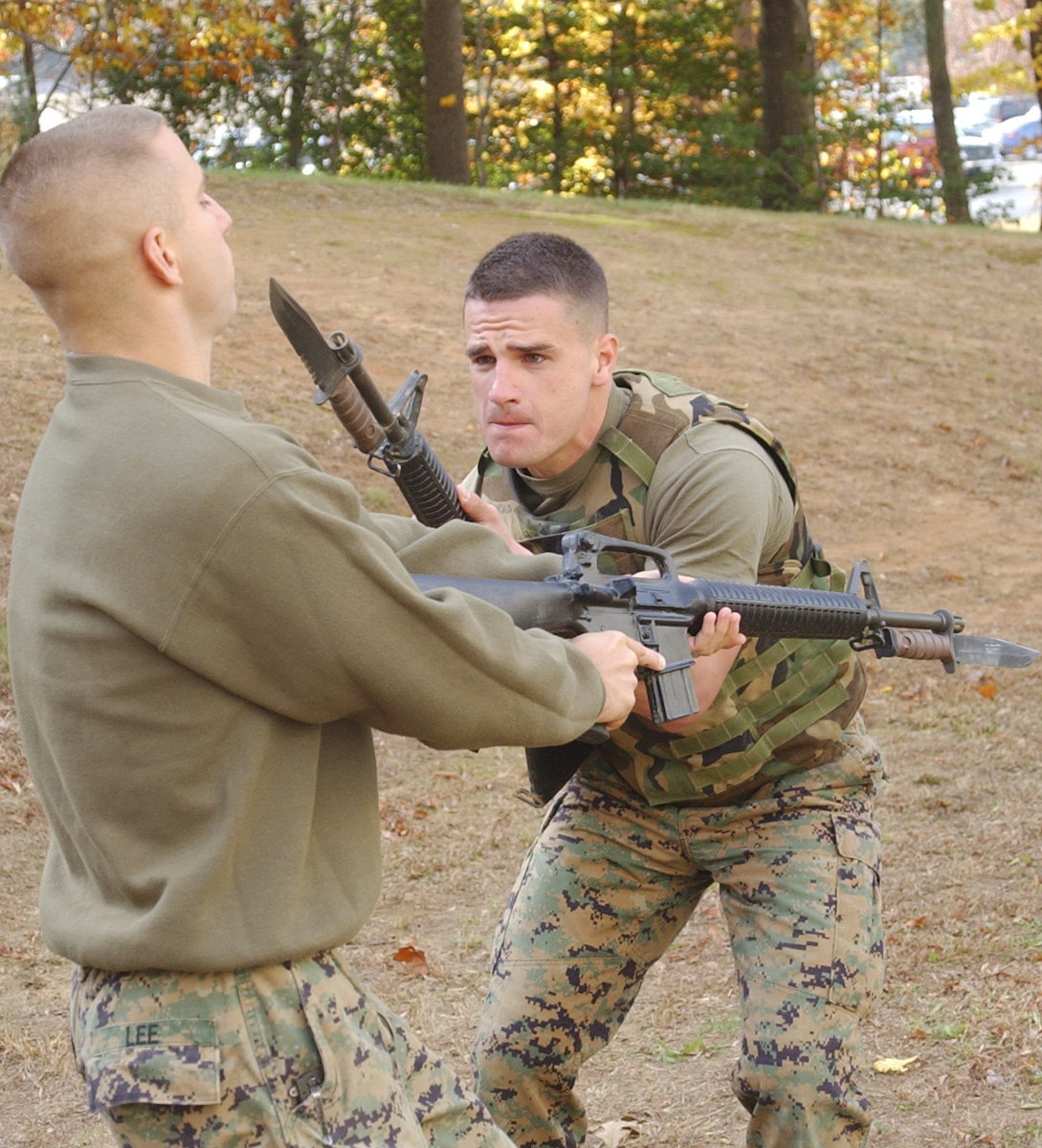
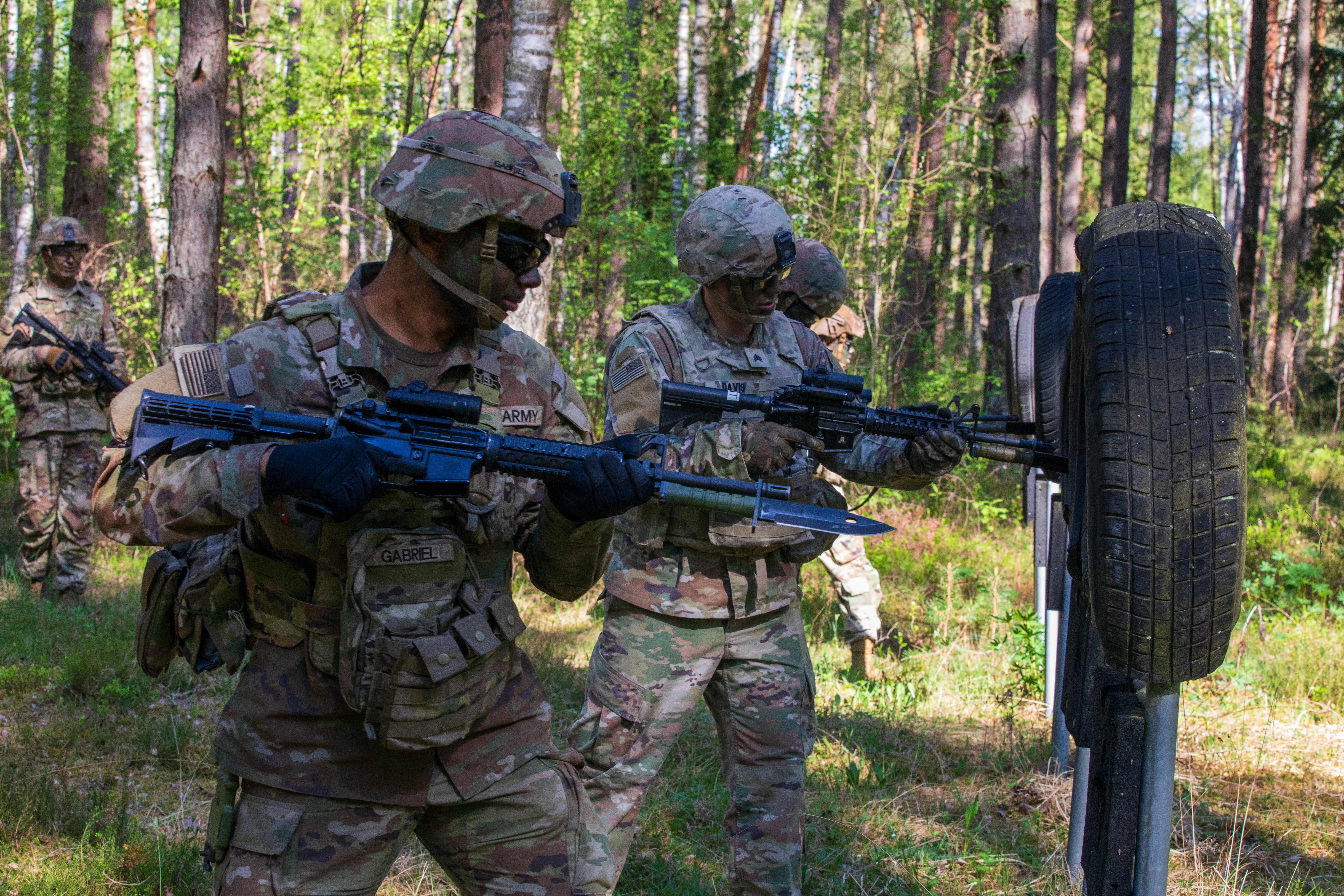
What followed was hand-to-hand combat in its most primal form. Rifle fire at point-blank range. The gleam of steel as bayonets crossed. The lieutenant, bleeding from multiple wounds, fought with the fury of a man who knew his soldiers were counting on him.
The machine gun fell silent. The position was his.
Found Among the Dead
When his men finally reached the position, they found bodies scattered around the silent gun. At first, they couldn't find their lieutenant at all. Then someone spotted him, motionless and blood-soaked, lying among the enemy dead.
They were certain he was gone. The wounds, the blood loss, the sheer impossibility of what he'd done—no one could have survived that charge.
But as they knelt beside him, his eyes opened. Instead of asking for a medic or water, his first words were tactical: "Keep moving. Take that ridge."
His impossible charge had broken the enemy's grip on the company. The way forward was clear, and his men surged through the gap he'd carved with rifle and bayonet.
Buried in the Reports
Military bureaucracy has a way of grinding down even the most extraordinary stories. The lieutenant's actions appeared in after-action reports as dry tactical notes: "Enemy position neutralized by direct assault."
The full details—the solo charge, the hand-to-hand combat, the refusal to accept medical aid—these elements scattered across different documents, filed in different offices, forgotten by different clerks.
Unlike some heroes whose stories found their way to newspaper headlines, this lieutenant's tale remained locked in military files. The witnesses were scattered to new units. The paperwork followed bureaucratic channels that had no appreciation for the human drama it contained.
It would take historians decades to piece together the complete picture of what happened that day in the elephant grass.
Legacy of Courage
That single charge didn't just save one company—it helped secure the entire Landing Zone X-Ray perimeter. The tactical situation Moore's men faced improved dramatically once that key machine gun position fell.
The lieutenant's surviving comrades carried his example with them through the rest of their Vietnam tours and beyond. They'd seen what one determined man could accomplish when everything seemed hopeless. That lesson proved invaluable in countless future engagements.
Modern military leadership training still studies moments like these—not just for their tactical value, but for their demonstration of moral courage under impossible circumstances. Stories like Lieutenant John Bobo's similar heroics in Vietnam remind us that extraordinary courage often emerges from ordinary soldiers in extraordinary circumstances.
These forgotten heroes deserve more than bureaucratic footnotes. They represent the very best of what military service can produce—individuals willing to sacrifice everything for their comrades and their mission.
What stories of forgotten courage do you think still lie buried in military archives? Share your thoughts in the comments below, and help us keep these remarkable tales of heroism alive for future generations.