When Enigma gets all the glory, who remembers the women who actually broke it? Winston Churchill called Bletchley Park his "geese that laid the golden eggs" — but conveniently forgot to mention most of those geese were female.
Seventy-five percent of Bletchley's workforce were women, yet every history book focuses on Alan Turing and his brilliant male colleagues. Fair enough — Turing was a genius. But those machines didn't run themselves.
The Women Behind the Enigma Codebreaking Effort
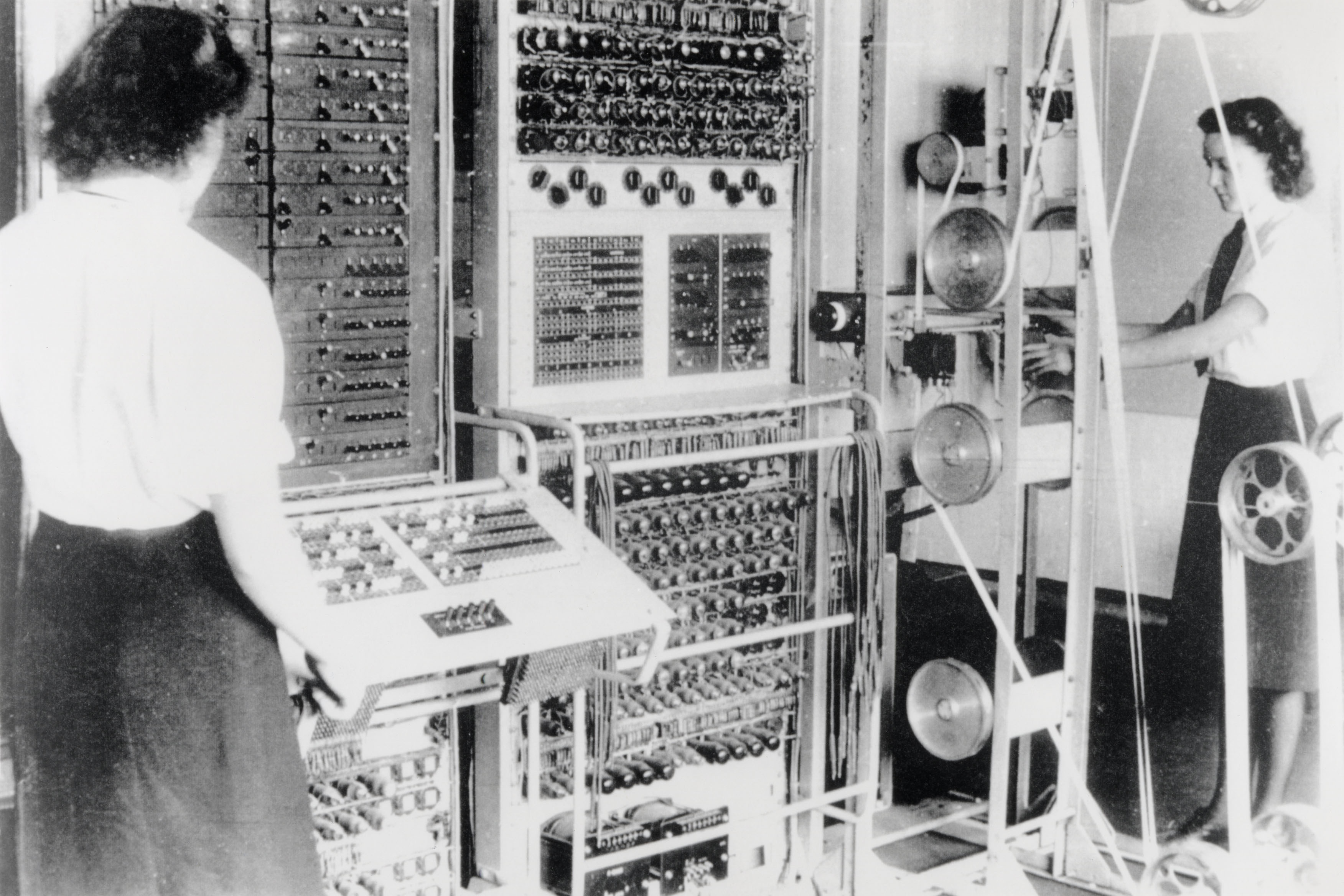
Picture this: thousands of young women hunched over clicking, whirring machines in freezing huts, feeding Nazi intercepts into cutting-edge computers that could decide the fate of convoys in the Atlantic. These weren't secretaries filing papers — they were operating technology so advanced it wouldn't be seen again for decades.
Every breakthrough credited to the brilliant men upstairs happened because women downstairs kept the Bombe machines and Colossus computers running around the clock. One mistake could mean Allied ships sailing straight into U-boat wolf packs.
Yet when the war ended, guess who got the recognition?
The Recruitment Drive That Changed Everything
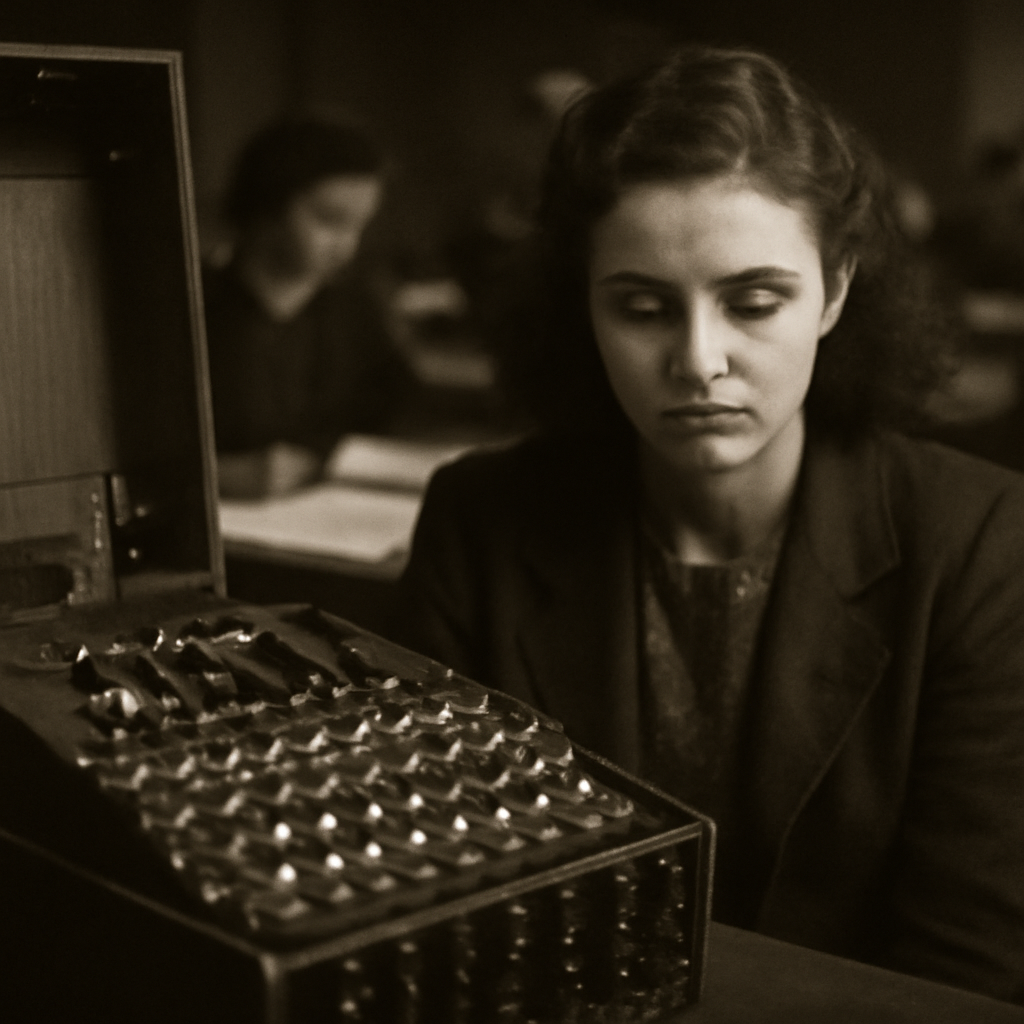
Government scouts visited universities looking for women with what they called "twisted minds" — brilliant at crosswords, languages, and logical puzzles. Debutantes found themselves recruited alongside teachers and linguists, all plucked from ordinary lives for extraordinary work.
Many signed the Official Secrets Act without knowing what they'd signed up for. The cover story? They were doing "clerical work for the Foreign Office." Their families bought it completely.
Imagine being twenty years old and suddenly holding secrets that could change the course of the war. That was just Tuesday at Station X.
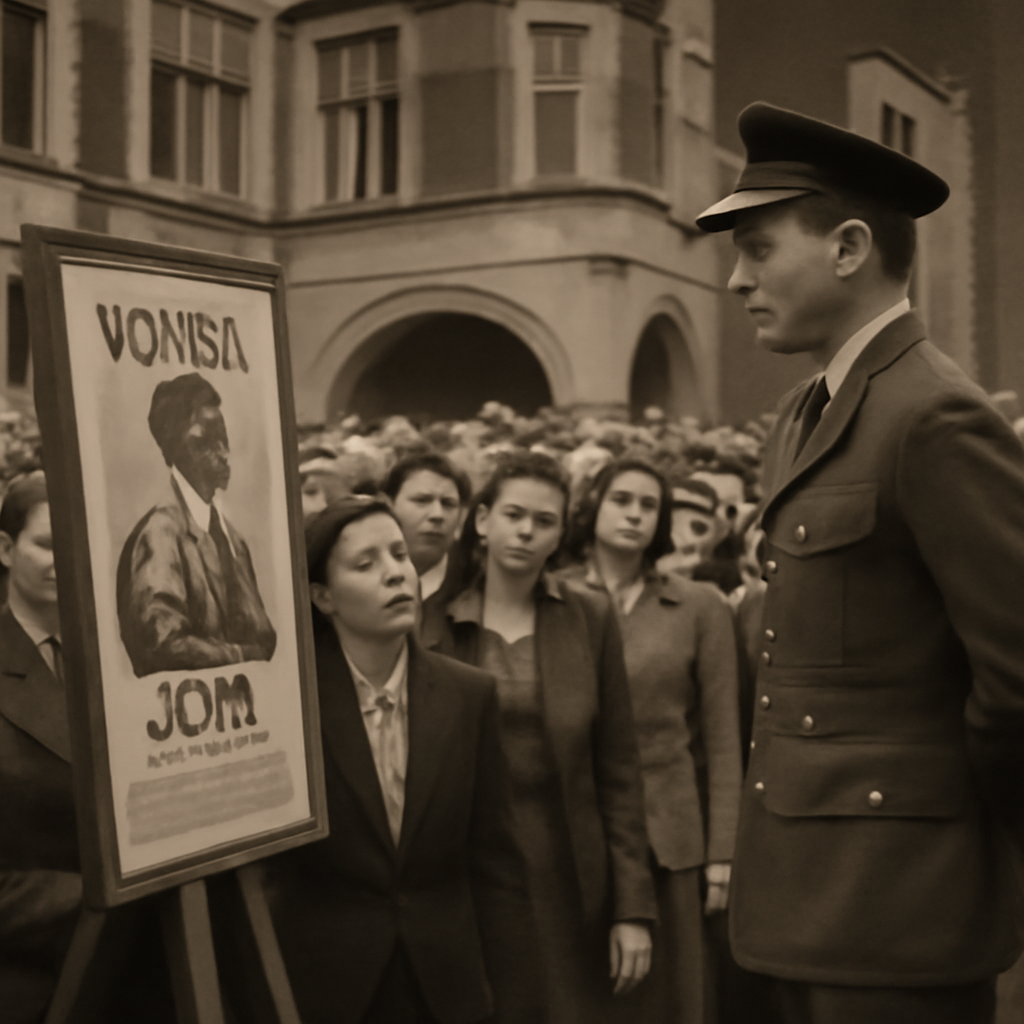
Inside the Secret World of Station X
The reality was brutal. Freezing Nissen huts. Twelve-hour shifts. The constant clicking of Bombe machines searching for that day's Enigma settings. Exhaustion became as dangerous an enemy as Germany itself.
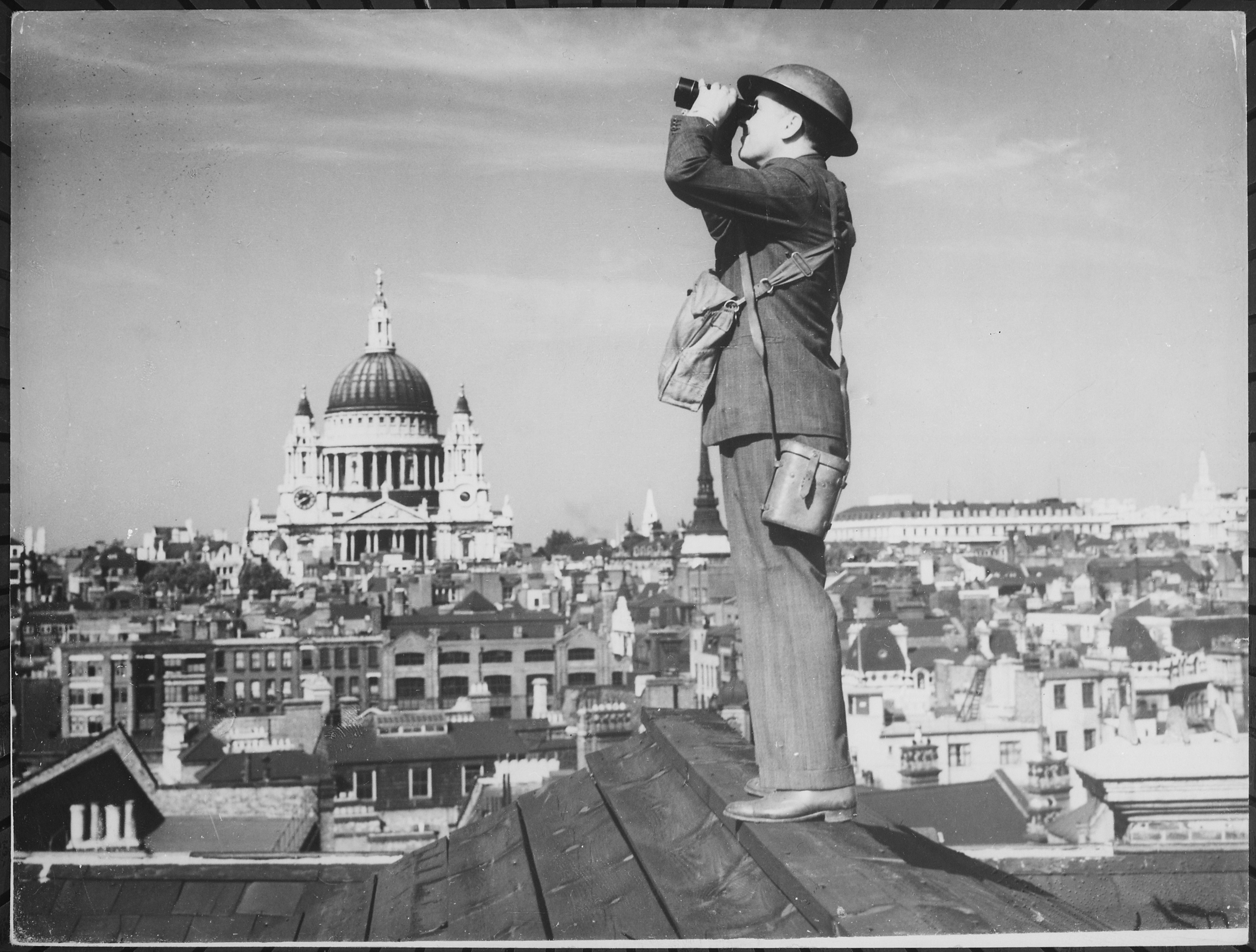
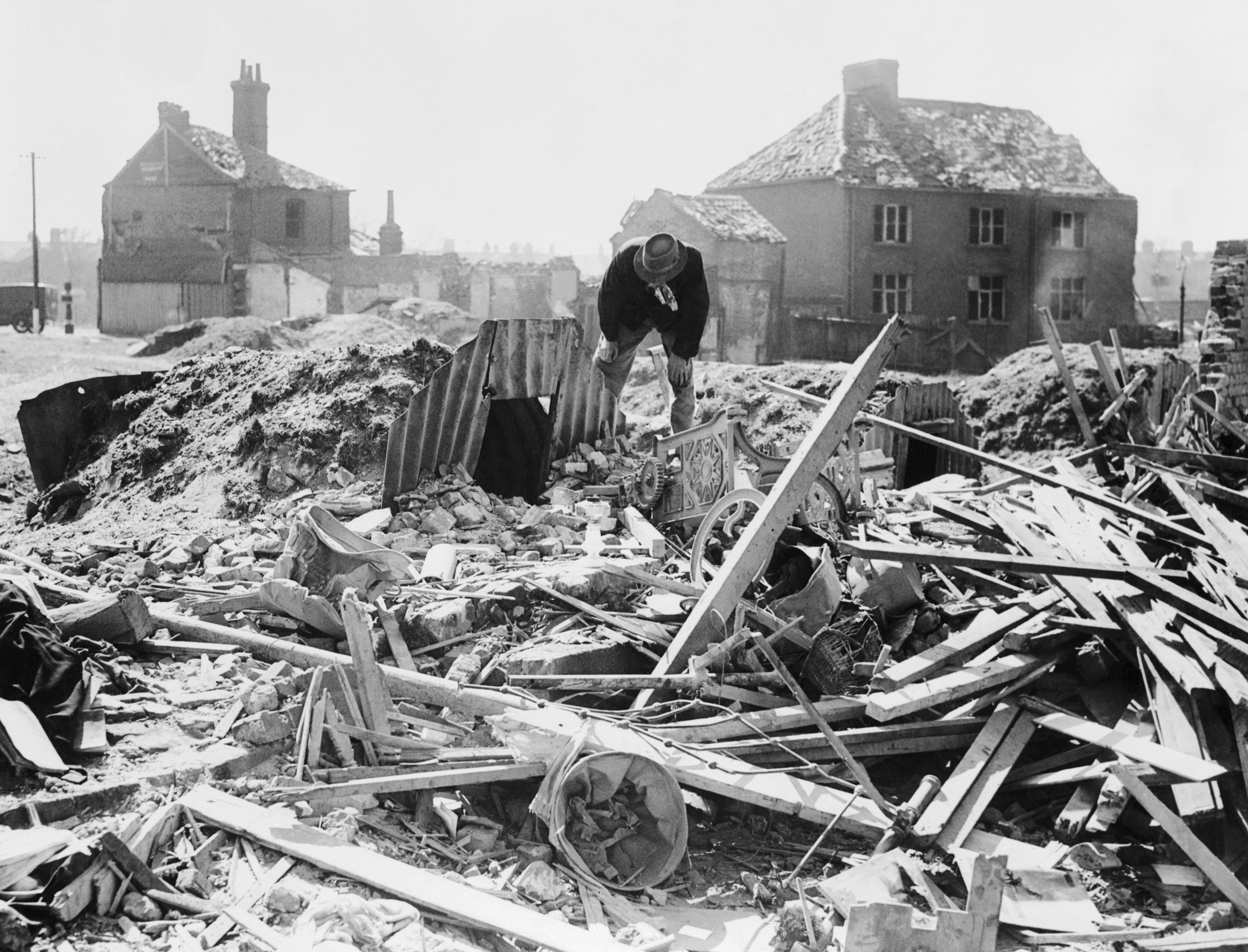
The psychological pressure was crushing. These women knew that every message they decrypted — or failed to decrypt — could mean the difference between life and death for thousands of servicemen. Just like the radar operators tracking incoming Luftwaffe raids, they carried the weight of Britain's survival on their shoulders.
Social life meant dances with wounded soldiers and relationships conducted under absolute secrecy. How do you date someone when you can't tell them what you do all day?
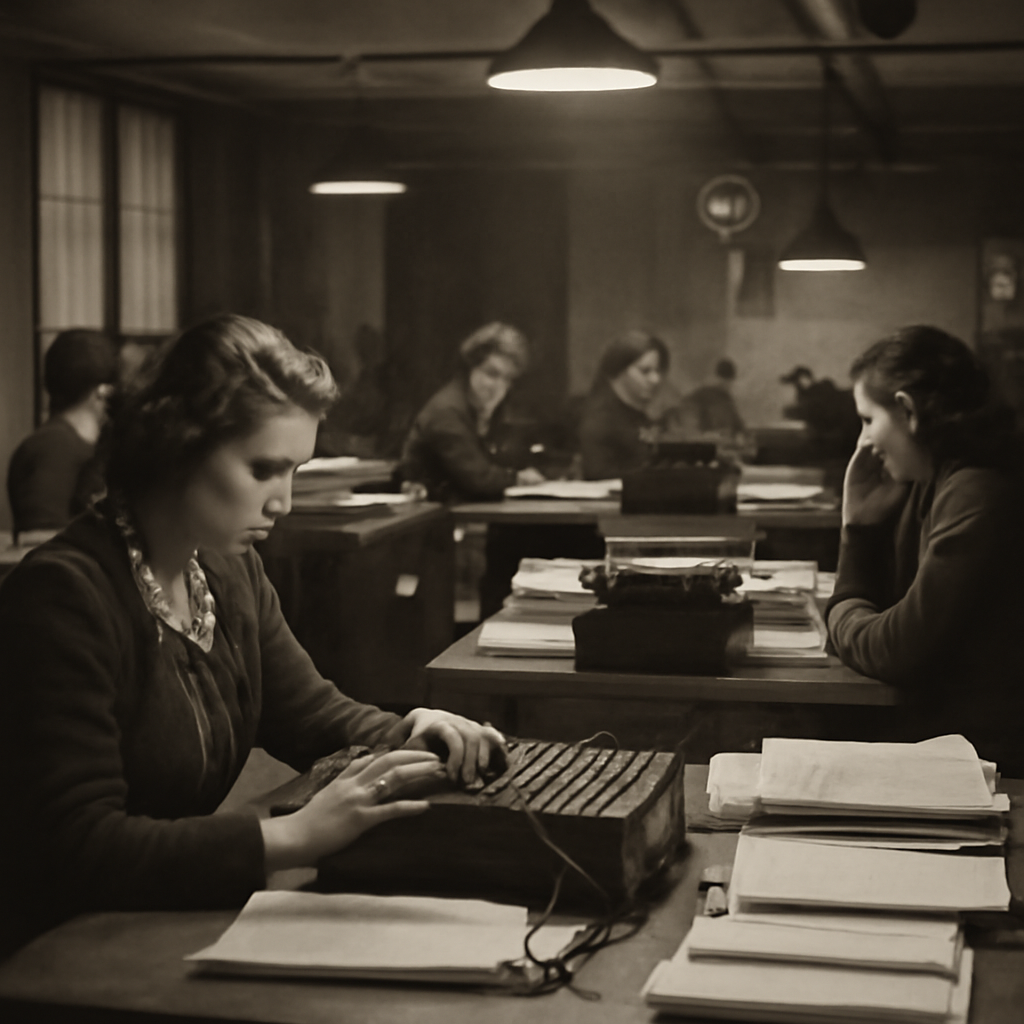
The Oath of Silence That Lasted Decades
Here's what still amazes me: these women kept their secrets from husbands, children, and closest friends for thirty years. Many took those secrets to the grave. Their families only learned the truth from historians decades later.
The 1974 revelation shocked even their own children, who'd spent their entire lives thinking mum "just typed during the war." Some marriages nearly collapsed when spouses finally discovered what their partners had really been doing.
Veterans describe an overwhelming mix of relief and guilt when they could finally talk. Relief at sharing the burden. Guilt that they'd lied to loved ones for decades.
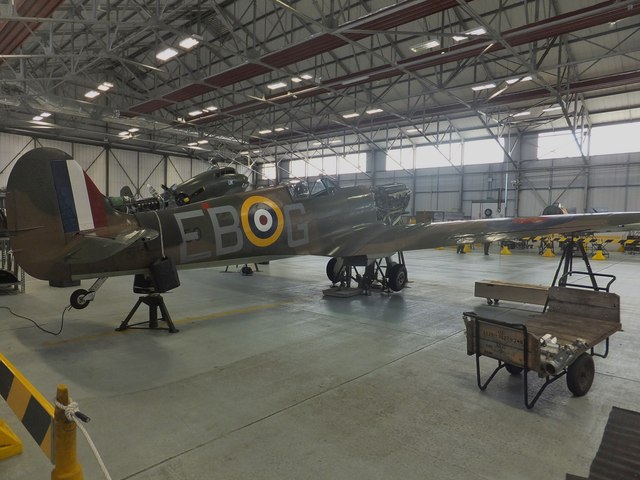
The Battles They Won From a Country Estate
Breaking German naval codes saved countless merchant ships in the Atlantic. Their intelligence influenced D-Day timing and prevented German reinforcements from reaching Normandy beaches. While engineers were building secret floating harbors, Bletchley's women were ensuring those harbors wouldn't face unexpected resistance.
Decrypting Luftwaffe communications helped win the Battle of Britain. Intelligence from Bletchley shortened the war by an estimated two years. Each breakthrough meant thousands of Allied lives saved.
Yet they received no recognition for their role in these victories.
The Recognition That Never Came
No medals. No parades. No mention in dispatches for most Bletchley veterans. While codebreaking became famous, the women operators remained invisible.
Many struggled with post-war employment after operating the world's most advanced computers. The Official Secrets Act meant they couldn't even mention their wartime experience on job applications. Imagine having saved thousands of lives but being unable to prove you'd done anything more challenging than typing.
Only in recent decades have their contributions received proper acknowledgment. Too late for many who died still bound by secrecy.
The Legacy Question That Still Divides Opinion
Should wartime secrecy have protected these women's stories for so long? Was their anonymity the price of victory, or a betrayal of their sacrifice?
How many other "classified" contributions by women remain buried in government files? We're still discovering secret wartime operations that challenge everything we thought we knew about the home front.
The uncomfortable question: are we still undervaluing women's contributions to national security today?
What do you think — should these women have been celebrated immediately after the war, or was their continued secrecy essential for national security?