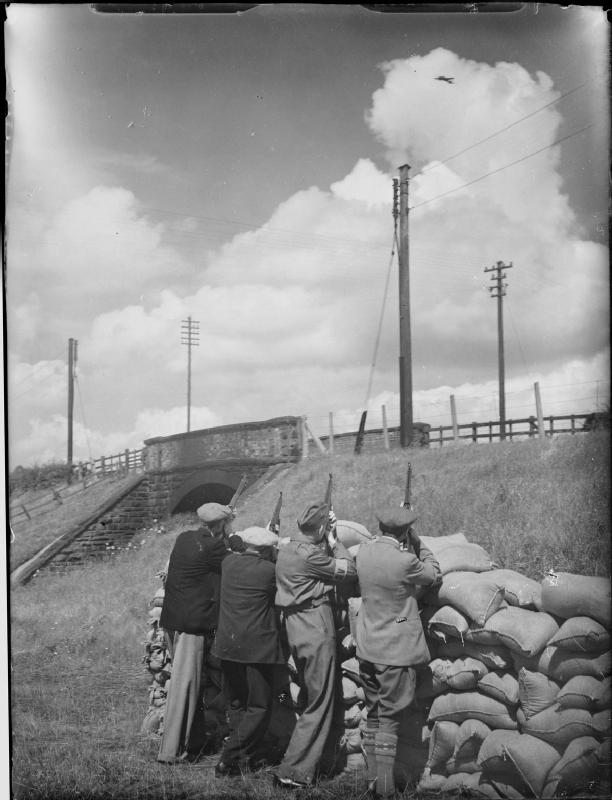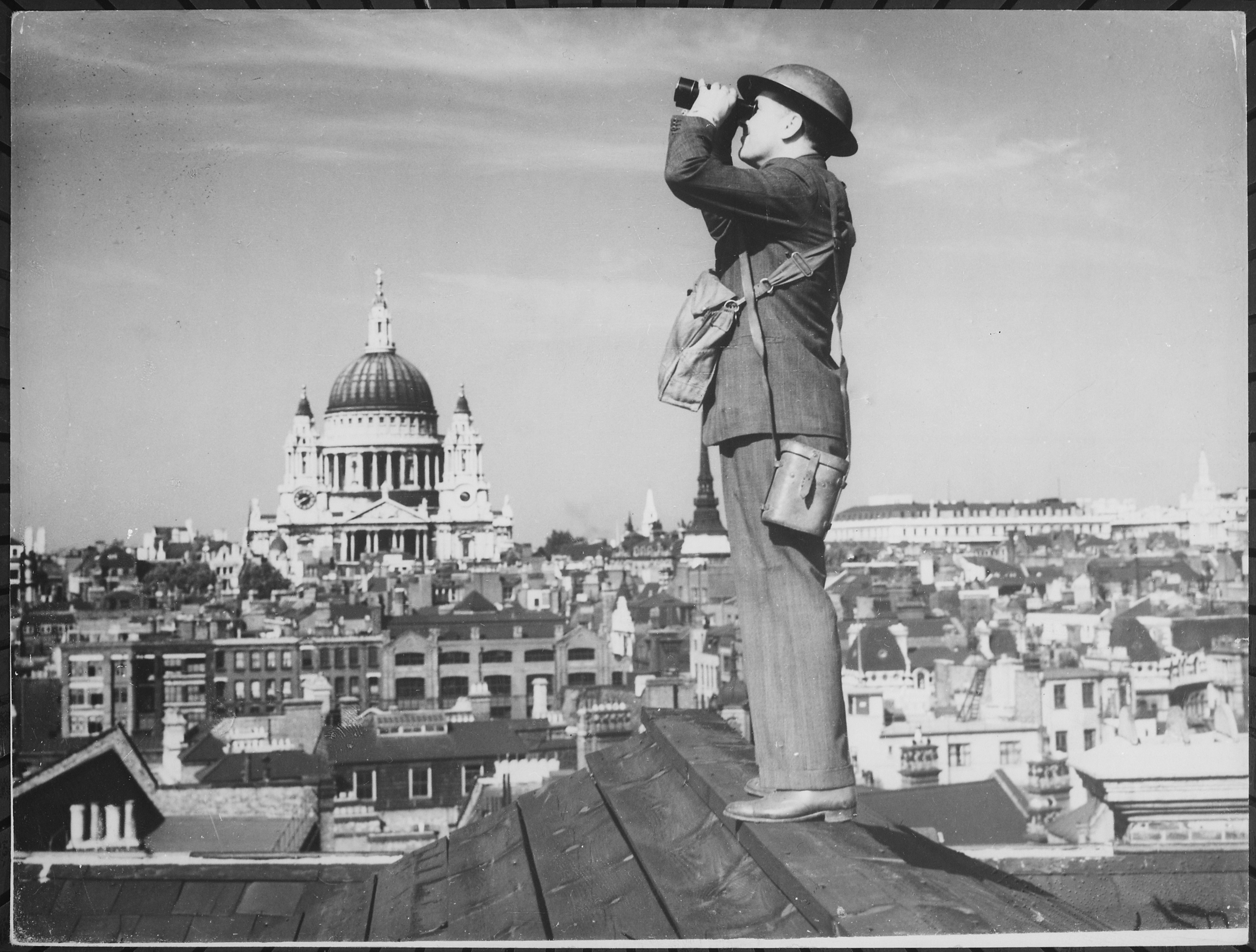
When the Battle of Britain gets all the glory, who remembers the ordinary volunteers standing on rooftops with binoculars? While Spitfire pilots earned fame and radar operators worked in secret bunkers, thousands of civilians spent night after night scanning the skies for incoming death.
The Royal Observer Corps was Britain's forgotten early warning system — manned not by trained technicians, but by grocers, farmers, and housewives who could spot a Heinkel by its engine note alone.
The Observer Corps: Tracking Raiders Once They Crossed the Coast
Everyone knows about Chain Home radar — Britain's technological marvel that supposedly won the war. But radar had a fatal flaw: it only worked over water. Once enemy aircraft crossed the coastline, they vanished into a technological blind spot.
That's where the Royal Observer Corps stepped in. Ordinary citizens became Britain's inland eyes, tracking every German bomber from Dover to Birmingham. A shopkeeper in Kent spotting a formation of Dorniers could save more lives than any fighter pilot — if he was fast enough with his telephone.
These weren't military professionals. They were volunteers who learned to identify aircraft silhouettes in their spare time, then spent their nights freezing on observation posts, watching for shadows against the stars.
Chain Home was brilliant — but the Royal Observer Corps was essential
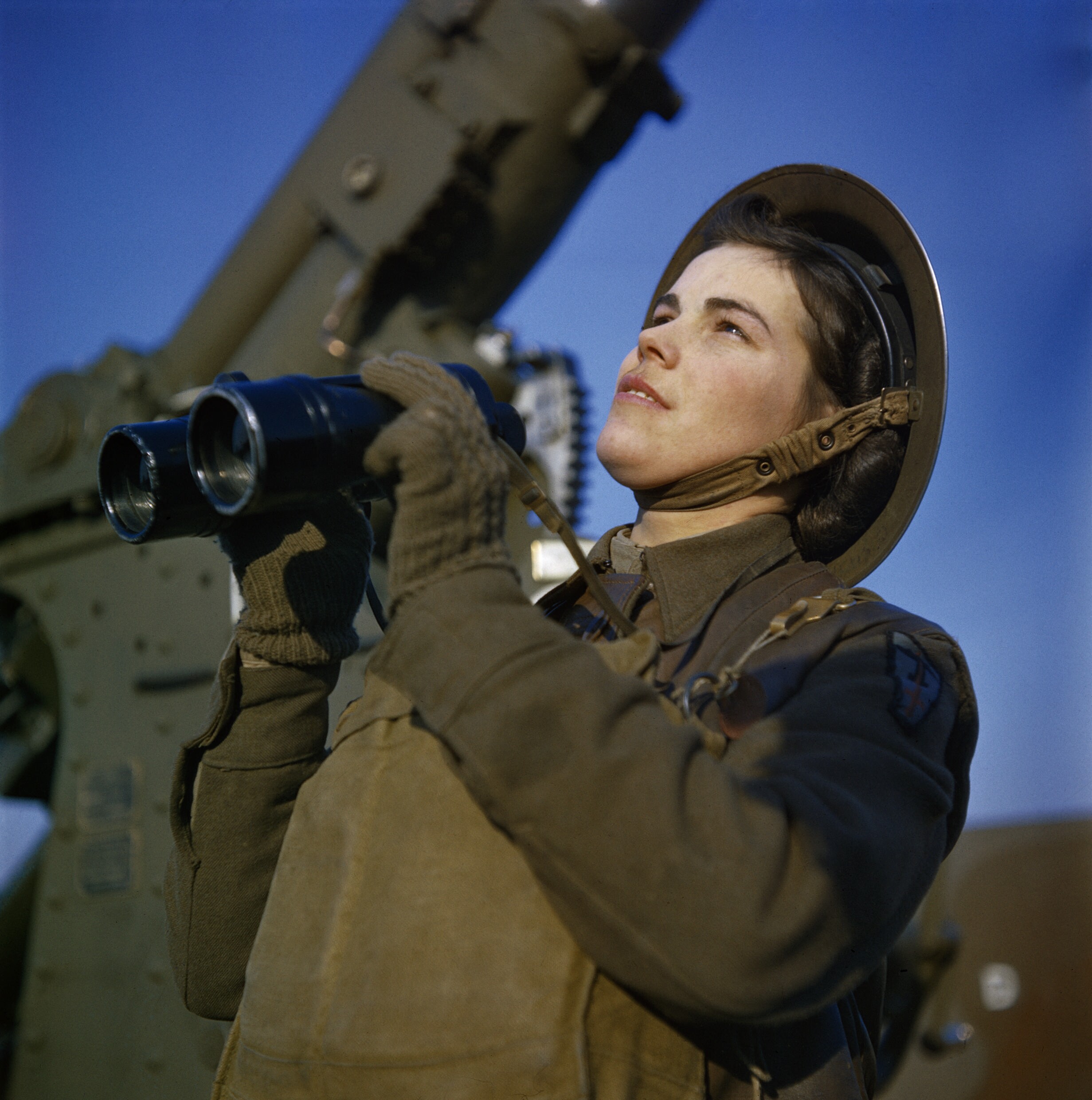
Radar operators sat in comfortable concrete bunkers, reading blips on screens. Observer Corps volunteers stood exposed on rooftops and hilltops, using nothing but Mark One Eyeball and practiced ears to track incoming raids.
When technology failed — and it often did — human observation kept Britain's defenses functioning. Radio jamming could blind radar stations, but it couldn't stop a determined volunteer from spotting bomber formations and cranking his field telephone.
The Corps plotted aircraft movements on maps using simple coordinates, feeding crucial information to Fighter Command. Without their reports, RAF squadrons would have been flying blind once raiders crossed the coast.
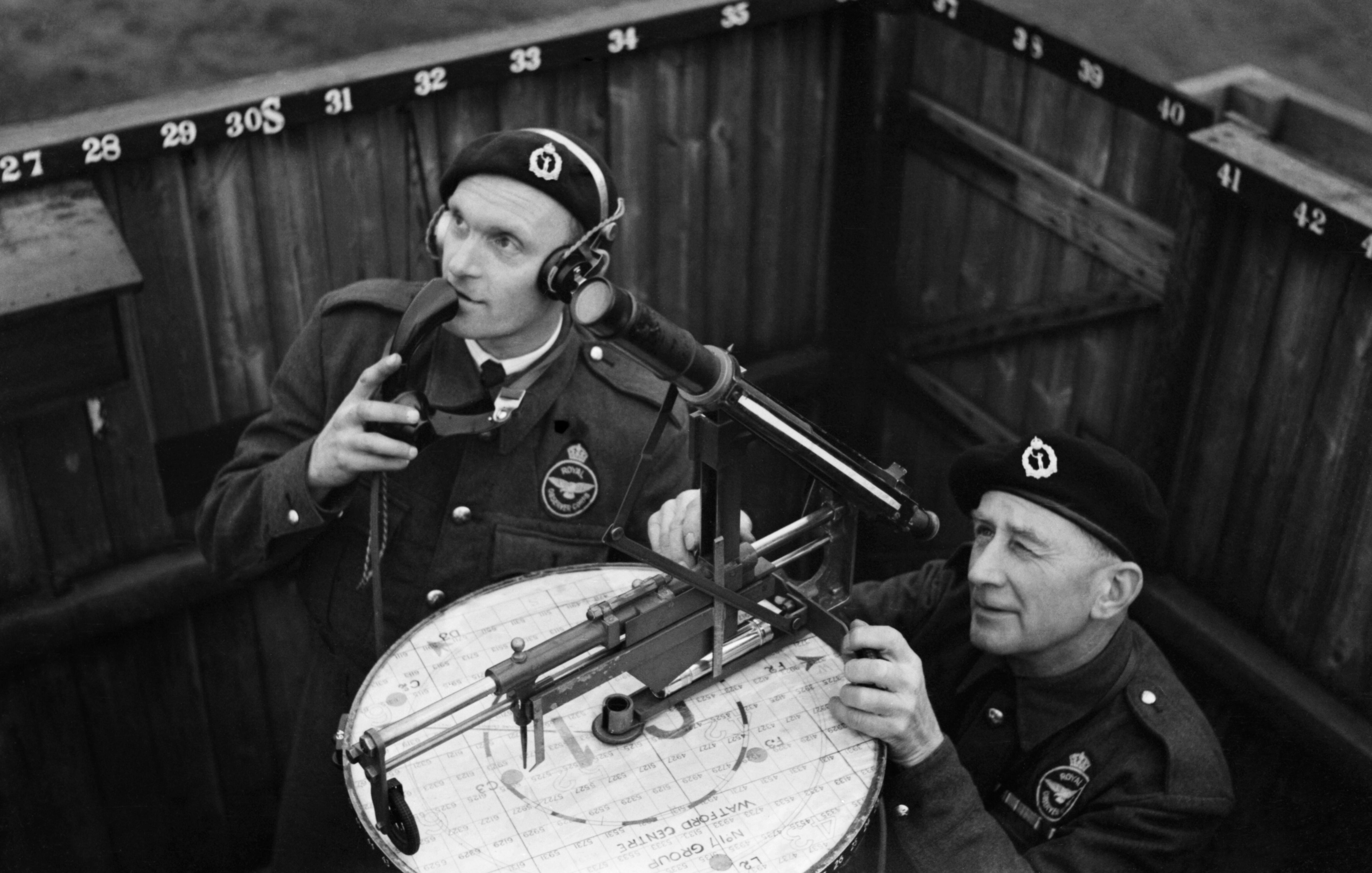
Standing watch while London burned
During the Blitz, Observer Corps posts became front-line positions. Volunteers tracked the very bombers that minutes later would be dropping death on their neighbors and families. They heard the drone of approaching engines long before air raid sirens wailed.
Picture standing on an exposed rooftop in September 1940, watching hundreds of German bombers heading toward London. Your job was to count them, identify their types, and plot their course — all while knowing your own home might be in their path.
Many posts came under direct attack. Volunteers were killed or wounded while maintaining their watch, continuing to report even as bombs fell around them. Like ARP wardens, they faced the same dangers as combat troops but without military recognition.
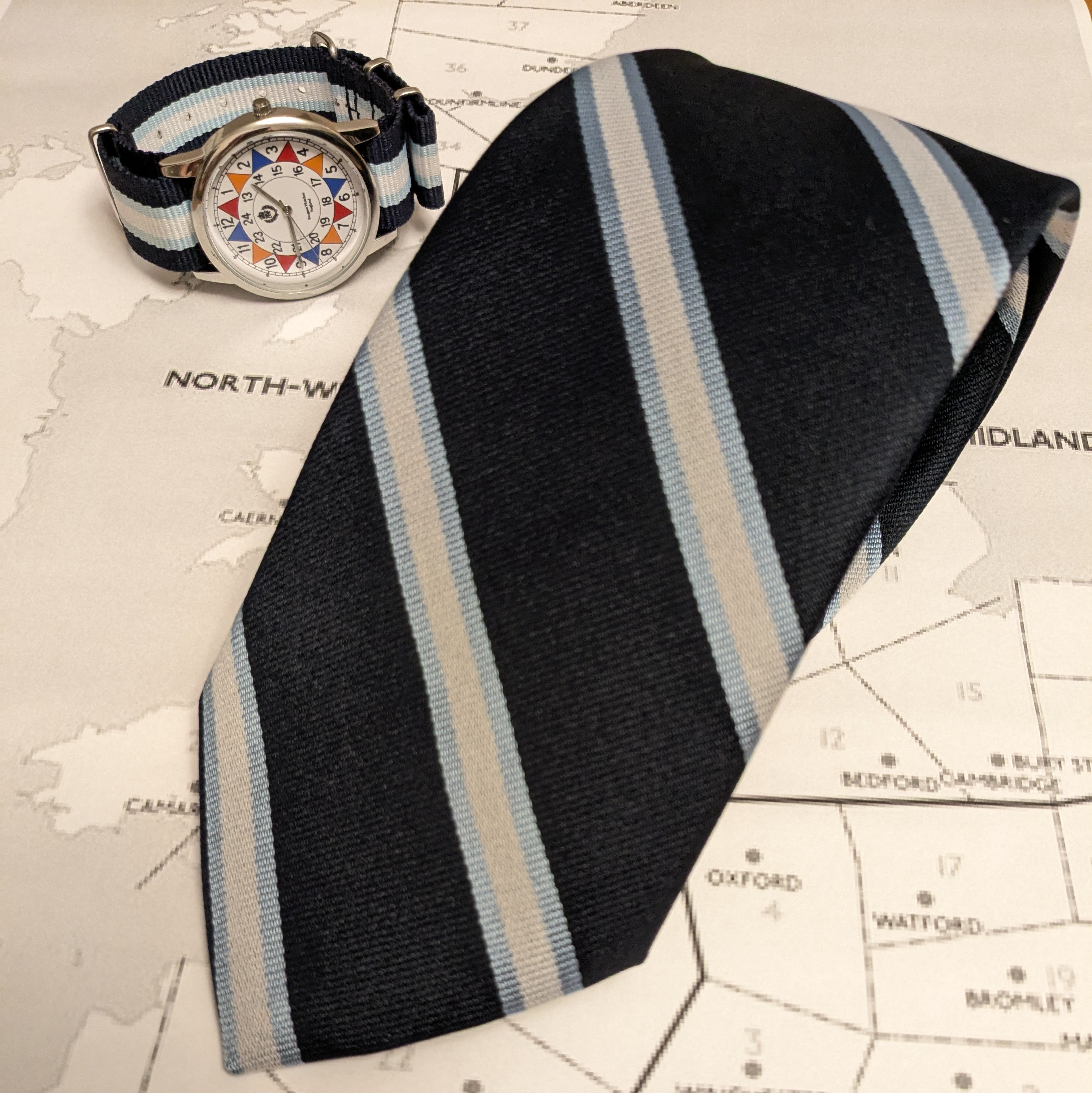
The volunteers radar couldn't replace
What made the Observer Corps irreplaceable wasn't just their dedication — it was their local knowledge. A farmer knew every aircraft that normally flew over his fields. When something different appeared, he noticed immediately.
Training was remarkably thorough for civilian volunteers. They learned to distinguish between a Heinkel He 111 and a Dornier Do 217 by engine sound alone. They could estimate altitude, count aircraft in formation, and determine heading — all crucial intelligence for defending fighters.
Housewives became expert aircraft spotters. Retired postmen learned to operate complex plotting equipment. Local knowledge combined with intensive training created a human early warning network that technology couldn't match.
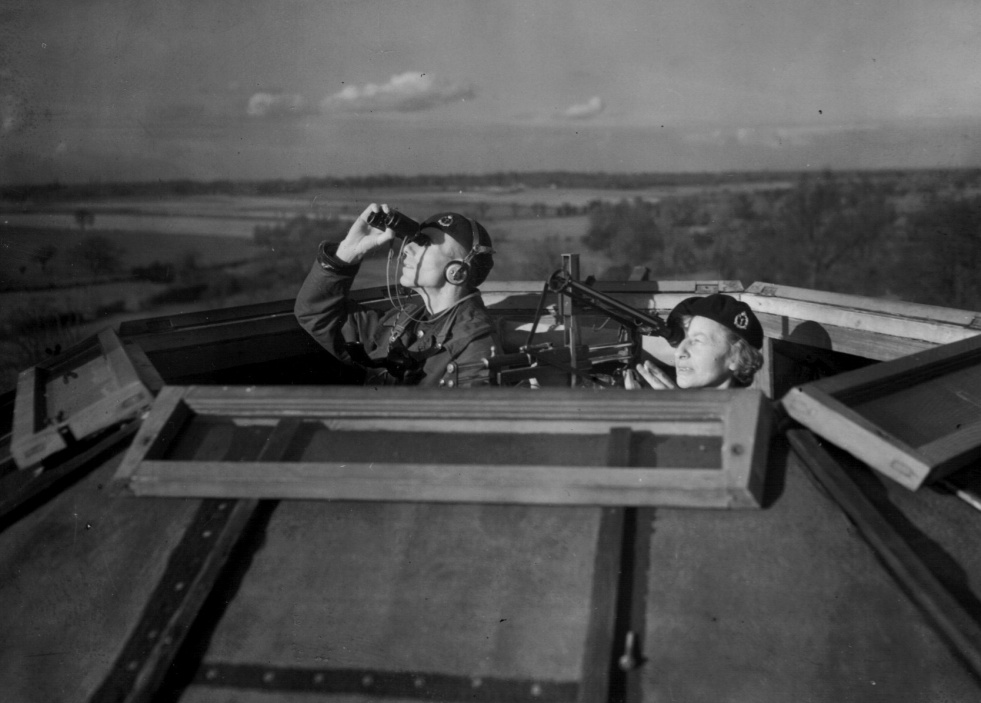
Beyond the Battle of Britain: The Corps' hidden war
While pilots celebrated victory in 1940, the Observer Corps faced new challenges. V-1 flying bombs required split-second identification and reporting. Unlike manned aircraft, these weapons gave no second chances for correction.
The Corps evolved through the Cold War, adapting to track potential nuclear threats. Observer posts became part of Britain's nuclear warning system, staffed by volunteers who understood that next time, there might be no second chances at all.
Even as technology advanced, human observation remained crucial. Satellites and radar could be jammed or deceived, but trained eyes on the ground provided reliable backup intelligence.
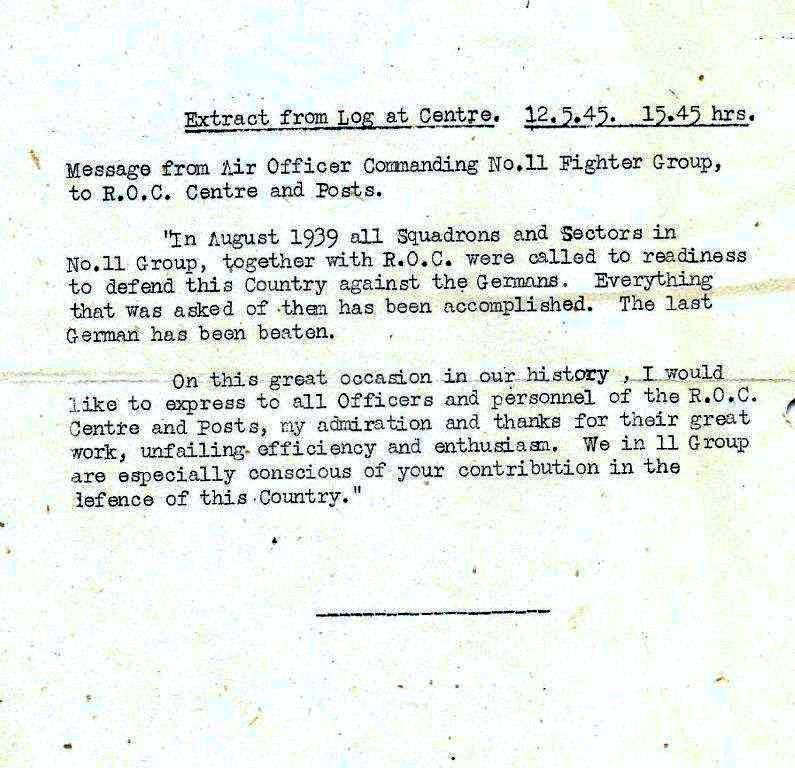
Recognition that came too late
Fighter pilots became household names. Radar operators worked in classified secrecy that eventually became public pride. But Observer Corps volunteers remained largely forgotten, their contributions overshadowed by more glamorous war stories.
Many suffered casualties — killed by the very aircraft they were tracking. Others endured years of exposure, exhaustion, and constant stress. Yet they received little recognition compared to military personnel or even other civilian war workers.
The Corps finally received official recognition in 1941 when it became the "Royal" Observer Corps. But for most volunteers, personal satisfaction in duty done was reward enough.
Were these volunteers undervalued heroes, or just doing their bit?
The Observer Corps embodied Britain's citizen-soldier tradition — ordinary people doing extraordinary things when their country needed them. They proved that modern warfare still required human judgment, local knowledge, and personal courage.
Their legacy influences modern defense thinking about resilient, distributed systems that can function when high-technology solutions fail. Sometimes the best backup system is a determined human being with basic equipment and thorough training.
Were the Royal Observer Corps volunteers unsung heroes whose contributions deserve greater recognition, or were they simply ordinary citizens doing their patriotic duty like millions of others?