When D-Day gets all the glory, who remembers the floating harbours that actually won the war? Because while everyone celebrates the brave lads hitting the beaches, the real genius lay in solving an impossible puzzle: how do you feed two million men when there's no port to land supplies?
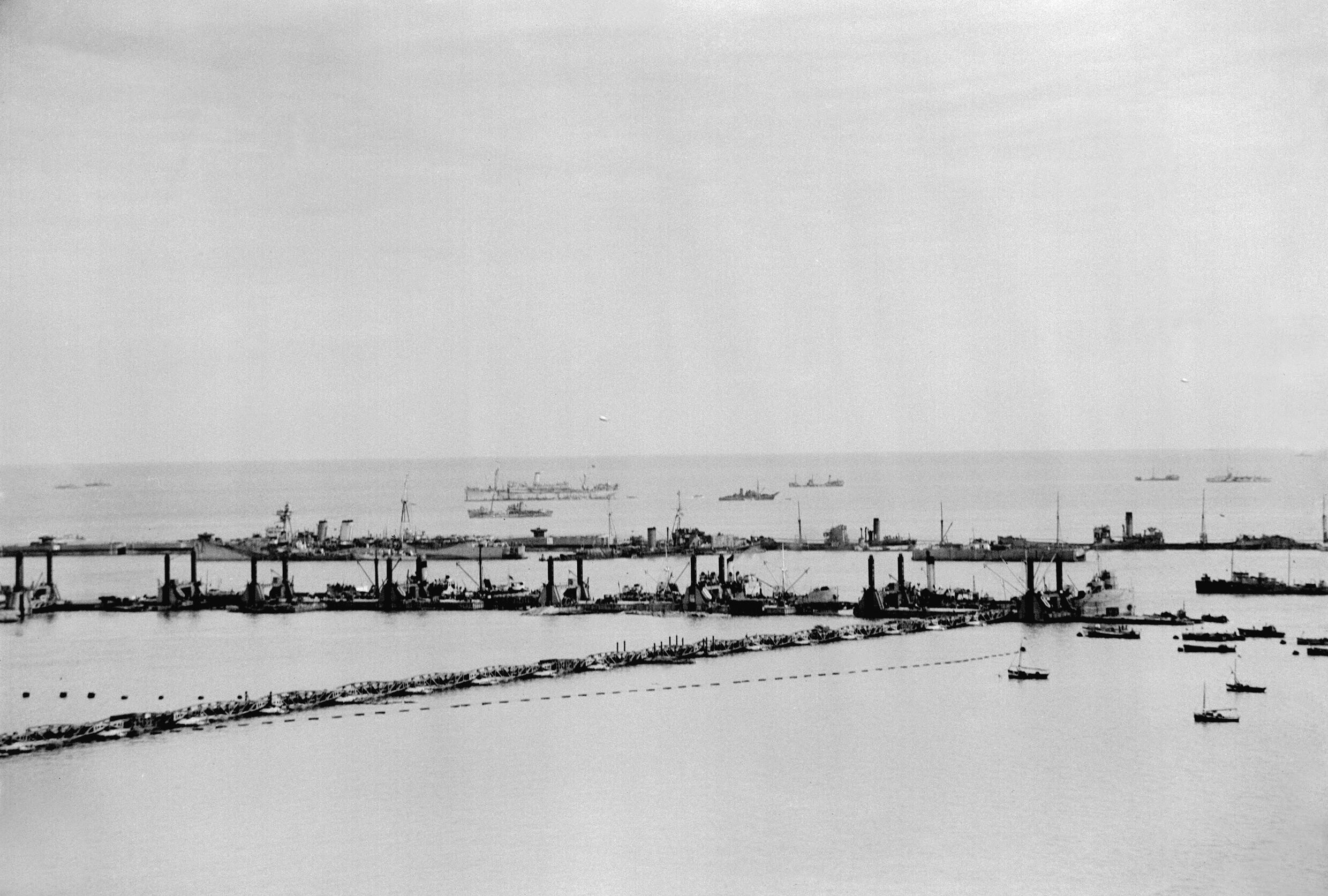
The answer was Mulberry — two vast artificial harbours built in secret and towed across the Channel piece by piece. It was the most audacious engineering feat in military history, yet it gets barely a footnote in most D-Day stories.
The Impossible Problem: How Do You Feed an Army Without a Port?
Picture this: you've just landed the largest invasion force in history on a hostile shore. Now what? Those brave soldiers need 12,000 tons of supplies every single day — food, ammunition, fuel, medical supplies, spare parts. Without a major port, you're stuffed.
The Germans knew this too. They'd fortified every French port from Cherbourg to Le Havre, ready to blow the harbours to smithereens rather than let the Allies use them. Even if captured intact, these ports would take months to repair and get running.
Churchill had a typically mad idea: "If we can't capture a harbour, we'll bloody well bring our own." Most military planners thought he'd lost his mind. Build floating harbours the size of Dover? Impossible.
Operation Mulberry: Building Ports in Secret
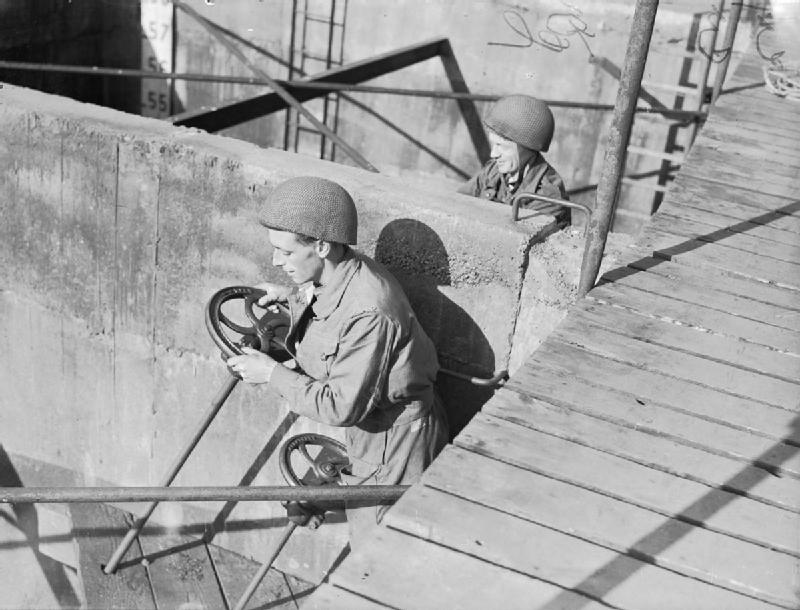
What followed was eighteen months of frantic, top-secret construction across Britain. The cover story was brilliant — they told German spies these massive concrete caissons were for coastal defence. Some caissons stood six stories tall and weighed 6,000 tons each.
Thousands of workers toiled away, most having no clue they were building history's greatest engineering project. Floating breakwaters, artificial beaches, pier heads that could rise and fall with the tide — it sounds like science fiction, but British engineers made it reality.
The scale was staggering. Each harbour needed 600,000 tons of concrete and steel. That's more material than it took to build the Empire State Building, and it all had to float.
Mulberry A vs Mulberry B: Two Harbours, Two Fates
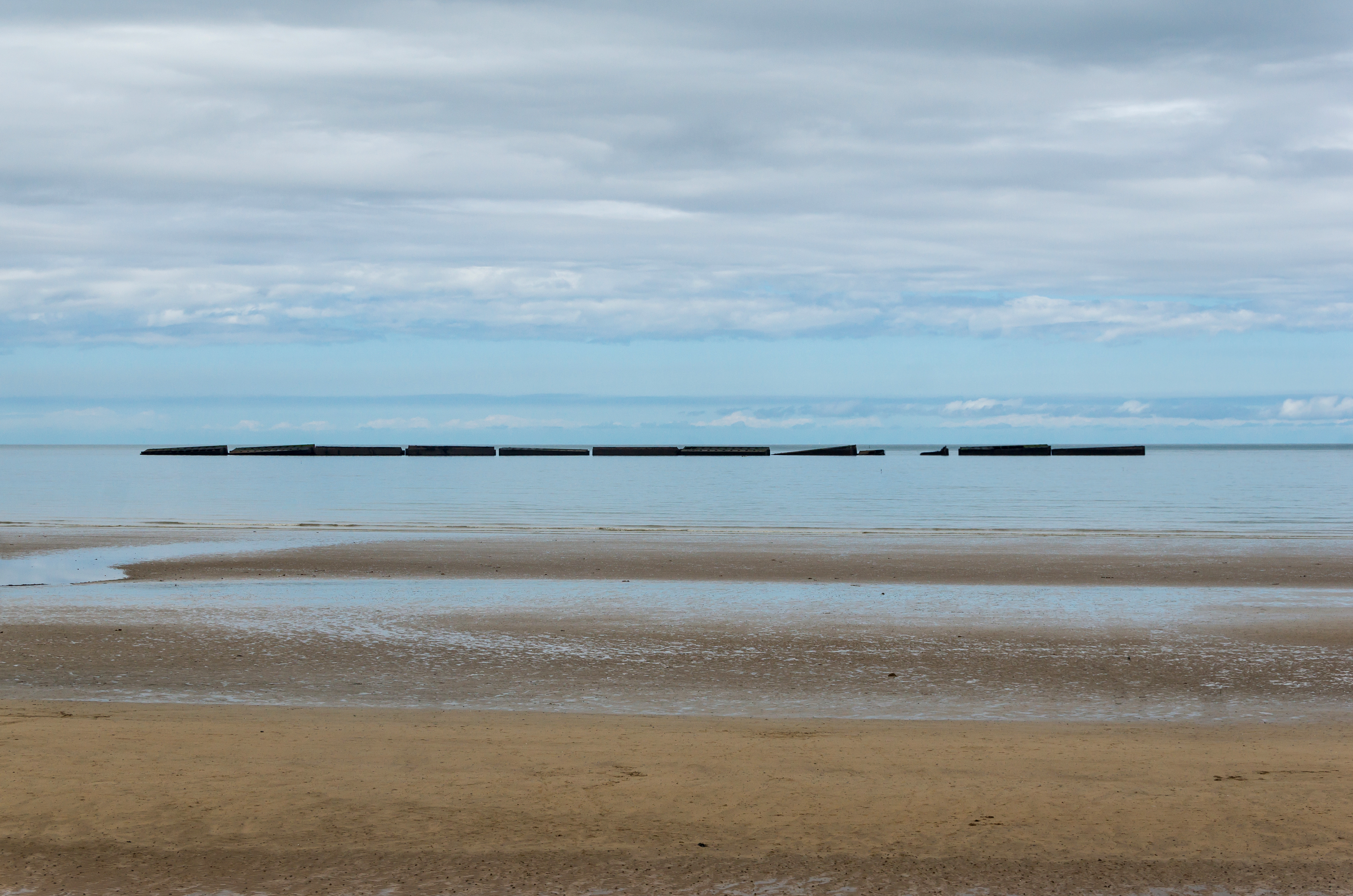
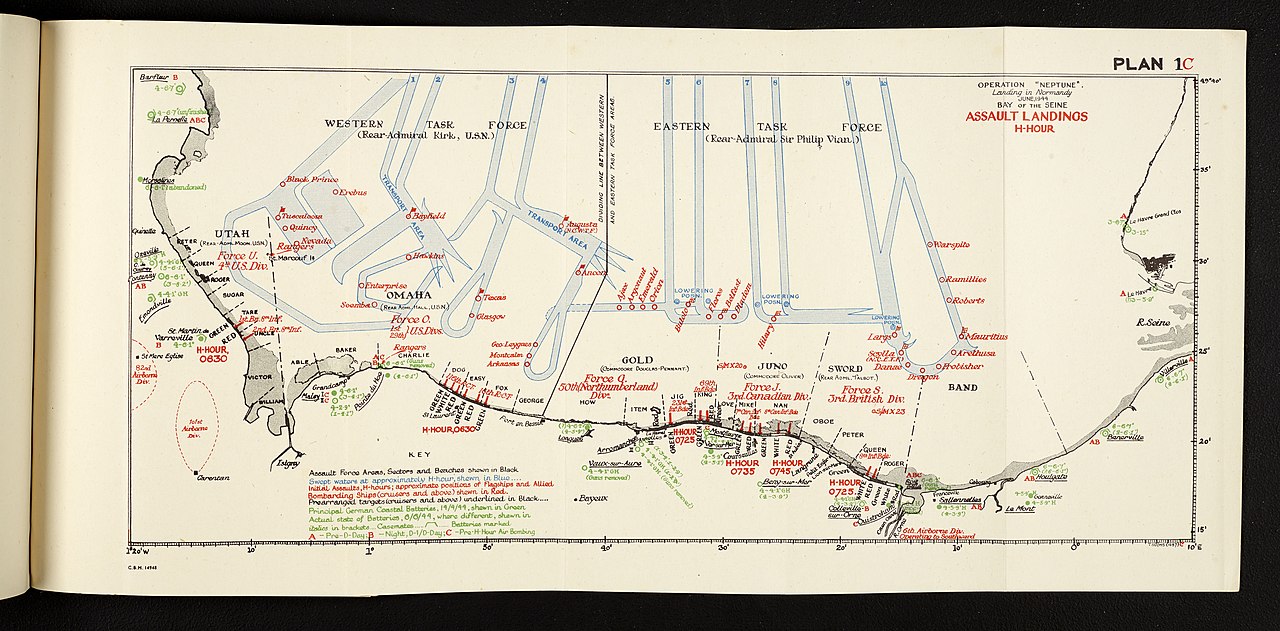
Two harbours were planned: Mulberry A for the Americans at Omaha Beach, and Mulberry B for the British at Gold Beach. Both seemed to work brilliantly at first — then disaster struck.
On June 19th, just thirteen days after D-Day, the worst Channel storm in forty years hammered the Norman coast. Mulberry A was smashed to pieces in four days. The Americans gave up and switched to landing supplies directly on the beaches.
But Mulberry B survived. Why? The British had positioned their breakwaters more carefully and built them stronger. Their artificial harbour kept working for eight crucial months, handling more cargo than any natural port in Europe.
The Men Who Made It Happen
Admiral Bertram Ramsay gets credit as overall planner, but the real heroes were the engineers nobody remembers. Major Allan Beckett designed revolutionary pier heads that could handle 40-foot tides. His "whale" roadways — floating bridges that flexed with the waves — were pure genius.
Then there were thousands of ordinary blokes who worked miracles under pressure. When caissons sank or roadways broke, they improvised fixes that would make modern engineers weep with envy. No computers, no fancy materials — just British bloody-mindedness and a welding torch.
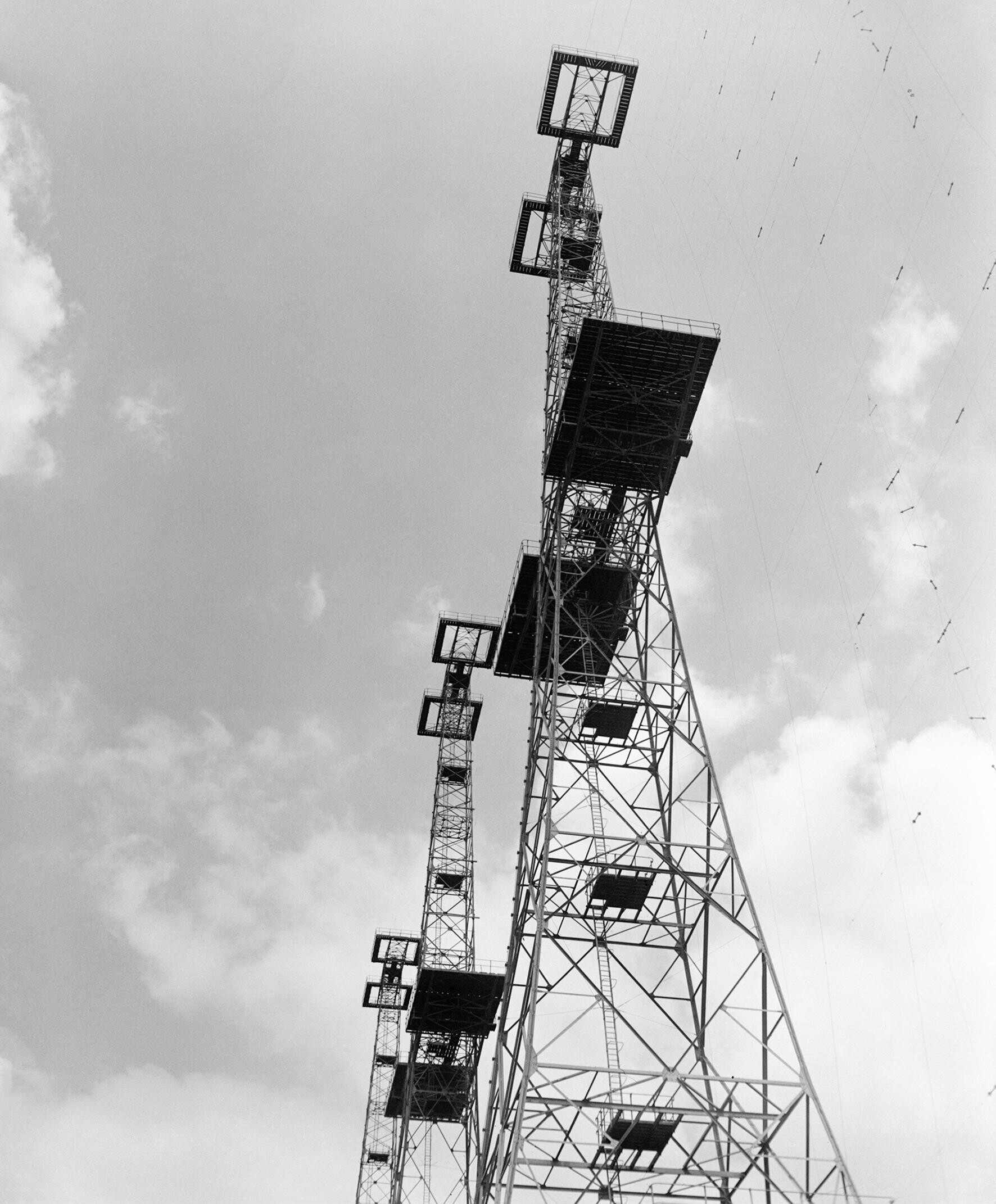
Like the innovative engineering behind Chain Home Radar, this was wartime desperation breeding extraordinary innovation.
D-Day Plus 100: The Numbers That Saved Europe
The statistics are mind-blowing. Through these artificial harbours flowed 2.5 million men, 500,000 vehicles, and 4 million tons of supplies. That's more cargo than moved through any natural port in Europe during the same period.
Without Mulberry B, the liberation of Western Europe might have stalled on the Norman beaches. Every tank that rolled through Germany, every bomb that fell on Berlin, every prisoner freed from the camps — it all depended on floating concrete caissons most people have never heard of.
The Forgotten Legacy
Walk the beaches at Arromanches today at low tide, and you can still see the concrete remains of Mulberry B. Those barnacle-encrusted blocks are monuments to the greatest logistical triumph in military history.
Yet somehow, this engineering marvel gets overshadowed by tales of heroic landings and tank battles. Modern offshore oil rigs and floating airports trace their DNA back to wartime British ingenuity, but who celebrates that legacy?
Maybe it's time we gave the engineers their due alongside the soldiers.
What do you think — should the Mulberry harbours get equal billing with the D-Day landings themselves?