The Luftwaffe was ruthless - but Chain Home was the game-changer. Which one really decided Britain's fate?
Picture this: It's August 1940, and Hermann Göring's bomber formations are crossing the Channel in their hundreds. Every history buff knows the story - brave Spitfire pilots scrambling from grass airfields, dogfights over Kent, Churchill's "Few" saving civilization itself.
But what if the real heroes were standing in concrete bunkers, watching green blips crawl across cathode ray screens? What if Britain's survival depended less on Merlin engines and more on radio waves bouncing off aluminum wings?
Chain Home: The Early-Warning Towers Behind Britain's Air Defence
While newspapers celebrated RAF aces, Robert Watson-Watt was quietly revolutionizing warfare. His team had cracked something the Germans thought impossible - reliable aircraft detection at long range using radio waves.
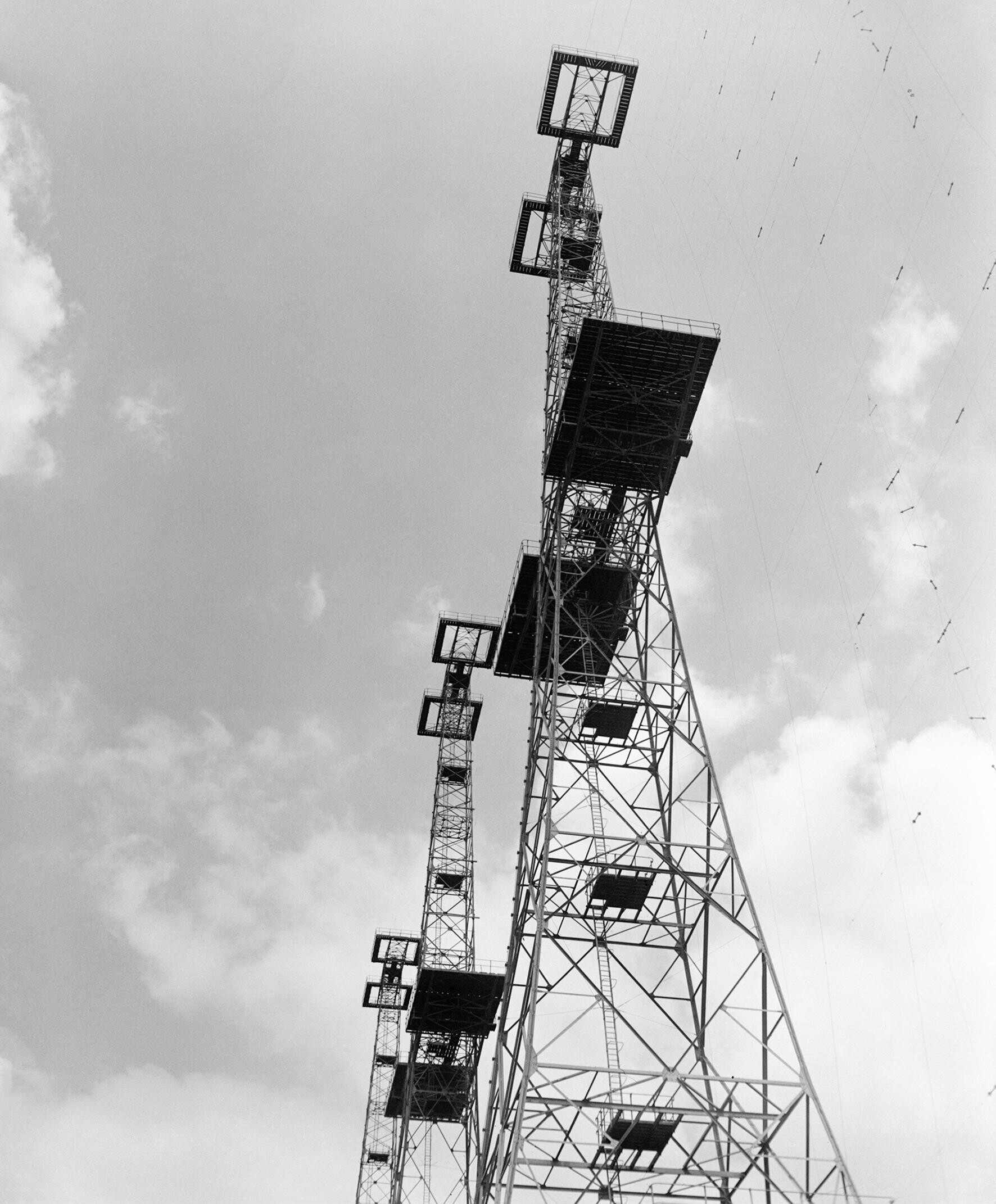
By 1940, a chain of 20 radar stations stretched from the Shetlands to the Isle of Wight. These weren't subtle installations either. The receiving towers stood 240 feet tall, the transmitting masts reached 360 feet - impossible to hide, yet somehow invisible to German intelligence.
The Nazis knew about British "radio location" experiments but catastrophically underestimated their effectiveness. While German scientists dismissed radar as unreliable, Watson-Watt's Chain Home network was already tracking formations 100 miles out to sea.
The invisible advantage that multiplied RAF strength
Without radar, RAF fighters would patrol aimlessly until fuel ran low or stumble into enemy formations by chance. Chain Home changed everything - but not in the Hollywood way you might expect.
The magic number was 20 minutes. That's how long a Spitfire needed to climb from sea level to 20,000 feet. Chain Home could spot incoming raids 100 miles away, giving controllers exactly enough time to position fighters where they'd do the most damage.
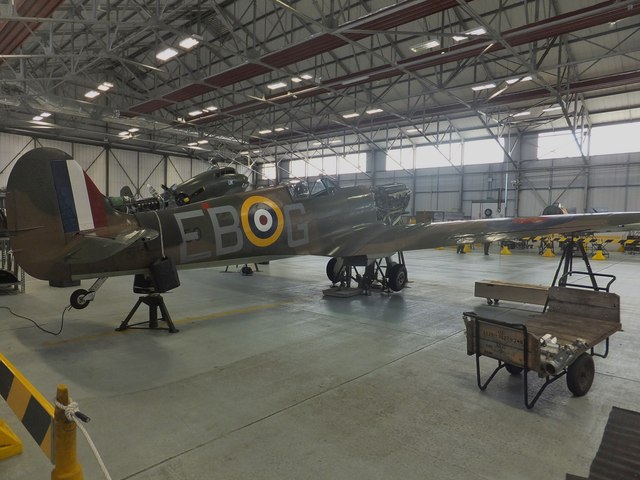
Suddenly, 700 RAF fighters could match 2,600 Luftwaffe aircraft. Not because British planes were superior - though the Hurricane vs Spitfire debate rages on - but because they were always in the right place at the right time.
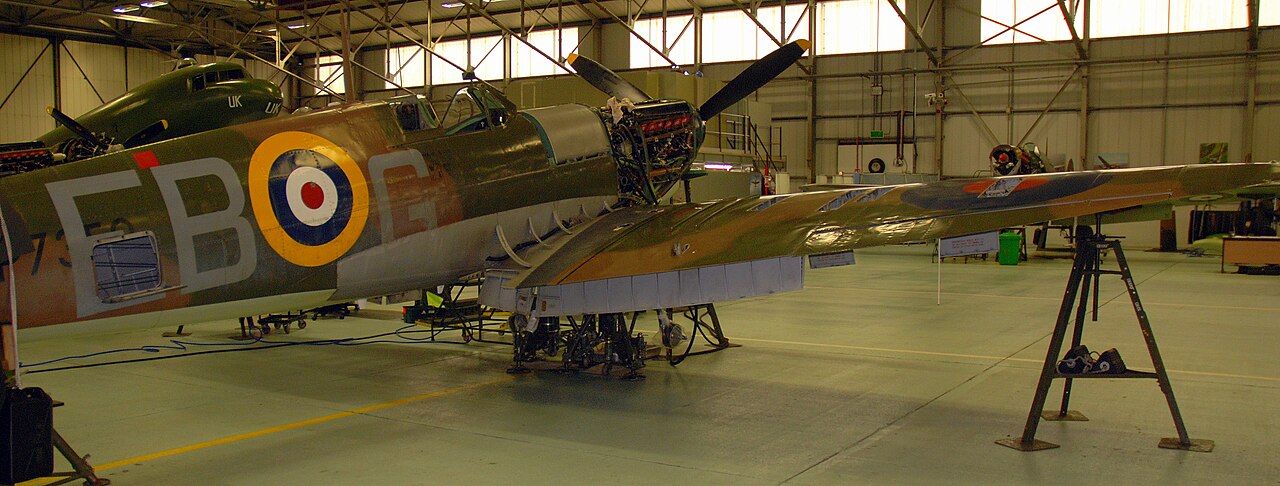
Were German pilots sitting ducks, or was Chain Home just that good?
Luftwaffe bomber crews started reporting something impossible: RAF fighters appearing from nowhere, already at combat altitude, perfectly positioned for attack runs. German intelligence was baffled.
Take August 15th, 1940 - "Eagle Day." Massive formations approached from multiple directions, expecting to catch the RAF off-guard. Instead, they flew into carefully orchestrated ambushes. Every major raid met organized resistance within minutes of crossing the coast.
German pilots nicknamed it "the miracle of the vanishing Tommies" - British fighters would disappear when fuel ran low, only to be replaced by fresh squadrons. They didn't realize they were fighting an entire system, not just individual pilots.
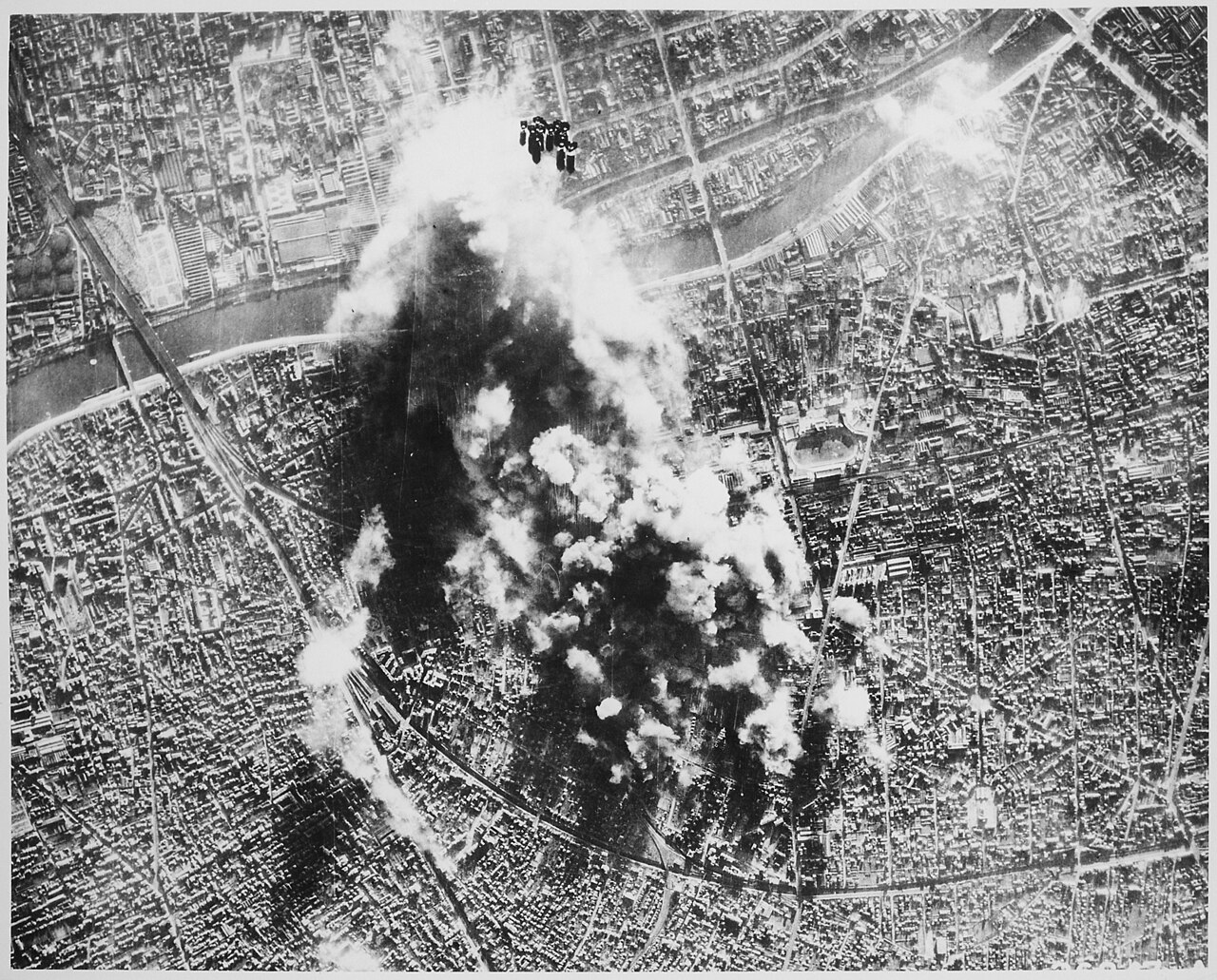
The women who watched the skies while men took the credit
Behind every radar screen sat a WAAF operator, headphones clamped tight, tracking hostile formations across the green glow. These women - mostly in their early twenties - carried impossible responsibility.
One plotting error could send fighters to empty sky while bombers leveled cities. One missed contact could mean hundreds of civilian deaths. Yet their names never appeared in dispatches or victory parades.
Flight Sergeant Joan Wyndham described the pressure: "You're watching death approach at 200 miles per hour, and you're the only person who can warn them." While fighter pilots became celebrities, radar operators remained shadows - classified, unsung, forgotten.
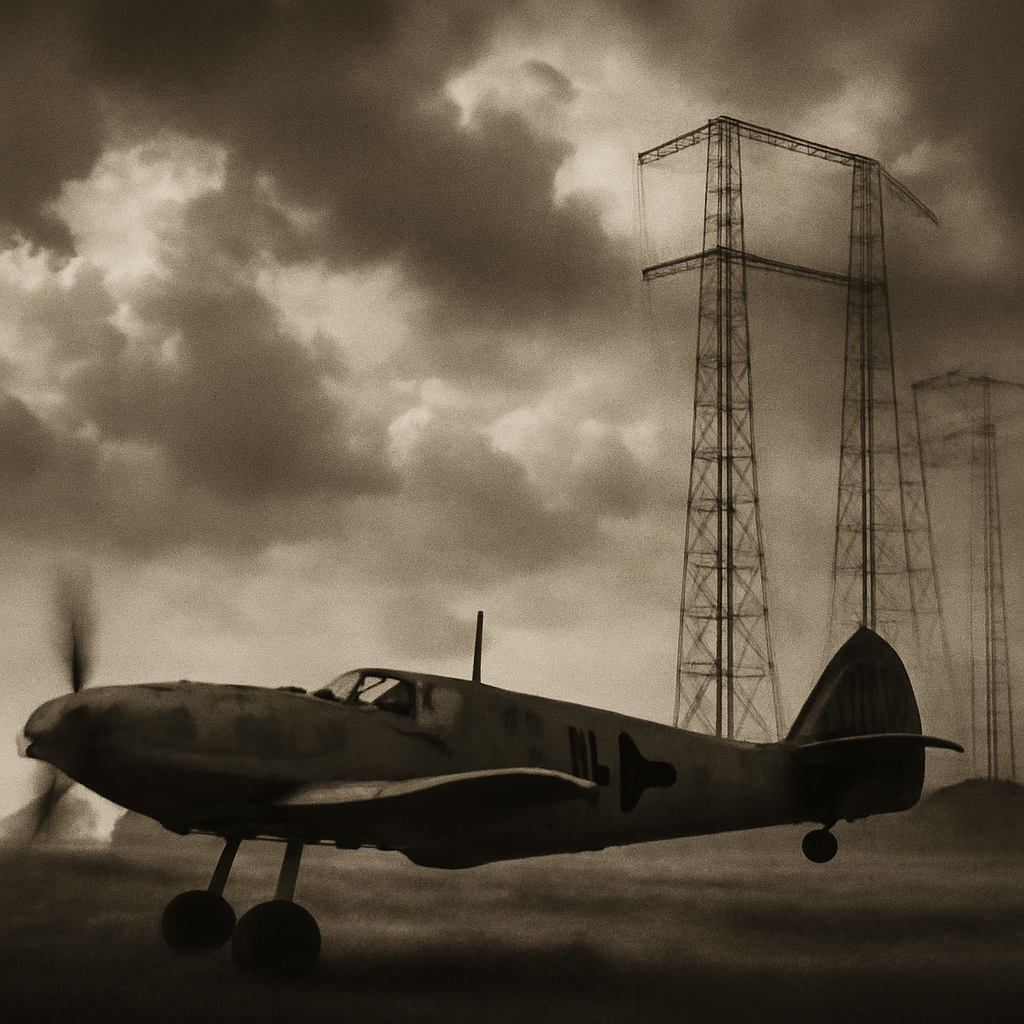
Why Chain Home's legacy matters more than Spitfire nostalgia
Romantic mythology insists the Battle of Britain was won by individual heroism and superior aircraft. The uncomfortable truth? Technology trumped courage every time.
Chain Home didn't just influence the Battle of Britain - it invented modern air defense. Today's AWACS aircraft, satellite early warning systems, and integrated air defense networks all trace their lineage to those towering masts along Britain's coast.
We love stories about dashing pilots and legendary aircraft, but wars are won by logistics, intelligence, and technological advantage. Chain Home proves that sometimes the most decisive weapons are the ones nobody sees coming.
The Luftwaffe had better pilots, more aircraft, and superior combat experience. They lost because Britain had better information faster. In warfare, seeing your enemy first matters more than flying faster or shooting straighter.
What's your take? Did Chain Home really decide Britain's fate more than the courage of fighter pilots?