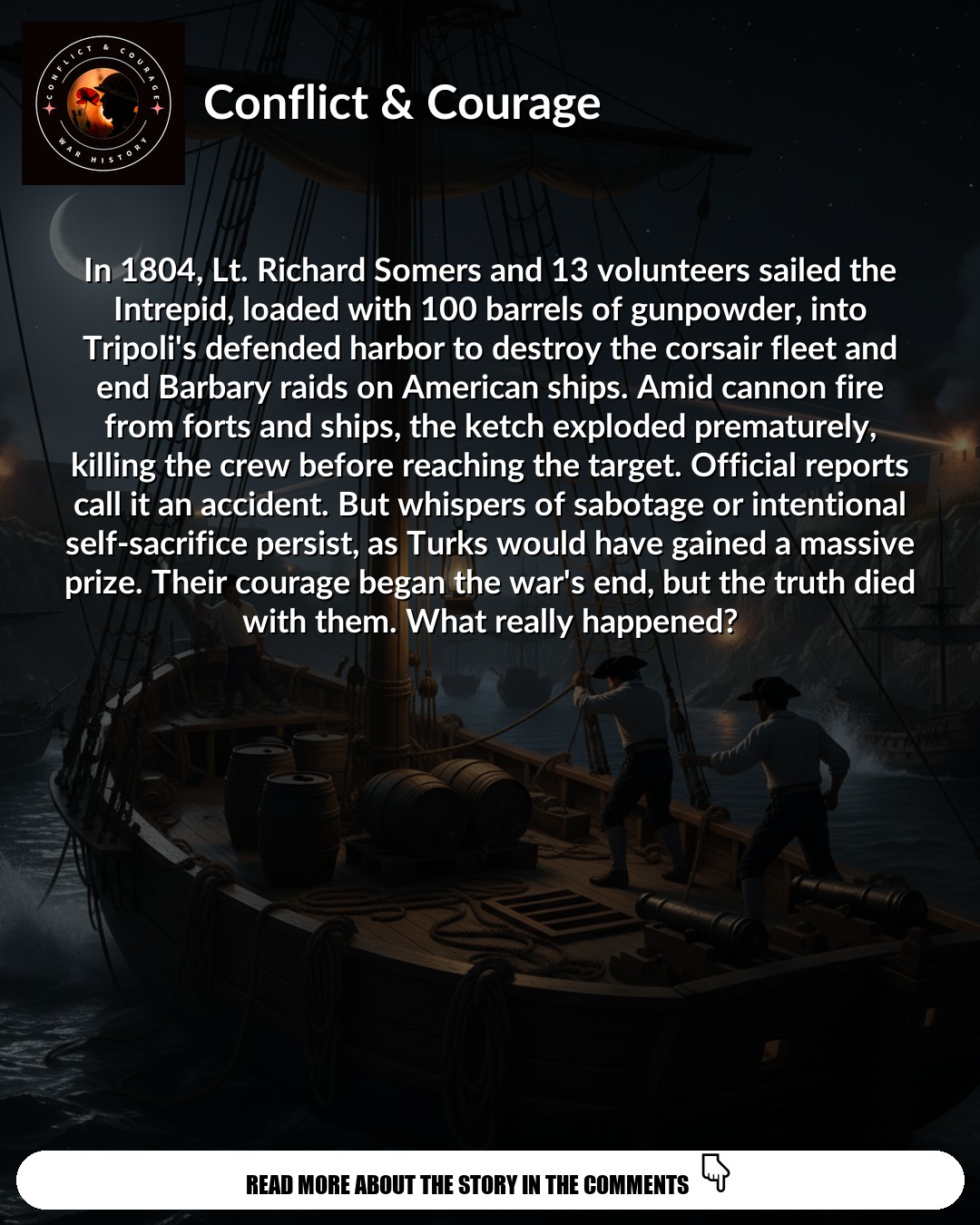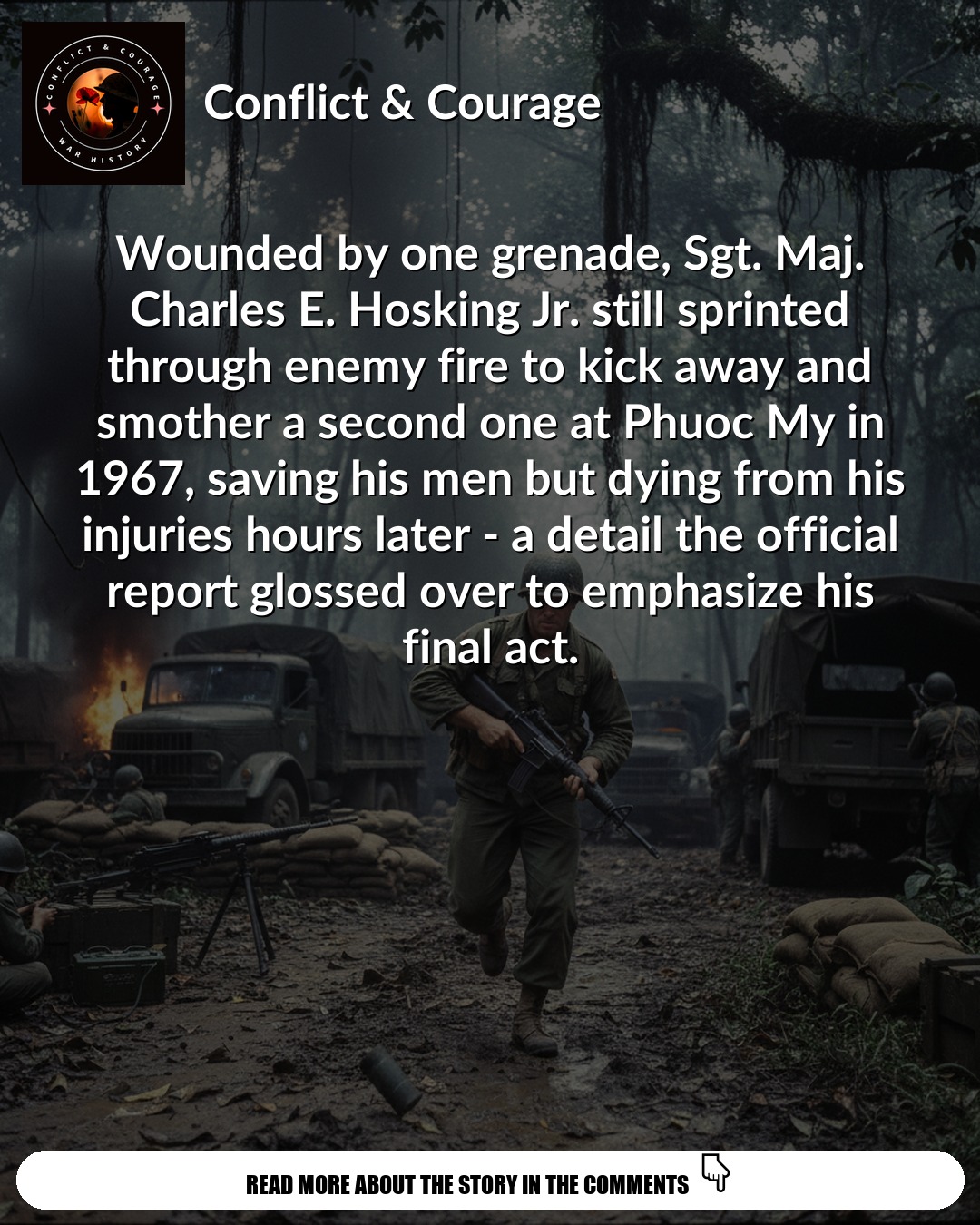
Some heroes charge machine gun nests. Others throw themselves on grenades. But Sergeant Major Charles Hosking Jr. did something even more extraordinary at Phuoc My in 1968 — he saved his men twice, the second time while already bleeding from shrapnel wounds the Army preferred to forget.
His Medal of Honor citation tells a stirring tale of sacrifice. But like so many military stories, the official version glosses over the most remarkable detail: Hosking had already been wounded by the first grenade when he made his ultimate sacrifice.
The Hero They Nearly Forgot
Charles Hosking Jr. wasn't supposed to be a household name. Unlike other Vietnam grenade heroes whose stories became legend, his tale got buried in bureaucratic language and sanitized reports.
The 25-year-old career soldier from New Jersey had already proven himself in multiple tours. But on March 21, 1967, near Phuoc My in South Vietnam, he faced a test that would define not just his legacy, but how the Army chose to remember it.
The official account speaks of courage under fire. What it doesn't emphasize is that Hosking performed his heroic acts while already wounded — a detail that transforms his story from remarkable to absolutely extraordinary.
Phuoc My: Death in the Jungle
The morning started like countless others during Operation Junction City. Hosking's unit from the 1st Battalion, 28th Infantry Regiment, was conducting search and destroy operations when the North Vietnamese Army sprang their trap.
Enemy fire erupted from concealed positions, pinning down the American soldiers in a deadly crossfire. Machine guns chattered from multiple directions while mortars began dropping among the scattered troops.
In this chaos of smoke, screaming, and muzzle flashes, the NVA launched their grenades. The first one landed among Hosking's men like a harbinger of worse things to come.
The First Grenade: A Wound They Hid
The explosion that preceded Hosking's famous sacrifice wasn't just background noise — it was the moment that should have ended his fighting ability. Shrapnel tore into his body, wounds that would have sent most men seeking cover and medical attention.
But the Army's official accounts minimize this crucial detail. Why? Perhaps because acknowledging his prior wounds would have made his subsequent actions seem impossible rather than just improbable.
The truth makes Hosking's heroism even more profound. He wasn't an unwounded soldier making a split-second decision. He was a bleeding man who chose his comrades' lives over his own survival, despite already paying a price for their safety.
Sprint Through Hell
Then came the moment that earned Hosking his place in military history. A second grenade landed squarely among his trapped soldiers, its deadly arc placing it where it would kill or maim multiple men.
Most wounded soldiers would have taken cover. Hosking did the opposite. Despite his shrapnel wounds, despite the chaos around him, he sprinted toward the grenade through enemy fire.
Some accounts say he kicked it away from his men. Others suggest he fell on it. The exact mechanics matter less than the result: his body absorbed the blast that would have killed his comrades.
The Medal and the Missing Truth
When the Army wrote Hosking's Medal of Honor citation, they focused on the final sacrifice while downplaying the wounds that made it so extraordinary. The official language speaks of "conspicuous gallantry" but glosses over the physical condition that amplified his courage.
This wasn't malicious — military citations often streamline complex actions into digestible narratives. But in doing so, they sometimes diminish the very heroism they're meant to honor.
Hosking's family received his medal knowing only part of the story. His fellow soldiers carried the complete truth, understanding that their sergeant major had saved them not once, but twice in those terrible minutes at Phuoc My.
Vietnam's Grenade Heroes: A Pattern of Courage
Vietnam produced many heroes who threw themselves on grenades to save their comrades. Like other Medal of Honor recipients, these men shared a split-second willingness to trade their lives for others.
What sets Hosking apart isn't just his sacrifice — it's that he made it while already wounded. His story echoes the pattern of forgotten heroes whose complete stories reveal even greater courage than the official records suggest.
The psychology behind such heroism remains mysterious. How does a wounded man find the strength to sprint toward death? What drives someone to act when self-preservation should dominate every instinct?
Remembering the Complete Story
Charles Hosking Jr.'s story matters because it reminds us that official military histories, however well-intentioned, sometimes obscure the very heroism they celebrate. His first wound wasn't a footnote — it was the prologue to one of Vietnam's most remarkable acts of sacrifice.
Understanding the complete story doesn't diminish other heroes' courage. Instead, it illuminates the full spectrum of human bravery under fire, from the unwounded soldier's split-second decision to the wounded warrior's deliberate march toward death.
Hosking's legacy lives not just in his Medal of Honor, but in the lives of the men he saved twice. Their children and grandchildren exist because a wounded sergeant major chose their survival over his own.
What stories of hidden heroism have you encountered? Share your thoughts on how we can better honor the complete truth of our military heroes' sacrifices. These forgotten details often reveal the most about the character of those who serve.