Between 30 April and 2 May 1968, in the village complex of Dai Do near Dong Ha in Quang Tri Province, Captain Jay R. Vargas commanded Company G, 2nd Battalion, 4th Marines through three days of close-quarters fighting against a numerically superior North Vietnamese force. He was wounded on each of the three days. He refused evacuation on all of them, and finished the battle carrying his own battalion commander out of the line of fire.
Dai Do, Not Hue
Vargas's battle is sometimes confused with the fighting for Hue earlier that year, but Dai Do was a different action with a different character. In late April 1968, North Vietnamese Army units massed near the Cua Viet River, threatening the major Marine logistics hub at Dong Ha. The 2nd Battalion, 4th Marines — "the Magnificent Bastards" — were sent to clear a cluster of fortified hamlets, of which Dai Do was the heart.
Seven Hundred Metres of Open Paddy
On 30 April, Company G's approach to Dai Do ran across roughly 700 metres of open rice paddy, swept by mortar, artillery and machine-gun fire. Vargas led the company across it, was wounded — he had in fact already been wounded the day before, and concealed it to stay with his Marines — and pushed the assault into the fortified village, clearing hedgerow bunkers at close range.
Inside Dai Do, the company was hit by counterattacks from three sides. Vargas pulled his Marines into a tight perimeter, directed artillery and naval gunfire against the assaulting formations through the night, and held the position.
Carrying Out the Colonel
On 2 May, the battalion renewed the attack, and the North Vietnamese counterattacked in strength. The battalion commander, Lieutenant Colonel William Weise, was severely wounded in the fighting. Vargas — now wounded for the third time in three days — moved through the fire-swept area, fought off enemy soldiers at close quarters, and carried Weise and other casualties back to a covered position.
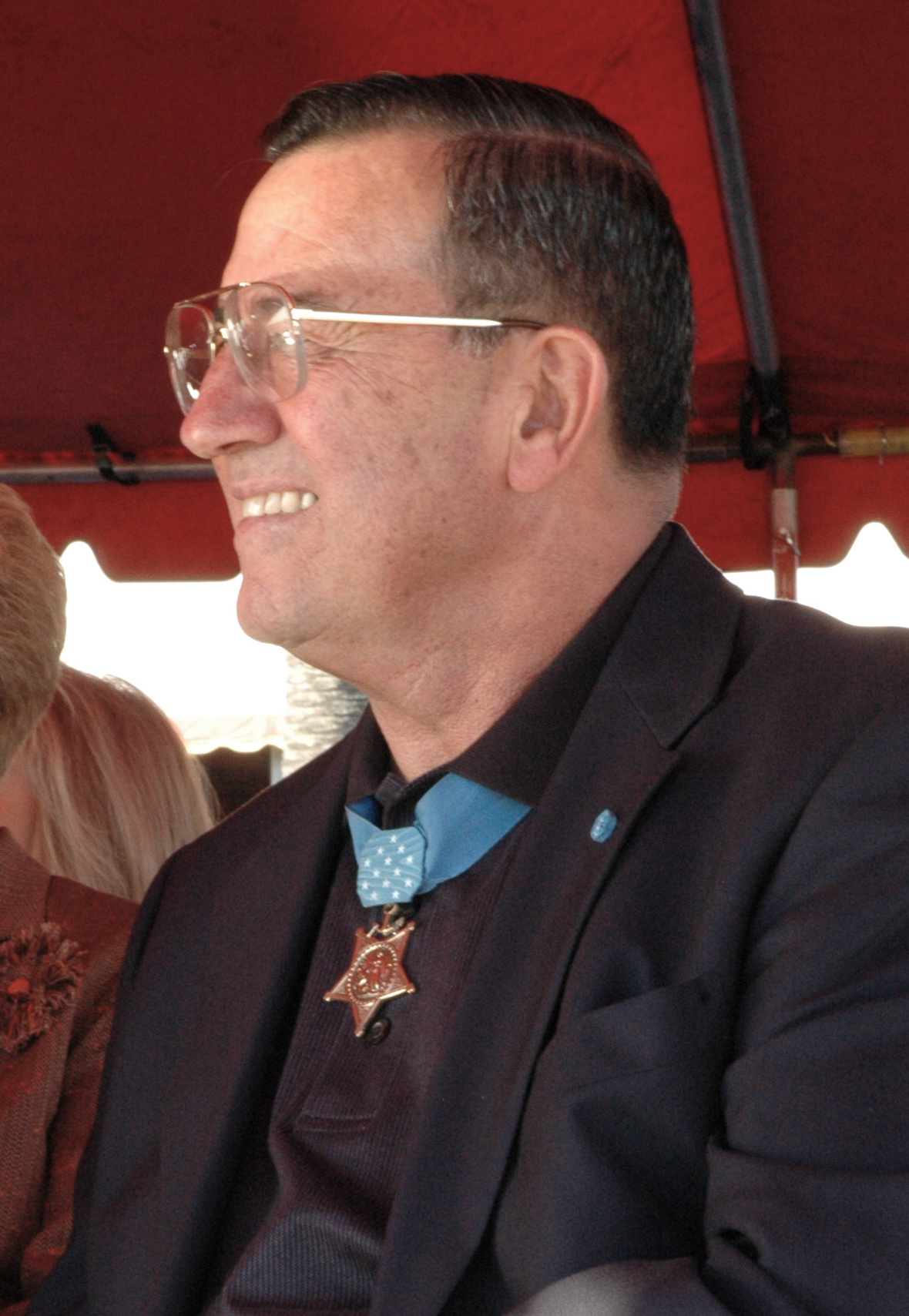
His Medal of Honor citation credits his "gallant leadership, dauntless courage, and bold initiative" through the three days at Dai Do. President Richard Nixon presented the medal at the White House in May 1970. Vargas asked that his late mother's name be engraved on it — she had died a few months before the ceremony, and he considered the medal as much hers as his.
After the Corps
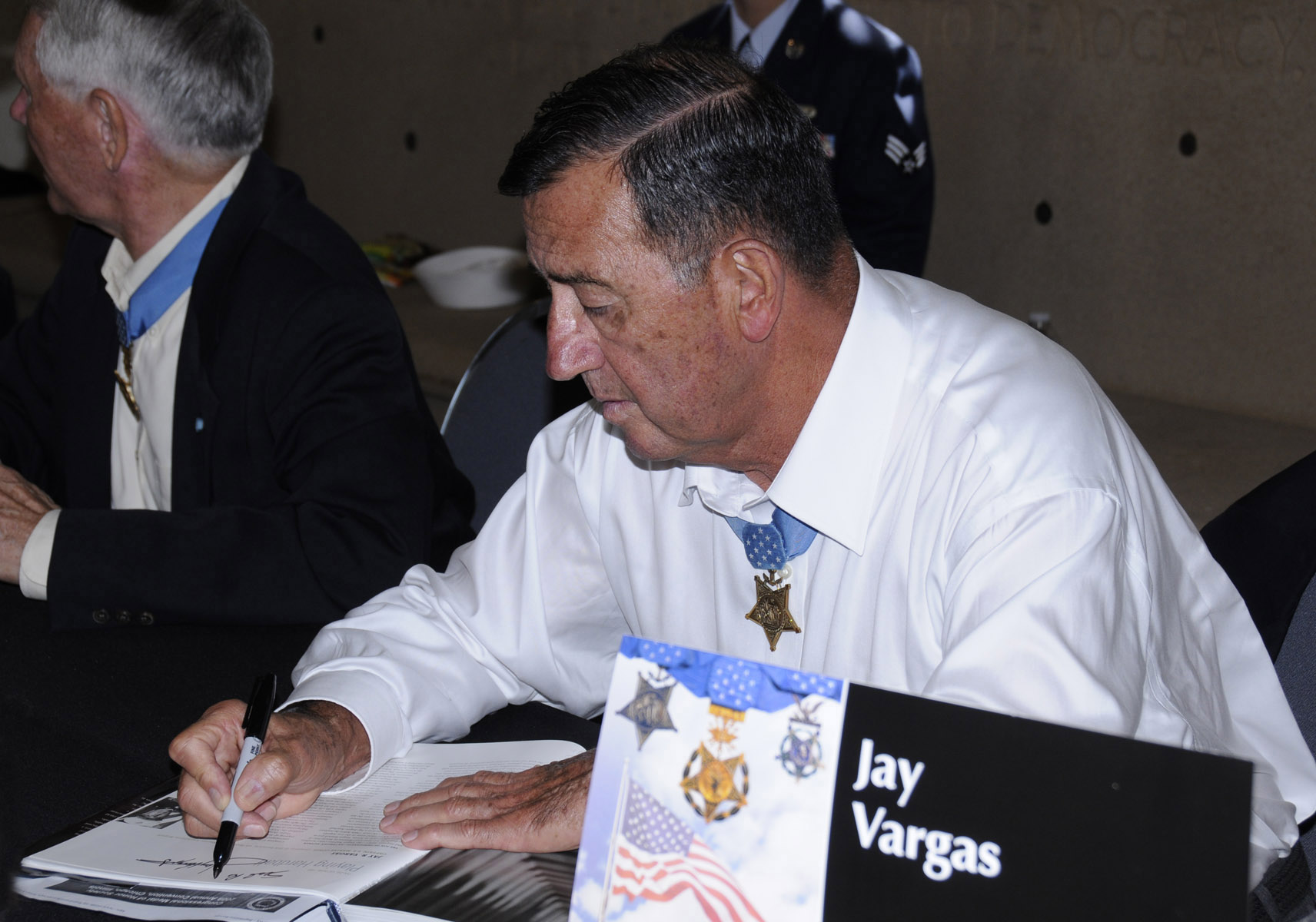
One of several brothers who served in uniform, Vargas stayed in the Marine Corps and retired as a colonel after nearly three decades of service. He later led the California Department of Veterans Affairs, and has spent much of his post-service life speaking to service members and veterans about leadership and recovery.
Dai Do cost the Magnificent Bastards dearly — the battalion suffered hundreds of casualties over the three days — and the battle never acquired the fame of Hue or Khe Sanh. That is precisely why it is worth telling accurately: the record of what Company G did in that paddy needs no borrowed setting.