The frozen hills of Korea echo with stories that never made it to the front pages. While World War II gets most of the glory, the Korean War produced heroes whose courage burned just as bright in those bitter winters. Sergeant Leonard Mason's story isn't about massive tank battles or famous beach landings — it's about four young Americans in a foxhole, facing impossible odds with nothing but grit and determination.
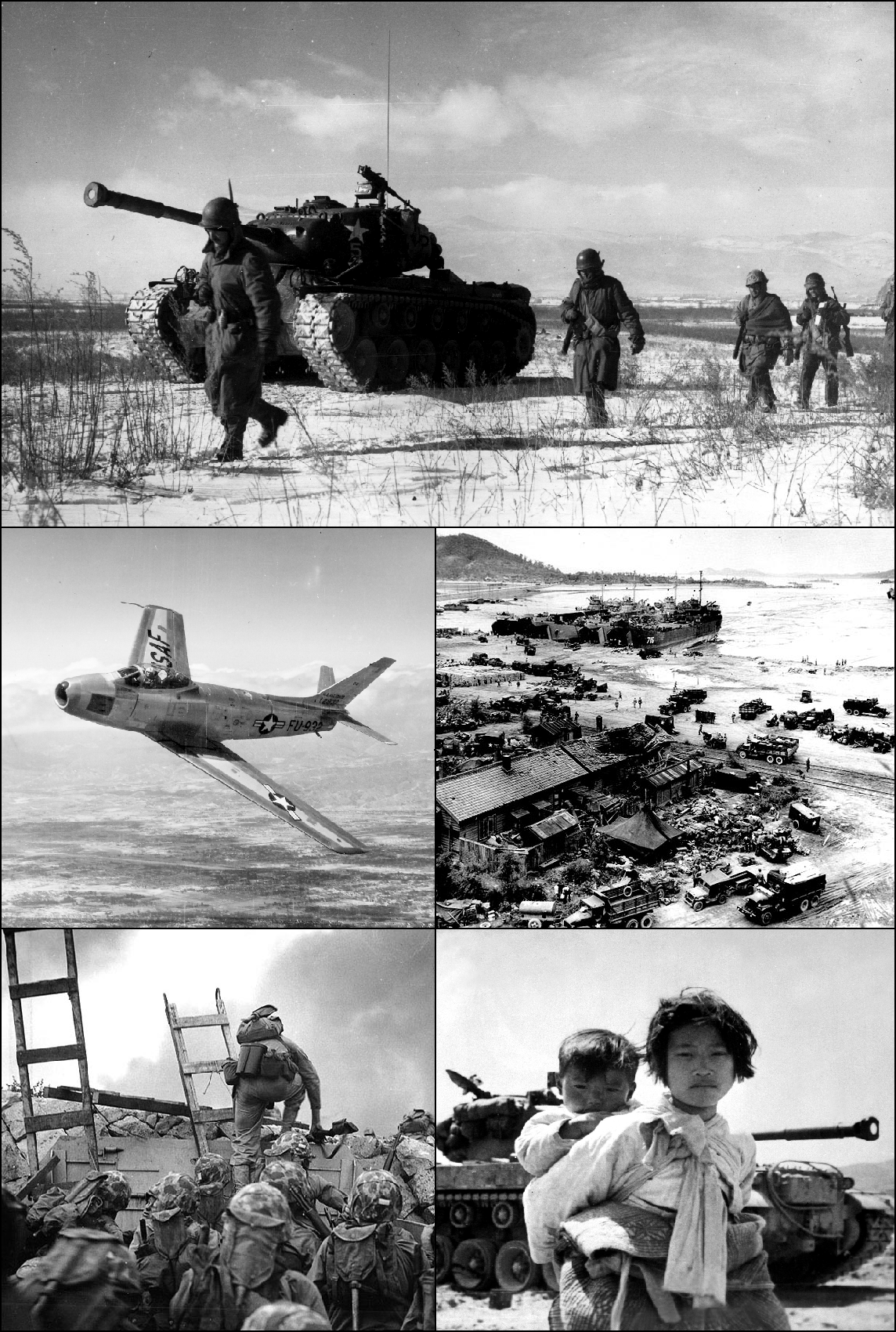
The Forgotten Heroes of Korea's Frozen Hills
Korean War stories often get overshadowed by the more dramatic narratives of World War II, but the "Forgotten War" produced heroes every bit as remarkable. The reality of foxhole warfare in those brutal Korean winters was a nightmare of frozen ground, subzero temperatures, and enemy forces that seemed to materialize from the darkness.
Mason's heroic stand took place during the Chinese Spring Offensive of 1951, when Communist forces launched massive attacks across the front. His unit, part of the 1st Infantry Division, held defensive positions on Hill 201 near Seoul. The men who served alongside Mason in that fateful foxhole were typical American soldiers — young, scared, but determined to do their duty.
These weren't career warriors or elite commandos. They were draftees and volunteers who found themselves half a world away from home, sharing a hole in the frozen ground that might become their grave.
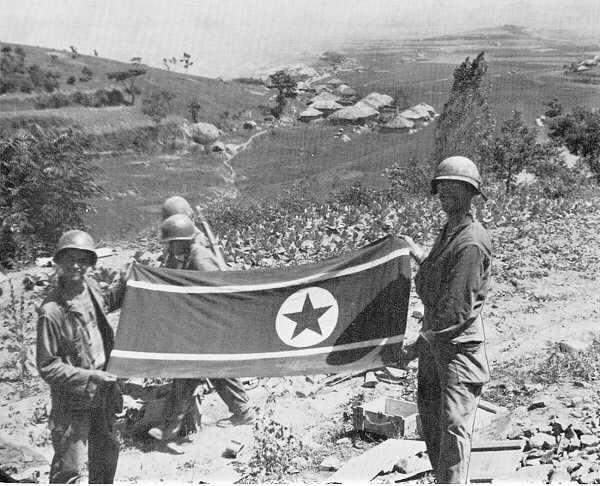
Meet Sergeant Leonard Mason
Leonard Mason grew up in small-town America, where values like duty and looking out for your neighbors weren't just words — they were a way of life. When the Korean War broke out, Mason answered his country's call, eventually finding himself as a squad leader in the 1st Infantry Division's 16th Regiment.
Mason wasn't physically imposing, but his fellow soldiers quickly learned to trust his judgment. He had that rare quality that separates good soldiers from great leaders — the ability to stay calm when everything was falling apart. His background working on his family's farm had taught him that when trouble comes, you don't run from it — you face it head-on.
The character traits that would define his moment of heroism were already evident to those who served with him. Mason was the kind of sergeant who checked on his men before thinking about himself, who shared his rations when others ran short, and who never asked his soldiers to do something he wouldn't do first.
The Night Everything Changed
On the night of April 5, 1951, Chinese forces launched a massive assault on the American positions. Mason and three of his men found themselves cut off in their foxhole as enemy troops overran their sector. The weather made everything worse — driving rain mixed with sleet, turning their defensive position into a muddy, freezing nightmare.
As dawn broke, Mason faced an impossible decision. His position was completely surrounded, two of his men were wounded, and ammunition was running dangerously low. The enemy forces were so close he could hear them talking just yards away from their foxhole.
The terrain around Hill 201 offered little cover and no easy escape routes. The Korean landscape, with its steep ridges and narrow valleys, created a deadly funnel where trapped soldiers had nowhere to run. Like other heroes who faced impossible odds, Mason had to dig deep and find courage he didn't know he possessed.

Against All Odds: The Foxhole Stand
For the next fourteen hours, Mason orchestrated one of the most remarkable defensive stands of the Korean War. He moved constantly between his wounded comrades, applying first aid, redistributing ammunition, and coordinating their defense against repeated enemy attacks.
When Chinese soldiers got close enough to throw grenades into their position, Mason threw them back. When enemy snipers tried to pick off his men, he used his rifle to keep their heads down. Most remarkably, he managed to call in artillery support using a damaged radio, bringing friendly fire danger-close to their own position.
The weapons that made the difference were basic infantry equipment — M1 rifles, a BAR (Browning Automatic Rifle), and whatever grenades they could scrounge. Mason's tactical decisions centered on conservation of ammunition and creating the illusion that his tiny force was much larger than it actually was.
He had his men fire from different positions, changing locations after each shot to confuse the enemy about their numbers. It was a deadly game of chess played with bullets and grenades.
The Cost of Courage
By the time relief forces reached their position, Mason and his men had held off multiple enemy assaults. The physical toll was severe — Mason himself was wounded twice, and all four Americans showed signs of severe exhaustion and exposure. The emotional cost would last much longer.
Mason's heroic actions earned him the Medal of Honor, America's highest military decoration. But like many combat veterans, he rarely spoke about that night. The men he saved would later say that Mason's leadership and refusal to give up were the only reasons they made it home.
The immediate aftermath saw all four soldiers evacuated for medical treatment. Their foxhole position, when finally secured, told the story of their desperate fight — empty ammunition boxes, bloodstains, and enemy equipment scattered around their small defensive perimeter.
Why Mason's Story Matters Today
Mason's story teaches us that heroism isn't always about grand gestures or famous battles. Sometimes it's about a sergeant who refuses to abandon his wounded comrades, even when the situation seems hopeless. His leadership under extreme pressure offers timeless lessons about duty, loyalty, and the bonds between soldiers.
The human side of the Korean War, often overlooked in favor of larger strategic narratives, comes alive in stories like Mason's. These small unit actions, multiplied across thousands of similar situations, shaped the larger battle outcomes and ultimately determined the war's course.
Preserving these stories for future generations ensures that heroes like Leonard Mason aren't forgotten, and that their sacrifices continue to inspire long after the last veteran has passed away.
What aspects of Sergeant Mason's heroic stand resonate most with you? Share your thoughts in the comments below, and help us honor the memory of these Korean War heroes by sharing their stories with others who appreciate the courage of America's forgotten warriors.