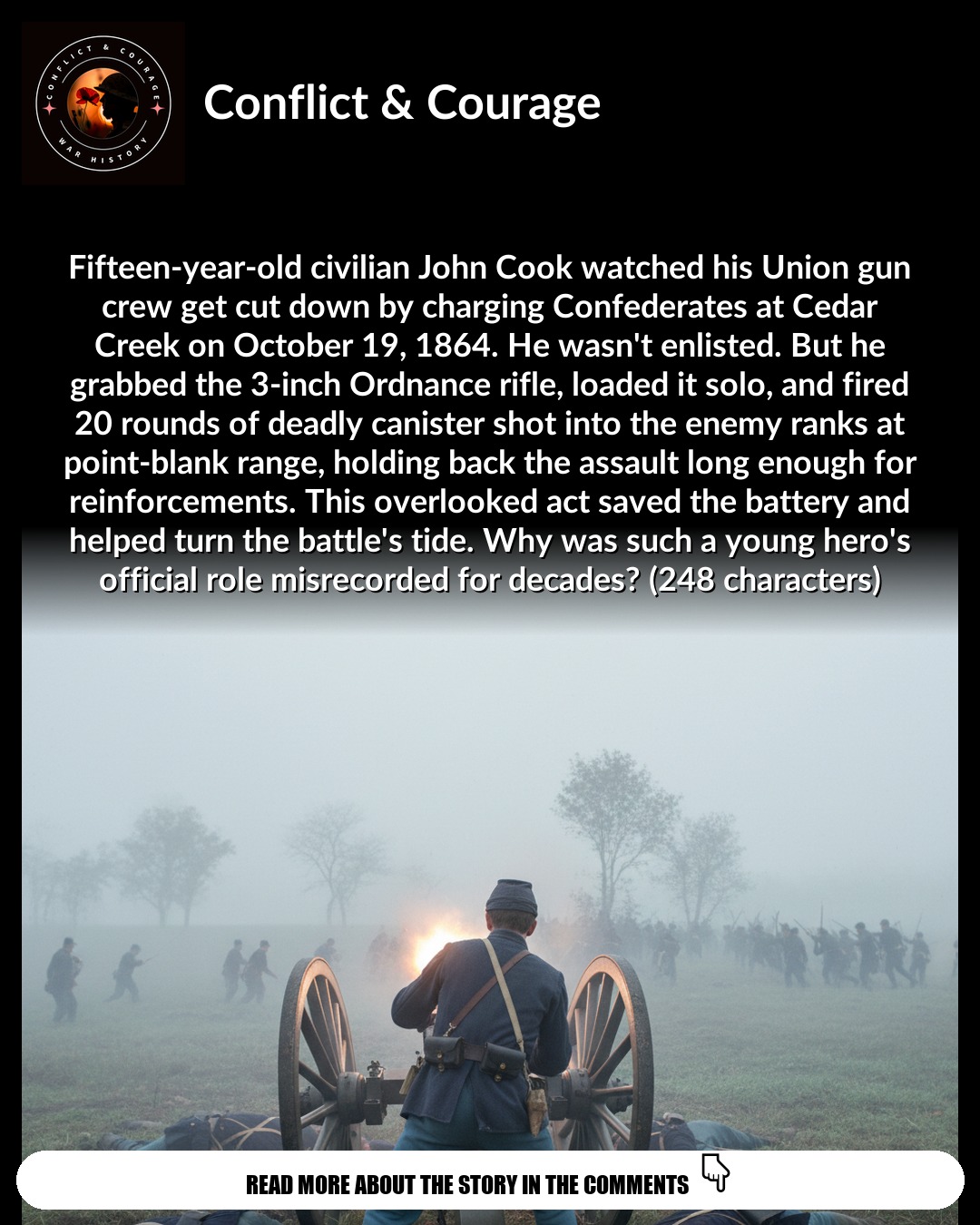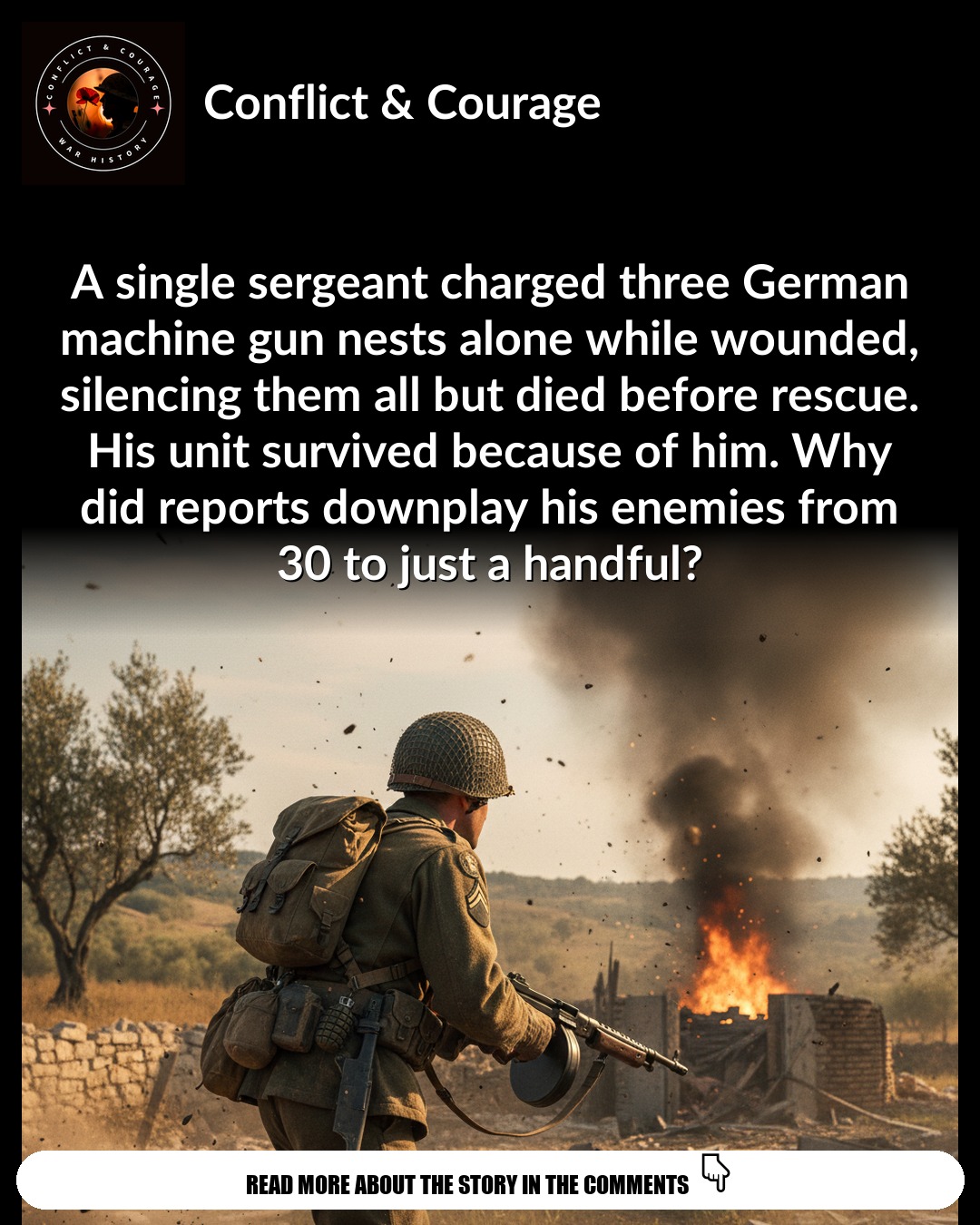
In the annals of World War II heroism, few stories match the raw courage displayed at Cisterna, Italy, in January 1944. While most remember the battle as a catastrophic defeat for America's elite Rangers, one man's extraordinary sacrifice transformed tragedy into legend.
The Doomed Mission at Cisterna
Operation Shingle, the Allied landing at Anzio, was supposed to break the bloody stalemate on the Italian Peninsula. Instead, it became a months-long siege that nearly ended in disaster for Allied forces trapped on the beachhead.
General John Lucas needed a breakthrough, and he turned to Colonel William Darby's Rangers. Their mission seemed straightforward: infiltrate German lines and capture the town of Cisterna, cutting off enemy reinforcements to the front.
What military historians now recognize as a "suicide mission" began on the night of January 29, 1944. Two Ranger battalions—nearly 800 of America's most elite soldiers—crept through the darkness toward their objective. They had no idea they were walking into a carefully prepared trap.
German intelligence had spotted the Ranger buildup. Wehrmacht units lay in wait, transforming the approaches to Cisterna into a killing ground that would decimate America's finest.
![[U.S. Army Medal of Honor with neck band]](https://pub-1a77e7db170042adb48eb7b660a445d6.r2.dev/pd-library/US_Army_Medal_of_Honor_with_neck_band_7e463d597a.jpg)
Meet Sergeant Sylvester Antolak
Among the Rangers advancing that fateful night was Staff Sergeant Sylvester Antolak, a 26-year-old Polish-American from St. Clairsville, Ohio. The son of immigrants, Antolak had joined the Rangers seeking to prove himself among America's toughest soldiers.
What set him apart wasn't size or swagger—Antolak was quiet, methodical, and utterly reliable under pressure. His fellow Rangers knew him as the type who never complained, never backed down, and always looked out for his men.
Leading a squad in the 3rd Ranger Battalion, Antolak had already proven his mettle in Sicily and Salerno. But nothing in his previous combat experience would prepare him for what awaited at Cisterna.
The Battle Turns to Slaughter
Dawn broke over the flat farmland outside Cisterna, revealing the Rangers' position to German observers. What should have been a stealthy infiltration became a desperate fight for survival as enemy machine guns opened fire from concealed positions.
Crossfire from multiple directions pinned down Antolak's company in an exposed irrigation ditch. Rangers who tried to move were cut down immediately. The carefully planned assault dissolved into chaos as casualties mounted and ammunition ran low.
With no cover and nowhere to retreat, the situation grew desperate. German reinforcements were closing in, and the Rangers faced annihilation unless someone could silence the machine gun nests that had them trapped.
One Man Against the Machine Guns
That's when Staff Sergeant Antolak made a decision that would echo through Ranger history. Seeing his men pinned down and dying, he rose from the ditch and charged directly toward the nearest German machine gun position.
Enemy bullets tore through his uniform, but Antolak kept advancing. He reached the first gun emplacement and destroyed it with grenades, immediately turning toward a second position that continued firing on his trapped comrades.
Already wounded, Antolak pressed his impossible assault. He knocked out the second machine gun despite taking multiple hits that would have stopped most men. But a third gun position continued to rake the Rangers with deadly fire.
With his last reserves of strength, the sergeant launched himself at the final emplacement. In an act of superhuman courage, he silenced the third gun even as fatal wounds brought him down.
The Price of Heroism
Staff Sergeant Antolak died as he had lived—quietly, without fanfare, focused entirely on his duty to his men. His body was found at the third machine gun position, testament to a charge that military tacticians still study today.
His sacrifice gave surviving Rangers precious time to reorganize and attempt escape from the Cisterna trap. Though hundreds would still be killed or captured, Antolak's actions saved countless lives in those crucial moments.
Witnesses later described his assault as the most extraordinary display of individual courage they had ever seen. One survivor simply said, "He saved us all."
Legacy of a Legend
The Medal of Honor citation for Staff Sergeant Antolak speaks to the profound impact of his sacrifice. His story quickly spread through all Ranger battalions, inspiring soldiers who faced their own desperate battles in the months ahead.
Modern military studies examine Antolak's tactical decisions, noting how his understanding of suppressive fire and assault techniques maximized his chances against overwhelming odds. His actions exemplify the Ranger creed: "Surrender is not a Ranger word."
Today, Cisterna is remembered not just as a Ranger disaster, but as the place where extraordinary courage triumphed over impossible circumstances. Antolak's heroic stand transformed military tragedy into legend.
Remembering the Ultimate Sacrifice
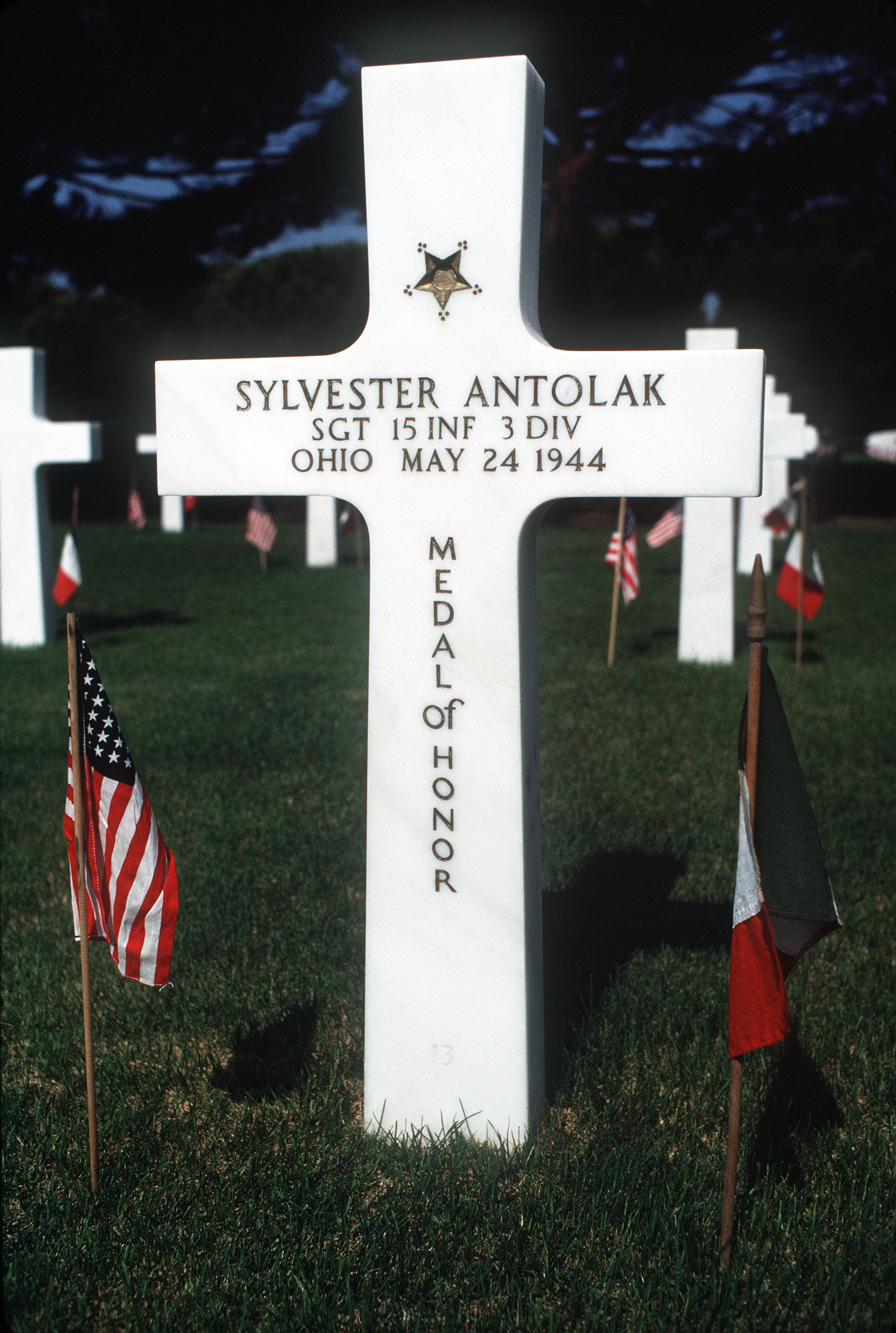
Staff Sergeant Sylvester Antolak rests in the Sicily-Rome American Cemetery, his grave visited by Rangers who still serve today. His hometown honors him with memorials that remind new generations of the price of freedom.
Military historians continue to study his example, finding lessons about individual heroism that transcend any single battle or war. Like other Medal of Honor recipients such as John Bobo and Sammy Davis, Antolak proved how one person's courage can change history's course.
His story reminds us that in war's darkest moments, ordinary people can achieve extraordinary things. Staff Sergeant Antolak's charge at Cisterna stands as proof that individual heroism still matters, still inspires, and still saves lives.
What stories of military courage inspire you most? Share your thoughts in the comments below, and don't forget to pass along this remarkable tale of one man's ultimate sacrifice for his brothers in arms.