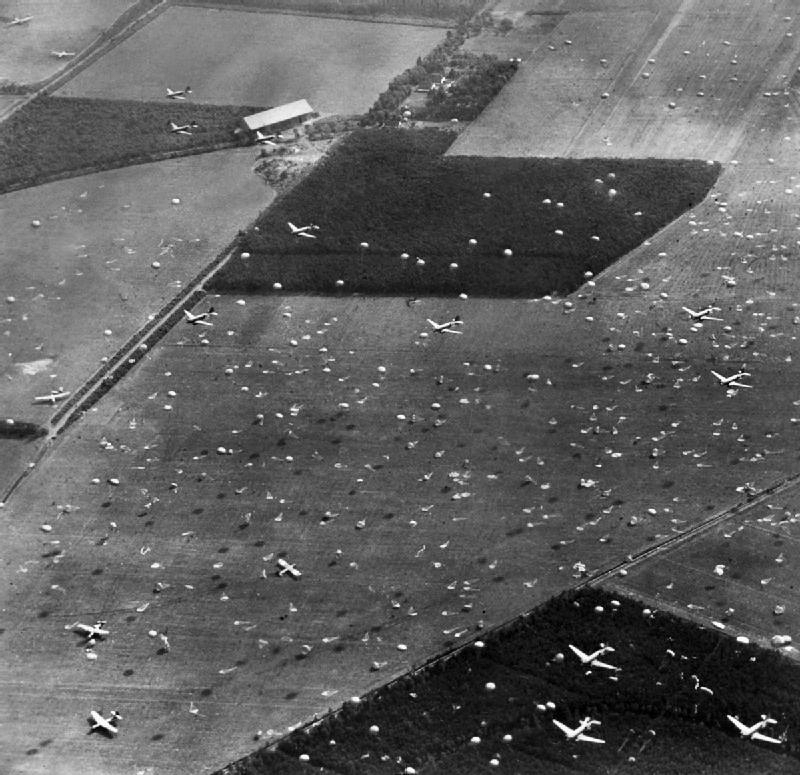
While the world remembers the brave paratroopers who jumped into Normandy on D-Day, there's another story that deserves our attention. Thirteen ordinary American soldiers accomplished something extraordinary on Utah Beach that June morning in 1944, and their names should be etched alongside the most celebrated heroes of that pivotal day.
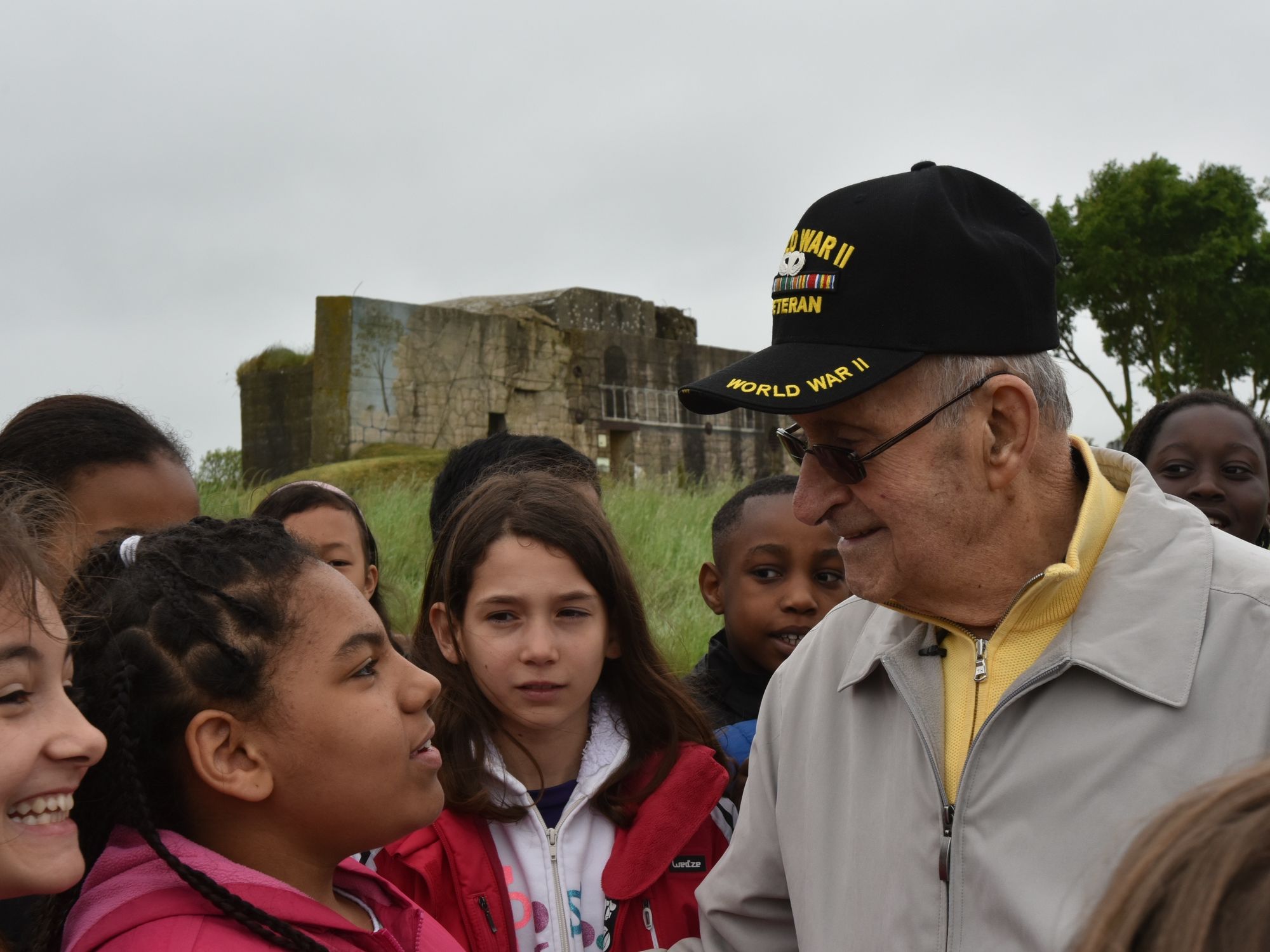
The Guns That Nearly Stopped D-Day
Perched on the bluffs overlooking Utah Beach stood some of the most fearsome weapons in Hitler's Atlantic Wall. These massive German coastal artillery pieces could rain death on the Allied landing craft from miles away, turning the shallow waters into a killing field.
The concrete bunkers housing these guns were engineering marvels of destruction. Each position was designed to withstand direct hits from naval bombardment, with walls several feet thick and interlocking fields of fire that could devastate any amphibious assault.
Allied planners knew these batteries had to be silenced before the first landing craft hit the beach. The original plan called for a devastating pre-dawn bombardment from Allied warships and bombers to neutralize the threat.
But plans rarely survive contact with the enemy. When dawn broke on June 6th, those guns were still very much alive and ready to turn Utah Beach into a graveyard.
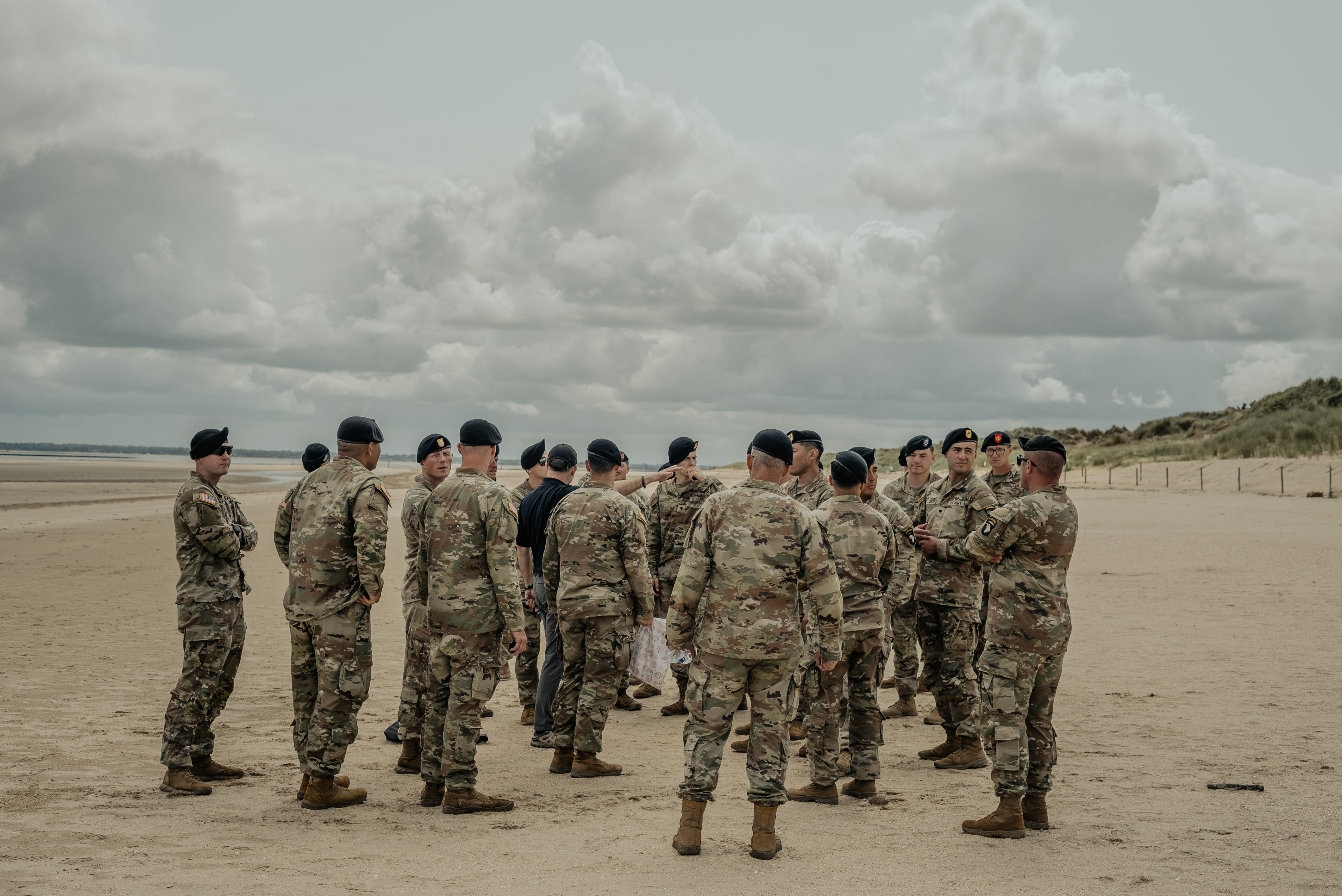
Meet the Forgotten Heroes of Utah Beach
Leading this small band of heroes was a young lieutenant whose name history has largely forgotten. He wasn't a West Point graduate or a career officer – just a citizen-soldier who found himself in an impossible situation with twelve men looking to him for leadership.
His dozen companions were equally unremarkable on paper. They came from farms and factories across America, men who had answered their country's call without expecting to become legends. Some were barely out of their teens, others had left wives and children back home.
What made them extraordinary wasn't their training or equipment – it was their willingness to act when action seemed impossible. Like Charles Hosking Jr., who would later show similar courage in Vietnam, these men understood that sometimes ordinary soldiers must do extraordinary things.
The Mission That Wasn't Supposed to Happen
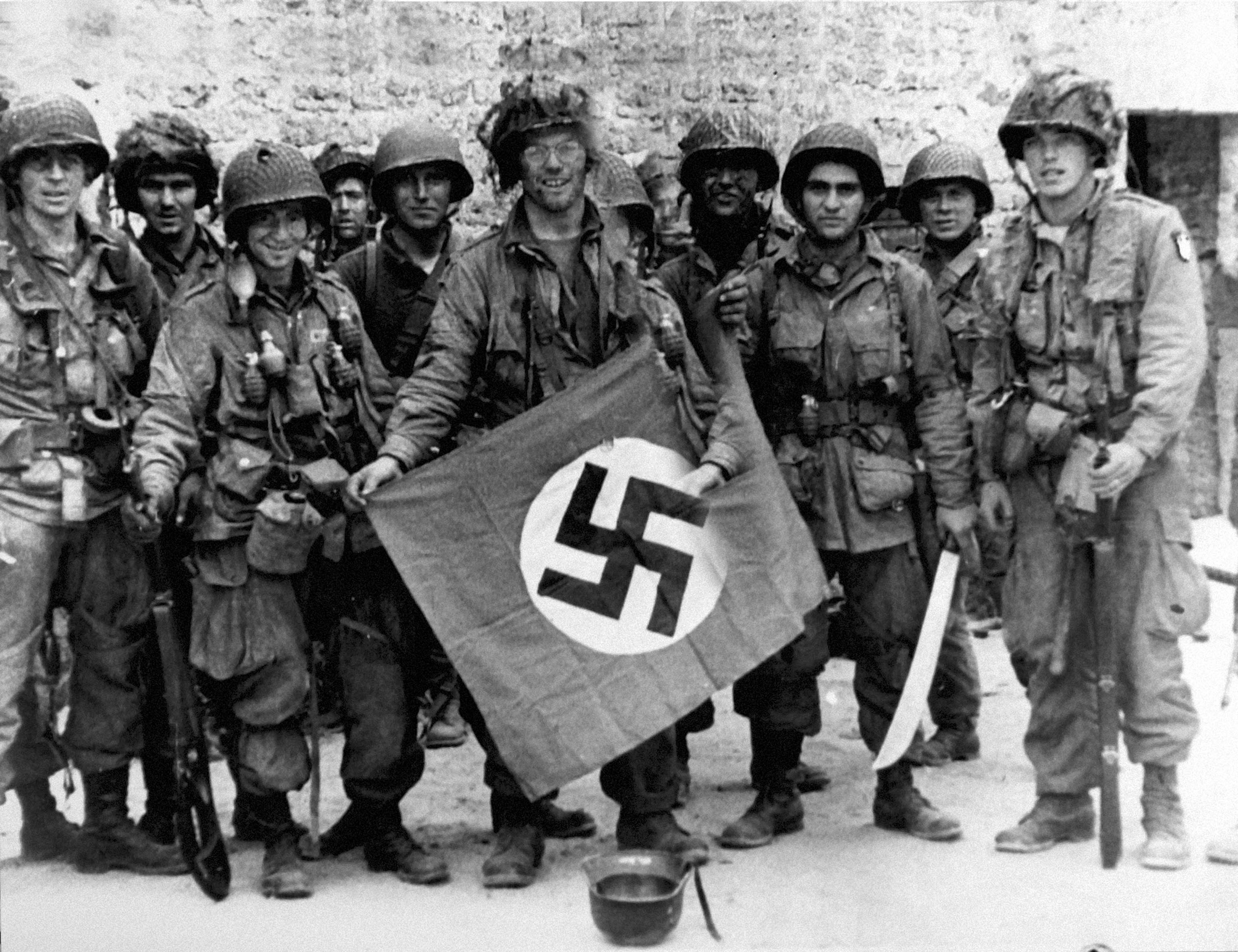
Through a combination of navigation errors and the chaos of D-Day, this small unit found themselves in German-held territory as the sun rose over Normandy. They were supposed to be reinforcing the beach defenses, not fighting behind enemy lines.
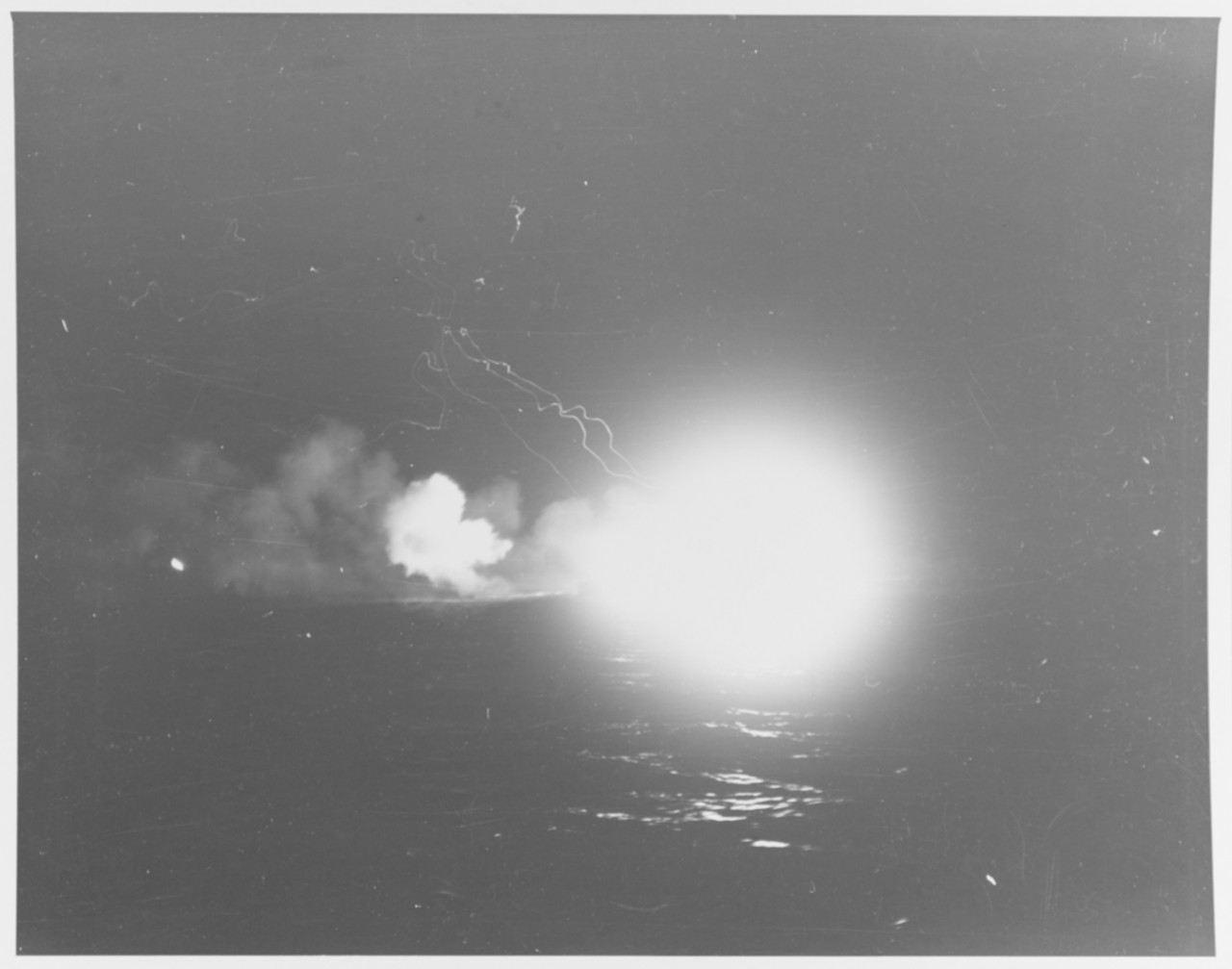
That's when they heard it – the thunderous roar of the coastal guns opening fire on their comrades struggling to establish a foothold on Utah Beach. The lieutenant peered through his binoculars and saw muzzle flashes erupting from the supposedly silenced battery positions.
In that moment, he faced a choice that would define not just his own legacy, but potentially the entire Utah Beach operation. Retreat to safety, or attack an enemy position that vastly outnumbered his tiny force.
The decision took only seconds. Thirteen men were about to take on the German war machine.
Against All Odds: The Attack Begins
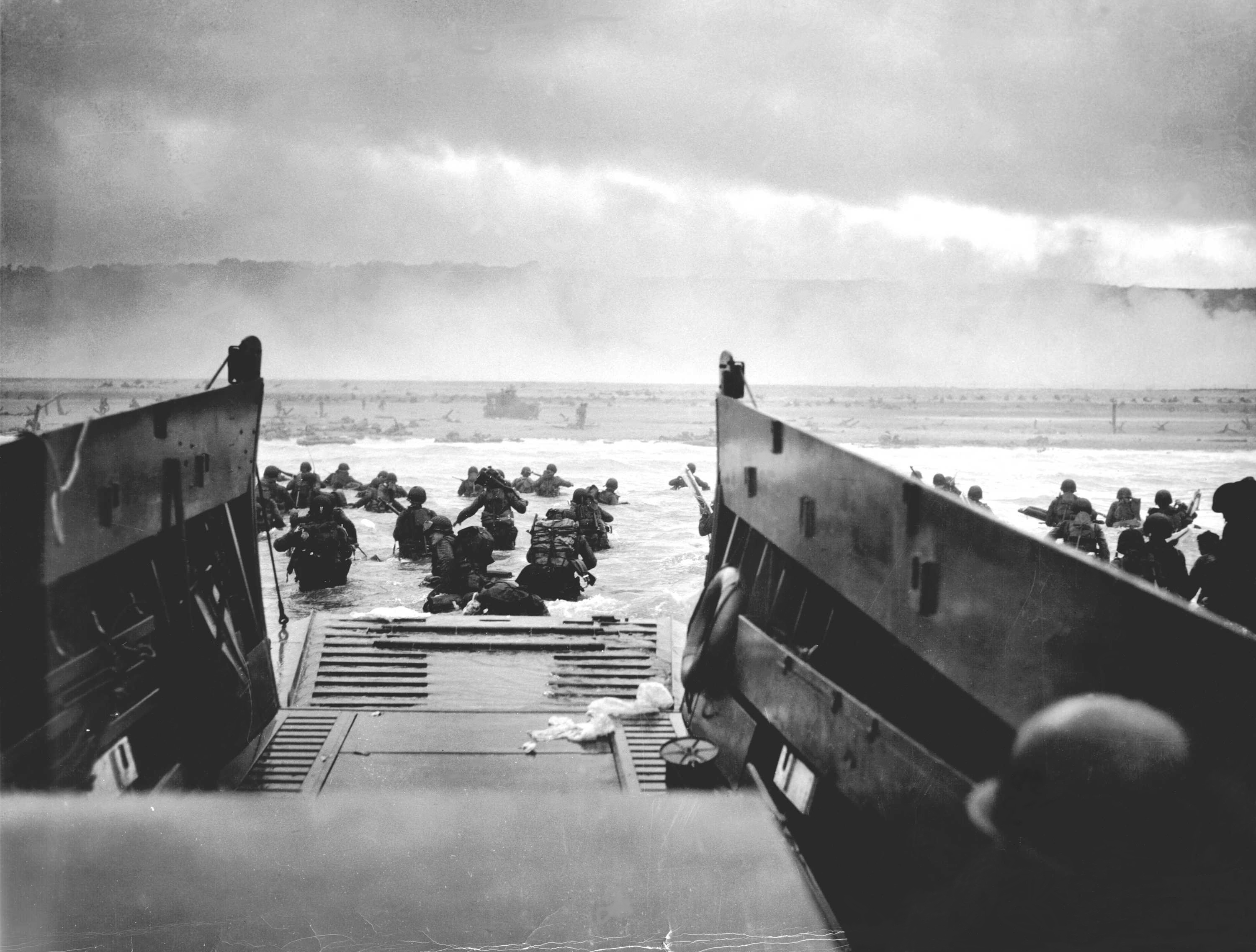
Using every bit of cover the Norman countryside provided, the small unit began their approach. They moved like ghosts through hedgerows and shell craters, knowing that discovery meant certain death.
The lieutenant divided his men into three groups, planning to hit the battery from multiple angles simultaneously. It was a textbook assault – if you ignored the fact that they were outnumbered at least ten to one.
When the first shots rang out, surprise was their greatest weapon. German defenders, focused on their coastal targets, suddenly found American soldiers in their midst. The carefully orchestrated battery positions erupted into chaos as the firefight intensified.
Individual acts of heroism emerged from the smoke and confusion. One sergeant single-handedly charged a machine gun nest. Another soldier used grenades to devastating effect against enemy positions. Each man fought as if the entire invasion depended on him alone.
Silencing the Guns: Victory at Terrible Cost
The final assault required everything they had left. German resistance stiffened as the defenders realized the threat to their positions. What followed was brutal, close-quarters combat around the massive gun emplacements.
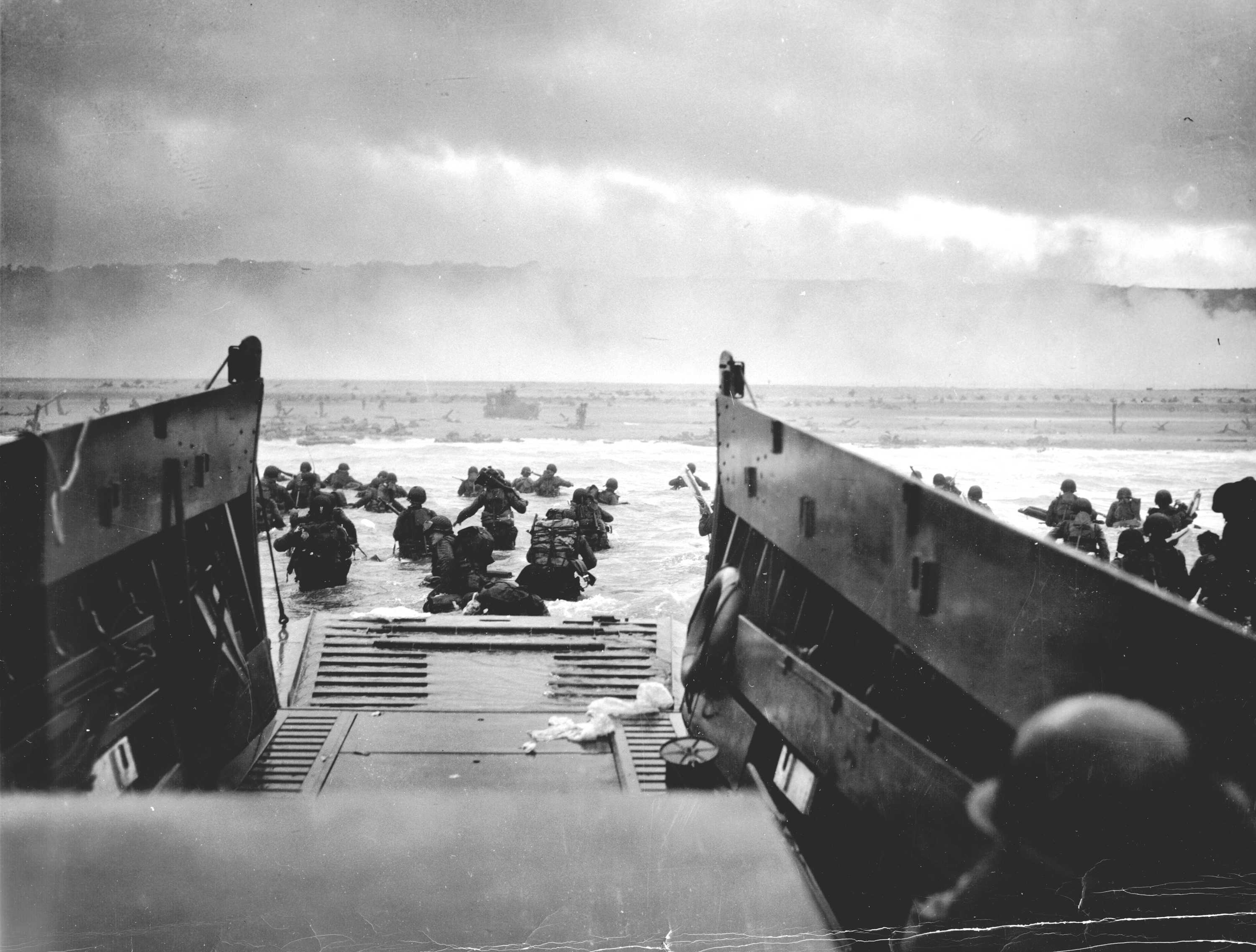
One by one, the coastal artillery pieces fell silent. The Americans used satchel charges and grenades to disable the weapons that had been raining shells on Utah Beach. Each gun silenced meant dozens, perhaps hundreds of American lives saved on the beach below.
Victory came at a terrible price. Of the thirteen men who began this impossible mission, several would never see home again. Others carried wounds that would mark them for life.
But as the guns fell silent, the landing craft approaching Utah Beach suddenly faced far less resistance. The small unit's sacrifice was already saving lives.
The Ripple Effect: How 13 Men Saved Thousands
Military historians estimate that if those guns had remained operational throughout D-Day, casualties on Utah Beach could have been catastrophic. The relatively light losses suffered during the Utah Beach landings – compared to the carnage at Omaha – owed much to actions like this.
The success of these thirteen soldiers created a ripple effect throughout the Normandy invasion. With Utah Beach more secure, additional forces could land and push inland more quickly, accelerating the entire liberation of Western Europe.
Like the crews of vessels such as the USS Johnston at Samar, these men received some recognition for their heroism, but nothing approaching what they deserved. Their story was quickly overshadowed by larger operations and more famous units.
Why Their Story Matters Today
The tale of these thirteen heroes reminds us that history's greatest moments often turn on the actions of ordinary people facing extraordinary circumstances. Their split-second decision to attack rather than retreat changed the course of D-Day itself.
In an age when we celebrate military technology and large-scale operations, it's crucial to remember that wars are still won by individual soldiers making brave choices. These men understood something that transcends any era: sometimes you have to act, even when the odds seem impossible.
Their story also highlights how many D-Day heroes remain unknown. While we rightly honor famous paratroopers like John Steele, countless other soldiers performed acts of equal courage that never made it into the history books.
Most importantly, their example teaches us about the power of decisive action. When faced with a choice between safety and duty, between retreat and attack, these thirteen men chose to fight – and in doing so, they helped secure freedom for millions.
What stories of unsung military heroes have touched you most deeply? Share your thoughts in the comments below, and help us keep these remarkable tales of courage alive for future generations.