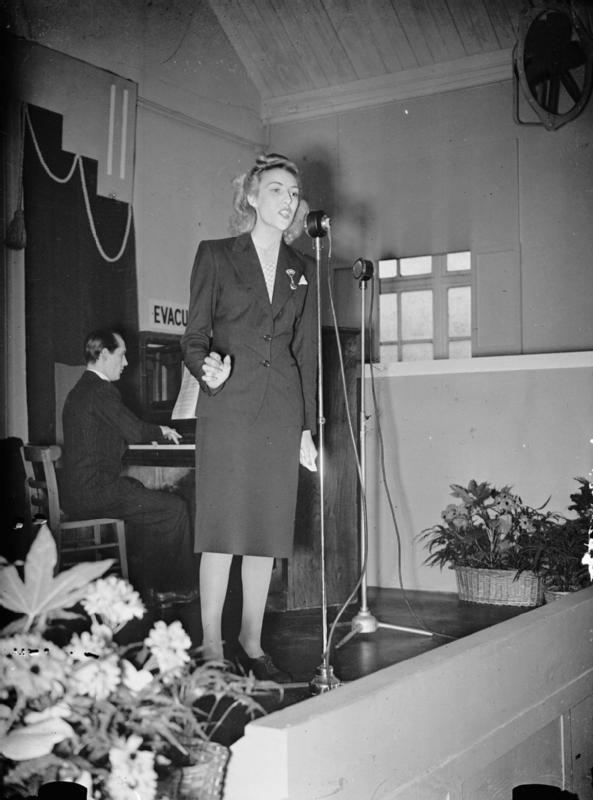
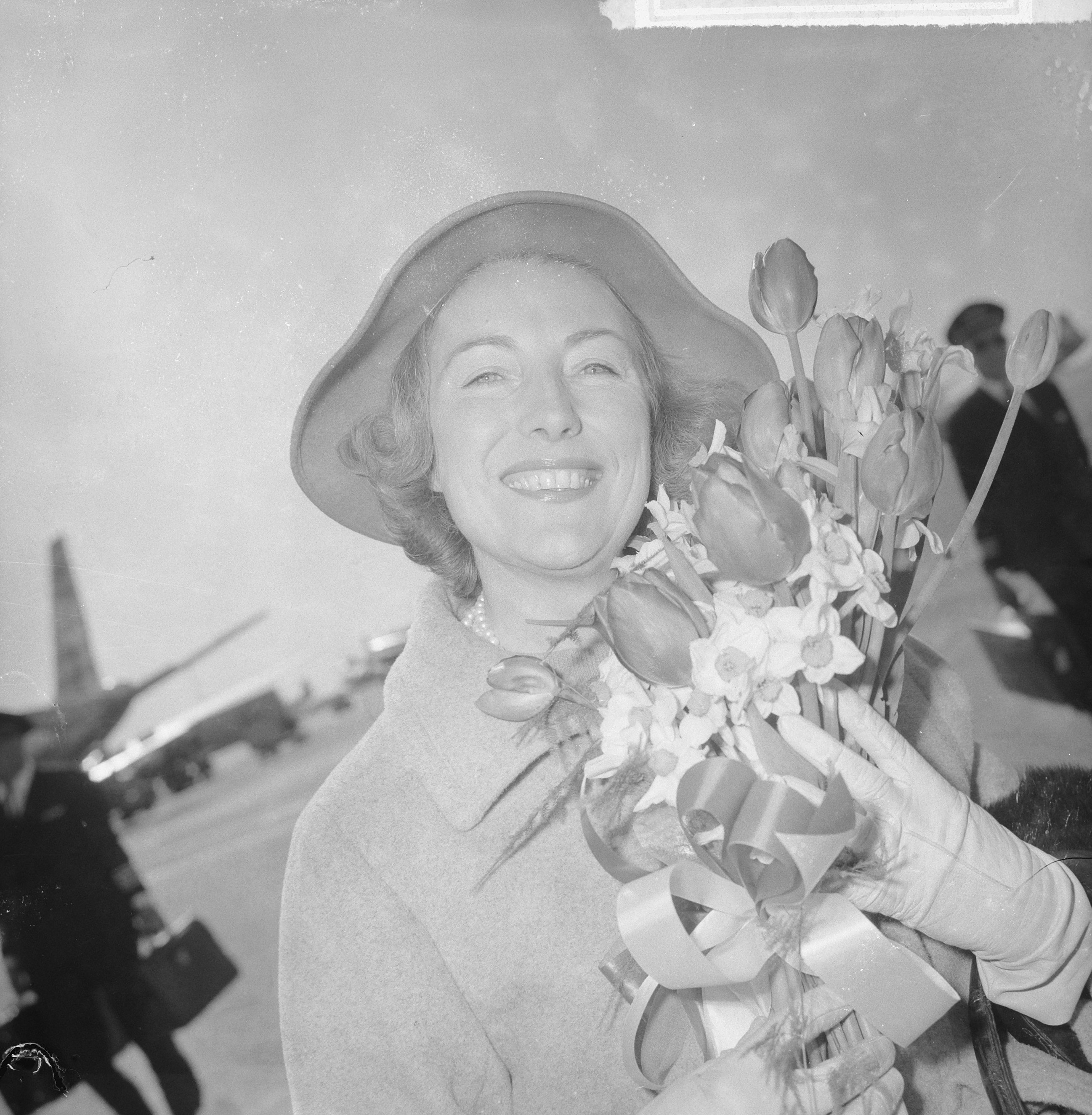
Vera Lynn was Britain's beloved wartime sweetheart — but ENSA was the real backbone keeping the nation's spirits alive. While one sang from studio safety, the other sent thousands of performers into danger zones across the globe.
The nation still hums "We'll Meet Again," but who remembers the entertainers who dodged bombs in factory canteens and jungle clearings? It's time we settled this score once and for all.
Vera Lynn was Britain's sweetheart - but ENSA was the real morale machine. Which one deserves the glory?
Everyone knows Vera Lynn's voice drifting across the airwaves, promising hope to anxious families. What they don't know is that while she dominated BBC broadcasts, ENSA — the Entertainments National Service Association — was mobilising over 4,000 performers to reach the places radio couldn't touch.
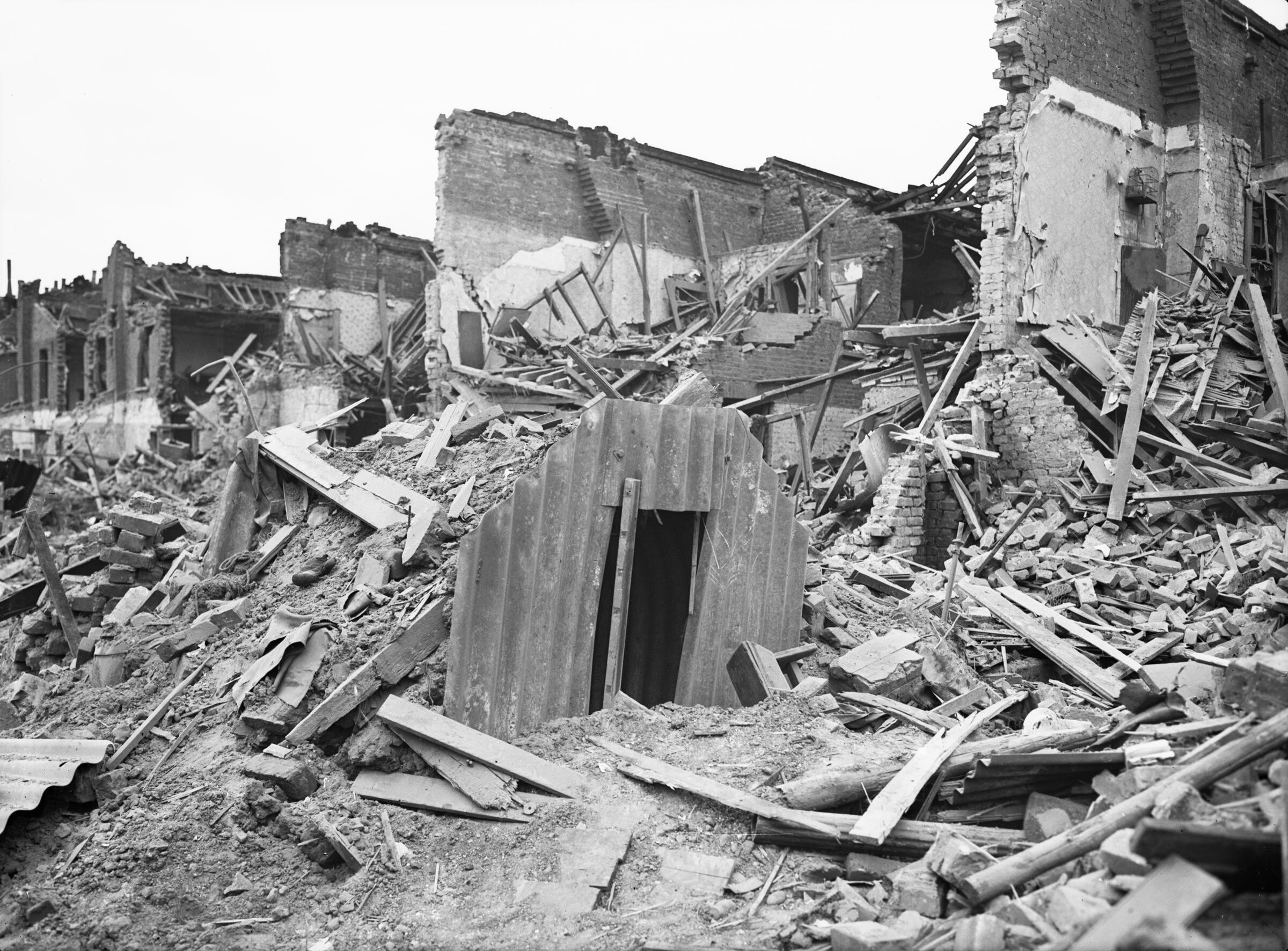
ENSA troupes performed in underground shelters during the Blitz, entertaining workers in munitions factories, and bringing live shows to troops on the front lines. They risked everything while Vera sang from the comfortable safety of London recording studios.
The uncomfortable truth? ENSA entertainers were the ones actually reaching soldiers in Burma, dockers in Liverpool, and exhausted workers pulling double shifts. They were there when it mattered most, sharing the same dangers as the people they entertained.
When Churchill Called Entertainment 'Essential War Work'
Churchill's government made a shocking decision in 1940: they classified entertainers as essential workers vital to Britain's victory. This wasn't sentiment — it was strategy born from hard lessons.
During WWI, morale had collapsed partly because authorities ignored the psychological needs of civilians and troops. ENSA emerged from those failures, masterminded by Basil Dean, a theatrical impresario with a controversial vision.
Dean believed culture could serve as a weapon against fascism. His mandate was simple: keep Britain's spirit unbroken through live entertainment, no matter the cost. The government backed him with resources that would make today's arts councils weep.
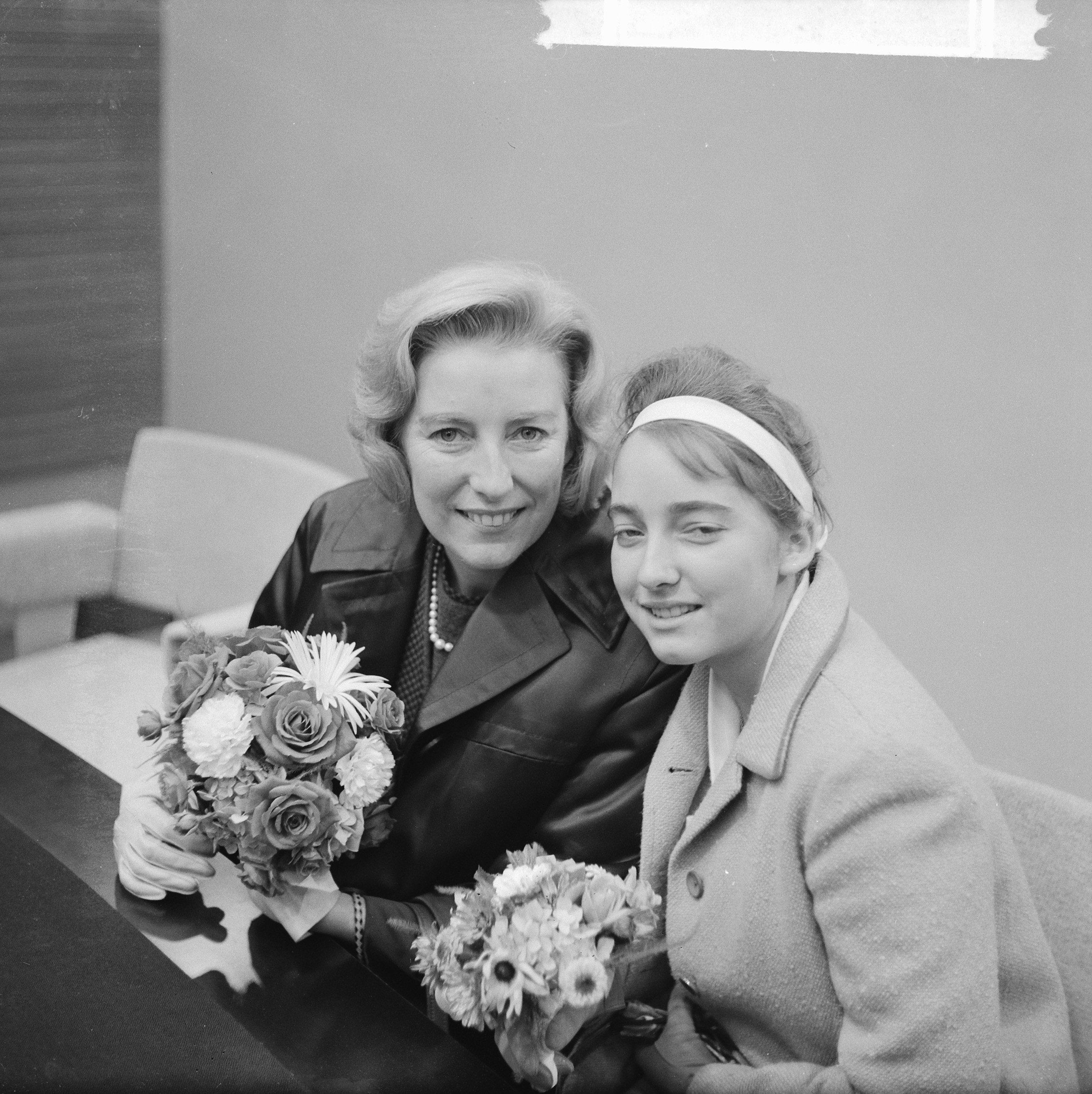
While Vera Sang From Studio Safety, ENSA Stars Dodged Bombs
Picture this: Tommy Trinder performing comedy routines in Belgian towns while V-2 rockets screamed overhead. Compare that to Vera Lynn's wartime experience — comfortable recording sessions and carefully staged public appearances.
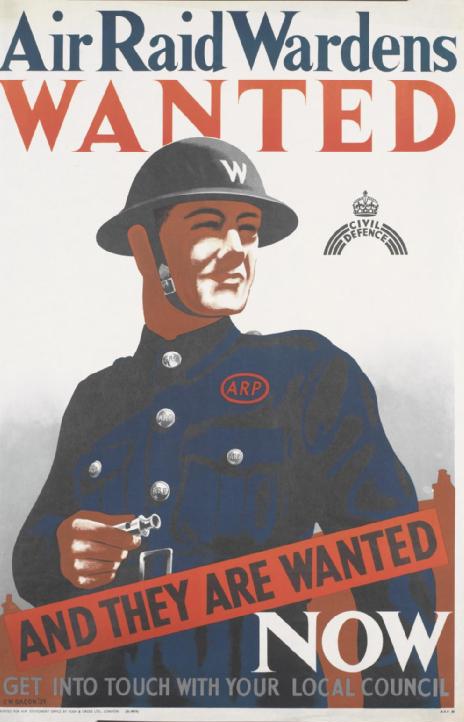
ENSA performers lived the brutal reality of wartime Britain. They entertained exhausted ARP wardens in underground shelters, keeping spirits high while bombs fell above their heads.
Factory workers building Britain's war machine needed more than radio voices — they needed real human connection. ENSA provided that, one dangerous performance at a time.
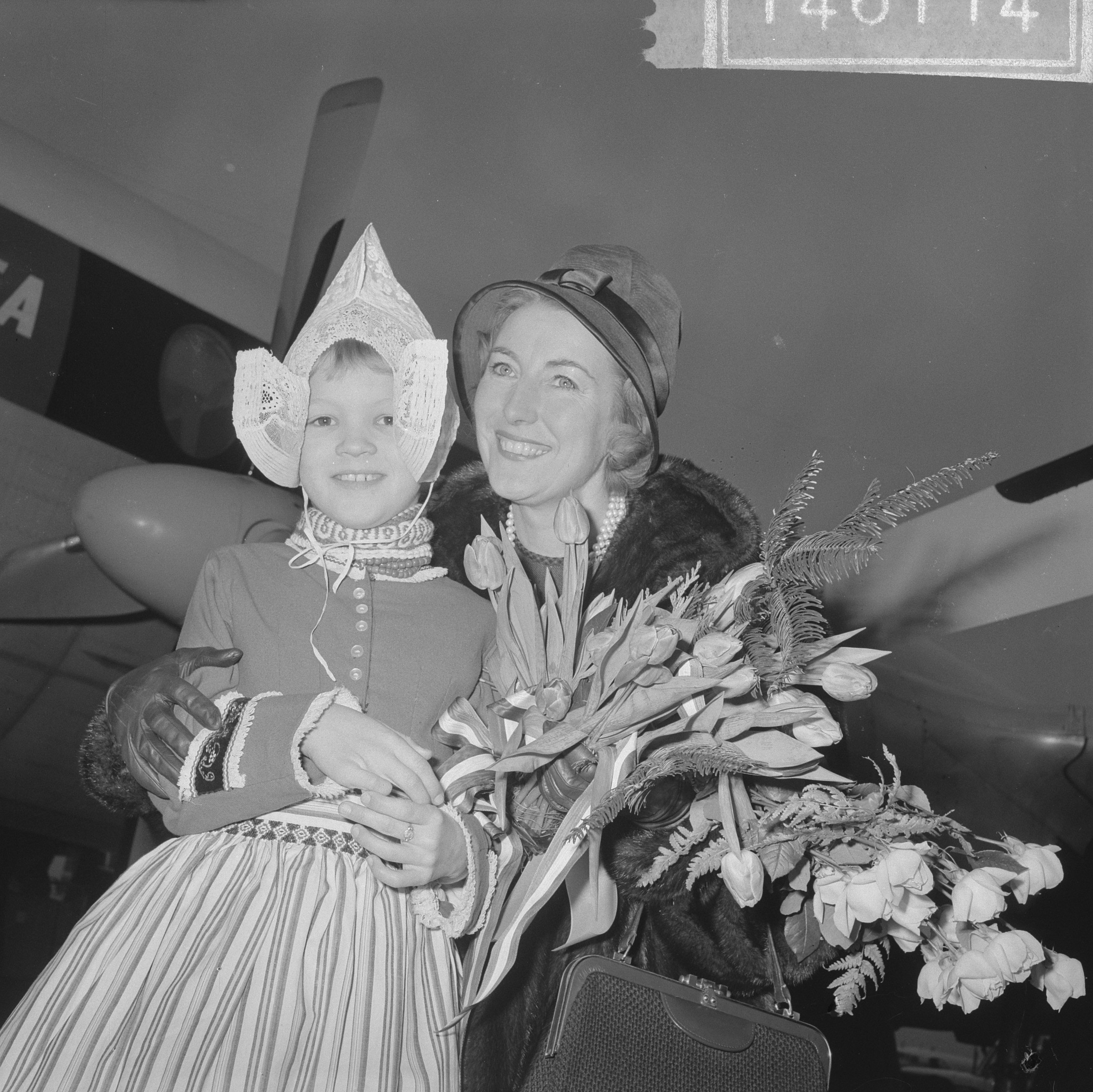
The Entertainers Churchill's Government Tried to Silence
Not all ENSA performers toed the official line. George Formby and other comedians pushed against military censorship, performing songs and routines that connected with working-class audiences in ways the sanitised BBC never could.
These banned songs and edgy performances kept morale high in precisely the communities that mattered most for war production. While the BBC preferred safe sentiment, ENSA performers delivered raw emotion that actually moved hearts.
The establishment preferred Vera Lynn's carefully crafted image, but ordinary Britons often responded more to comedians who dared to mock authority and speak uncomfortable truths.
From Burma to Normandy: The Shows That History Forgot
ENSA troupes followed British forces everywhere — from jungle clearings in Burma to bombed-out Norman towns after D-Day. These forgotten performances happened in conditions that would terrify modern entertainers.
Female ENSA performers faced the same dangers as combat troops, yet received none of the recognition. They entertained soldiers who might die the next day, providing final moments of joy before terrible battles.
Live performance trumped recorded music for battle-weary soldiers every time. Nothing could replace the human connection of seeing real people willing to share their danger.
The Price of Fame: Who Really Sacrificed for Britain?
Vera Lynn enjoyed a comfortable war, building a career that would last decades. ENSA performers? Many never made it home, dying in bombing raids, plane crashes, and enemy attacks we've forgotten.
Their sacrifice was immediate and real, yet post-war nostalgia rewrote the story. We remember the voice on the radio but forgot the faces that brought live entertainment to Britain's darkest corners.
The comfortable narrative sells better than the messy truth: that real morale came from real people taking real risks.
Were ENSA's Forgotten Heroes More Vital Than Radio's Darling?
The measurable impact tells the story. Factory production soared after ENSA performances. Troop morale reports consistently showed live entertainment outperformed recorded music. Military hospitals reported faster recovery rates when live performers visited.
Modern Britain remembers the song but forgets the singers who actually delivered when it counted. We've sanitised our memory of who really kept the home fires burning.
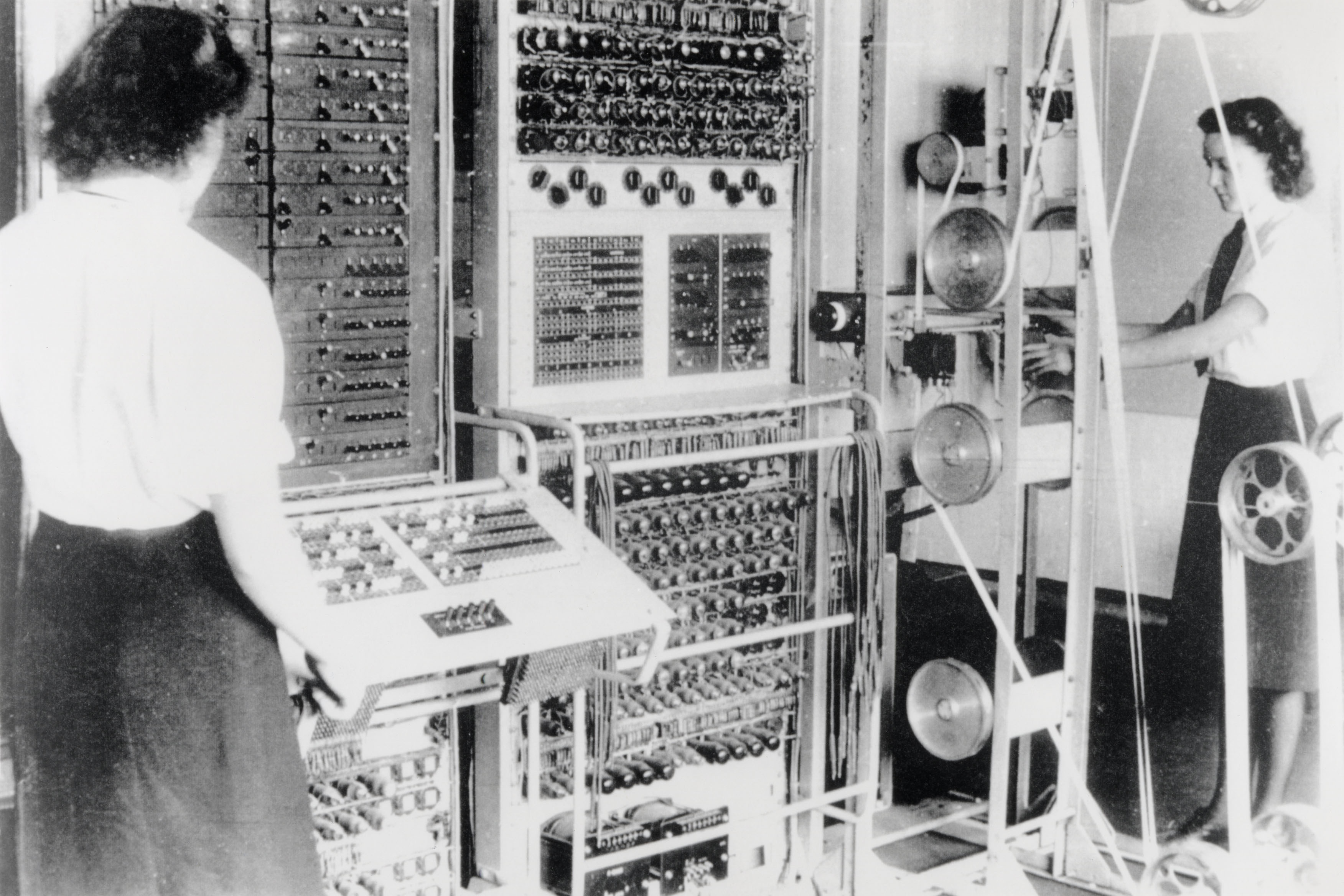
ENSA performers were entertainment's unsung warriors, deserving recognition alongside Bletchley Park's codebreakers and other forgotten heroes of WWII.
Was Vera Lynn's radio presence more important than thousands of ENSA performers risking their lives? Were sanitised studio recordings more vital than dangerous live shows that actually reached the troops?