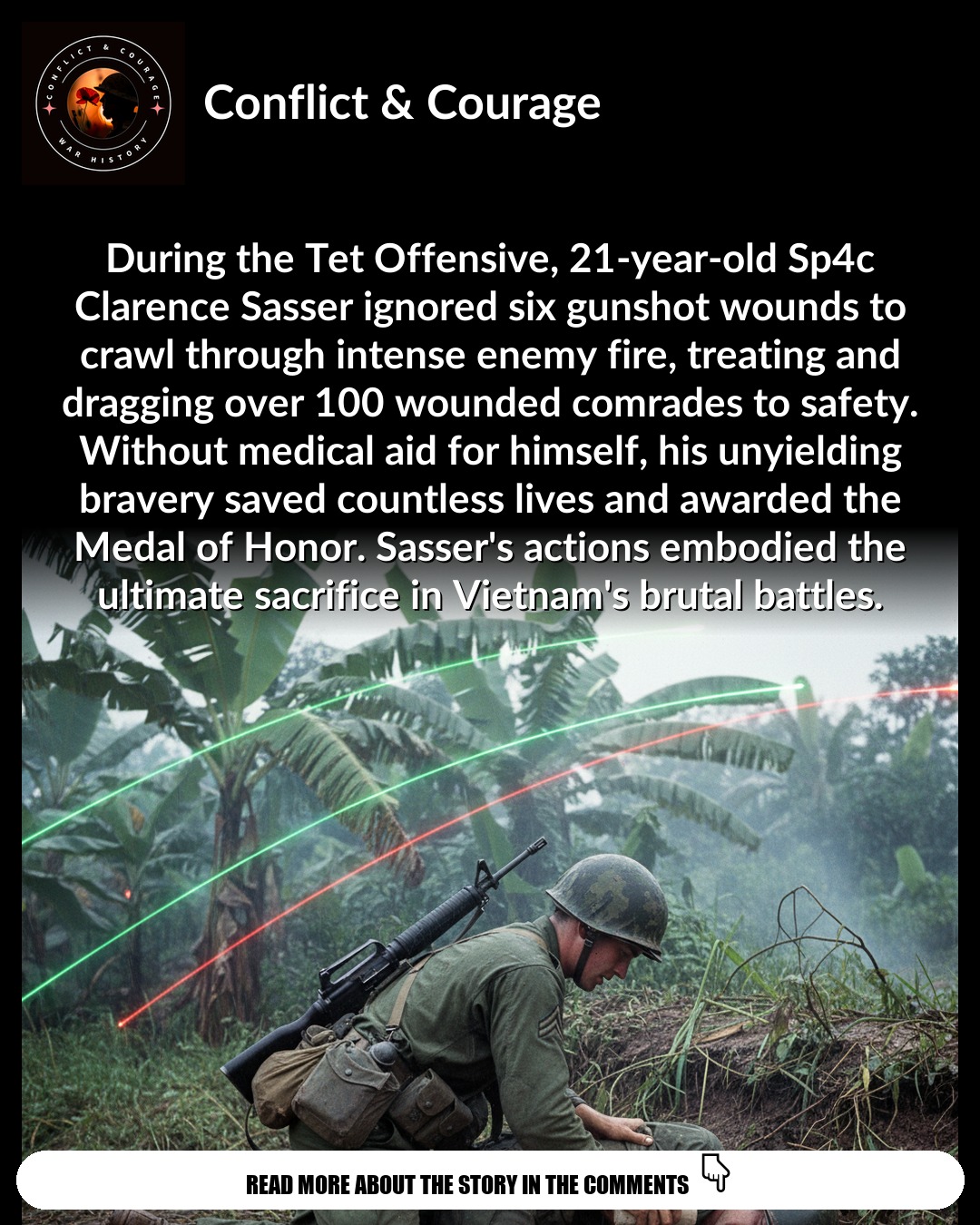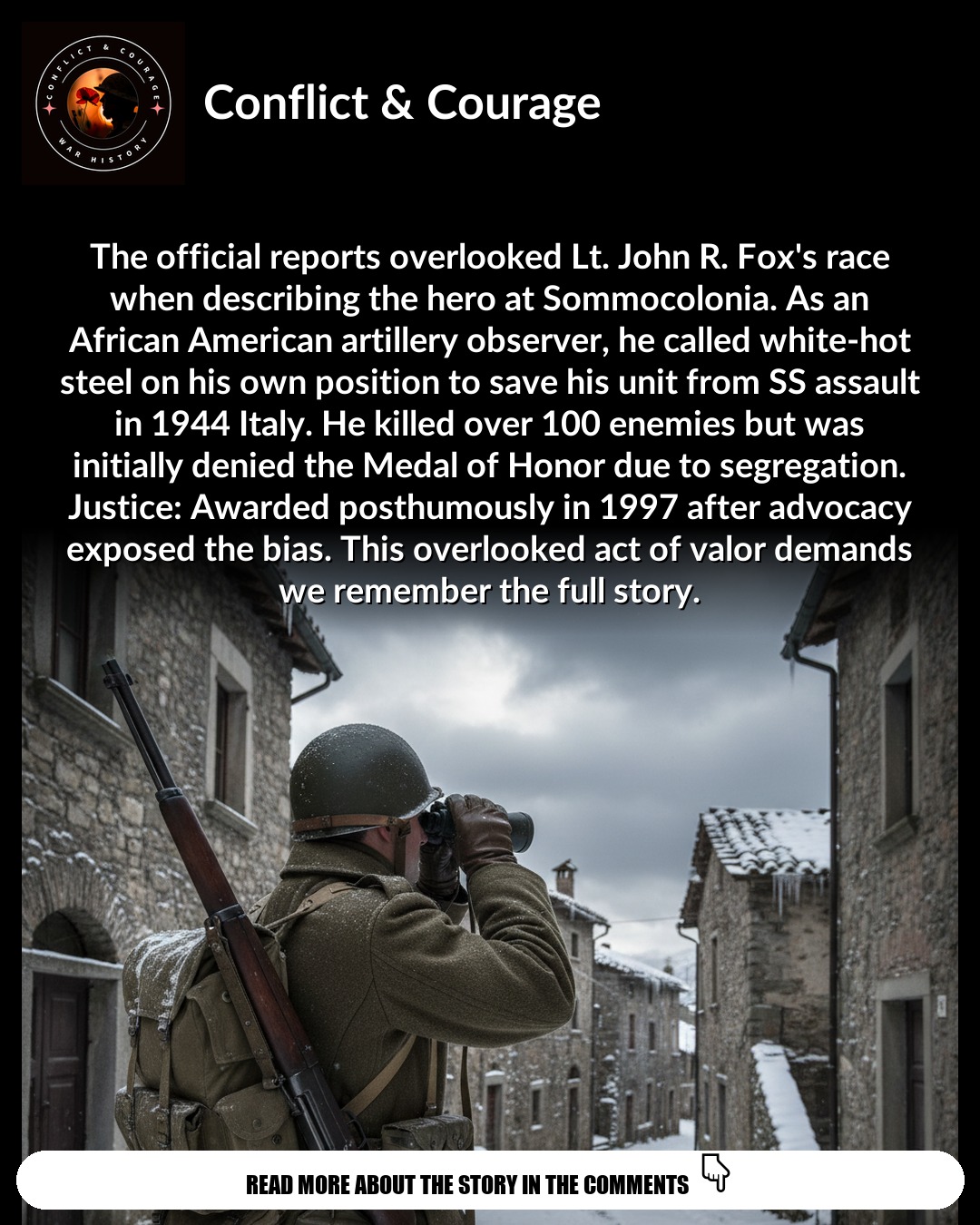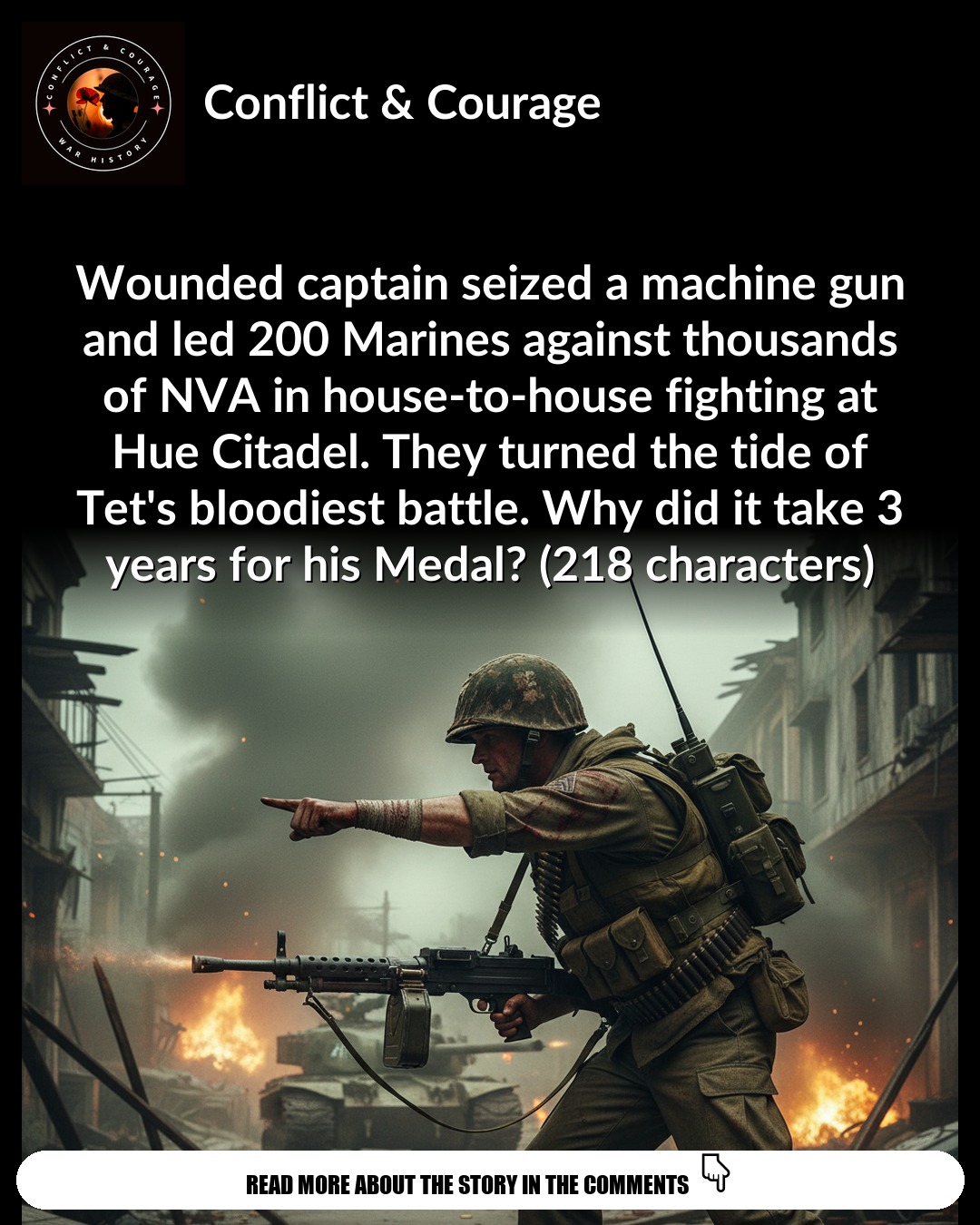
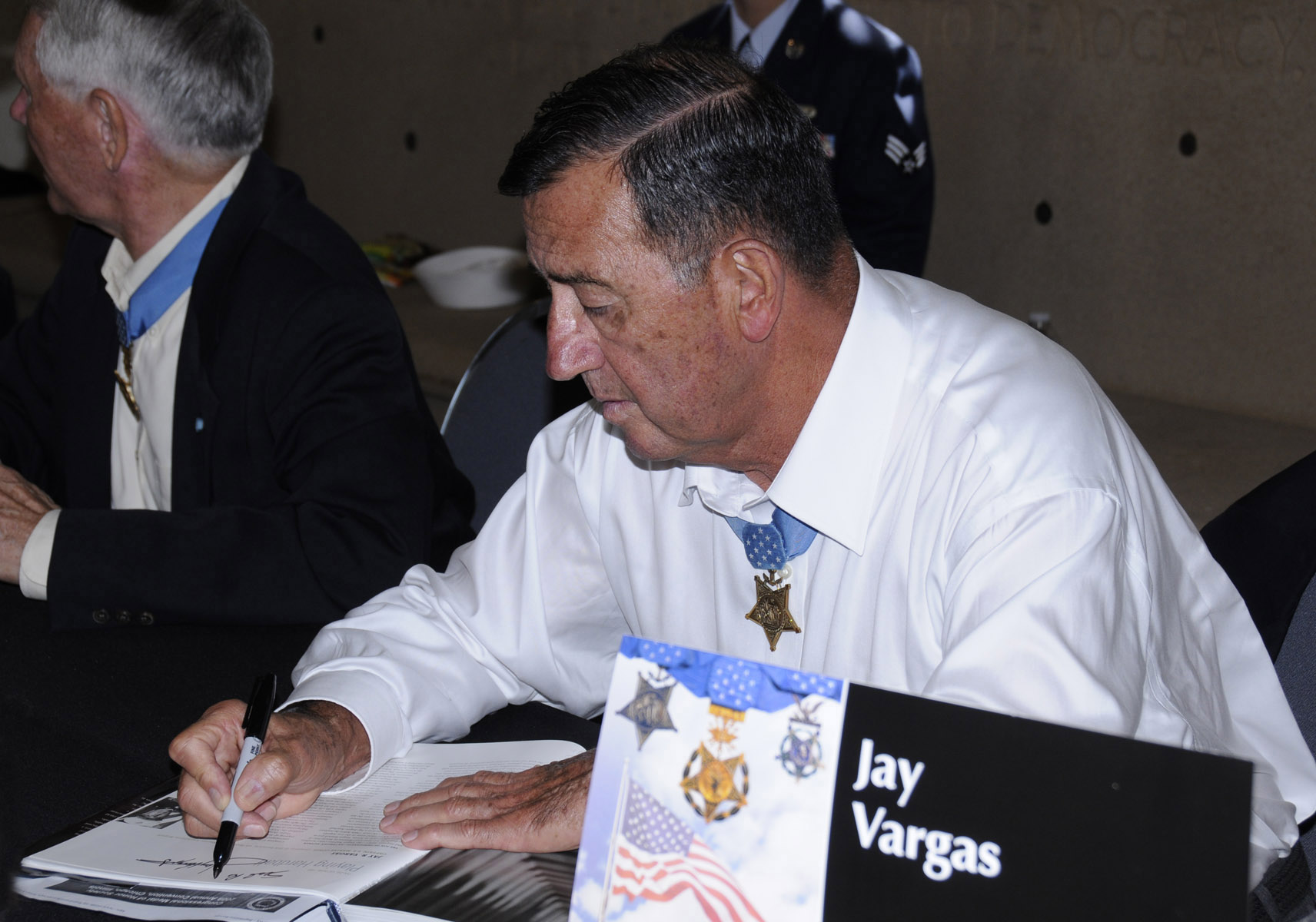
In the chaos of Vietnam's Tet Offensive, when the ancient city of Hue became a nightmare of urban warfare, one Marine captain would prove that leadership isn't about rank—it's about courage under fire. Captain Jay Vargas, just 30 years old, led Company A into what military historians now call one of the most brutal urban battles in American military history.
While America watched the Tet Offensive unfold on their television screens in February 1968, Vargas and his 200 Marines were about to face thousands of North Vietnamese Army troops who had turned Vietnam's former imperial capital into a fortress. This isn't just another Vietnam War story—it's about how one man's refusal to quit broke a siege that could have changed the entire war's trajectory.
Into Urban Hell: The Battle for Hue Begins
Hue wasn't just any Vietnamese city. As the ancient imperial capital, it held deep cultural significance and strategic value that the NVA understood perfectly. During the Tet Offensive, communist forces had seized most of the city, including the historic Citadel—a massive fortress complex that dominated the landscape.
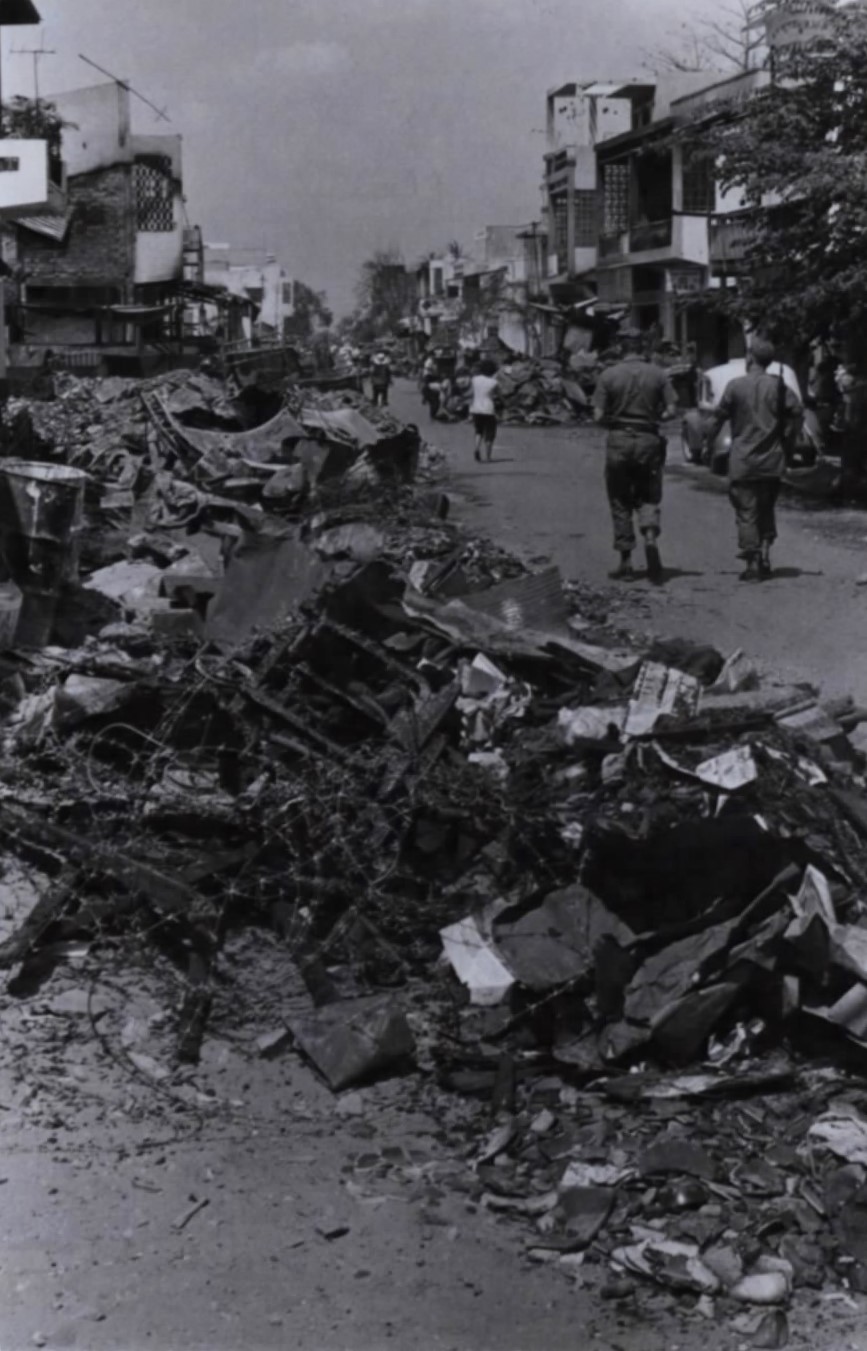
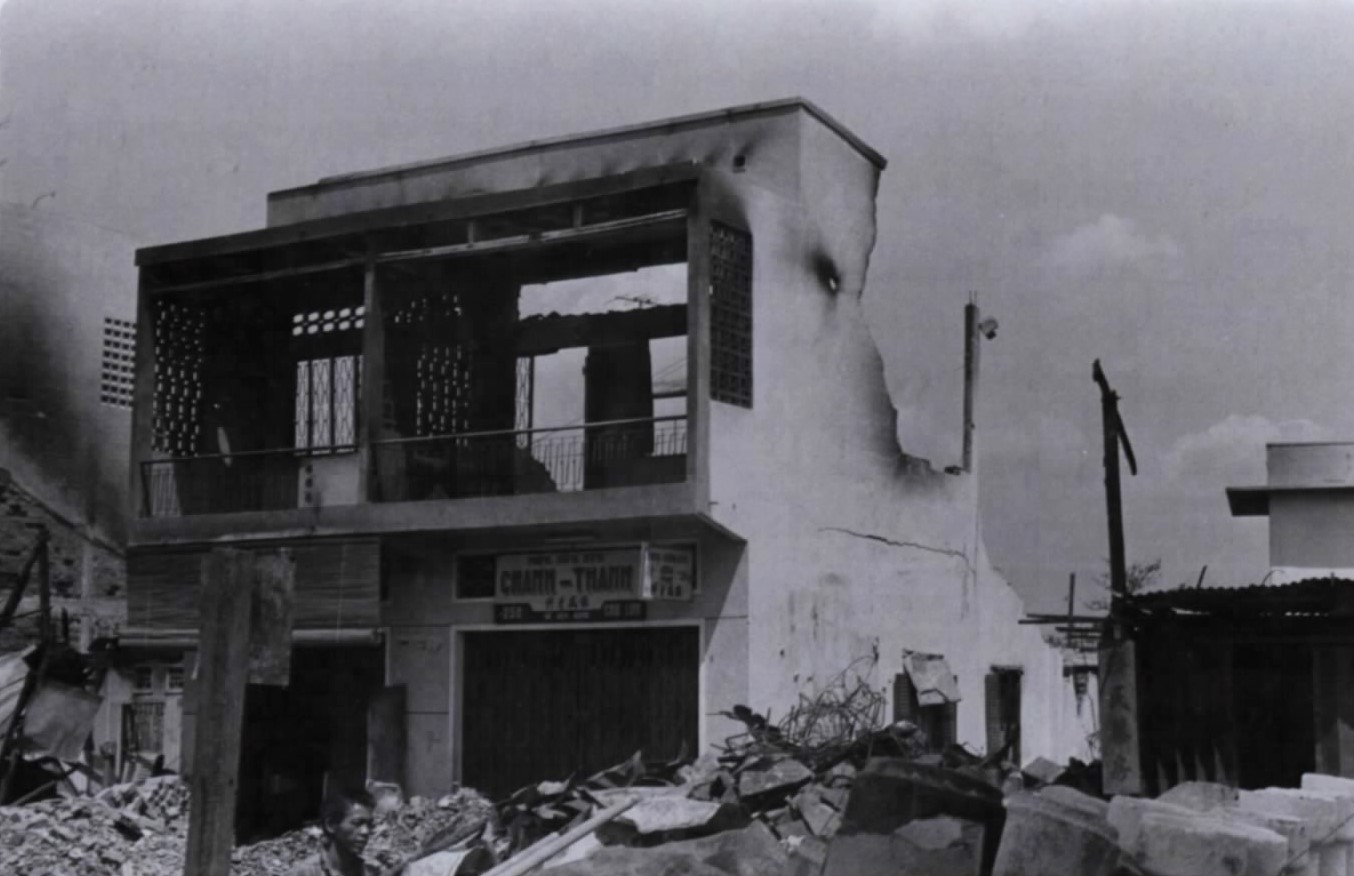
The enemy had transformed Hue's narrow streets, ancient buildings, and sacred temples into killing fields. Every window could hide a sniper, every doorway a booby trap. This wasn't jungle warfare that American forces had trained for—this was house-to-house, room-to-room combat where experience meant everything and luck determined who lived or died.
When Vargas and Company A entered the city, they walked into a meat grinder. The NVA had prepared defensive positions for weeks, stockpiling ammunition and fortifying buildings. What should have been a quick operation to retake the city became a prolonged nightmare that would test every Marine to his breaking point.
Leadership Under Fire: Vargas Takes Command
Everything went wrong for Company A from the moment they entered Hue's streets. The Marines found themselves outgunned, outnumbered, and fighting an enemy who knew every alleyway and building. Traditional military tactics meant nothing in this urban hell where a single machine gun nest could pin down an entire platoon.
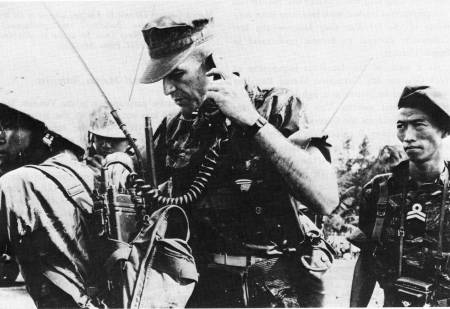
Vargas quickly realized that textbook leadership wouldn't work here. He adapted his tactics on the fly, turning his Marines into urban warriors who could clear buildings methodically while staying alive. Instead of directing from behind, he led from the front, showing his men that their captain wouldn't ask them to do anything he wouldn't do himself.
Building morale became as important as tactical planning. When death lurked around every corner and the enemy seemed endless, Vargas's presence on the front lines told his Marines everything they needed to know about their leader's commitment to bringing them home.
Wounded Twice, Fighting Still
The first time shrapnel tore into Vargas, his Marines expected their captain to seek medical treatment. Instead, he refused evacuation and kept fighting. In the chaotic urban battlefield, officers who stayed with their men made the difference between units that held together and those that broke under pressure.
When the situation became desperate, Vargas did what great leaders do—he grabbed a machine gun and personally led the charge against enemy positions. This wasn't grandstanding; it was tactical necessity. His Marines needed to see their captain willing to take the same risks he was asking of them.
The second wound came during another enemy assault, but again Vargas refused medical evacuation. His reasoning was simple: his Marines needed him more than the medics did. Block by block, building by building, he led the methodical clearing of enemy positions, turning urban warfare into a deadly game of chess played with bullets and grenades.
Seven Days in Hell: Holding the Citadel
The ancient Citadel fortress became the focal point of the battle for Hue. This wasn't just about military strategy—losing the Citadel would have been a propaganda disaster that could have shifted American public opinion even more dramatically against the war.
For seven straight days, Vargas and his 200 Marines held their positions against overwhelming odds. Constant bombardment from enemy mortars mixed with sniper fire from multiple directions. The enemy knew the terrain intimately while the Marines had to learn it under fire.
The physical and psychological toll was enormous. Men who had survived jungle warfare found urban combat uniquely brutal—there was nowhere to run, no jungle canopy for cover, just concrete, steel, and the next room that might contain death. Through it all, Vargas maintained unit cohesion through personal example and unwavering leadership.
The Medal of Honor: Recognition Three Years Later
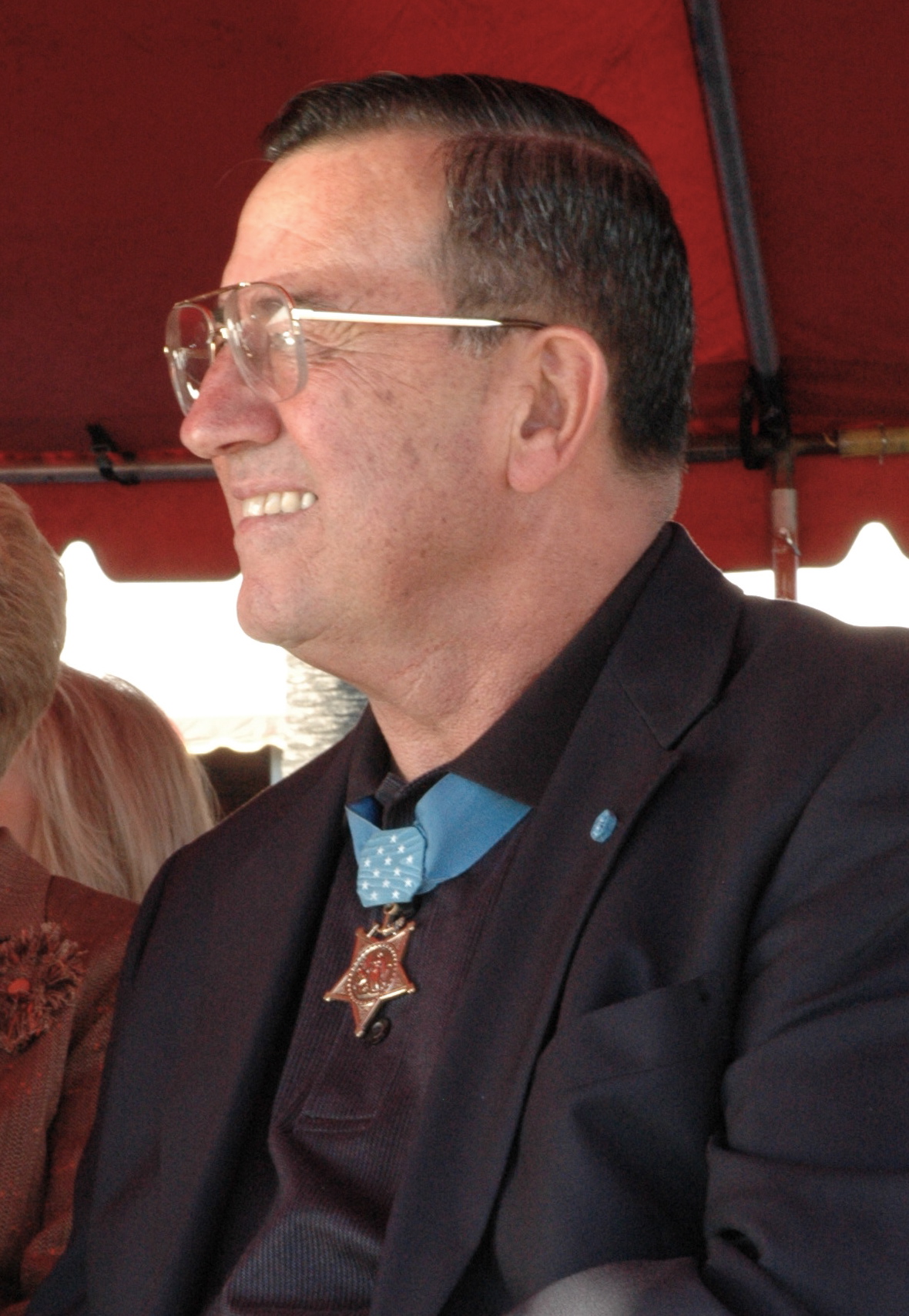
It took three years for the military bureaucracy to properly recognize what Vargas had accomplished in Hue. The Medal of Honor citation praised his "conspicuous gallantry and intrepidity" during those seven days of hell, but the dry military language couldn't capture what his Marines knew—their captain had saved their lives through sheer force of will.
Comparing Vargas's actions to other Medal of Honor recipients reveals the unique nature of urban warfare heroism. Unlike heroes such as Desmond Doss at Hacksaw Ridge or Sgt Sylvester Antolak in his lone charge against machine guns, Vargas sustained his heroism over an entire week of continuous combat.
His legacy within the Marine Corps extends beyond personal recognition. The tactics he developed and the leadership he demonstrated in Hue became case studies for urban warfare that military academies still teach today.
Lessons from Hue: Urban Warfare and Leadership
Military historians studying the Battle of Hue learned crucial lessons about urban combat that influence modern military doctrine. The brutal house-to-house fighting revealed how traditional tactics had to evolve when cities became battlefields.
Vargas's leadership style—leading from the front, adapting tactics in real-time, and refusing to abandon his men—became a template for small-unit leadership in urban environments. His story demonstrates how individual courage can tip the balance in seemingly hopeless situations.
The human cost of street fighting, both in Vietnam and in modern conflicts, reminds us why stories like Vargas's matter. They show us that behind every strategic victory are individual acts of courage that make the difference between success and failure, between lives saved and lives lost.
Captain Jay Vargas's week in hell at Hue shows us what true leadership looks like when everything goes wrong and the odds seem impossible. Have you heard stories like this from family members who served? Share your thoughts in the comments below, and help us honor the courage of those who fought in America's forgotten battles.