The Men of Easy Company Who Carried Out the Brecourt Manor Assault
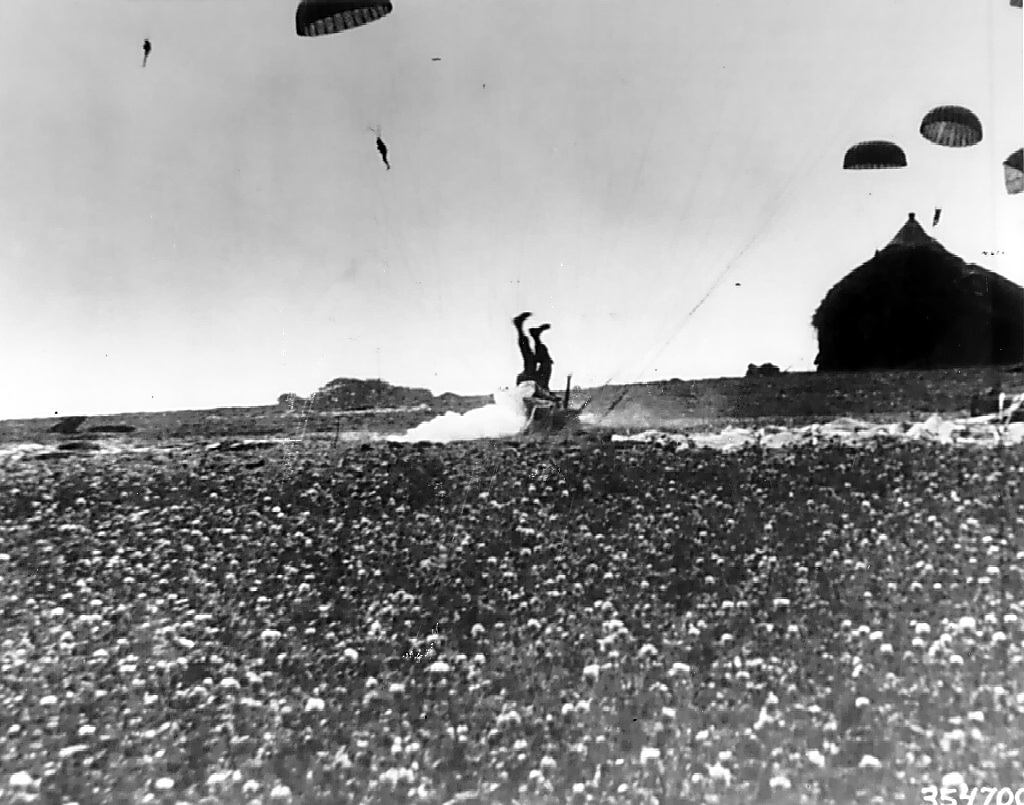
Dawn, June 6th, 1944. Four German 105mm howitzers hidden in the Normandy hedgerows were pouring fire directly onto Utah Beach, where thousands of American soldiers were already fighting for their lives in the surf. Lieutenant Dick Winters landed scattered, short on men, short on time, and almost entirely without a plan.
What happened next is taught at West Point to this day. But here's the question that still divides people who love this story: was Brecourt Manor a masterclass in small-unit tactics — or a desperate improvisation that happened to work out?
The assault on Brecourt Manor is one of the most celebrated moments of the entire war. Not everyone agrees on why it worked.
The Guns That Were Killing Men on Utah Beach
Those four howitzers weren't just an inconvenience. They were slaughtering men. Every shell that landed on that beach was another American soldier who had crossed an ocean, stepped off a Higgins boat, and never made it off the sand.
The German defensive position was formidable — interconnected trenches, machine gun nests, and roughly fifty enemy troops protecting the guns. Winters had approximately twelve men. No artillery support. No armour. No detailed maps of what he was walking into.
Every minute those guns kept firing, Utah Beach's casualty count climbed. The pressure on Winters in that moment is almost impossible to overstate.
Most People Think Winters Had a Plan. Unpopular Opinion: He Was Making It Up as He Went
The West Point version of Brecourt Manor is clean and logical: isolate, suppress, assault, exploit — a textbook flanking manoeuvre executed under fire. Winters personally led the attack on the first gun, and the rest followed with almost mechanical precision.
The reality, according to accounts from the men who were there, was far messier. There was no formal briefing. No rehearsal. Decisions were made in real time, under fire, based on what Winters could see in front of him. He was reacting as much as he was commanding.
Does that make the outcome any less remarkable? Probably not. But it does raise an uncomfortable question: are we teaching future soldiers to replicate genius, or to replicate luck?
Winters himself later described the action with striking modesty. Whether that was humility, honesty about the chaos, or the quiet confidence of a man who simply doesn't need the credit — that's the part nobody quite agrees on.
He Was Both Calm Under Fire and Ruthlessly Aggressive. What Do We Really Know About Dick Winters?
Winters was a deeply religious, morally serious man who was also, when the situation demanded it, a highly effective and aggressive killer in combat. That paradox sits at the heart of why people find him so compelling — and so hard to categorise.
Stephen Ambrose's Band of Brothers shaped the public image of Winters more than any other source, and the subsequent HBO series cemented it. The portrayal is powerful. But some historians argue it tips into hagiography — Winters the legend rather than Winters the man.
Compare that tension to the way we wrestle with figures like Audie Murphy — another WWII hero whose public image both captured and obscured the complexity underneath. With Winters, we have a man who seems almost too good to be true. Which makes the myth worth questioning, even if the man deserves every ounce of respect he earned.
The Men Winters Trusted: Easy Company's Forgotten Fighters at Brecourt
Buck Compton. Bill Guarnere. Joe Toye. These men don't get the headlines, but they were the ones flanking German positions, drawing fire, and taking casualties while Winters directed the assault. Without them, there is no heroic narrative. There is no West Point case study.
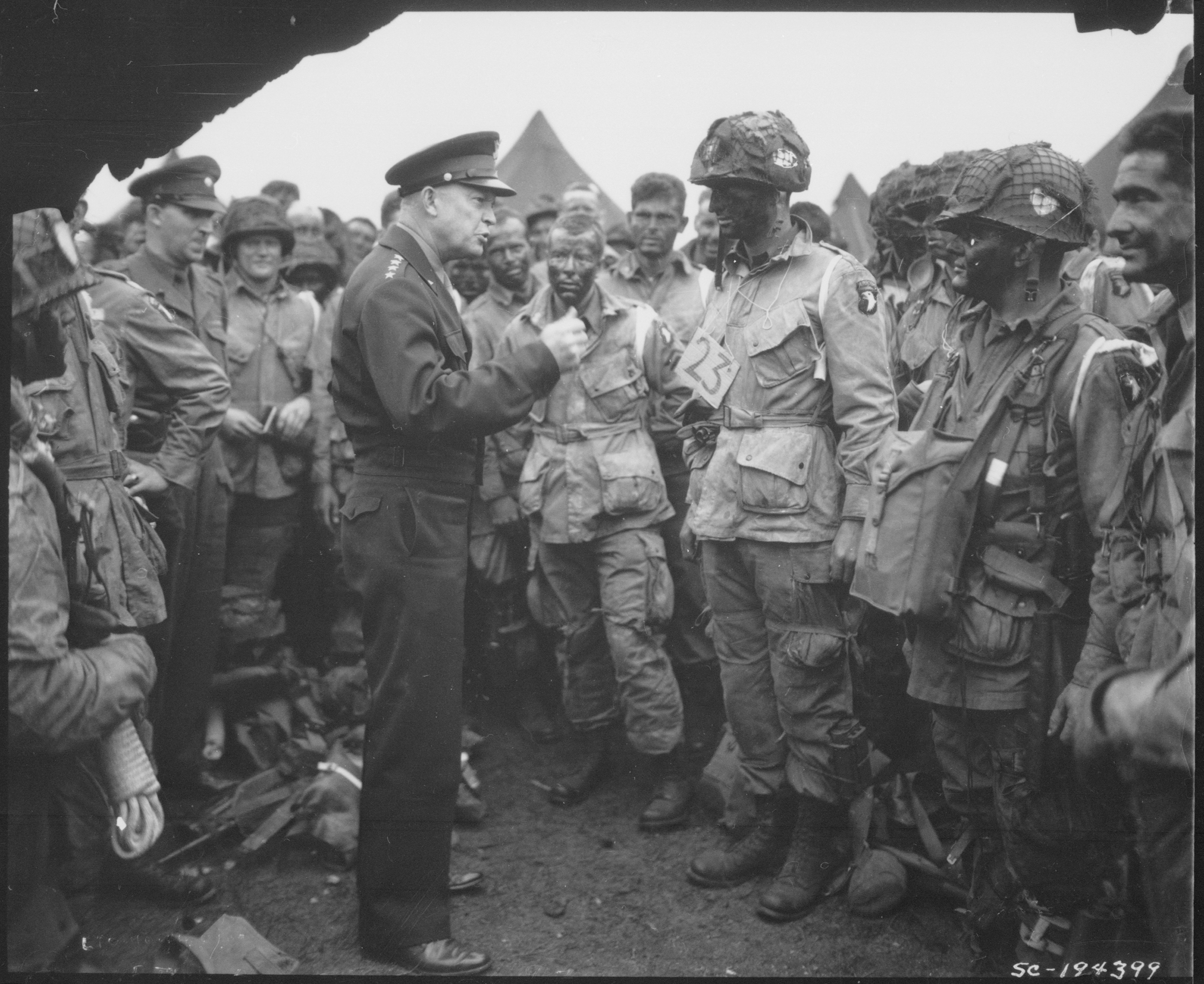
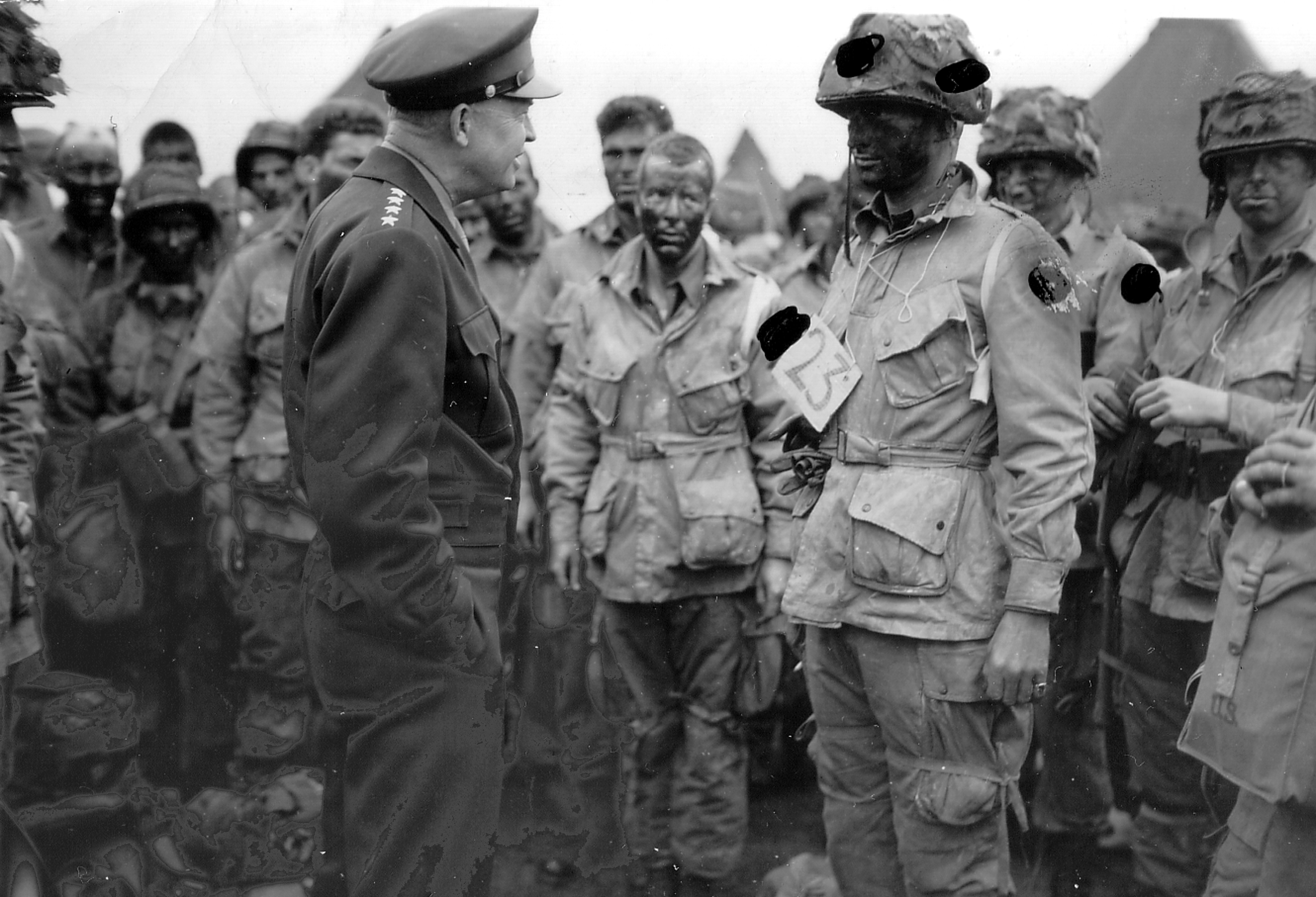
The brutal training at Toccoa, Georgia — the kind of shared suffering that built something close to unbreakable unit cohesion — may have been the real secret weapon at Brecourt Manor. Winters trusted these men completely, and they trusted him. That trust, earned long before D-Day, made improvisation possible.
Four guns silenced. German documents captured — documents that proved invaluable to Allied intelligence. Enemy routed. And only four American casualties. That outcome doesn't happen without extraordinary men on both ends of the chain of command.
Why West Point Still Studies Brecourt Manor — And What They Might Be Getting Wrong
The tactical lessons are genuine and worth teaching: fire and manoeuvre, isolating each objective in turn, maintaining momentum without pausing to consolidate. Winters applied these principles instinctively, and they worked.
But teaching Brecourt as a repeatable model glosses over how much went right by fortune. German reaction was slower than it might have been. The terrain broke in Winters' favour. Casualties among his twelve men could easily have been catastrophic.
There were other small-unit actions on D-Day that showed equal courage and ended in disaster. Military institutions need clean narratives — and there's a real cost when the messy truth gets edited out before it reaches the next generation of soldiers.
Brecourt Manor, D-Day, and a Question That Still Divides People
Four guns destroyed. Utah Beach's casualty count kept dramatically lower than the slaughter unfolding simultaneously on Omaha. Those facts are not in dispute, and neither is the courage of every man who went into those hedgerows that morning.
What remains open is the harder question. Was Brecourt Manor a demonstration of Winters' individual genius — or was it Easy Company's quality, cohesion, and sheer fighting ability that actually won the day, with Winters as the catalyst rather than the architect?