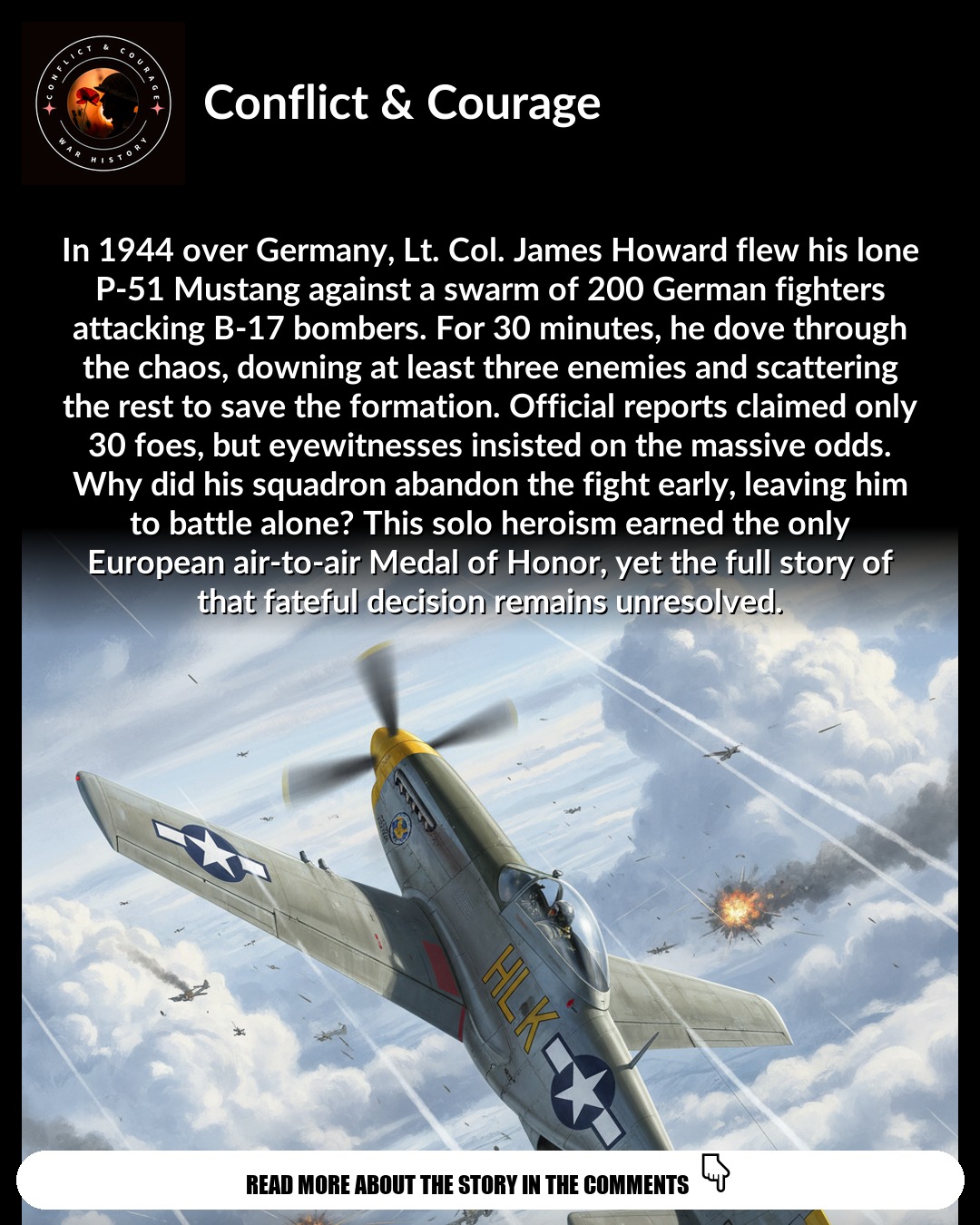
In the vast, freezing skies over Nazi Germany, one American pilot was about to prove that sometimes individual courage matters more than overwhelming odds. Lieutenant Colonel James Howard climbed into his P-51 Mustang on January 11, 1944, expecting another routine escort mission. What happened next would become one of the most legendary single-pilot actions in aviation history.
The Mission That Changed Everything
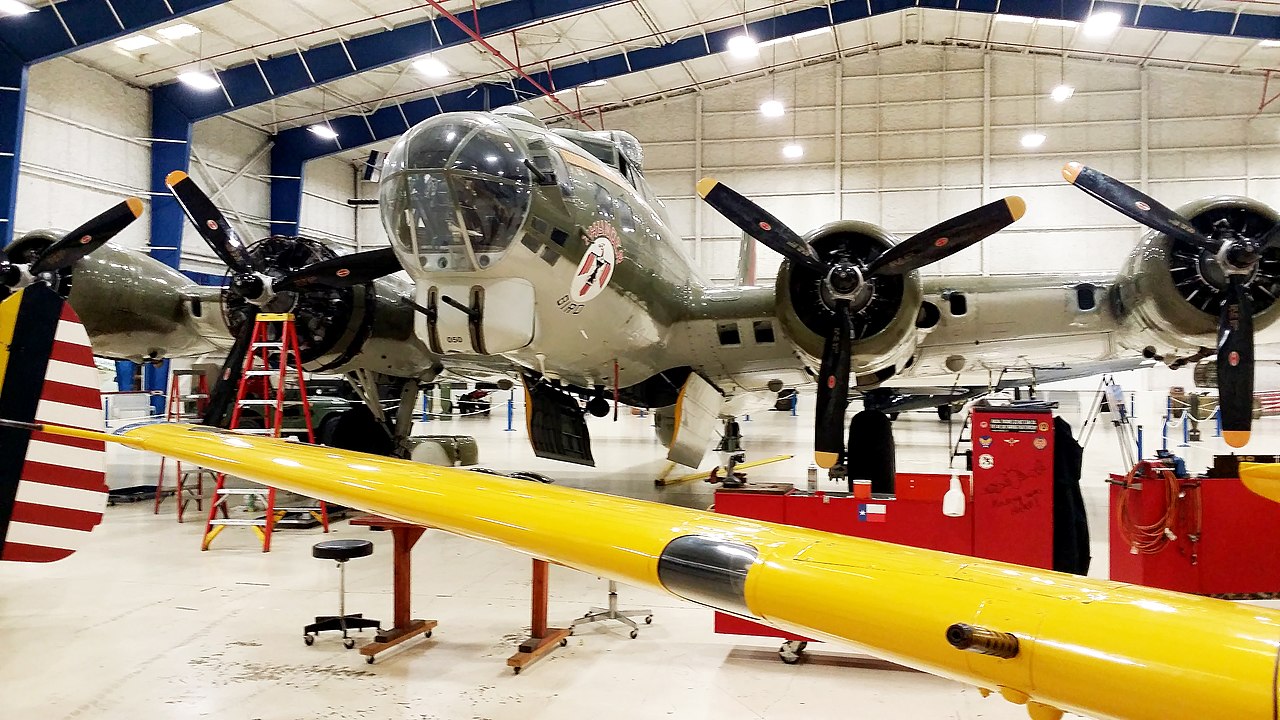
January 11, 1944, marked another deep penetration mission into the heart of Nazi Germany. American B-17 Flying Fortresses were heading to vital industrial targets, their aluminum hulls glinting like silver fish against the winter sky. These massive bombers carried tremendous firepower, but they were sitting ducks without fighter escorts.
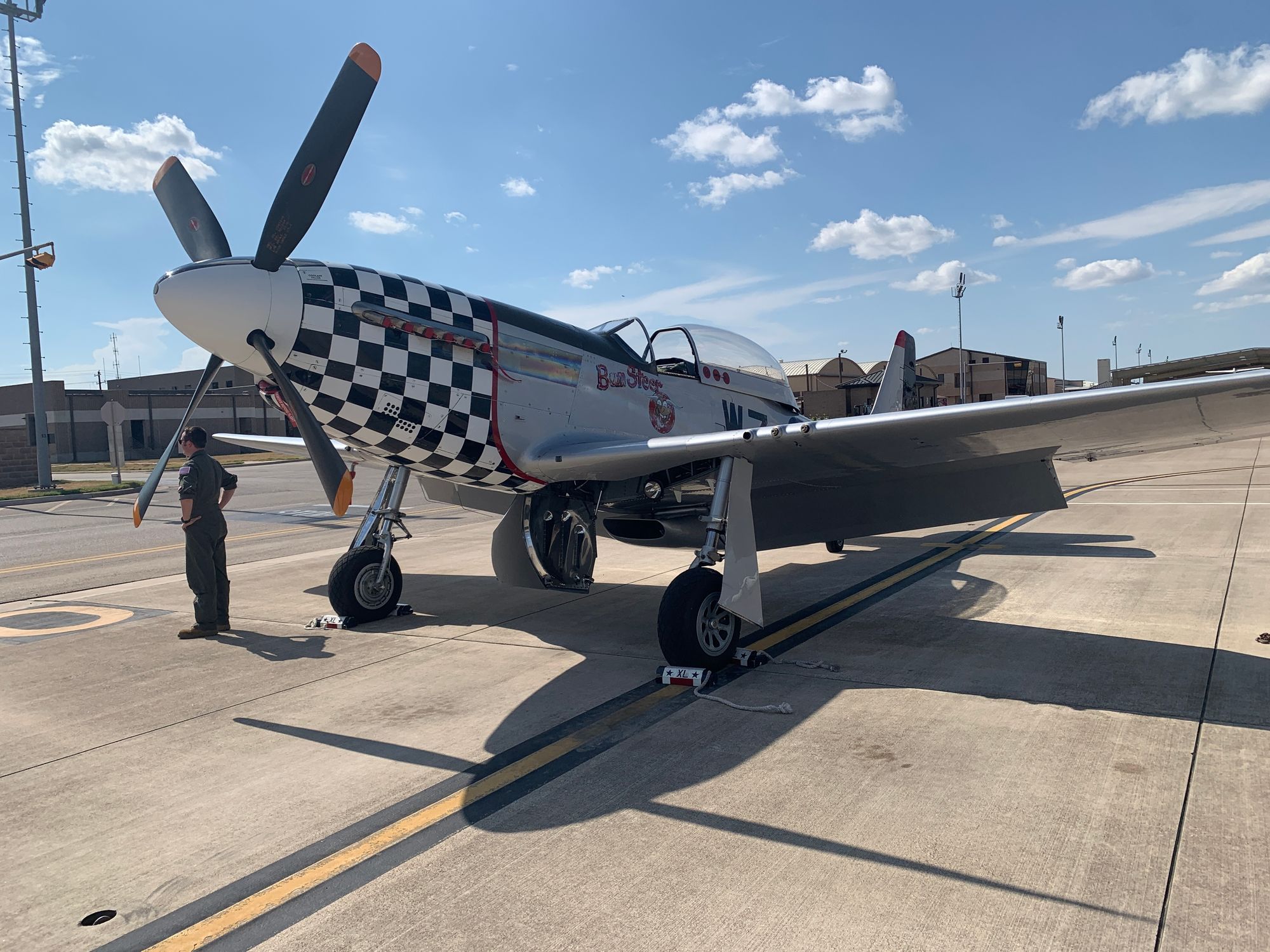
That's where Howard came in. The experienced squadron leader had already proven himself in the European theater, but this mission would test every ounce of his skill. The P-51 Mustang had revolutionized escort duties, finally giving American fighters the range to protect bombers all the way to their targets and back.
The route took them deep into Germany, where the Luftwaffe could mass hundreds of fighters for concentrated attacks. For the bomber crews, these missions were harrowing ordeals where survival often depended on their escorts' vigilance and courage.
When Everything Went Wrong
Halfway to the target, disaster struck Howard's squadron. Fuel consumption was running higher than expected, forcing his pilots to make an agonizing choice: turn back now or risk running out of gas over enemy territory.
One by one, Howard watched his squadron peel away, heading home to safety. Standard procedure dictated that he should follow them. Instead, Howard made a decision that would echo through military history — he stayed with the bombers.
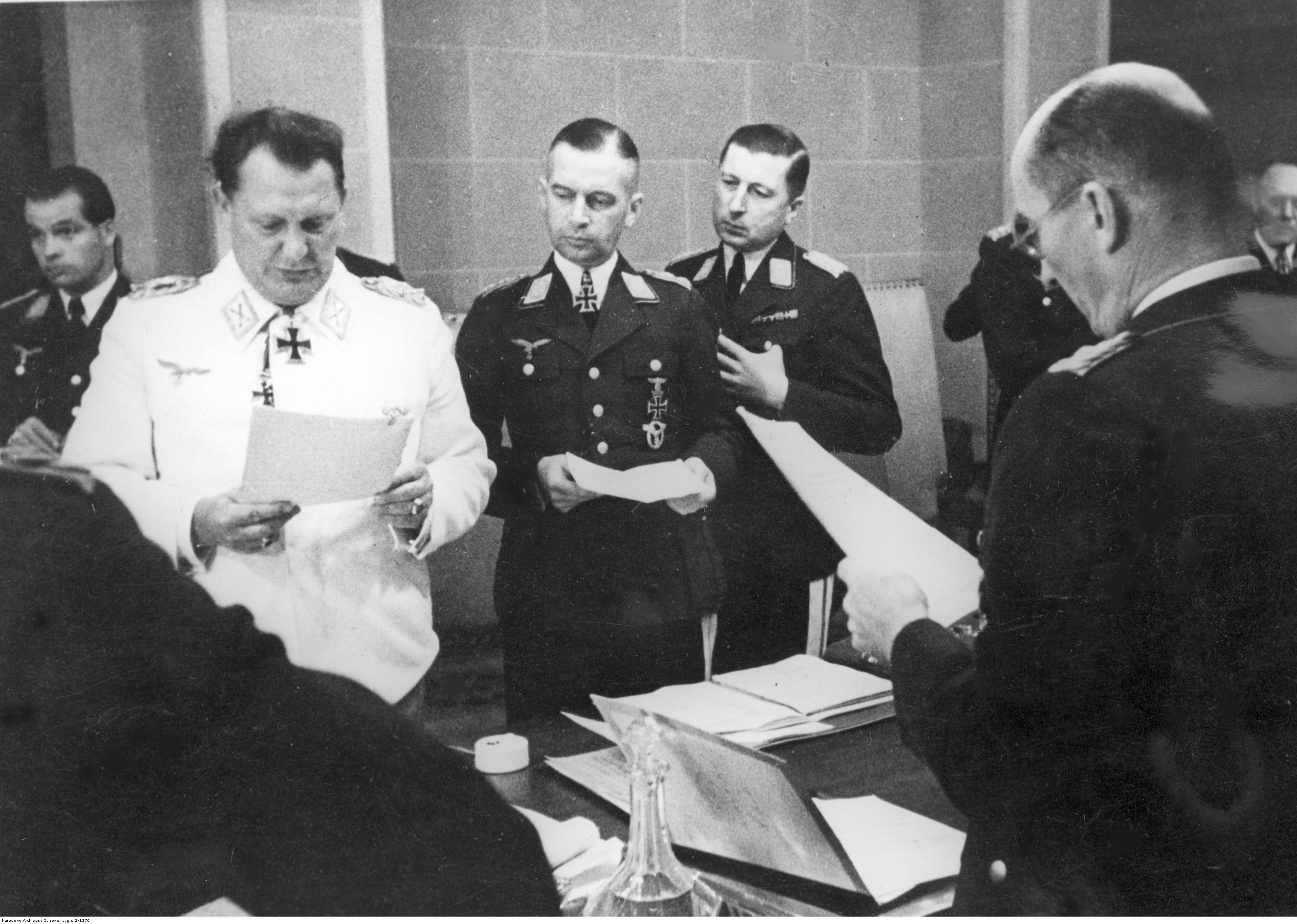
Minutes later, his worst fears materialized. Through the crystal-clear winter air, Howard spotted what looked like an entire Luftwaffe air fleet — nearly 200 German fighters positioning themselves for a massive coordinated attack on the defenseless Flying Fortresses.
The math was simple and terrifying: one American fighter against 200 of Germany's best pilots. Turning back meant condemning hundreds of bomber crew members to almost certain death.
One Against Two Hundred
What happened next defied every principle of air combat tactics. Howard didn't retreat or call for help — he attacked.
Using his Mustang's superior speed and diving capabilities, Howard plunged straight into the German formations. His strategy was pure audacity: break up their coordinated attacks before they could develop. He would dive in, fire quick bursts, then zoom away before the Germans could respond effectively.
For thirty minutes, Howard fought the most lopsided air battle in World War II history. B-17 gunners watched in amazement as this lone fighter repeatedly charged into massive enemy formations, scattering them like startled birds. Each time the Germans tried to regroup for another attack run, Howard was there, disrupting their plans with calculated aggression.
Eyewitness accounts from bomber crews describe the surreal scene: one tiny fighter dancing around hundreds of enemy aircraft, somehow keeping them from pressing home their attacks on the vulnerable Flying Fortresses.
The P-51 Mustang Advantage
Howard's incredible performance highlighted why the P-51 Mustang had become America's premier fighter aircraft. Its combination of speed, range, and maneuverability gave skilled pilots like Howard options that earlier fighters simply couldn't provide.
The Mustang could out-dive most German fighters and had enough speed to escape when outnumbered. Howard used these capabilities to maximum advantage, never allowing the Luftwaffe to pin him down or coordinate their superior numbers effectively.
But ammunition was finite. Howard had to make every burst count, choosing his targets carefully and relying on tactical positioning rather than sustained dogfighting. The extended range modifications that allowed deep escort missions also meant carrying less ammunition — every shot had to matter.
The Mystery That Remains
Even today, historians debate exactly how many German aircraft Howard shot down during his legendary solo fight. Official records are incomplete, German sources were often destroyed, and the chaotic nature of the battle made accurate counting nearly impossible.
What's certain is that Howard's actions saved an entire bomber formation from devastating losses. Some estimates put his kills that day between four and six aircraft, but the exact number remains one of World War II aviation's enduring mysteries.
Questions also persist about his squadron's early retreat. While fuel concerns were legitimate, some historians wonder if more aggressive fuel management might have kept at least some escorts with the bombers. Howard's decision to stay alone raises uncomfortable questions about duty versus survival.
Medal of Honor Recognition
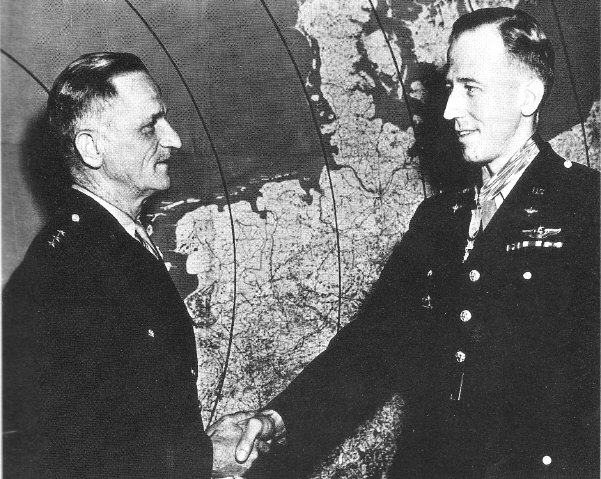
When Howard finally landed back at base, his ammunition completely exhausted and fuel tanks nearly empty, the full scope of his achievement began to emerge. B-17 crews provided detailed accounts of watching one fighter take on the entire German air force.
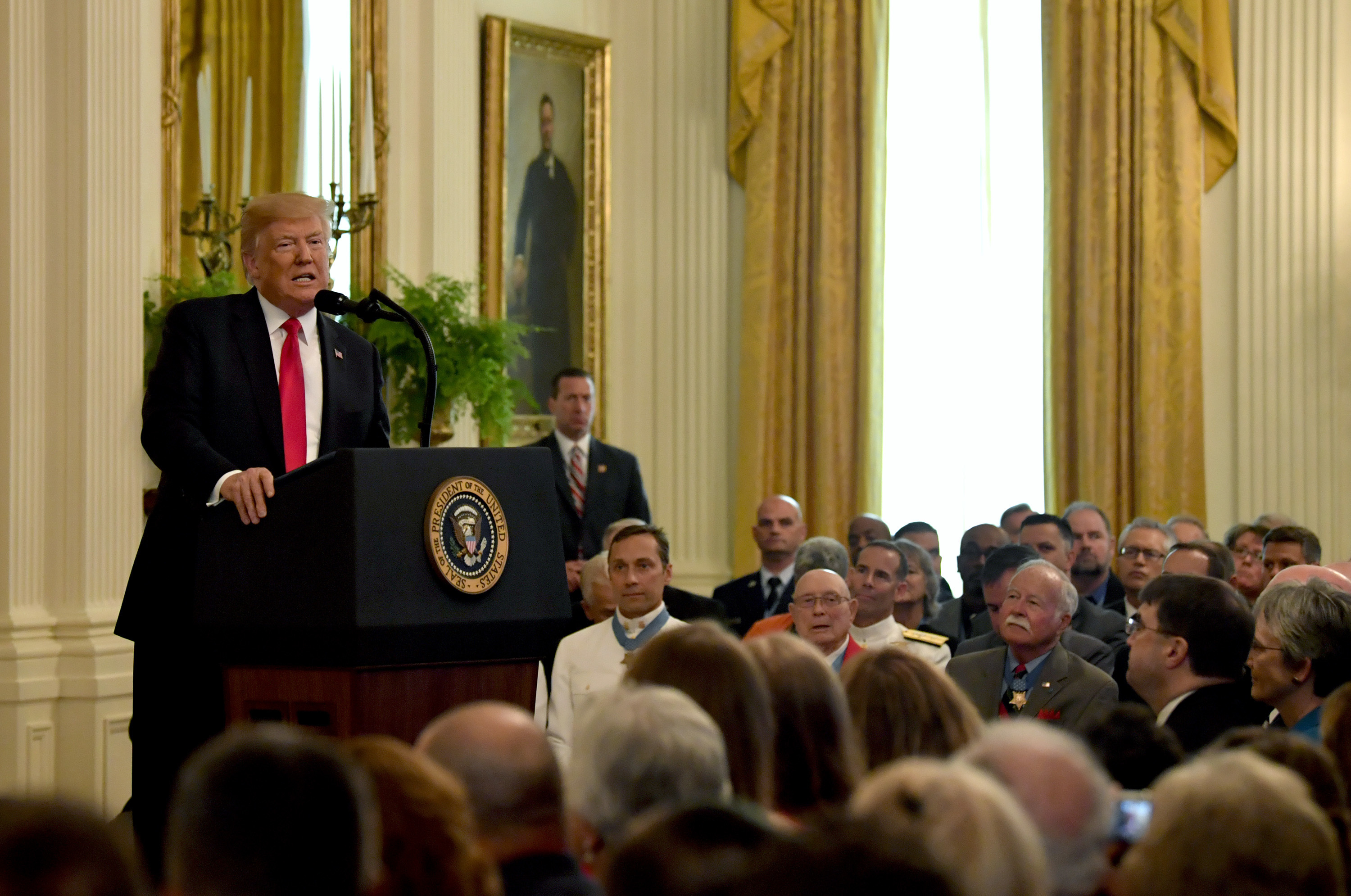
The official Medal of Honor citation captured the essence of Howard's heroic action: single-handedly engaging overwhelming enemy forces to protect American bombers. His name joined the ranks of America's greatest military heroes, including later recipients like Clarence Sasser and Henry Johnson.
Howard's typical humble response to the recognition reflected the character that made his impossible mission possible. He simply said he was doing his job — protecting American airmen from enemy attack.
Legacy of the Lone Wolf
Howard's solo battle influenced fighter tactics for the remainder of the war. While group tactics remained essential, his mission proved that individual initiative and courage could sometimes achieve what coordinated formations could not.
The psychological impact rippled through both air forces. Allied pilots gained confidence knowing that aggressive action could overcome seemingly impossible odds. German pilots, meanwhile, learned that even massive numerical advantages couldn't guarantee success against determined opposition.
After the war, Howard continued serving his country with the same quiet dedication that marked his legendary solo fight. His post-war career reflected the same principles that guided him through those thirty minutes over Nazi Germany: duty, courage, and putting others before himself.
James Howard's incredible solo battle reminds us that sometimes one person's courage can change everything. Have you ever witnessed or heard about similar acts of individual heroism that defied all odds? Share your thoughts in the comments below, and don't forget to pass this remarkable story along to fellow history enthusiasts who appreciate tales of extraordinary courage.