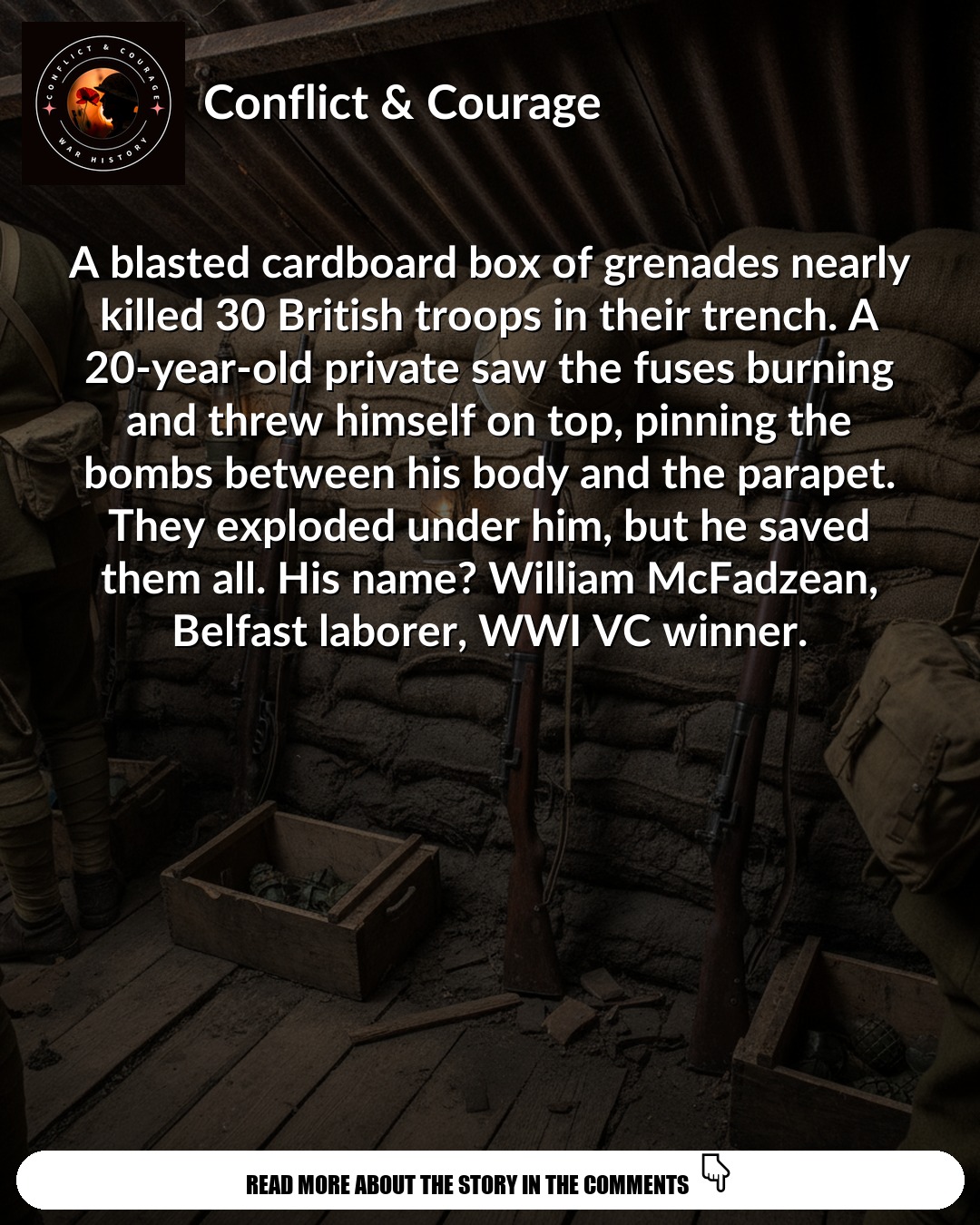
Picture this: You're charging across No Man's Land at Loos in 1915, bullets whining overhead, when suddenly your ammunition box splits apart like a piñata, spilling precious rounds into the mud. For one British soldier, this moment of pure disaster became the catalyst for Victoria Cross heroism that nearly cost his own men their lives.
The Battle of Loos: Britain's Costly Gamble
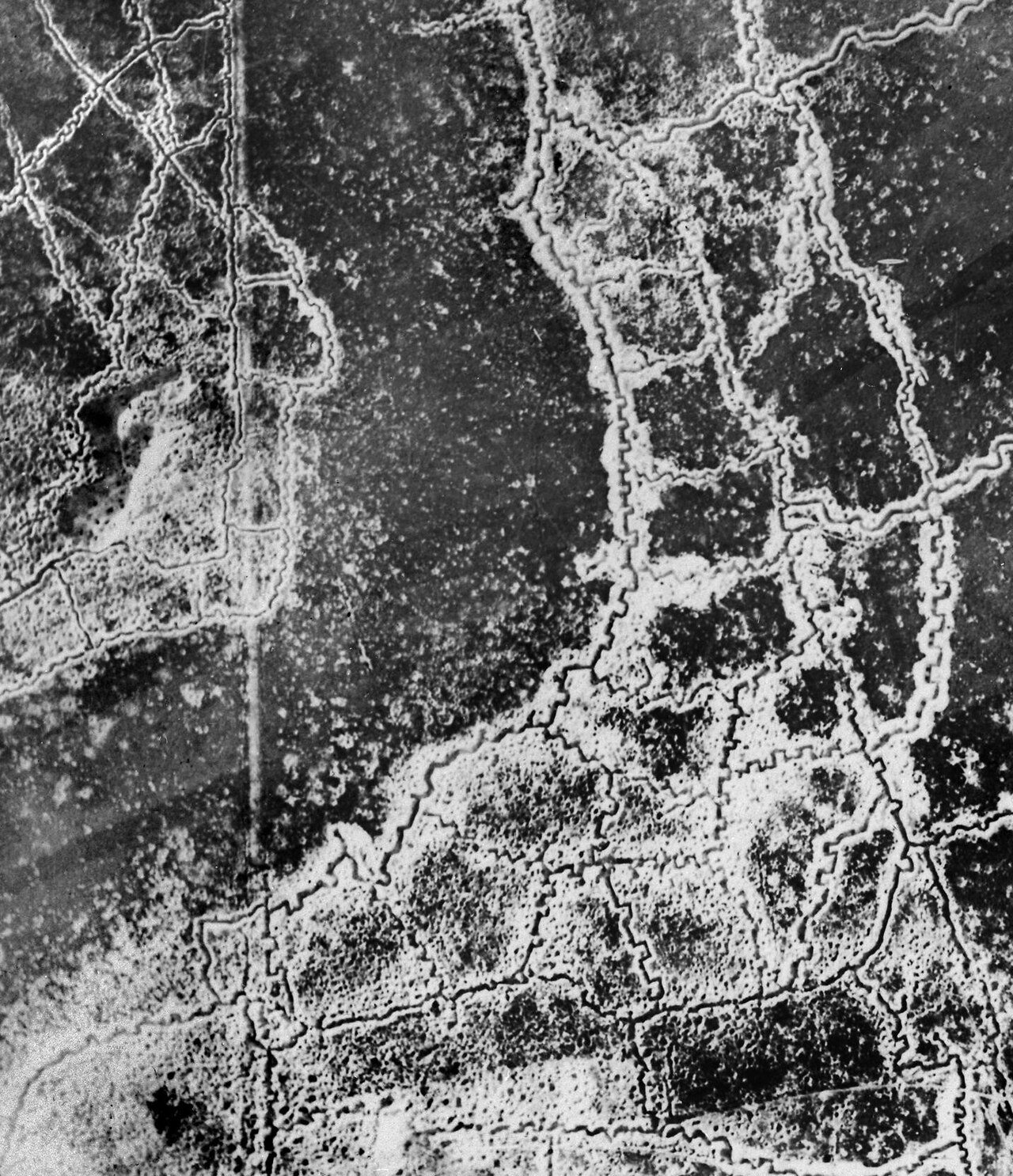
September 1915 marked Britain's first major offensive on the Western Front, and General Douglas Haig was betting everything on a breakthrough at Loos. His ambitious plan centered on something relatively new to warfare: poison gas released from cylinders to clear German trenches ahead of the infantry assault.
The initial attack showed promise. British forces pushed forward, capturing the village of Loos and advancing further than they had since trench warfare began. But success proved fleeting as German reinforcements arrived and the offensive ground to a bloody halt.
Over three weeks of fighting, the British Army suffered more than 60,000 casualties for minimal territorial gains. The human cost was staggering, even by Western Front standards. Yet from this carnage emerged stories of extraordinary courage that would echo through military history.
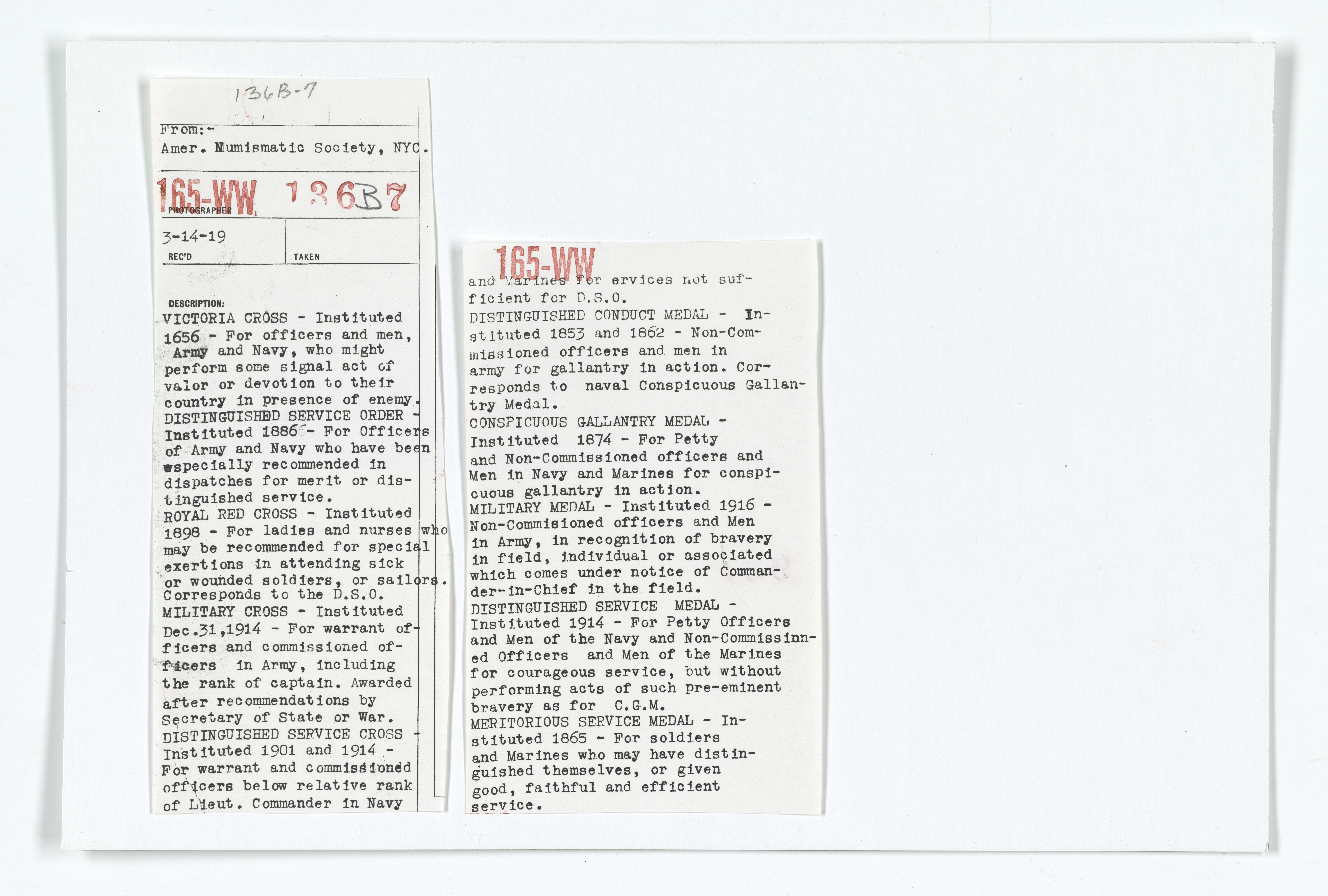
Victoria Cross Heroes Emerge from the Carnage
Twelve Victoria Crosses were awarded for actions during the Battle of Loos—a testament to the incredible bravery displayed under impossible conditions. These weren't just acts of courage; they were moments when ordinary men transcended human limitations in the face of mechanized death.
Some recipients charged German machine gun nests single-handedly. Others held impossible positions against overwhelming odds. Each earned Britain's highest military honour through supreme gallantry that inspired their comrades and turned potential defeats into tactical victories.
Like the heroic WWI stories that emerged from other theaters, these Loos veterans proved that individual courage could still matter in an age of industrial warfare.
The Cardboard Box That Changed Everything
Standard British ammunition boxes in 1915 were never designed for the brutal realities of trench warfare. Made primarily of wood with cardboard components, these containers worked fine in peacetime exercises but crumbled under combat conditions.
Rain soaked through seams. Mud caked every surface. The rough handling inevitable during attacks caused catastrophic structural failures. Imagine charging toward enemy lines only to watch your unit's ammunition scatter across cratered ground.
Soldiers improvised desperately, using sandbags, captured German containers, even their own clothing to carry vital supplies. But when ammunition boxes failed at critical moments, the consequences could be deadly—not just from enemy fire, but from the chaos that followed.
A Hero's Near-Fatal Mistake
Our Victoria Cross recipient faced exactly this scenario during the Loos offensive. As his platoon prepared to assault a German strongpoint, his ammunition box split apart completely, spilling rounds everywhere. In the confusion that followed, he accidentally grabbed German ammunition from a captured position.
The mistake nearly proved catastrophic. When he began distributing the foreign rounds to his men, a sharp-eyed sergeant noticed the different markings just moments before they loaded their rifles. German ammunition in British weapons could have caused misfires or explosions, potentially wiping out his own platoon.
But instead of panicking, our hero made a split-second decision that saved lives and earned him immortality. He ordered his men to use their bayonets and charged the German position anyway, turning a potential friendly fire disaster into a successful assault that captured crucial ground.
From Blunder to Bravery: The Untold Story
Official military records often sanitized the messy reality of combat, focusing on tactical outcomes rather than the human drama behind them. Personal accounts and unit diaries reveal a different story—one where heroism often emerged from moments of near-catastrophe.
Our hero's quick thinking under pressure exemplified the fine line between disaster and gallantry that defined combat on the Western Front. His ability to turn a potentially deadly mistake into decisive action saved his men and achieved their objective.
This wasn't just about individual courage; it demonstrated how effective leadership could transform chaos into victory. The Victoria Cross recognized not just his bravery, but his ability to make life-or-death decisions when everything went wrong.
Lessons from Loos: Equipment and Courage
The ammunition box failures at Loos led to significant improvements in military equipment design. Lessons learned from these disasters influenced everything from container construction to supply chain logistics in future conflicts.
But the deeper lesson was about human adaptability under extreme stress. When technology failed—and it often did—victory depended on soldiers who could think quickly, act decisively, and inspire others to follow them into hell.
Modern military forces study these WWI equipment disasters to understand how reliable kit can mean the difference between mission success and catastrophic failure. The human cost of industrial warfare demanded both better equipment and exceptional leadership.
Honouring the Heroes of Loos Today
Today, visitors can walk the Loos battlefield in Northern France, where memorials mark the ground where these Victoria Cross heroes fought. The preserved trenches and cemetery headstones tell stories of courage that deserve remembering.
These lesser-known tales of heroism—complete with their human flaws and near-disasters—remind us that real courage isn't about perfection. It's about ordinary people doing extraordinary things when everything goes wrong.
Every Victoria Cross story deserves telling, especially those that reveal how heroism often emerges from the most unexpected moments of human error and quick recovery.
What other untold stories of courage and near-disaster would you like to explore? Share your thoughts about these remarkable Victoria Cross heroes and the equipment challenges they overcame, or tell us about military history stories that fascinate you most.