Unpopular opinion: Bletchley Park won World War II before the first Allied soldier set foot on the beaches of Normandy. While we celebrate the heroics of the Spitfire pilots and the courage of our infantry, the real victory was achieved by a collection of Cambridge mathematicians, crossword enthusiasts, and teenage women working in wooden huts in the English countryside.
Unpopular opinion: Bletchley Park won the war before the first shot was fired on D-Day
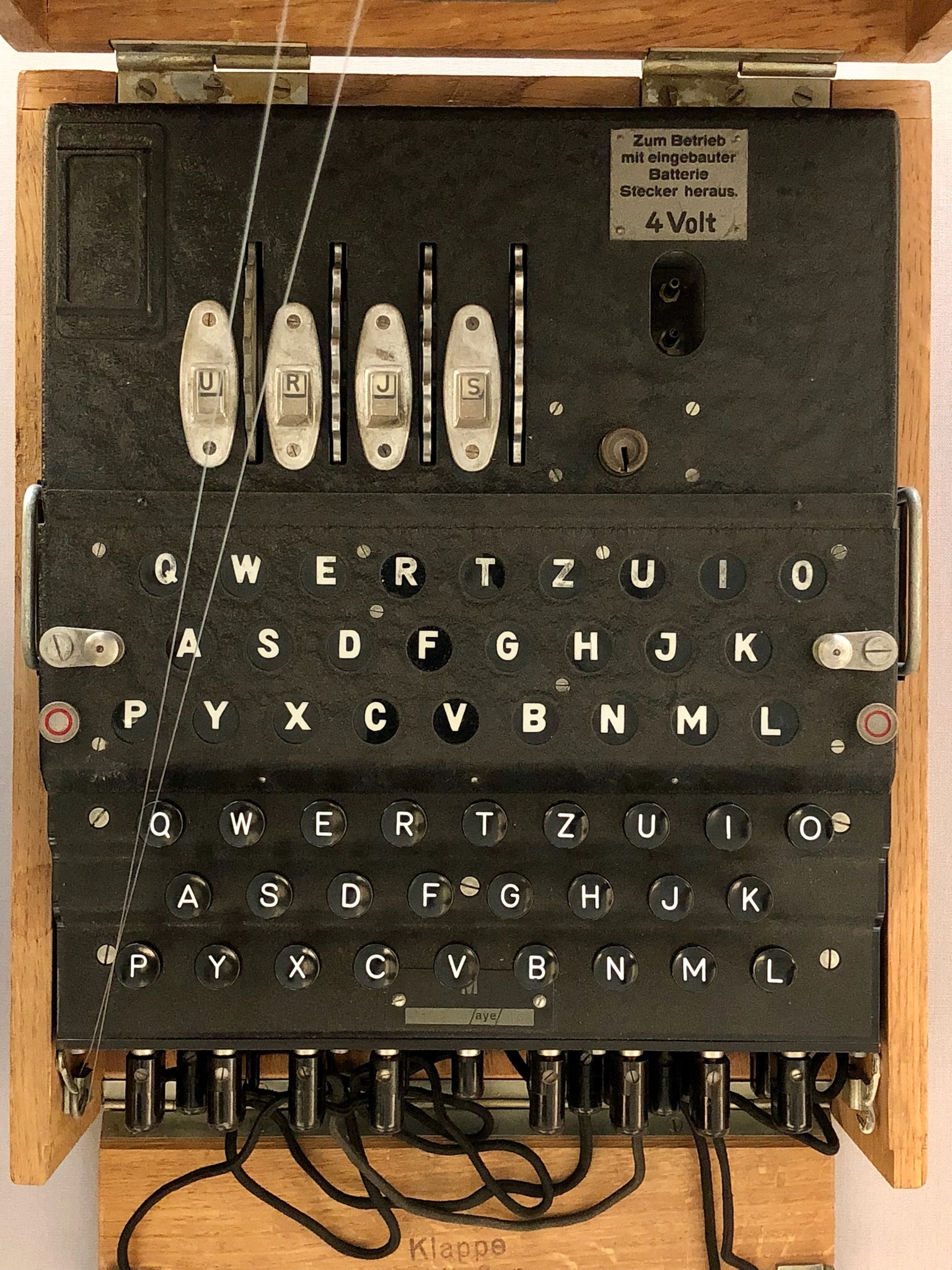
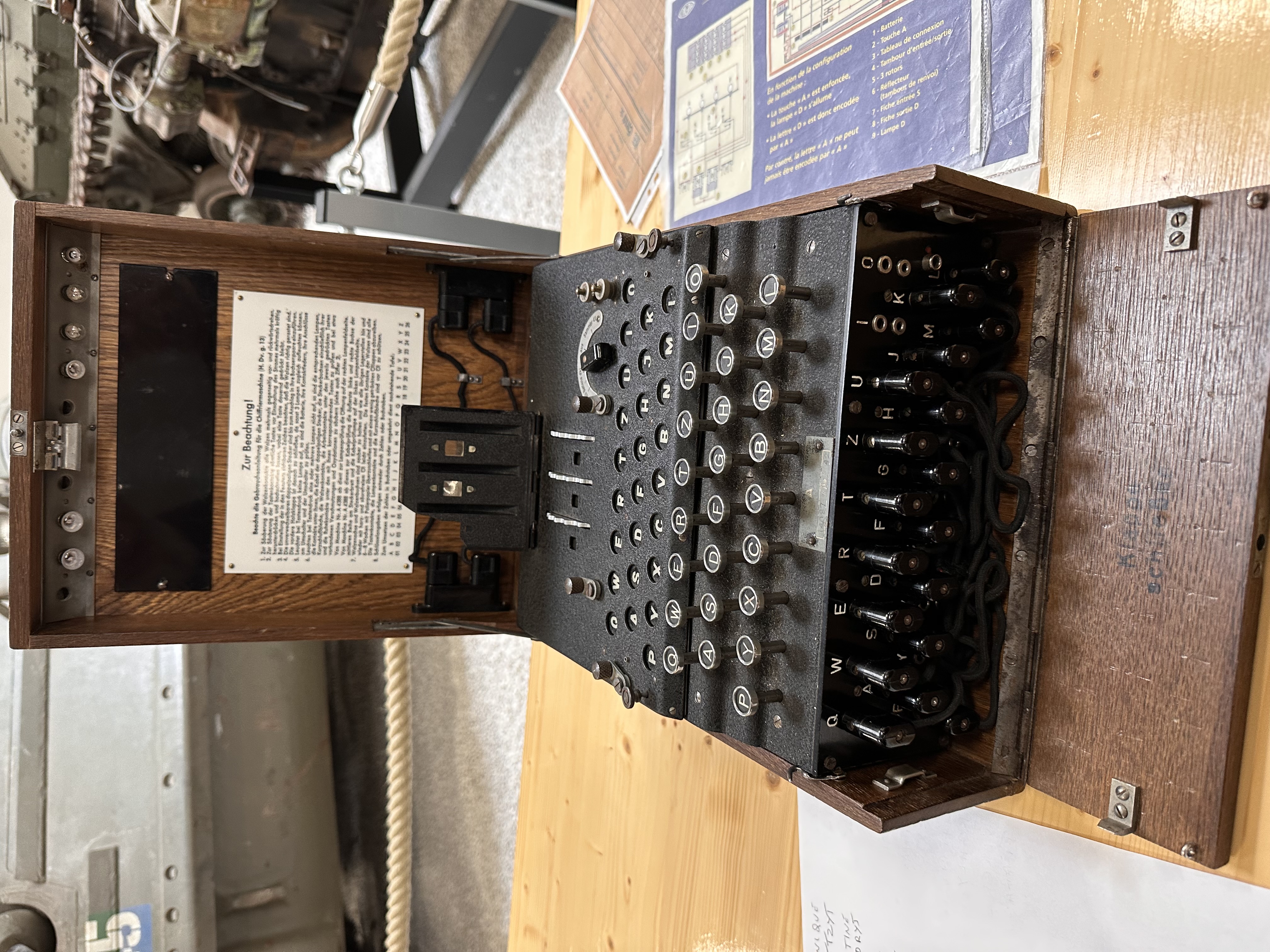
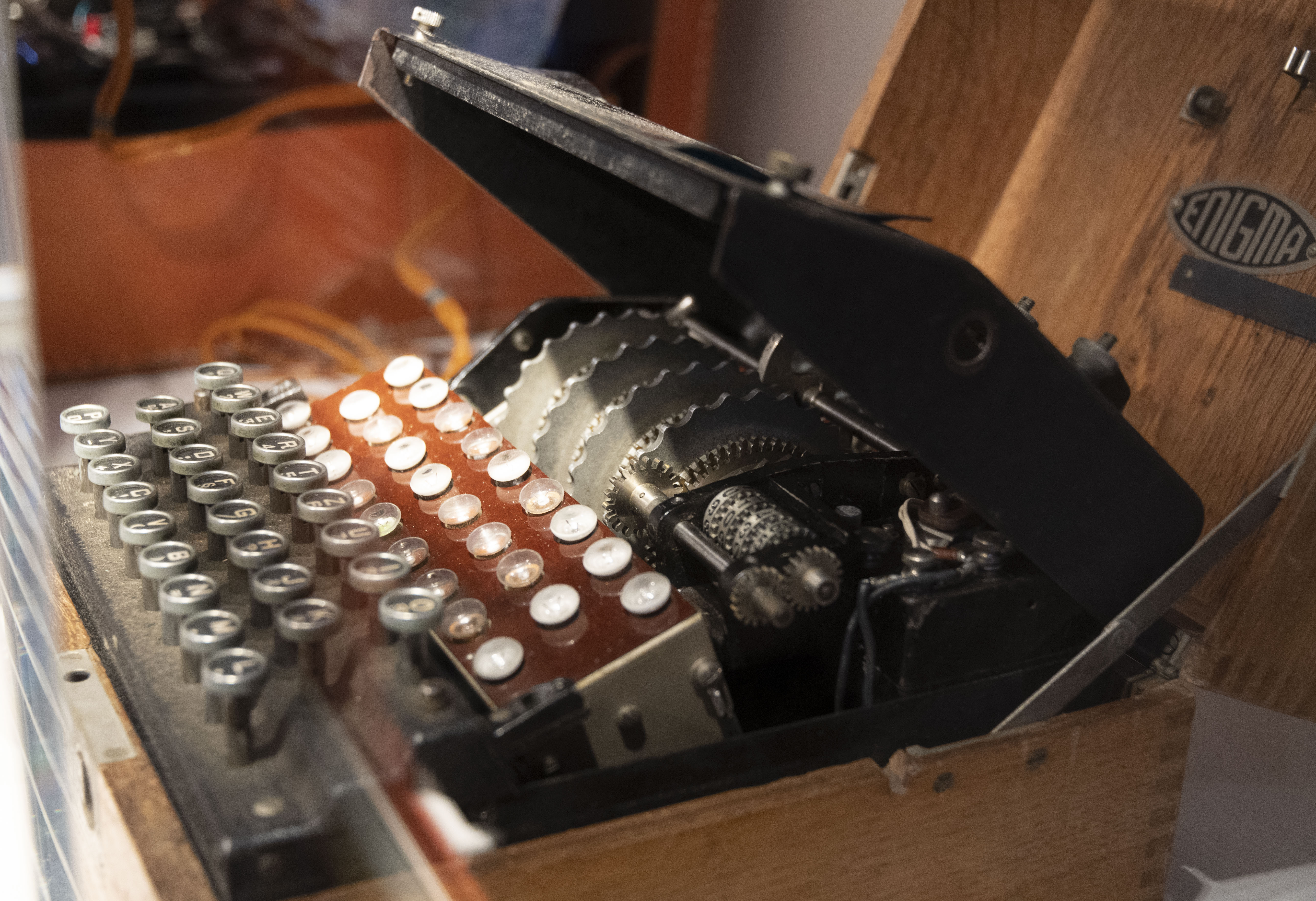
The German Enigma machine wasn't just sophisticated — it was mathematically terrifying. With 159 million million million possible settings per day, German cryptographers had every right to feel invincible. They called their codes "unbreakable," and honestly, they should have been.
But German arrogance became their Achilles' heel. They used the same basic Enigma design for years, convinced that mathematical complexity alone guaranteed security. That overconfidence cost them the war.
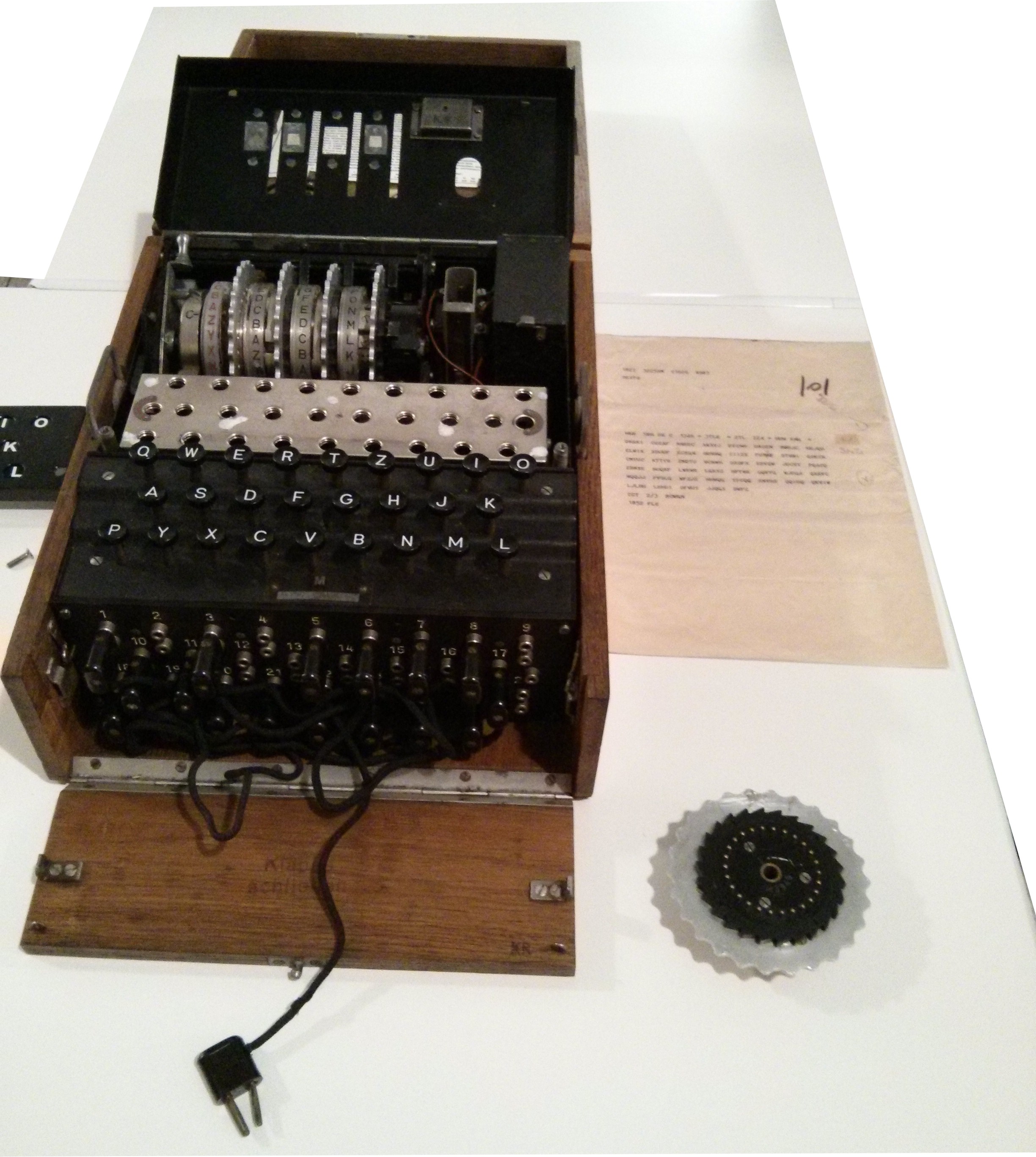
The machine's rotating wheels and plugboard connections created astronomical combinations, but the Germans made one fatal assumption: that their enemies were too stupid or too slow to crack what they considered perfect encryption.
Alan Turing was the greatest military strategist you've never heard of - agree or disagree?
Alan Turing never fired a shot in anger, never commanded troops, never earned a battlefield commission. Yet this Cambridge mathematician may have done more to defeat Nazi Germany than any general who ever lived.
His revolutionary "Bombe" machine could test 17,500 Enigma settings per hour — turning what should have been impossible into merely difficult. While other strategists moved divisions across maps, Turing moved possibilities through mechanical calculations.
Churchill himself called Bletchley Park his "geese that laid the golden eggs." Think about that — the man who led Britain through its darkest hour valued these codebreakers above his armies, his navies, and his air force.
Most underrated victory in British military history?
Official estimates suggest cracking Enigma saved 14 million lives and shortened the war by two years. That's not just victory — that's preventing an entire Holocaust worth of additional casualties.
The U-boat wolf packs that nearly strangled Britain were neutered before they could complete the job. Every convoy route, every submarine position, every attack plan was handed to the Allies on a silver platter.
D-Day's success hinged entirely on Enigma intelligence. The reason Field Marshal Rommel was having lunch in Paris instead of defending Normandy? German High Command had been convinced the invasion would hit Pas-de-Calais — because that's what their "unbreakable" codes told them.
The women codebreakers who never got the medals they deserved
Here's what really stings: 75% of Bletchley Park's staff were women under 25 years old. Teenagers were literally winning World War II while their male contemporaries got the glory on the battlefield.
Mavis Batey was just 19 when she cracked Italian naval codes that changed the entire Mediterranean campaign. Ruth Briggs broke German diplomatic traffic that revealed invasion plans across Europe.
These women stayed silent for 30 years after the war ended, bound by oaths of secrecy while the world celebrated male heroes. Their contributions remained classified long after the men they outsmarted were dead and buried.
Hitler's biggest strategic blunder wasn't invading Russia
Everyone talks about Hitler's two-front war as his fatal mistake. Wrong. His biggest blunder was ignoring the fundamental security flaws in Enigma design that German engineers had identified and dismissed.
Using daily weather reports as key settings was catastrophically stupid — these followed predictable patterns that any decent cryptanalyst could exploit.
But the real gift to Allied codebreakers? One lazy German radio operator who repeatedly used "LLLLL" as his message key. That single act of laziness broke open the entire Enigma system and handed the Allies Germany's deepest secrets.
What modern warfare owes to a 1940s typing pool
From Enigma to the internet, Turing's computational legacy runs through every piece of modern technology. His theoretical work on machine intelligence didn't just crack Nazi codes — it created the digital age.
Colossus, built at Bletchley Park, became the world's first programmable computer. Not built for calculating artillery trajectories or plotting navigation routes, but for breaking enemy codes faster than human minds ever could.
There's a direct line from those wooden huts in Buckinghamshire to today's cyber warfare units at GCHQ and the NSA. Every algorithm, every encryption protocol, every digital security system owes something to what happened at Bletchley Park.
Was Bletchley Park's contribution to victory more significant than the heroics we traditionally celebrate? Should Alan Turing be remembered as Britain's greatest military mind?