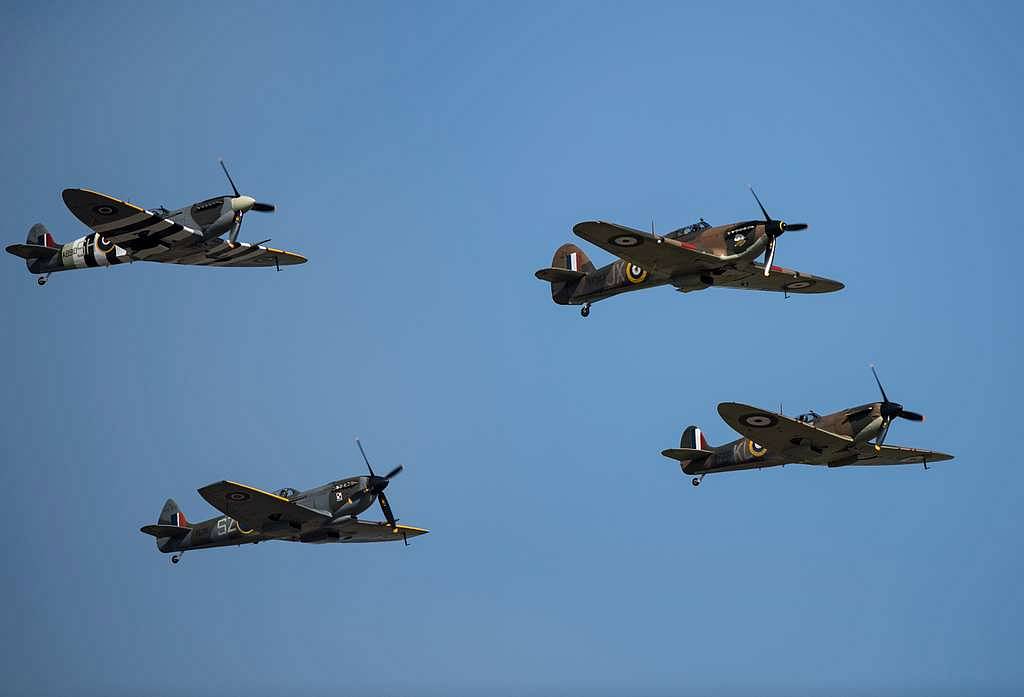
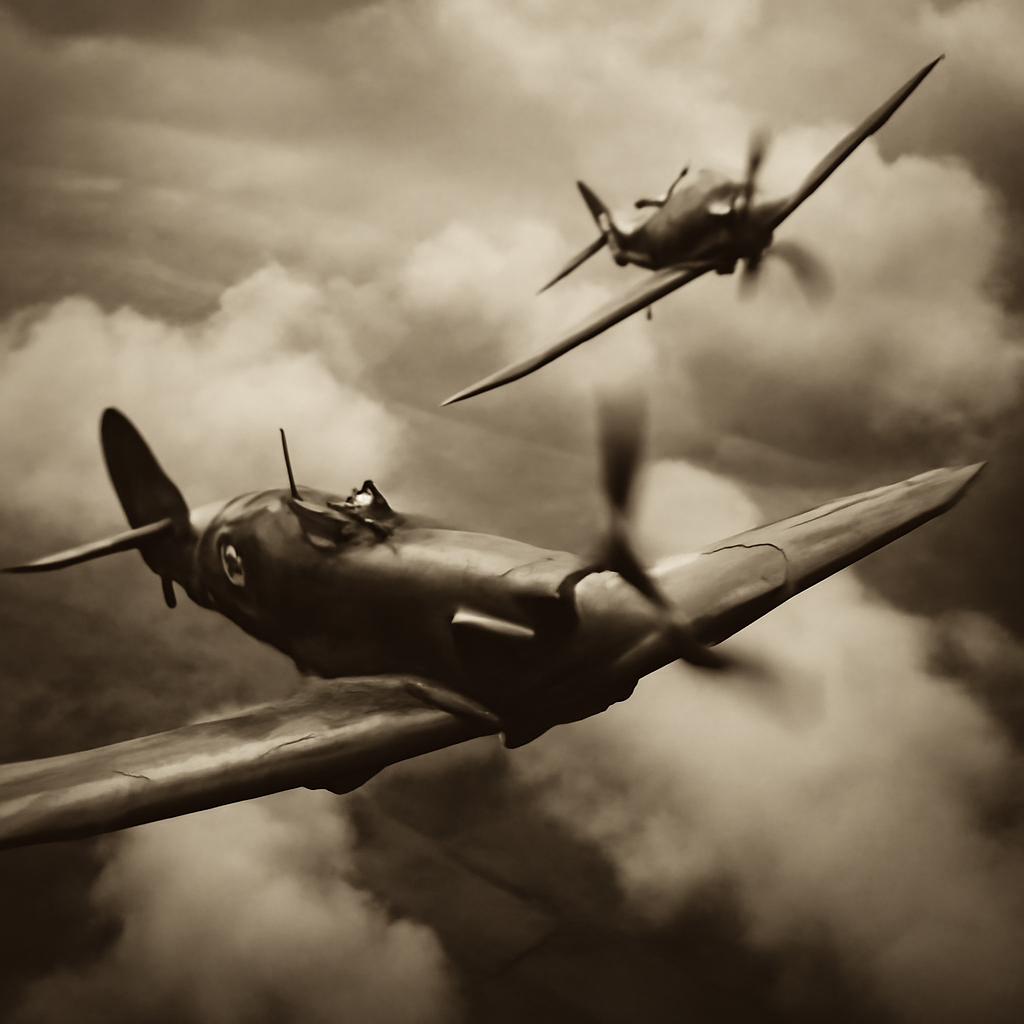
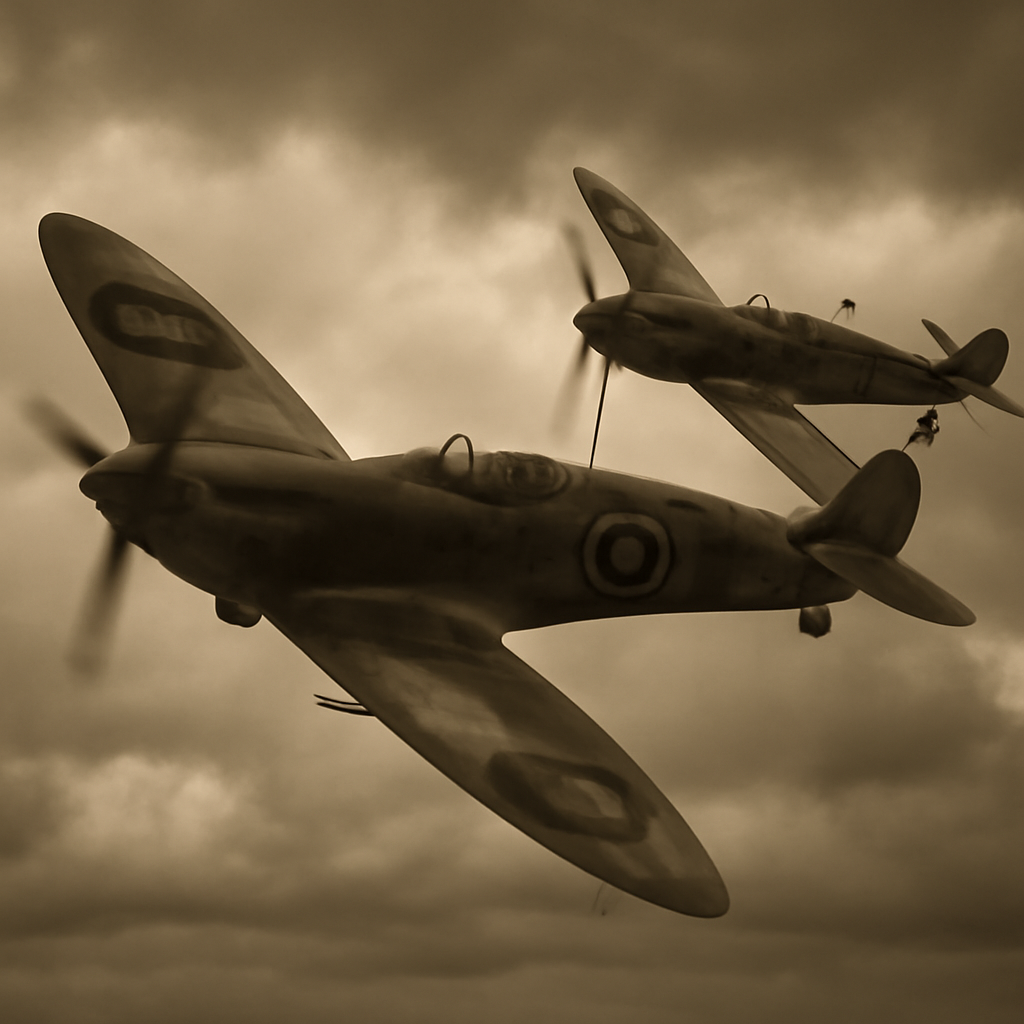
When most people think of the Battle of Britain, they picture gallant Spitfire pilots dueling Messerschmitt 109s in the summer skies of 1940. That romantic image? It's mostly propaganda.
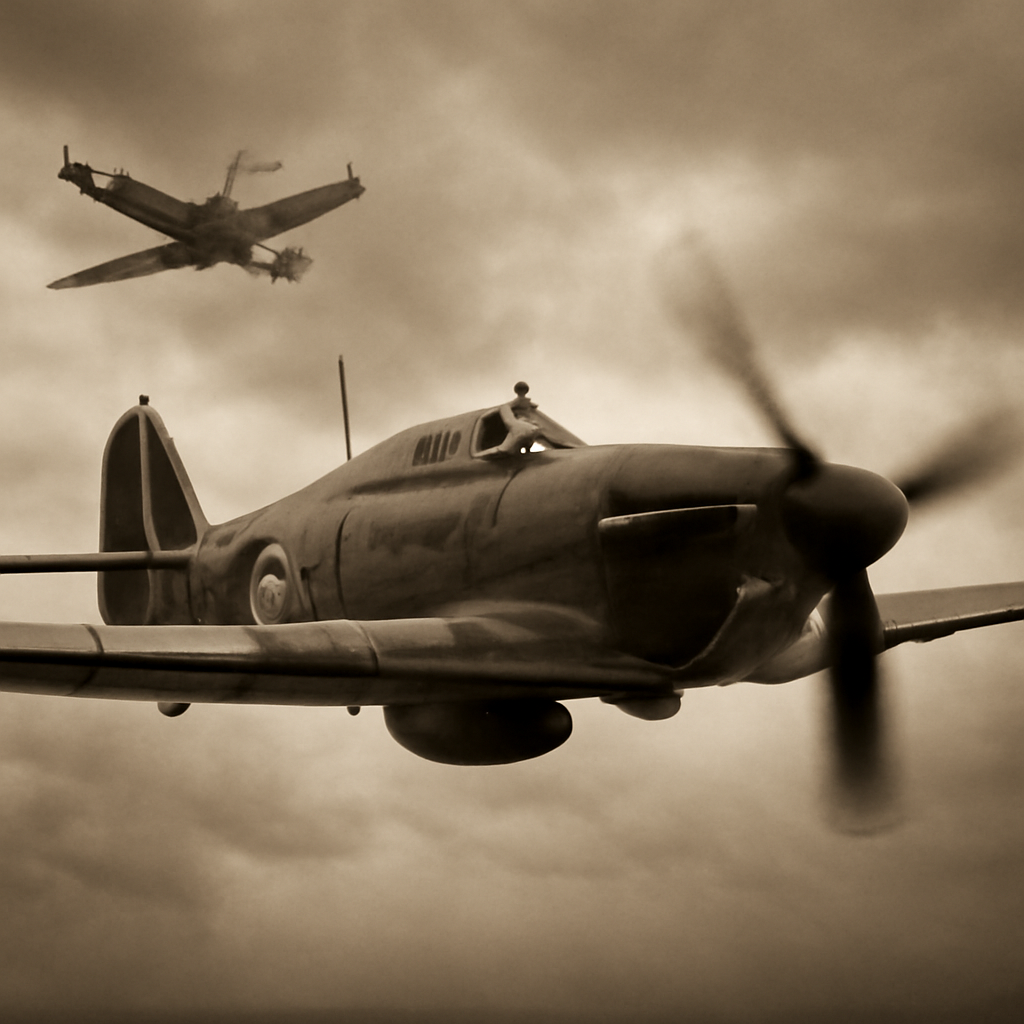
Unpopular opinion: The Hurricane won the Battle of Britain, not the Spitfire
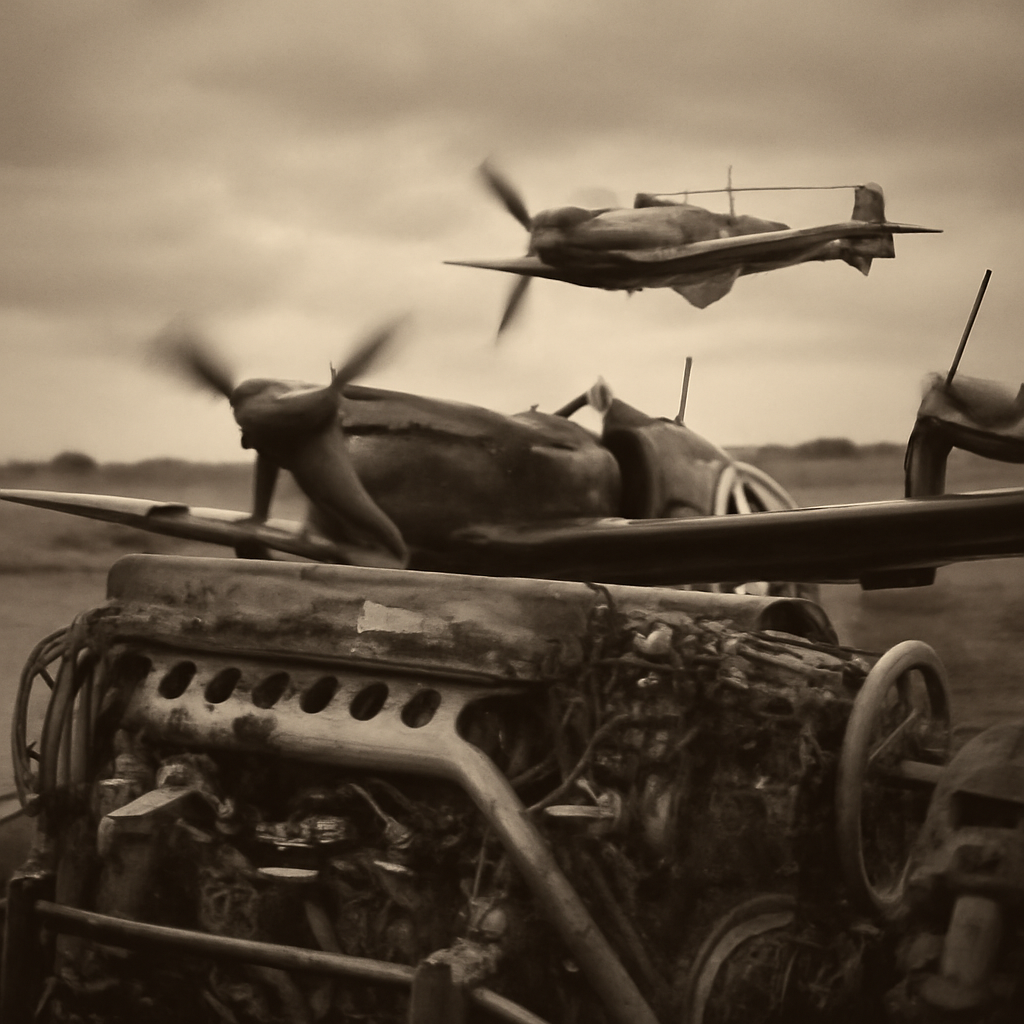
Hurricane squadrons actually shot down more German aircraft than Spitfires during the Battle of Britain. While Spitfires grabbed headlines tangling with German fighters, Hurricane pilots were doing the unglamorous but crucial work of hunting down the bombers that mattered most.
Production numbers tell the real story. By September 1940, the RAF had 709 serviceable Hurricanes compared to just 372 Spitfires. Churchill's PR machine knew a sleek, beautiful fighter would capture public imagination better than the sturdy, workmanlike Hurricane.
The Spitfire mythology overshadowed the Hurricane's pivotal role in Britain's survival. Sometimes the best fighter isn't the prettiest one.
R.J. Mitchell's race against death: Building a legend while dying
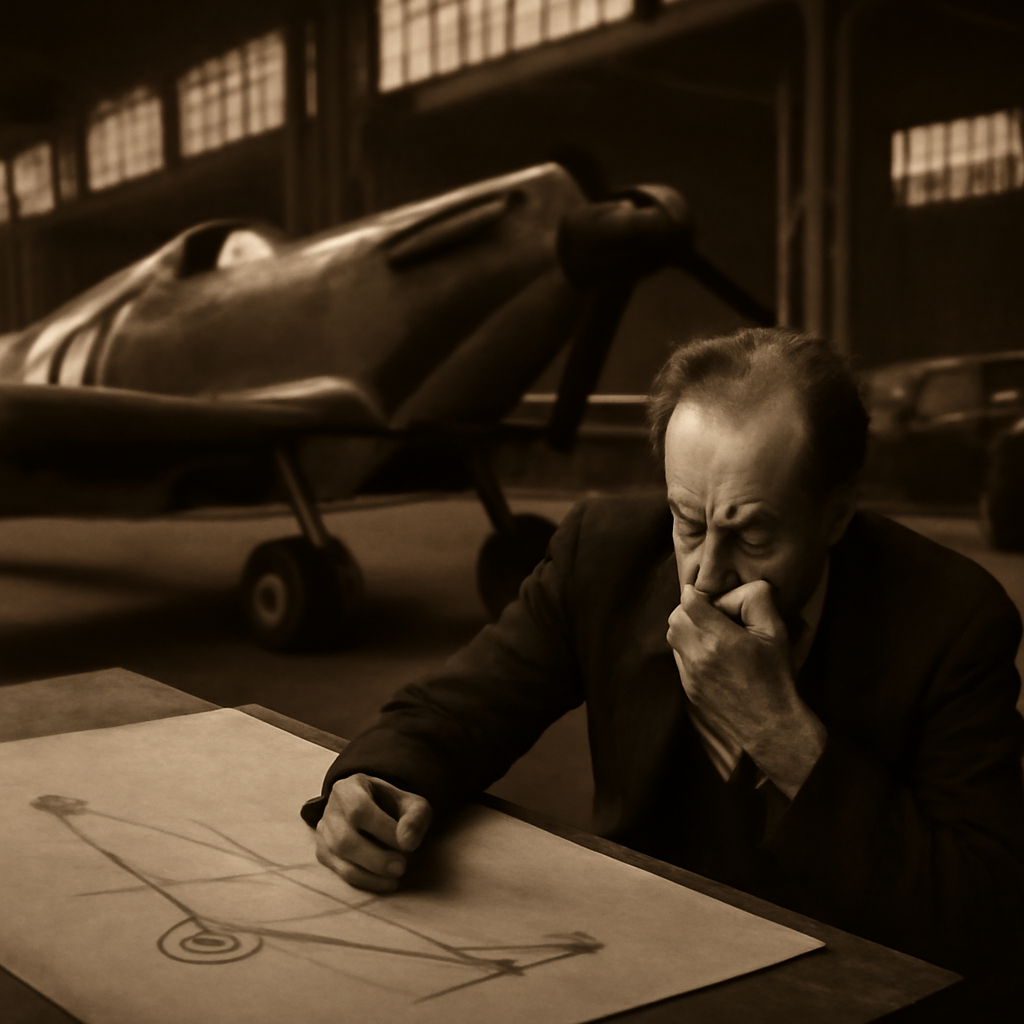
Reginald Mitchell knew he was dying when he designed the Spitfire. His cancer diagnosis in 1933 drove a desperate timeline - he had to create his masterpiece before time ran out.
His Schneider Trophy-winning seaplanes provided the blueprint. Those record-breaking racers taught Mitchell everything about high-speed aerodynamics and the potential of the Merlin engine. Government bureaucracy nearly killed the project multiple times, with officials questioning whether Britain needed such an advanced fighter.
Mitchell died in June 1937, three years before his creation faced its ultimate test. He never witnessed Spitfires climbing to intercept German bombers, never knew his design would become the symbol of British defiance.
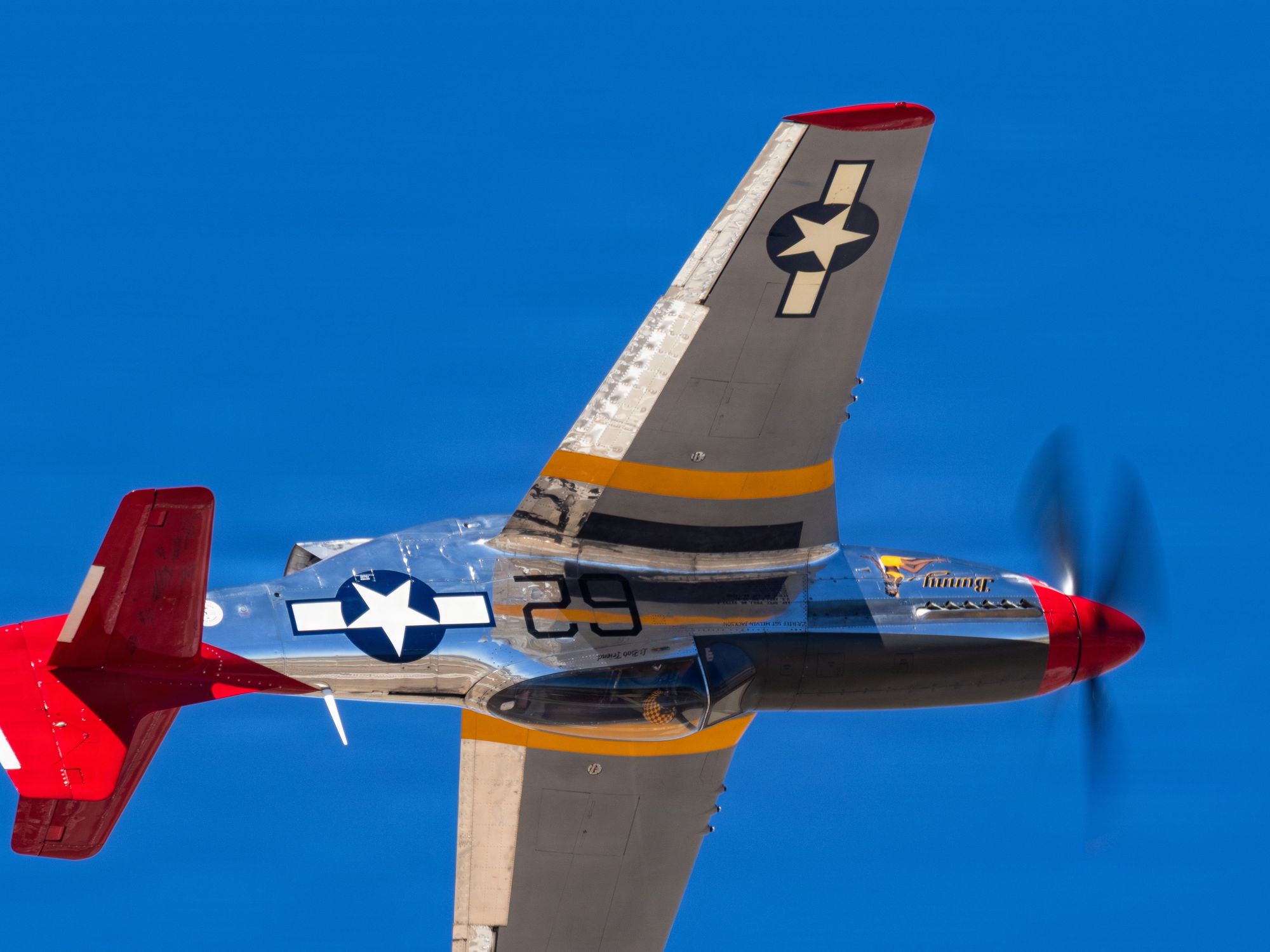
Most overrated aircraft feature: Those 'perfect' elliptical wings
Everyone raves about the Spitfire's beautiful elliptical wings, but they were actually a manufacturing nightmare that delayed production when Britain desperately needed fighters.
Each wing required skilled craftsmen and specialized tooling. Compare that to the Focke-Wulf 190, which proved straight wings could deliver comparable performance with fraction of the production complexity. The 190 often outperformed Spitfires in combat, making a mockery of the elliptical wing's supposed advantages.
Aesthetic beauty versus practical engineering - the elliptical design nearly cost Britain the war by limiting production capacity during the crucial early years.
Merlin engine: The real secret weapon everyone ignores
Forget the airframe debates - the Merlin engine was where Britain held its trump card. Rolls-Royce engineering excellence consistently outpaced German shortcuts and corner-cutting in engine development.
High-octane fuel gave British fighters a crucial edge German pilots couldn't match. While the Luftwaffe struggled with fuel shortages and quality issues, RAF pilots enjoyed reliable, powerful engines that maintained performance at altitude.
The two-stage supercharger breakthrough in 1942 transformed the Spitfire from a good low-altitude fighter into a high-altitude killer. American Packard production ultimately saved the Merlin program when British factories couldn't keep pace with demand.
Spitfire versus Messerschmitt Bf 109: Which was actually superior?
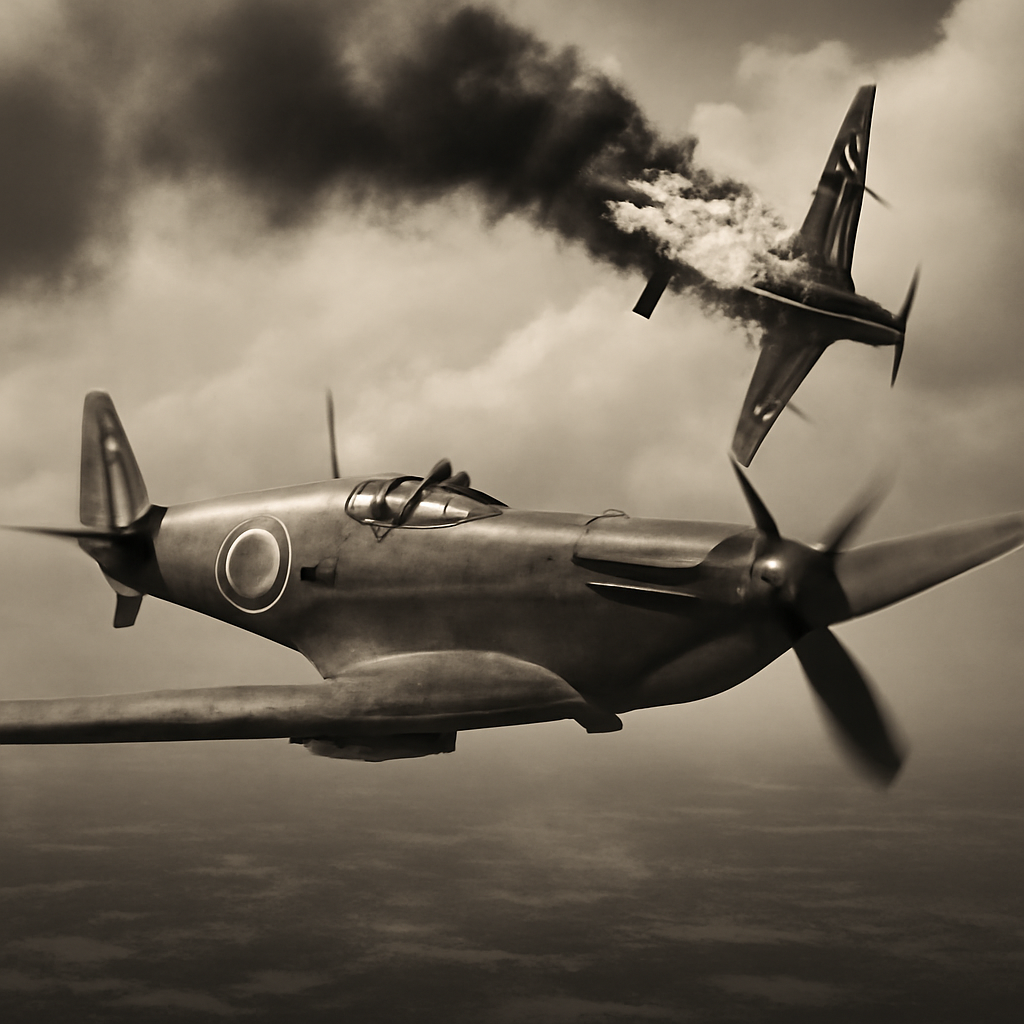
The turning circle advantage meant nothing at 25,000 feet where most combat actually occurred. German cannon versus British machine guns sparked endless debates, but fuel injection gave the 109 crucial diving advantages that killed more Allied pilots than any armament discussion.
Pilot quality mattered far more than aircraft specifications. An experienced Luftwaffe veteran in a 109 could outfight a green RAF pilot in a Spitfire every time. By 1942, when Britain finally had seasoned pilots, the combat equation shifted dramatically.
Neither aircraft was clearly superior - they were different tools designed for different philosophies of air combat.
The uncomfortable truth about Spitfire pilot losses
Inexperienced pilots died in alarming numbers during the Battle of Britain. Training shortcuts to meet desperate demand meant young pilots entered combat with minimal flight hours and virtually no gunnery experience.
Commonwealth pilots - Canadians, Australians, New Zealanders, and South Africans - carried a disproportionate burden during the darkest days. These experienced pilots often had better training than their British counterparts rushing through abbreviated courses.
Survival rates improved dramatically by 1942 when proper training programs resumed and experienced survivors could pass on hard-won combat wisdom.
Beyond 1940: When the Spitfire truly earned its reputation
The Malta siege proved the Spitfire's real worth. Operating from bomb-cratered airfields with minimal supplies, Spitfire squadrons held off the Axis assault on the Mediterranean's most strategic island.
Photo-reconnaissance variants revolutionized intelligence gathering, providing crucial information for D-Day operations and countless other missions. Pacific Theatre performance against Japanese fighters finally silenced critics who claimed the Spitfire couldn't handle tropical conditions.
Post-war service extended well into the jet age, with some variants flying combat missions into the 1960s.
Which aircraft really deserves credit for winning the Battle of Britain - the glamorous Spitfire or the workhorse Hurricane? Share your thoughts on whether Mitchell's elliptical wings were brilliant engineering or beautiful folly that nearly cost Britain the war.