The thunderous roar of engines and grinding of tracks marked humanity's first tentative step into mechanized warfare. But were these iron behemoths the revolutionary game-changers history claims, or expensive failures that squandered Britain's secret weapon?
Unpopular Opinion: The First Tanks Were Military Disasters
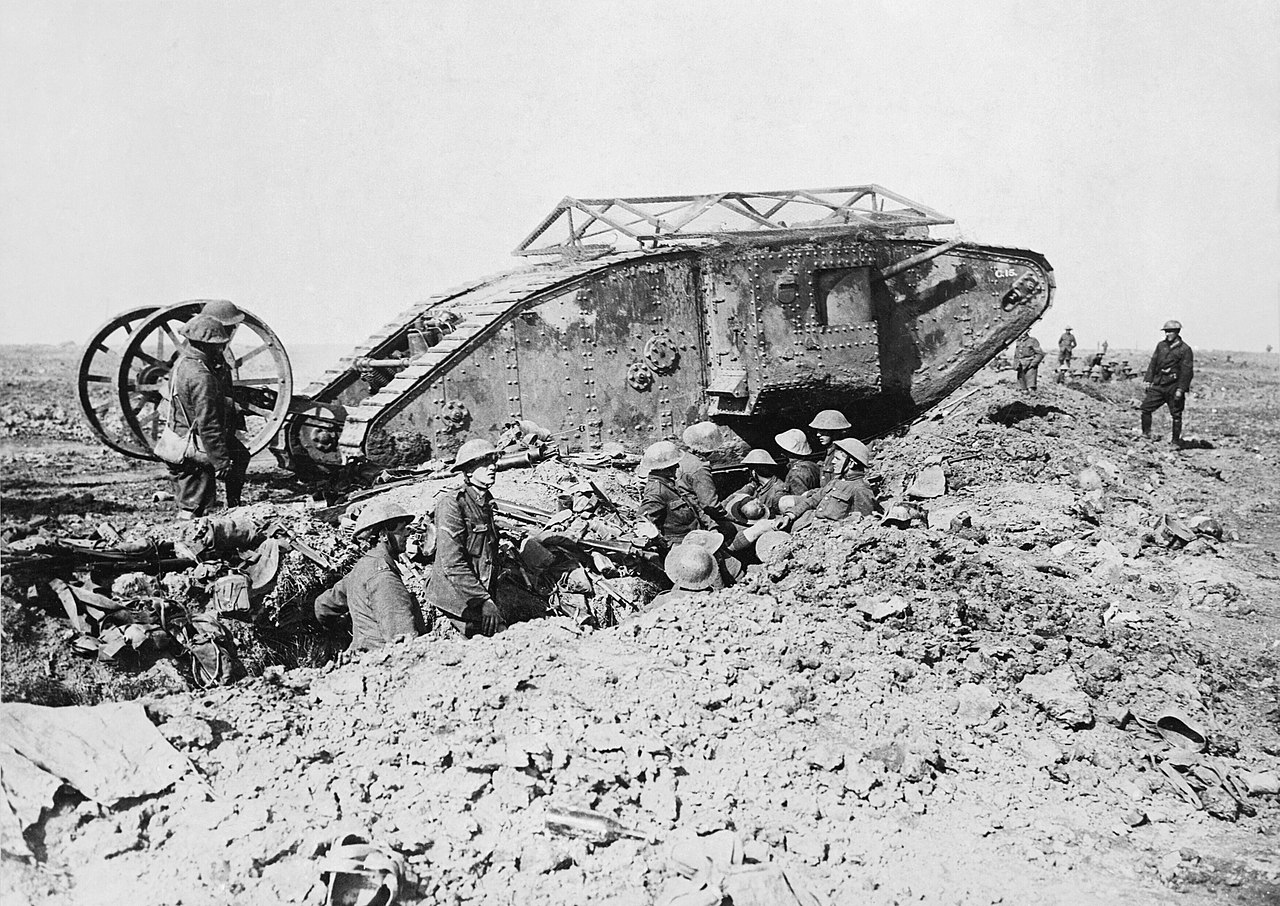
Only 32 of 49 tanks even made it to the starting line on September 15, 1916. The remaining 17 broke down before they could even taste battle — a harbinger of the mechanical nightmares to come.
Mechanical breakdowns plagued every advance. Tracks snapped under the strain, engines overheated in the cramped confines, and steering mechanisms failed at critical moments. These weren't precision war machines — they were experimental death traps masquerading as breakthrough weapons.
Crews were literally cooking inside these metal furnaces. Most achieved walking pace at best, making them sitting ducks for German artillery. The "surprise weapon" moved so slowly that enemy gunners had ample time to adjust their aim.
Mark I: The Beast That Terrified Both Sides
Picture 28 tons of steel plates riveted together with zero suspension. Every bump sent shockwaves through the crew compartment like being trapped inside a church bell during Sunday service.
Two 6-pounder naval guns sprouted from the sides like medieval siege weapons. The entire design looked like someone had welded a warship turret onto a farm tractor and called it revolutionary.
Eight men crammed into a space smaller than a garden shed, with internal temperatures regularly hitting 50°C — hotter than the Sahara Desert. Imagine fighting for your life while slowly roasting in a mobile oven.
September 15th: When Monsters Crossed No Man's Land
German troops fled in terror at first sight of these "land ships" emerging from the morning mist. The psychological shock was immediate and devastating — nothing in military training had prepared them for armored behemoths.
Tank D1 single-handedly captured Flers village, becoming an overnight legend. Meanwhile, C5 "Crème de Menthe" earned distinction as the first tank to breach enemy trenches, though at tremendous cost to its crew.
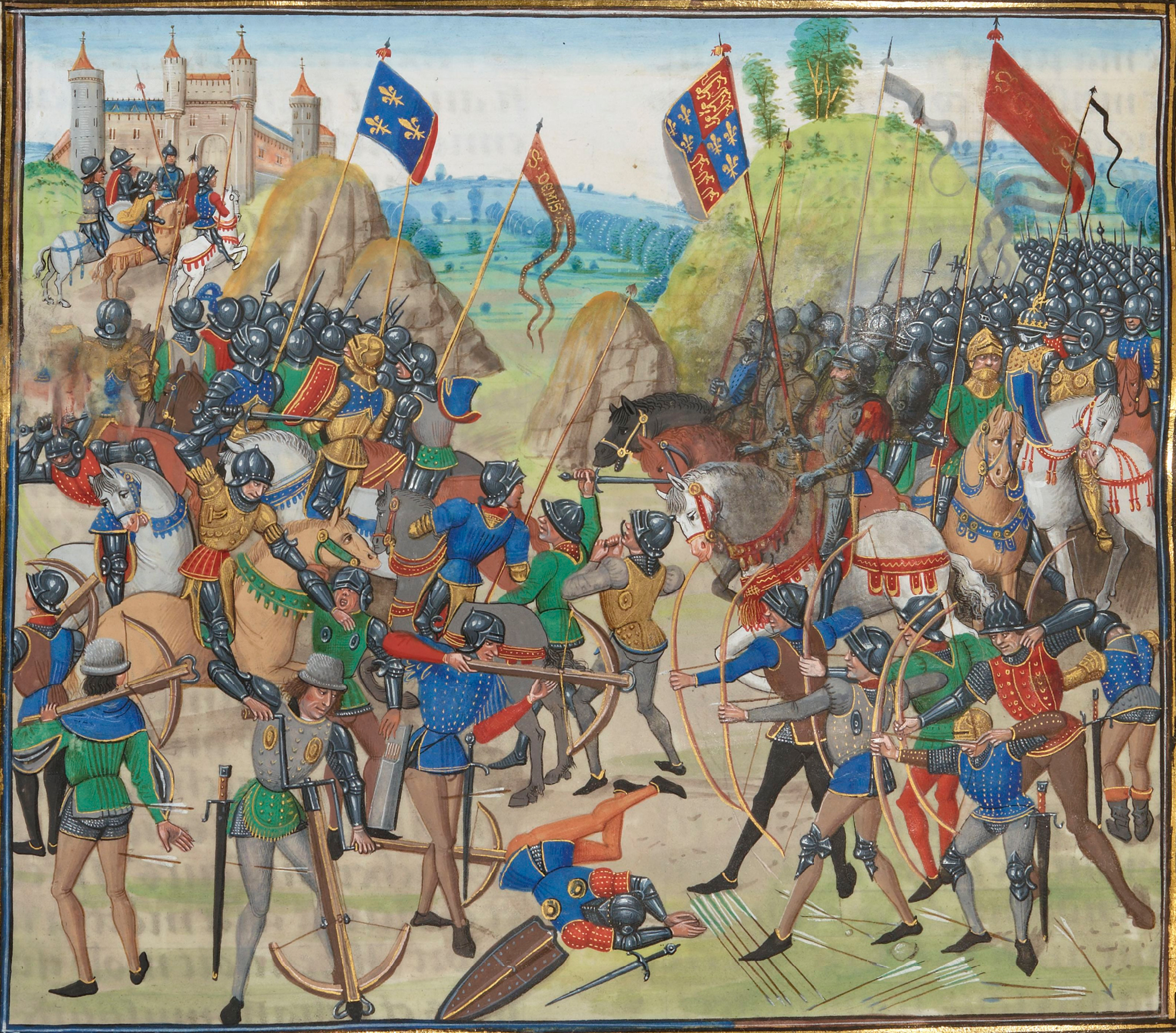
The psychological impact far outweighed any tactical success. Like the English longbow centuries earlier, fear proved more powerful than firepower.
Inside the Iron Coffins: What Tank Crews Endured
Deafening noise levels left crews permanently hearing-damaged. The combination of engine roar, gun fire, and metal-on-metal grinding created a cacophony that would make modern industrial workers cringe.
Carbon monoxide poisoning from engine fumes trapped inside the sealed compartment slowly sickened crews during extended operations. Many emerged from battle more poisoned than wounded.
Bullet splash — molten metal fragments spraying crew faces when enemy bullets struck the armor — became a horrific trademark injury. No communication system existed between crew members during combat, turning coordination into deadly guesswork.
Most Overrated Military Innovation? The Tank's Mixed Legacy
British forces gained only three miles of ground for massive resource investment. Compare this to later innovations like the V-2 rocket program — the return on investment was pathetic.
Haig's premature deployment revealed the secret weapon to Germans before full production could overwhelm them. The element of surprise — arguably the tank's greatest initial asset — was squandered for minimal territorial gain.
Yet these failures proved armored warfare represented combat's future. Sometimes military evolution requires expensive, bloody lessons.
From Somme Failures to Cambrai Triumphs
Lessons learned at the Somme led directly to massed tank attacks at Cambrai in 1917. Instead of penny-packet deployments, Britain finally understood concentration of force.
Improved crew training and mechanical reliability transformed these mechanical nightmares into viable weapons. The development of tank tactics and coordination with infantry created the foundation for modern combined-arms warfare.
These painful lessons birthed the Royal Tank Regiment — Britain's armored elite and the world's first dedicated tank force.
The Debate: Heroes or Victims of Poor Planning?
Were tank crews brave pioneers pushing military science forward, or sacrificial lambs thrown into premature deployment by impatient commanders?
Did this rushed introduction waste a potentially war-winning advantage? Would massed deployment of improved machines have broken the Western Front stalemate years earlier?
Should Haig have waited for better machines and proper training, or was immediate battlefield testing the only way to accelerate development?
The first tanks at the Somme changed warfare forever, but were they revolutionary breakthrough or expensive mistake? What lessons should modern military leaders take from this iron-clad controversy?