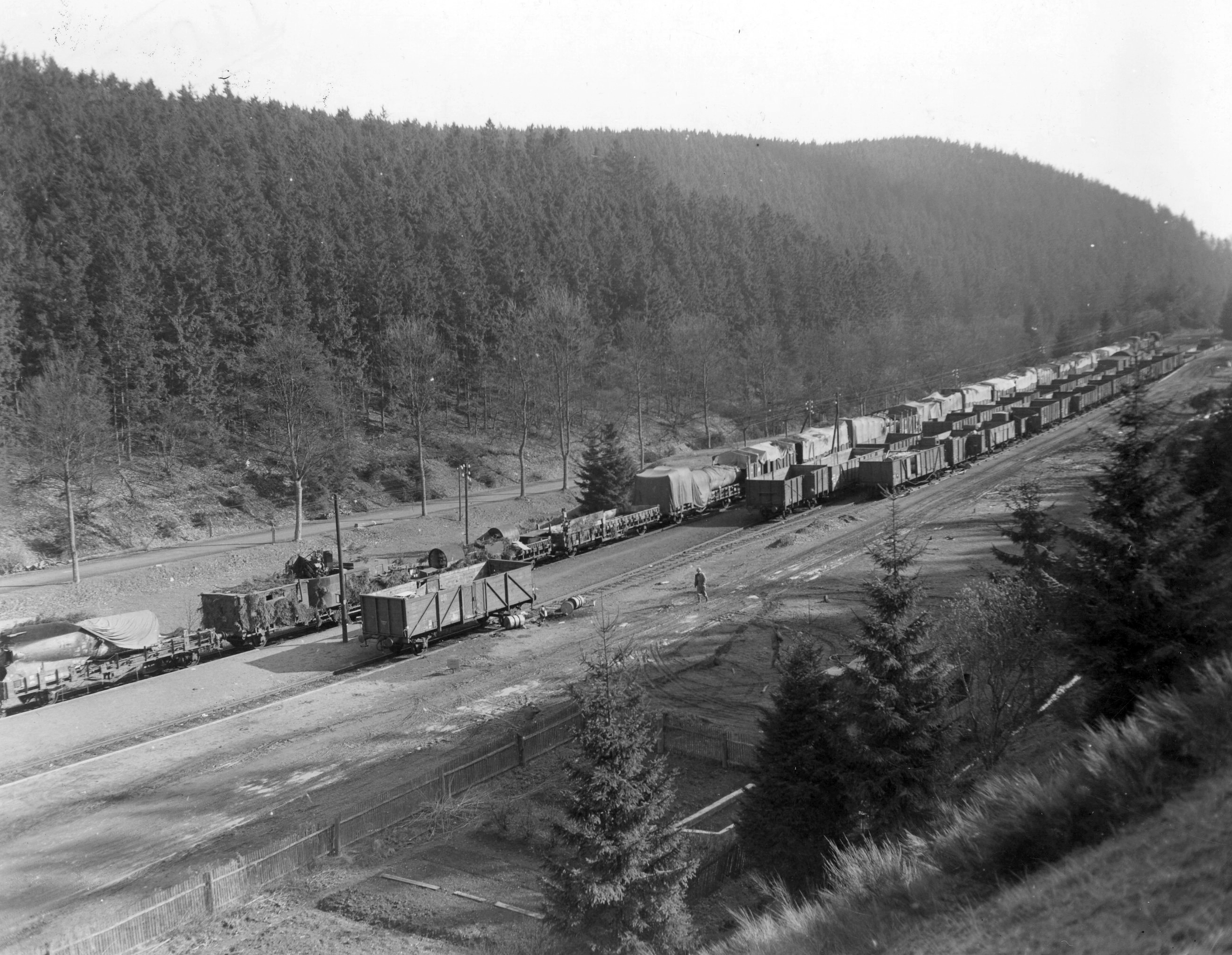
Most overrated Nazi wonder weapon you've ever studied? The V-2 rocket terrorized London in 1944-45, but military historians still debate whether it changed anything beyond the psychology of warfare. At the staggering cost of building 50 fighter planes per missile, Hitler's "Vergeltungswaffe" (vengeance weapon) represented either cutting-edge innovation or catastrophic resource misallocation.
Most overrated Nazi wonder weapon or game-changing breakthrough?
Churchill dismissed the V-2 as "Hitler's last desperate gamble" — and the numbers back him up. Each rocket cost the Reich precious resources equivalent to manufacturing 50 Messerschmitt fighters, weapons that might have challenged Allied air superiority more effectively than the legendary Spitfire duels of 1940.
Strategic impact versus psychological terror — which mattered more? The V-2 killed approximately 2,700 civilians in England while consuming enormous industrial capacity. Compare that to conventional bombing raids or U-boat warfare, and the rocket program's military value appears questionable at best.
Yet the psychological warfare aspect was undeniable. Unlike the V-1 flying bomb's distinctive buzz that gave Londoners warning, the supersonic V-2 arrived in complete silence, followed seconds later by its sonic boom and devastating explosion.
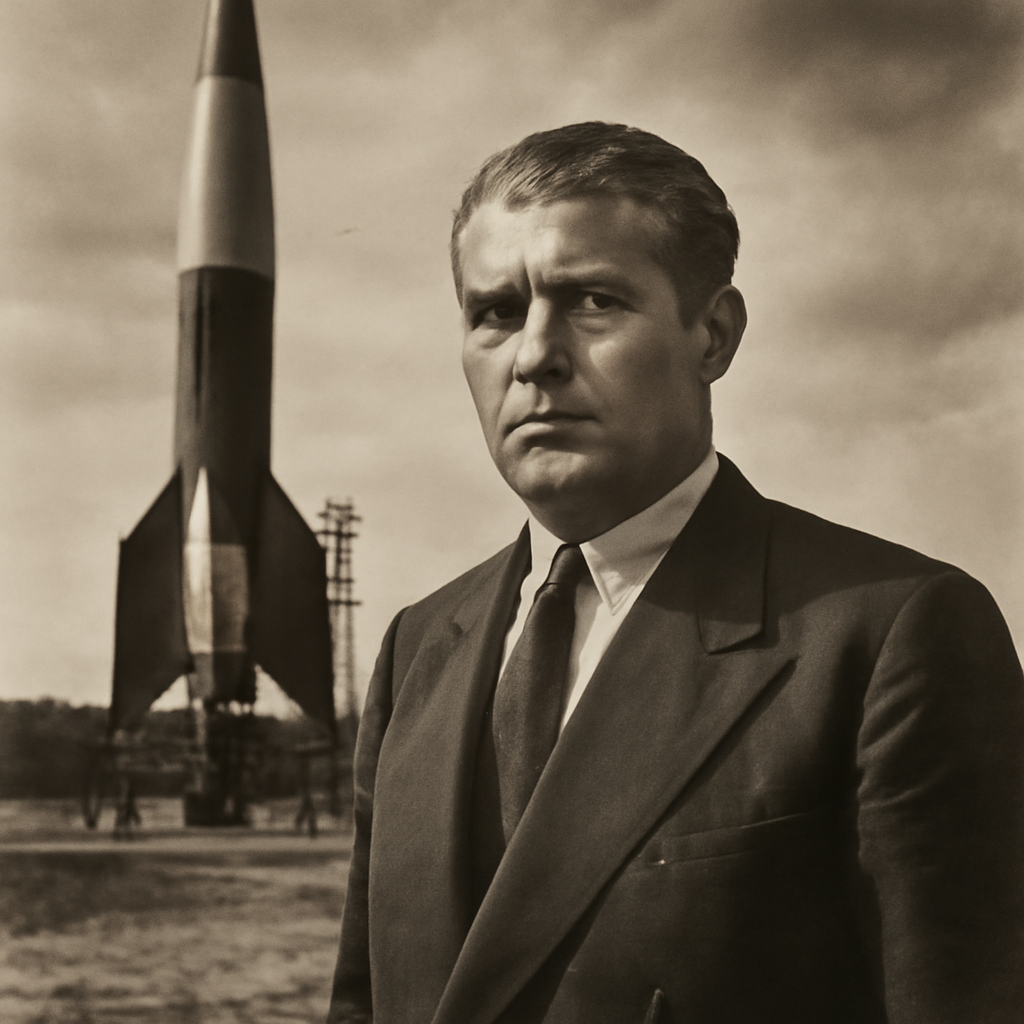
Wernher von Braun: Brilliant scientist or war criminal with good PR?
Unpopular opinion: von Braun's post-war rehabilitation as America's space hero conveniently ignored his use of slave labor at the Peenemünde research facility. Thousands of concentration camp prisoners died manufacturing V-2 rockets under horrific conditions.
Operation Paperclip whitewashed Nazi scientists' war crimes in exchange for technological secrets. Von Braun's transformation from weapons maker to NASA's chief architect represents either American pragmatism or moral compromise, depending on your perspective.
The uncomfortable truth? The same man who terrorized London later put Americans on the moon. His Saturn V rocket borrowed directly from V-2 technology, creating an ethical paradox that space enthusiasts rarely acknowledge.
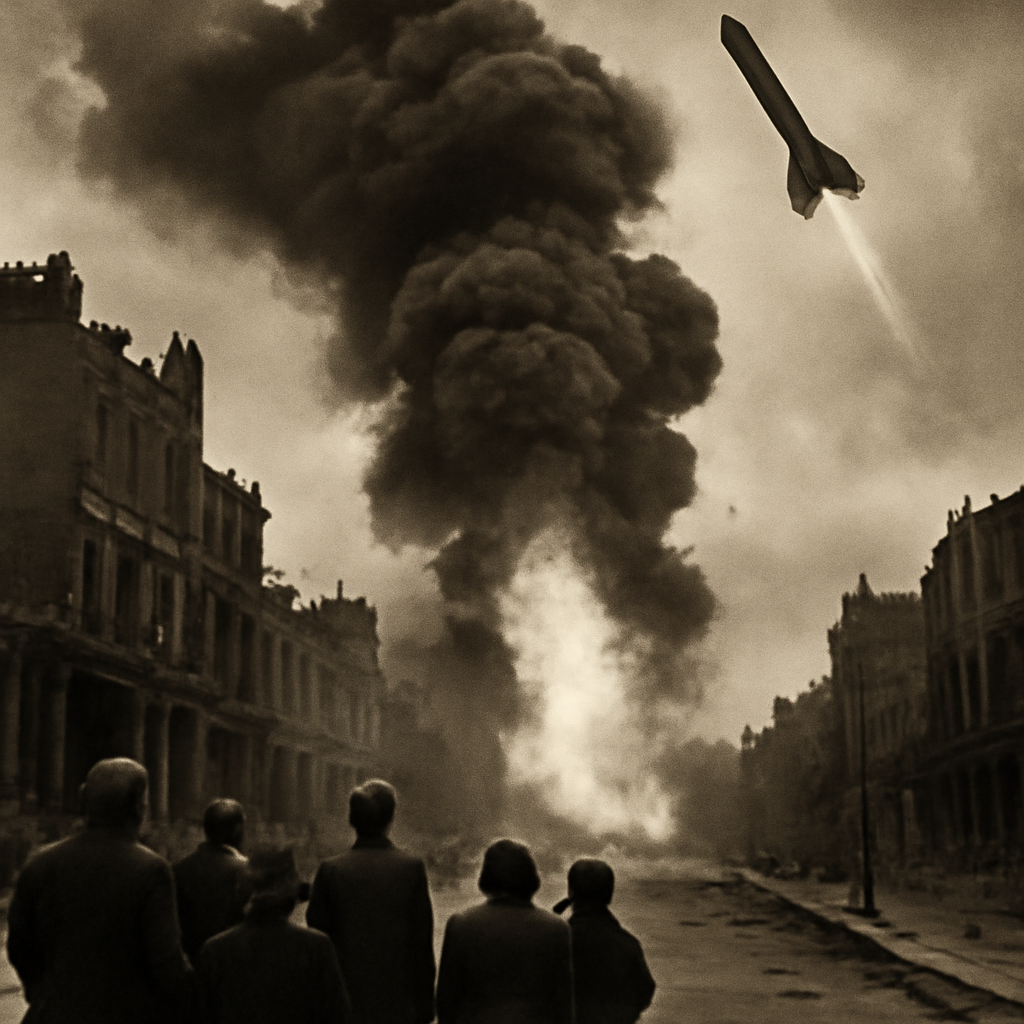
London under the V-2 barrage: terror from the silent sky
Which bombing was more terrifying — hearing the Luftwaffe approach or experiencing sudden, silent destruction? V-2 attacks offered no air raid sirens, no time for shelter. The rocket's supersonic speed meant Londoners heard the explosion before the incoming missile's sound.
Chiswick, New Cross, Smithfield Market — these became synonymous with V-2 devastation. The deadliest single strike hit a Woolworth's store in New Cross, killing 168 shoppers instantly. No warning, no escape, just sudden obliteration from space.
Londoners adapted with typical resilience, but this new form of warfare challenged every assumption about civilian defense. Hitler never fully exploited the psychological potential, launching too few rockets too late in the war.
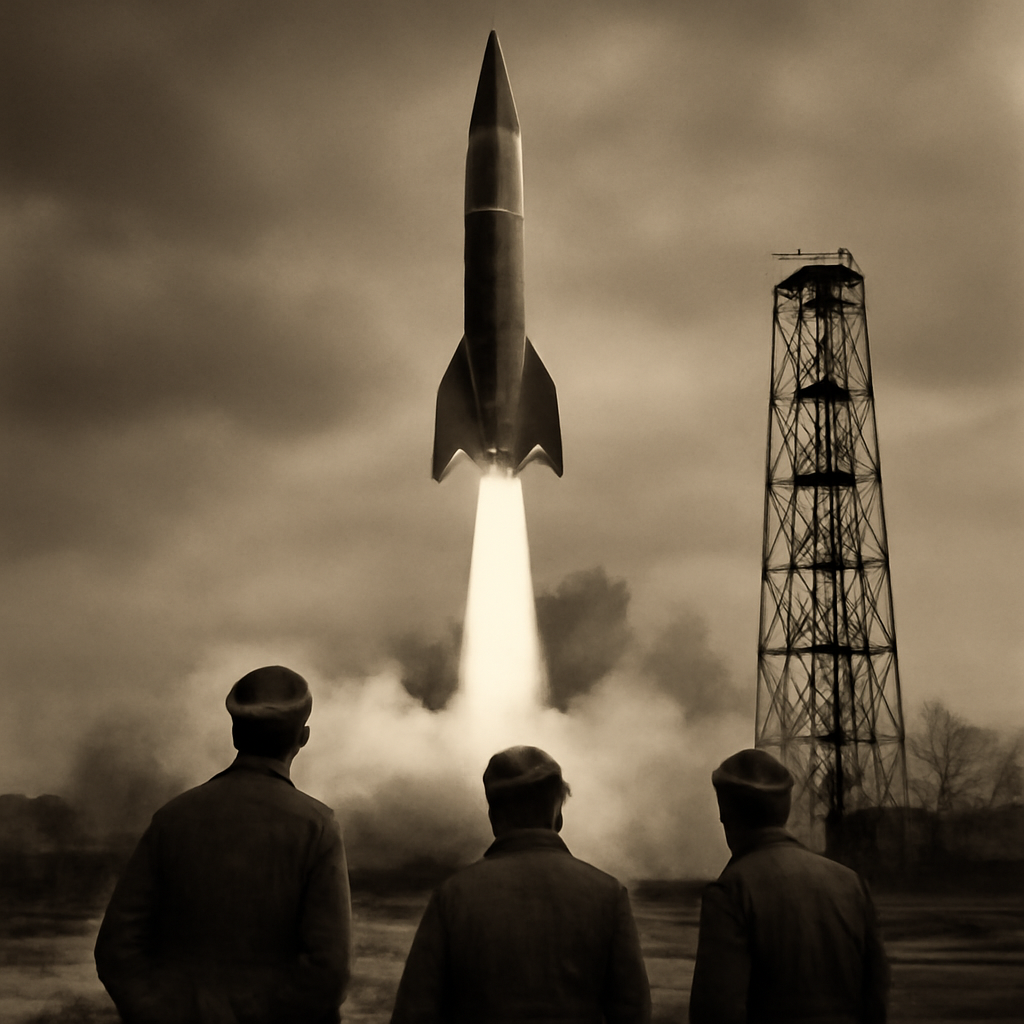
Technical marvel that came too late to matter
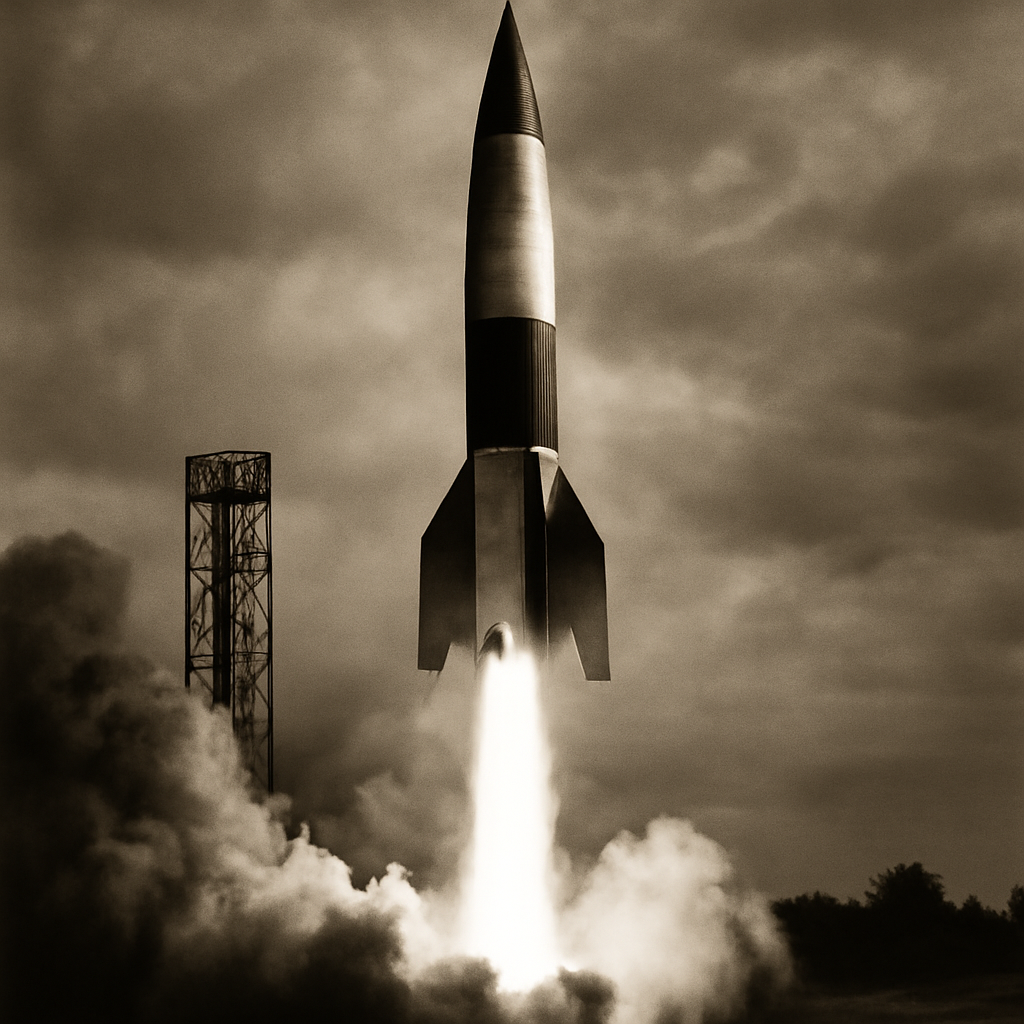
Most advanced missile you've ever studied from WWII? The V-2's specifications read like science fiction for 1944: 46-foot height, 3,500 mph maximum speed, guidance systems decades ahead of their time. It was the world's first supersonic ballistic missile, reaching the edge of space during flight.
Production challenges crippled the program from day one. Complex manufacturing, scarce materials, and rushed development created reliability nightmares. Ironically, the simpler V-1 flying bomb proved more cost-effective, delivering similar psychological impact at a fraction of the expense.
The technological brilliance was undeniable, but timing rendered it strategically worthless. By late 1944, Germany lacked the industrial capacity and resources to mass-produce game-changing quantities.
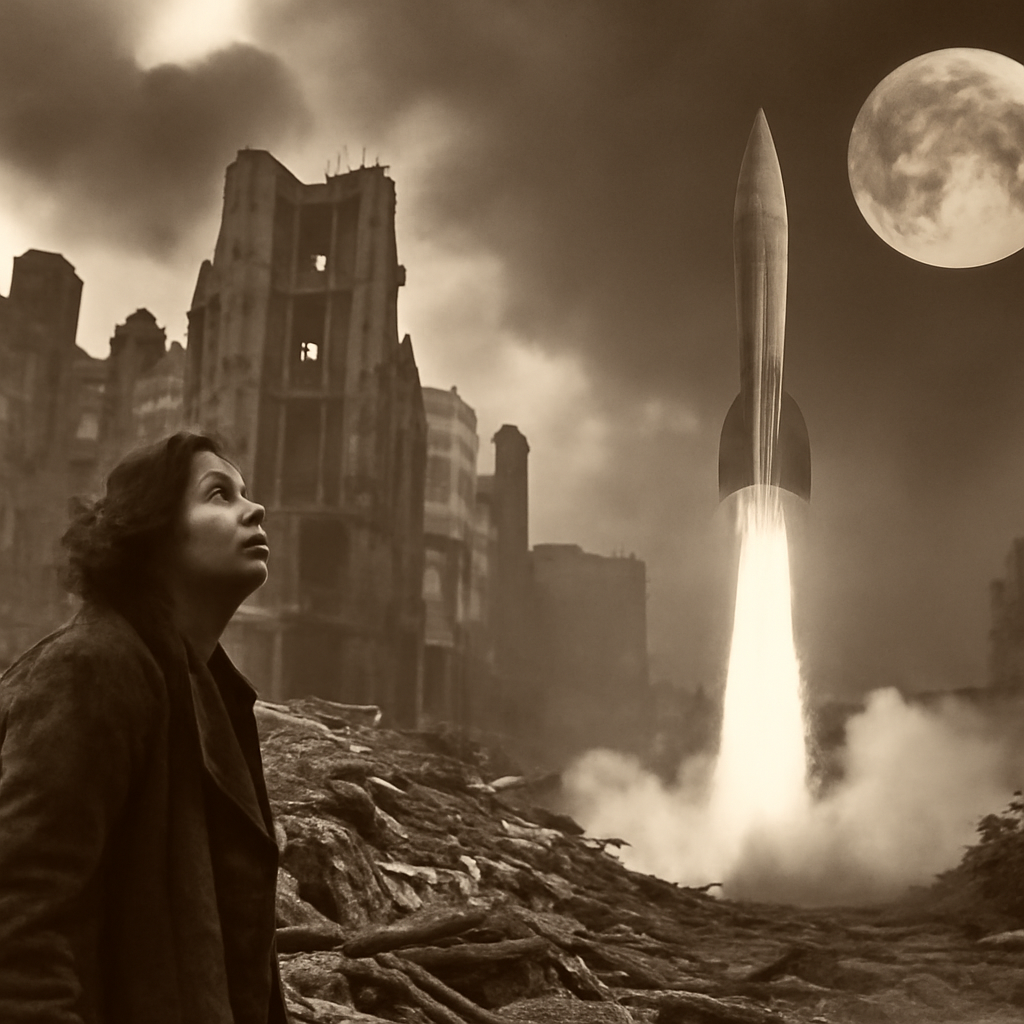
The space race connection: from London's terror to lunar triumph
Which historical irony fascinates you most? Hitler's vengeance weapon directly enabled American moon landings. The technological lineage from V-2 to Saturn V is unmistakable — captured German scientists shaped both US and Soviet space programs.
Von Braun's redemption arc through American space exploration created one of history's most complex moral narratives. The man who rained death on London became the architect of humanity's greatest exploration achievement.
Both superpowers scrambled for Nazi rocket technology and personnel. The space race wasn't just about national prestige — it was built on captured German innovation and expertise.
What if Hitler had prioritised the V-2 programme earlier?
Most significant strategic miscalculation of the Nazi war effort? Imagine mass V-2 production beginning in 1942 instead of 1944. Alternative history scenarios suggest sustained rocket bombardment might have disrupted D-Day preparations or forced different Allied strategic choices.
Resource allocation failures doomed the Nazi war effort more than tactical defeats. Prioritizing wonder weapons over proven technologies like improved tanks or aircraft represented wishful thinking over sound military strategy.
The V-2 program embodied Hitler's fascination with revolutionary technology over practical warfare. By 1944, Germany needed conventional weapons, not experimental rockets that consumed irreplaceable resources.
What's your take on the V-2's true historical significance? Was it a technological milestone that birthed the space age, or Hitler's most expensive military mistake?