In June 1942, a handful of American dive bombers found the Japanese carrier fleet at the worst possible moment. Three carriers blazing. The tide of war reversed. All in five devastating minutes that most people have never heard about.
The Five Minutes That Turned the Pacific War
Pearl Harbor gets the movies and the memorials. But if you want to understand when America actually started winning the Pacific War, forget December 7th. Look to June 4th, 1942, at 10:22 AM.
That's when Lieutenant Commander Wade McClusky's dive bombers caught Admiral Nagumo's carriers with their flight decks packed full of fueled aircraft and high-explosive bombs. The same carriers that had devastated Pearl Harbor were about to become floating funeral pyres.
The setup was perfect American intelligence versus Japanese overconfidence. Station HYPO had cracked Japanese naval codes, giving Admiral Nimitz the ultimate poker hand. He knew exactly where Yamamoto's fleet would be and when they'd be most vulnerable.
Those five minutes didn't just sink ships. They ended Japanese naval supremacy forever.

Yamamoto Was Brilliant — But Nimitz Was Prepared. Which Admiral Deserves More Credit?
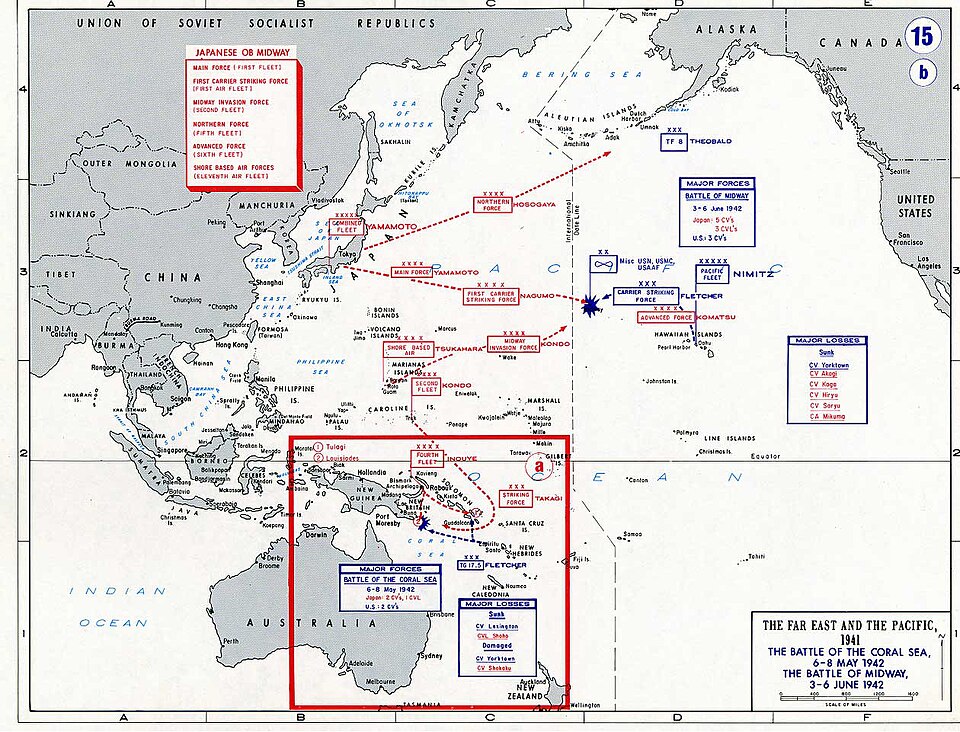
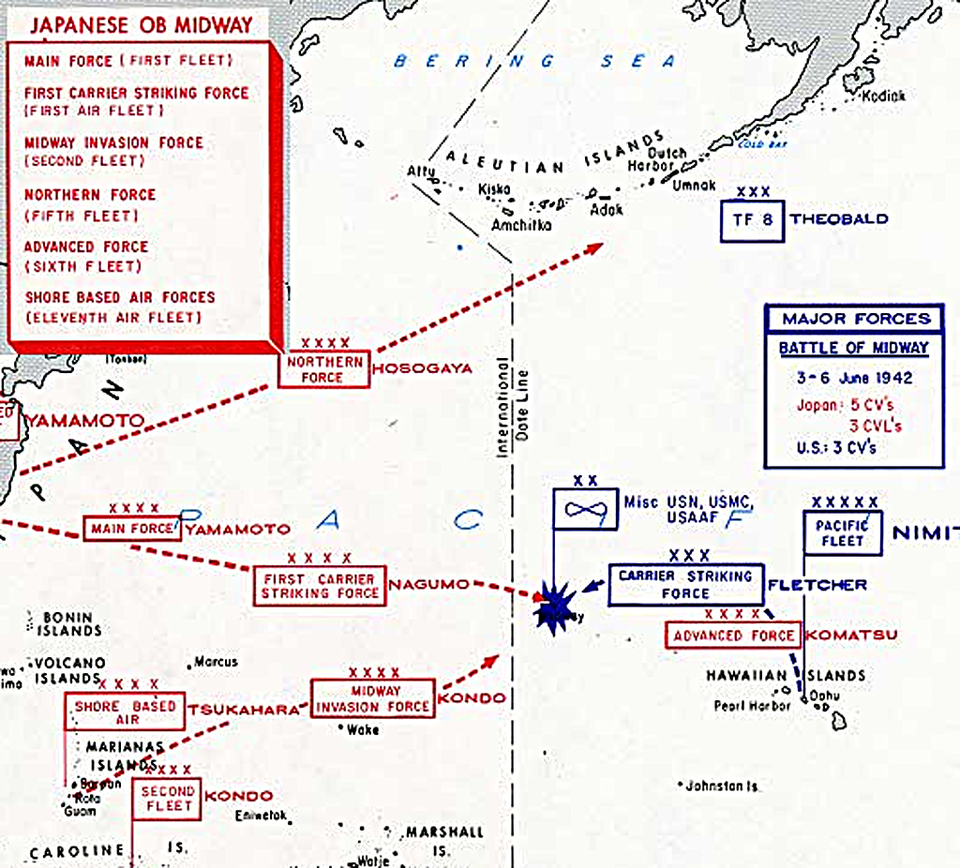
Admiral Yamamoto crafted an intricate trap. Lure the remnants of the U.S. Pacific Fleet to Midway. Destroy them completely. Force America to negotiate peace.
The plan was brilliant — multiple carrier groups, feints toward Alaska, overwhelming force concentration. Classic Japanese tactical thinking.
But Chester Nimitz had something better than brilliance. He had Lieutenant Commander Joseph Rochefort and the code-breakers at Station HYPO, who'd penetrated Japanese naval communications so thoroughly they knew Yamamoto's moves before some of his own commanders did.
While Yamamoto planned for a surprised enemy, Nimitz positioned his three carriers exactly where they needed to be. Intelligence beats genius every time when the stakes are this high.

Admiral Nagumo's Fatal Mistake: Arming for the Wrong Enemy
June 4th started perfectly for the Japanese. Admiral Nagumo's carriers launched their first strike against Midway Island at dawn. American defenses crumbled under the assault.
Then came the fatal decision. Nagumo's returning pilots reported Midway needed a second strike. So he ordered his reserve aircraft rearmed — switching from ship-killing armor-piercing bombs to high-explosive bombs for ground targets.
Picture this chaos: Flight decks crowded with aircraft. Aviation fuel flowing through hoses. Ammunition scattered everywhere. Armor-piercing bombs stacked beside high-explosive ones.
Nagumo's carriers had become floating powder kegs. All they needed was a spark.
10:22 AM: The Five Minutes That Changed Everything
Lieutenant Commander Wade McClusky was running out of fuel and hope. His dive bombers had been searching empty ocean for Japanese carriers while his fuel gauges dropped toward zero.
Then he spotted a lone Japanese destroyer racing northeast. McClusky made the call that changed history — follow that ship.
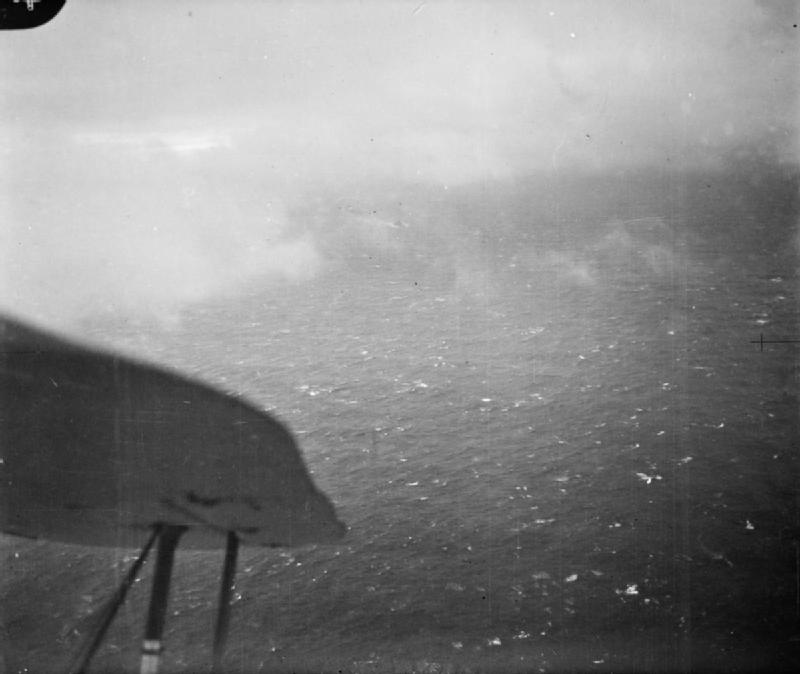
At 10:22 AM, McClusky's squadron crested the clouds and found the entire Japanese carrier fleet spread below them like sitting ducks. Akagi, Kaga, and Soryu — all three caught rearming aircraft.
The dive bombers plunged earthward. Lieutenant Dick Best put his bomb straight through Akagi's flight deck. Other bombers found Kaga and Soryu. In five minutes, three fleet carriers were burning wrecks.
Japan's maritime empire died in those five minutes.
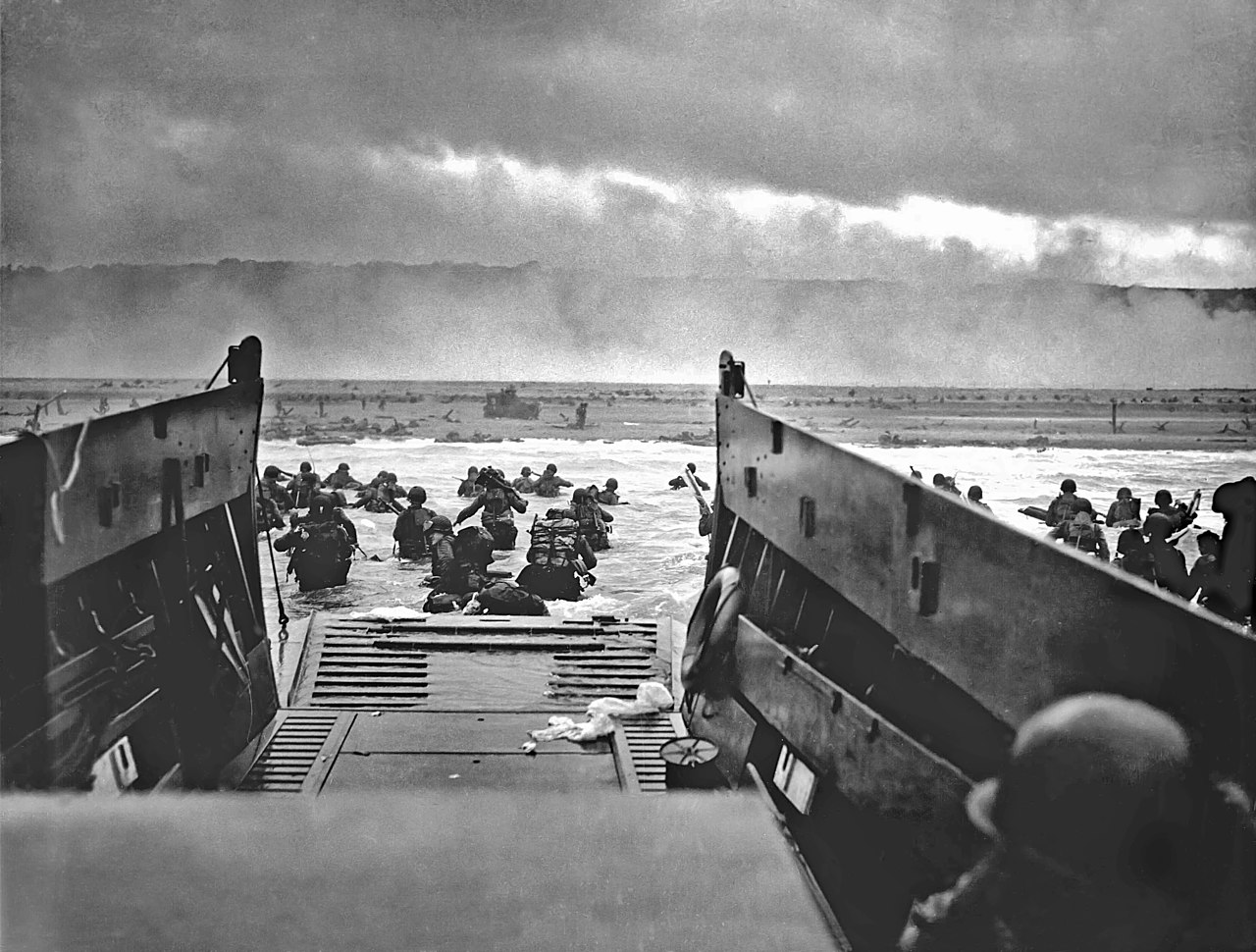
The Heroes History Forgot: Dive Bomber Pilots Who Won the Pacific
Dick Best was flying with a faulty oxygen system that would permanently damage his lungs. He pressed his attack anyway, placing his 1,000-pound bomb with surgical precision through Akagi's flight deck.
Dusty Kleiss hit Kaga with devastating accuracy. Norman Kleiss (no relation) helped finish Soryu. These weren't seasoned veterans — they were young pilots who'd been training for war just months earlier.
The price was steep. American torpedo bomber squadrons had been slaughtered earlier that morning, with Torpedo Squadron 8 losing all but one of its aircraft. But their sacrifice drew Japanese fighters down to sea level, leaving the carriers defenseless when the dive bombers arrived.
Ordinary young Americans delivered extraordinary results under impossible pressure.
After the Flames: How Five Minutes Doomed the Rising Sun
By evening, three Japanese fleet carriers had slipped beneath the Pacific. The fourth, Hiryu, would follow after launching a desperate counterattack that crippled the American carrier Yorktown.
Japan had lost four fleet carriers and their irreplaceable aircrews — pilots they'd been training since the 1930s. America lost one carrier and began building dozens more.
The strategic mathematics were brutal. Japan's industrial capacity couldn't replace what burned at Midway. America's could, and then some.
Code-breaking continued giving American commanders crucial advantages throughout 1943 and 1944. What started with five minutes at Midway became a systematic dismantling of Japanese naval power.
Were Those Five Minutes Pure Luck, or the Inevitable Result of American Preparation?
Yamamoto called Midway a "victory of intelligence over strategy." But was McClusky's decision to follow that destroyer pure chance, or the kind of tactical thinking that separates great commanders from good ones?
The intelligence preparation was meticulous. The code-breaking was brilliant. The positioning of American forces was precise.
But in the end, one pilot's split-second decision to follow a lone ship turned preparation into victory.
Modern naval commanders still study Midway as the gold standard for decisive engagement. The lesson remains clear: intelligence creates opportunity, but courage seizes it.
What's your take on those five minutes that changed everything? Was this America's finest hour, or Japan's most catastrophic mistake?