Most People Credit Midway. Unpopular Opinion: Guadalcanal Actually Won the Pacific War
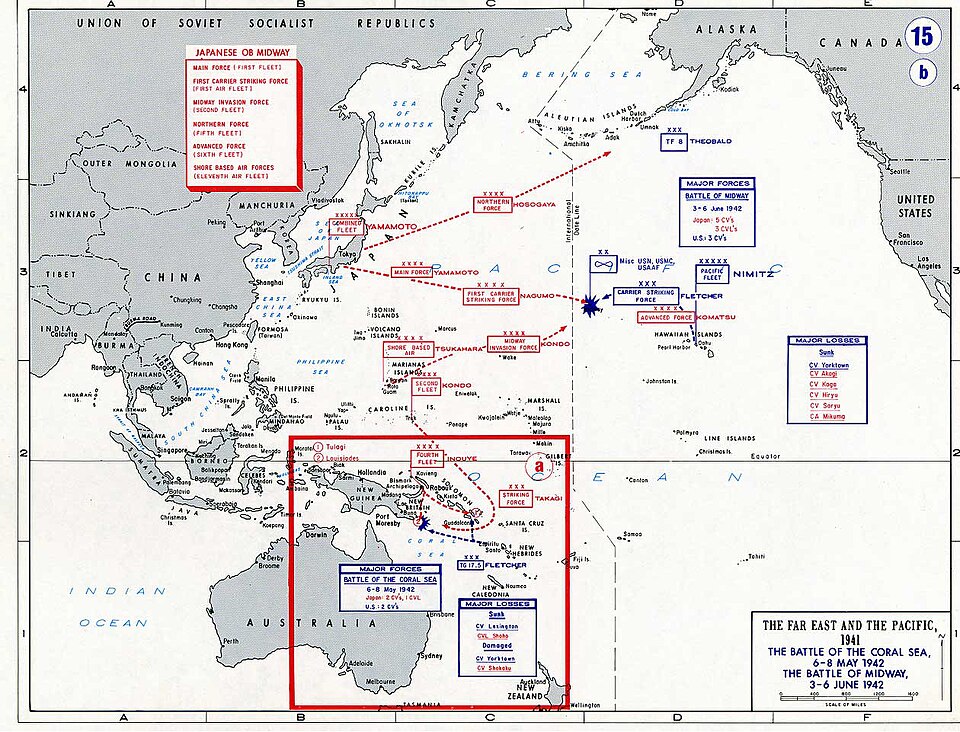
Midway gets the glory. Four Japanese carriers burning on the Pacific. A stunning, almost miraculous reversal of fortune in June 1942. It is the battle every documentary reaches for when it wants to explain how America turned the tide.
But here is the uncomfortable truth that military historians keep arguing over: Midway was a defensive victory. America stopped a Japanese advance. Guadalcanal was something different — it was the moment America stopped reacting and started pushing back.
From August 1942 to February 1943, US Marines clawed at a malarial jungle island for six brutal months while Japan threw everything it had at them by land, sea, and air. The human cost on both sides was staggering. And the question that still divides historians is whether this was a brilliant strategic gamble or a catastrophic near-disaster that very nearly broke the US Navy entirely.
Ask yourself this: if the Marines had been pushed off that airfield, does the entire Pacific timeline collapse? The debate is genuinely open. Pick your side carefully.
A Malarial Jungle Island Nobody Had Heard Of — And Why It Suddenly Mattered
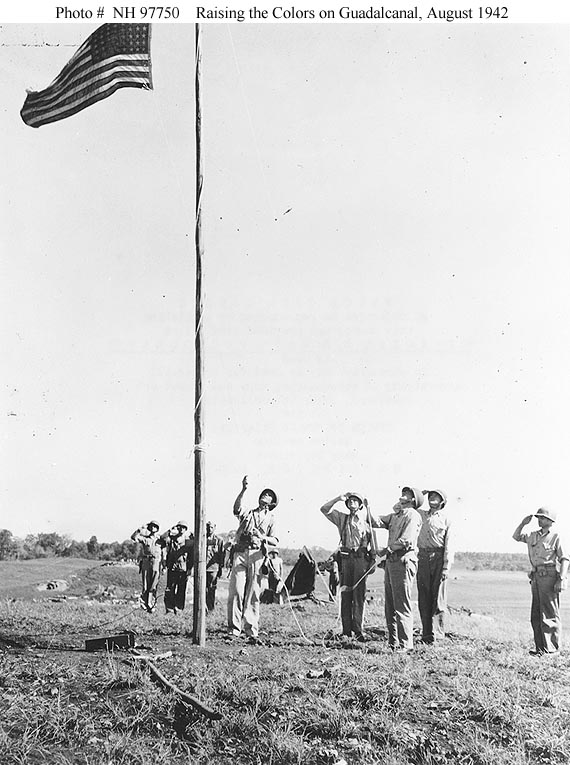
Guadalcanal sits near the end of the Solomon Islands chain, roughly 1,000 miles northeast of Australia. Most Americans in 1942 could not have found it on a map. The Japanese could — and they were building an airfield there that would have handed them air dominance over the entire South Pacific.
Control that airfield, and Japan could threaten Allied supply lines to Australia. Lose Australia as a base, and the entire Allied position in the Pacific becomes close to untenable.
America's decision to strike in August 1942 was rushed, under-resourced, and bitterly controversial among Allied commanders who believed the operation was premature. The island itself seemed almost indifferent to the argument — dense jungle, relentless tropical disease, extreme heat, and terrain that turned a quarter-mile advance into a day's exhausting work. From the water, Guadalcanal looked like paradise. On the ground, it became something very different, very fast.
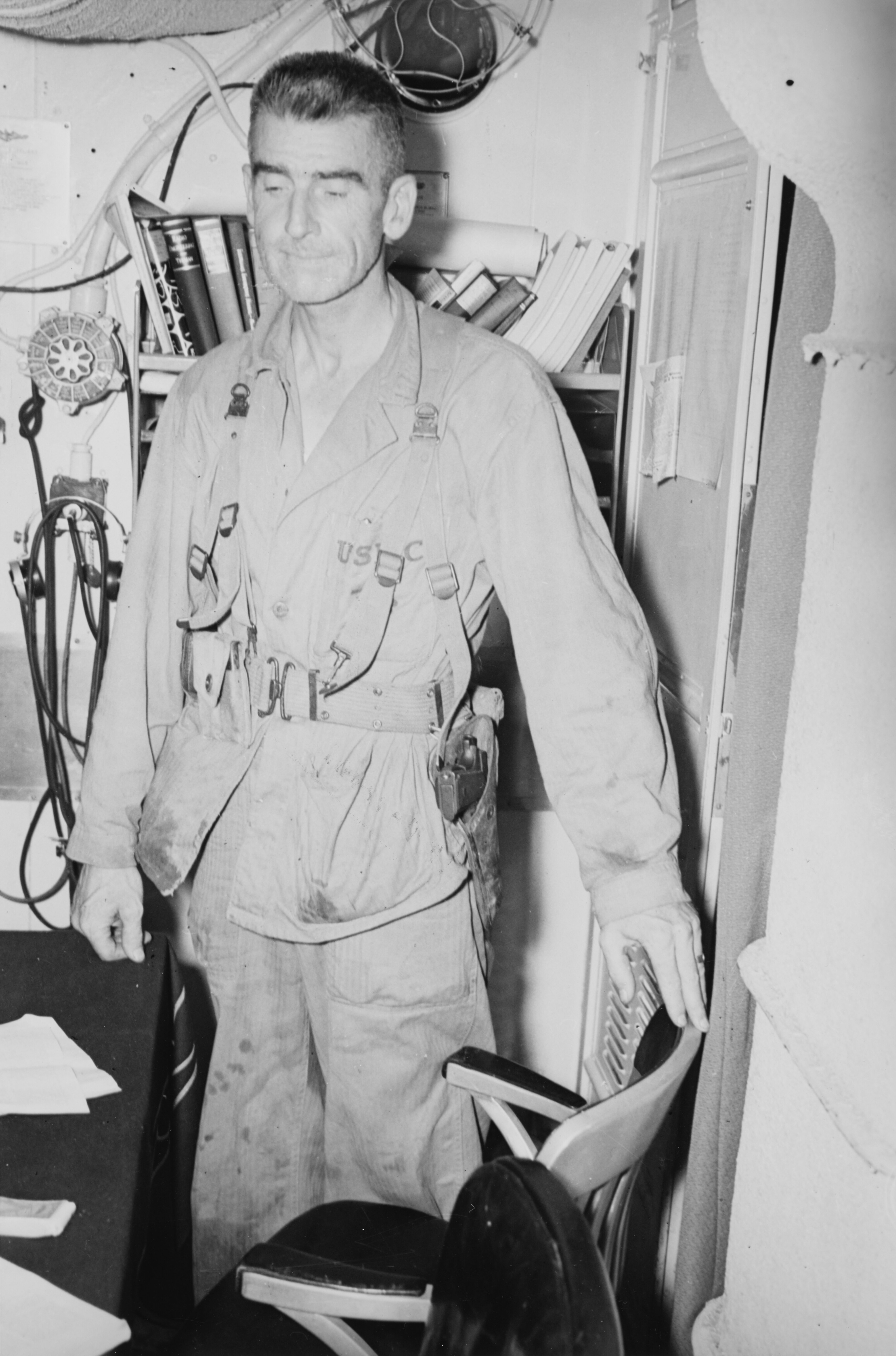
They Called It 'Operation Shoestring' — Because That's Exactly What It Was
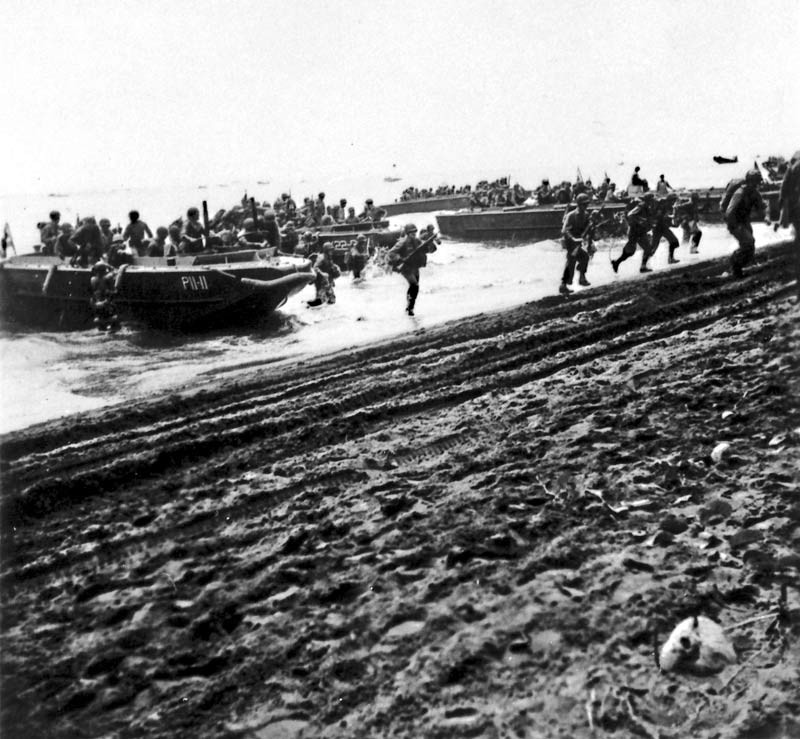
The Marines landed on 7 August 1942 with insufficient supplies, incomplete intelligence, and naval support that abandoned them within 48 hours. The disaster at the Battle of Savo Island — where Japanese cruisers savaged the Allied fleet in the darkness — sent the US Navy retreating and left the Marines stranded on the beach with whatever they had managed to get ashore.
Rations were cut in half within days. Men survived on captured Japanese rice and whatever the jungle could offer. Malaria, dysentery, and jungle rot tore through the ranks — by some estimates, more Marines were hospitalised by disease than by combat wounds.
Was this bold strategic courage, or reckless endangerment of American lives by commanders who should have known better before they ever gave the order? The men on the ground did not have the luxury of debating it. They simply endured.
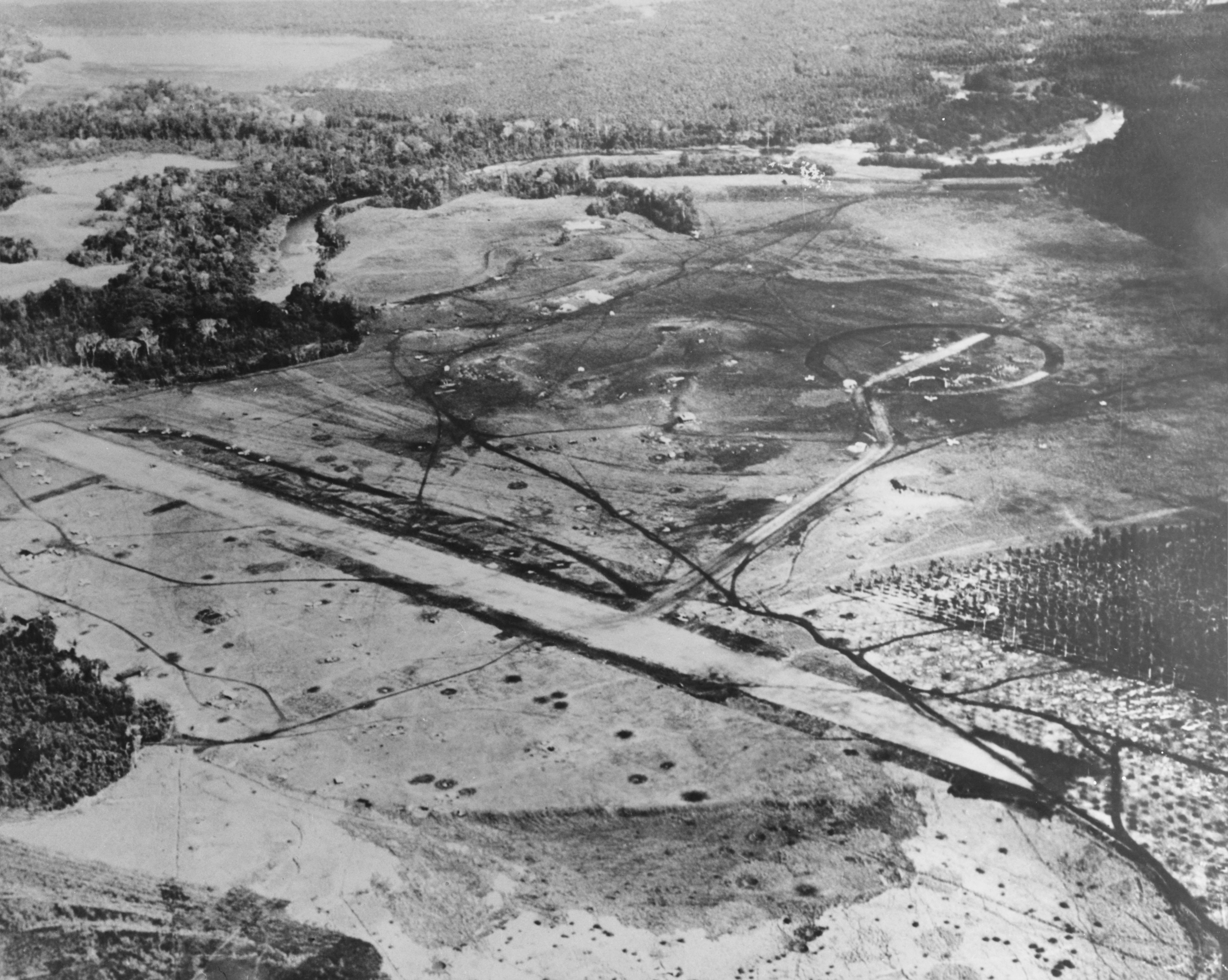
Henderson Field: 6,000 Marines, One Muddy Airstrip, and the Weight of the Whole Pacific
Henderson Field was not just a tactical objective — it became a symbol. As long as the Marines held it, America was still in the fight. The Japanese understood this and came in waves: the savage close-quarters fighting at the Tenaru River, the desperate night battle at Bloody Ridge, the massive October offensive that came within a whisker of breaking through.
Lieutenant Colonel Lewis "Chesty" Puller and his Marines held Bloody Ridge in the kind of fighting that the name makes no effort to disguise. Supporting them was the scratch collection of pilots known as the Cactus Air Force, flying worn-out, barely serviceable aircraft from a battered airstrip under near-constant shelling.
Every Japanese assault that failed cost them irreplaceable veteran pilots and elite infantry. Losses Japan could not sustain at that rate. Yet the Marines were always — always — one major breakthrough away from total collapse. That tension lasted for months.
He Was Both Saviour and Scapegoat. What Do We Really Know About Admiral Ghormley?
Vice Admiral Robert Ghormley commanded the South Pacific theatre during the critical early phase of Guadalcanal and was relieved of command in October 1942. History has not been particularly kind to him.
Was his caution a failure of nerve — a commander who could not summon the will to fight through an impossible situation? Or was he accurately reporting a genuine crisis to Washington and simply became the convenient scapegoat when the bill came due?
His replacement, the aggressive "Bull" Halsey, immediately transformed morale across the theatre. Halsey gets most of the credit for what followed. But the harder question is this: would there have been anything left to save if Ghormley had not held the line through the darkest weeks? Cautious realist, or dangerous liability — which side do you come down on?
The Sea Battles Nobody Remembers — But That Actually Decided Everything
When Guadalcanal gets all the glory, who remembers the savage naval battles fought around it almost every single night? The channel between the islands — nicknamed "the Slot" — became a nightly killing ground as Japanese destroyers ran the Tokyo Express resupply missions under cover of darkness.
Seven major naval engagements in six months: Savo Island, Cape Esperance, Santa Cruz, the Naval Battle of Guadalcanal. More American sailors died in those waters than Marines died on the island itself. The losses on both sides were catastrophic.
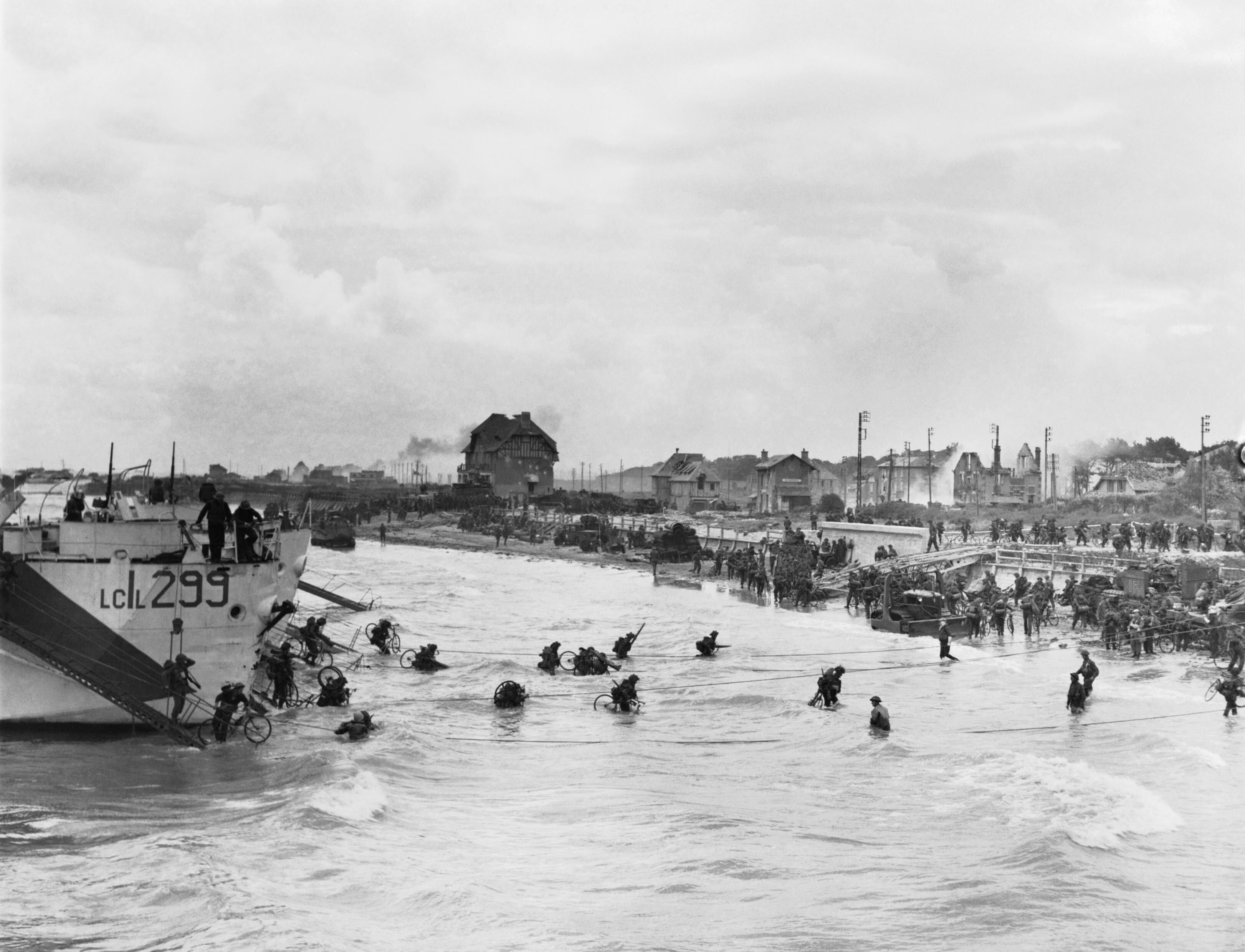
Yet Japan faced a brutal arithmetic problem. Every ship sunk, every veteran aviator lost, was harder to replace than the American equivalents rolling out of US shipyards and training programmes. The sea campaign is arguably where Japan truly lost Guadalcanal — long before the last Japanese soldiers slipped away into the darkness in February 1943. Just as the naval dimension at Omaha Beach shaped everything that happened on the sand, so it was the waters around Guadalcanal that ultimately decided the island's fate.
Some Say Midway Broke Japan's Back. Others Say It Was Guadalcanal. Which Side Are You On?
The case for Midway is powerful: four fleet carriers sunk, Japan's offensive air power permanently crippled in a single afternoon. Without Midway, Japan might well have had the carrier strength to reinforce Guadalcanal decisively, and the outcome there could have been very different.
But the case for Guadalcanal runs deeper than most people acknowledge. Japan's elite ground forces were bled out on that jungle island. Veteran naval aviators — men who had trained for years and who could not simply be replaced — were lost in unsustainable numbers. The strategic initiative passed permanently to the Allies. And tellingly, it was Japanese commanders themselves who later cited Guadalcanal as the moment they privately understood they could not win the war.
Neither argument has a clean answer, which is precisely what makes it worth arguing about. The men who survived that island — like the jungle fighters in other forgotten campaigns of that war — knew something the history books sometimes miss: the gap between victory and catastrophe was often terrifyingly narrow.