December 16, 1944. While most Americans dreamed of Christmas at home, Hitler unleashed his final desperate gamble through the snow-covered Ardennes forest. What followed would become the largest battle American forces fought in World War II—and arguably their finest hour.
Eisenhower was Strategic - But Patton was the Scrapper. Which Commander Saved Bastogne?
Hitler's surprise offensive hit like a sledgehammer through ice. A quarter million German troops smashed through thin American lines, creating a 50-mile bulge in Allied defenses that gave this battle its name.
Supreme Allied Commander Eisenhower remained characteristically measured, calling emergency conferences and coordinating responses across multiple fronts. But George Patton? He was already sketching attack plans on the back of an envelope, promising to wheel his entire Third Army northward in 48 hours—something military experts called impossible.
While Ike managed the big picture, Patton saw the kill shot. The fate of thousands of surrounded paratroopers at Bastogne hung in the balance, and only one commander had the audacity to promise their salvation.
When Everyone Talks About D-Day Glory, Who Remembers the Frozen Hell of the Bulge?
D-Day gets the Hollywood treatment, but the Ardennes? That was where American boys learned what real war looked like.
The green 106th Infantry Division—fresh-faced kids who'd barely finished training—got annihilated in the opening hours. These weren't the seasoned veterans of Normandy. These were teenagers from Iowa and Ohio, shivering in inadequate winter gear as German panzers rolled over their positions.
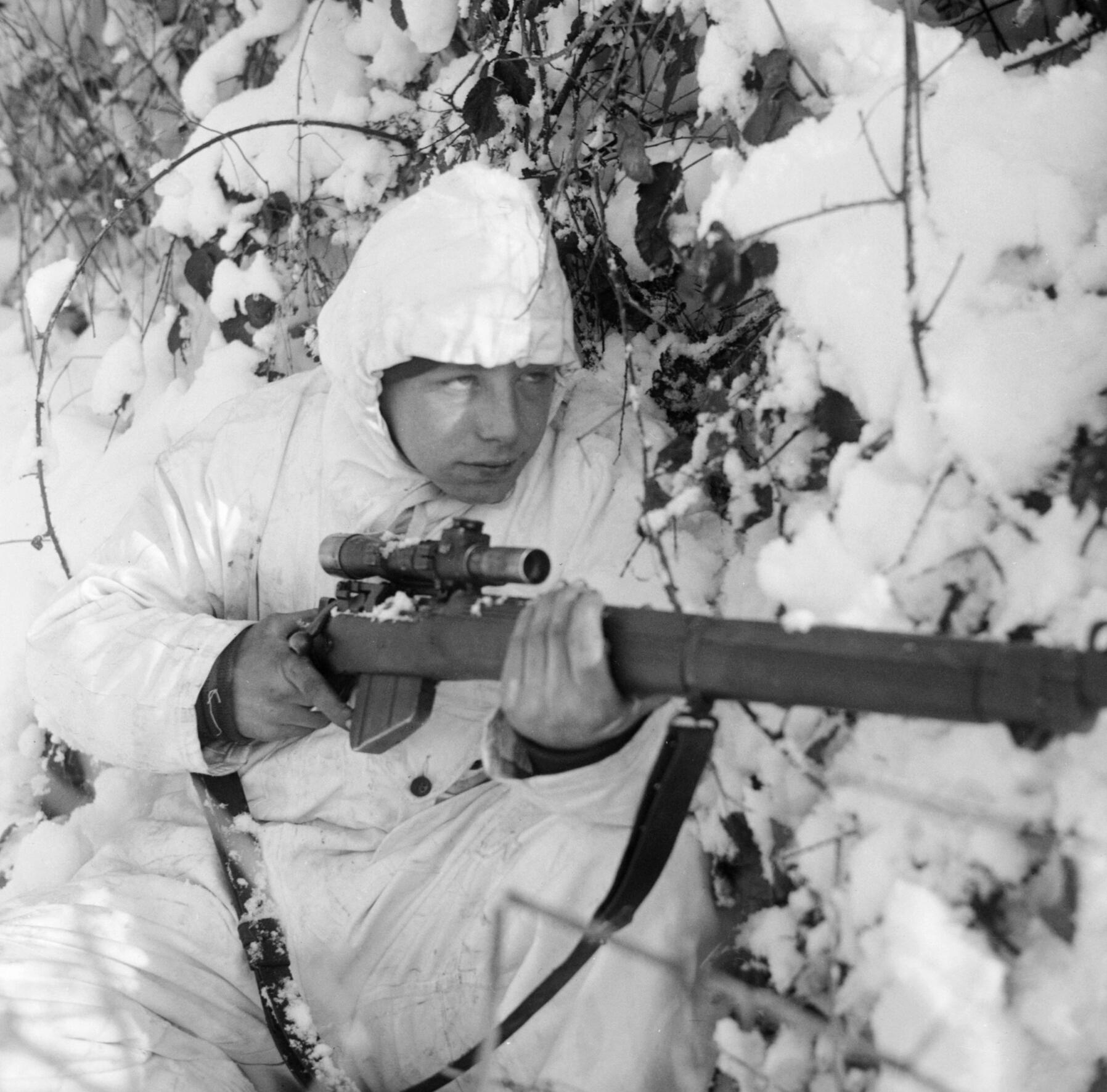
Sub-zero temperatures froze rifle bolts solid. Frostbite claimed as many casualties as German bullets. Men who'd never seen combat found themselves fighting for their lives in waist-deep snow, learning the brutal mathematics of survival one frozen foxhole at a time.
The One Word That Defined American Defiance
Surrounded at the crucial crossroads town of Bastogne, the 101st Airborne faced impossible odds. German forces outnumbered them five-to-one, artillery pounded their positions around the clock, and supplies dwindled to nothing.
When German commanders sent surrender demands, Brigadier General Anthony McAuliffe's response became legend: "Nuts!"
This wasn't just bravado—Bastogne controlled seven major roads leading west toward Antwerp. If the Germans captured this junction, their panzers could split Allied forces and potentially reach the sea. The paratroopers understood what hung in the balance, even if they couldn't say it as eloquently as their general.
Hitler's Desperate Mathematics: Could This Gamble Have Actually Worked?
Hitler's plan wasn't completely insane—just mostly insane. He'd correctly identified the Ardennes as the weakest point in Allied lines, and winter weather grounded the overwhelming Allied air power that had been crushing his forces.
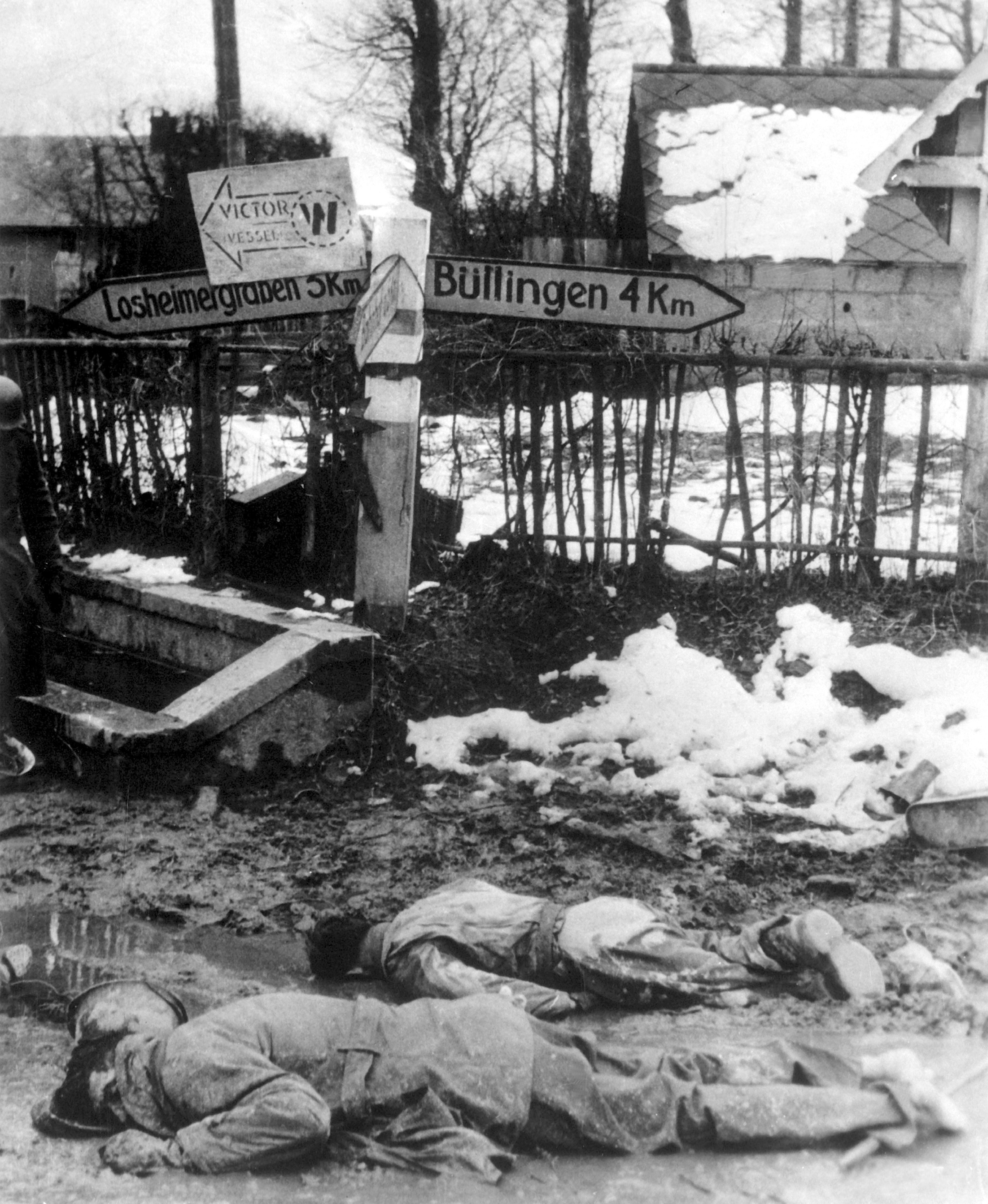
But the Führer's calculations ignored brutal realities. His panzer divisions ran out of fuel halfway to their objectives, leaving massive Tiger tanks abandoned in Belgian villages. Worse, he'd bet everything on American forces cracking under pressure—the same Americans who'd already proven their mettle from Normandy to the Rhine.
Germany's last reserves were being fed into a meat grinder, and Hitler seemed to be the only one who couldn't see it.
Patton's Impossible Promise: 48 Hours to Save Bastogne
On December 19th, Patton stood before Eisenhower and promised something that violated every principle of military logistics: he'd pivot his entire Third Army ninety degrees north and relieve Bastogne within 48 hours.
Moving 250,000 troops through winter storms across a hundred miles of enemy territory? His own staff thought he'd lost his mind. But Patton had already issued movement orders before the meeting ended.
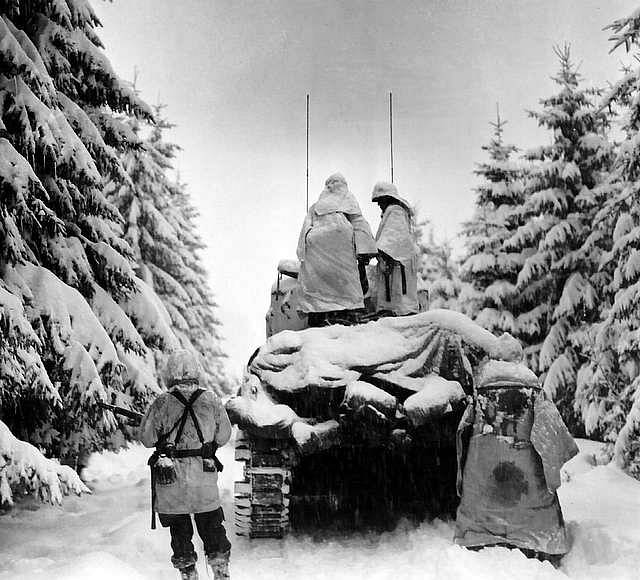
Tank crews fought through blizzards and German roadblocks, following compass bearings when roads disappeared under snow. On December 26th, lead elements of the 4th Armored Division smashed through German lines around Bastogne. Patton had kept his impossible promise.
The Price of Hitler's Last Roll of the Dice
By January 1945, the bulge had been eliminated, but the cost was staggering. Germany lost 100,000 irreplaceable veterans and the last of their modern equipment. American casualties reached 75,000—but unlike the Germans, American losses could be replaced.
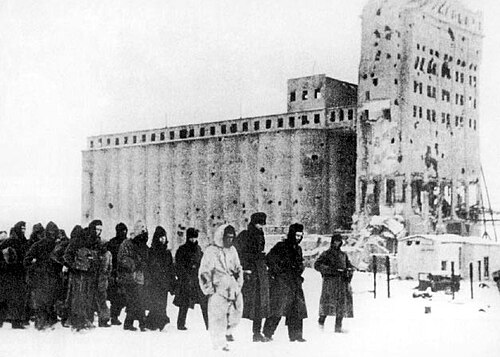
Veterans on both sides carried psychological scars that never healed. German prisoners spoke of watching their last hopes freeze to death in Belgian forests. American survivors remembered comrades who simply disappeared into the snow, their bodies not found until spring thaw.
Hitler's gamble had accelerated Germany's collapse by months, bleeding away the final reserves that might have prolonged the war into 1946.
Were American Commanders Caught Sleeping, or Did They React Brilliantly Under Pressure?
Intelligence failures were real—nobody saw this massive German buildup coming. But once the shooting started, American leadership responded with remarkable speed and flexibility.
Within hours, Eisenhower was shifting divisions across hundreds of miles. Patton executed his impossible ninety-degree turn. Even green units that got mauled initially learned fast enough to slow German advances.
The Battle of the Bulge proved that American forces had evolved far beyond the hesitant troops who'd stumbled through early North African campaigns. This wasn't just about superior numbers or equipment—it was about a military that had learned to adapt, improvise, and fight back when everything went wrong.
What strikes you most about the Battle of the Bulge—Patton's audacious relief of Bastogne, or the incredible resilience of those surrounded paratroopers?