When the Royal Navy warships thunder across the English Channel in every Dunkirk documentary, the cameras love those grey destroyers cutting through the waves. But what about the fishing smacks and motor yachts that actually saved more lives? The weekend sailors who had never fired a shot in anger, yet sailed into hell anyway.
The civilian volunteers behind the Little Ships of Dunkirk
By late May 1940, over 400,000 Allied troops were pinned against the beaches of Dunkirk like sitting ducks. The German panzers had punched through French lines faster than anyone thought possible, and now the entire British Expeditionary Force faced annihilation.
The Royal Navy's cold assessment was brutally honest: with the shallow waters and constant air attacks, they could maybe evacuate 45,000 men. Churchill privately feared complete military catastrophe - losing the entire trained army that took years to build.
Then came the desperate radio call that changed everything. The Small Vessels Pool put out an urgent request to civilian boat owners across southern England: bring anything that floats to Dover, immediately.
The flotilla that defied every military manual
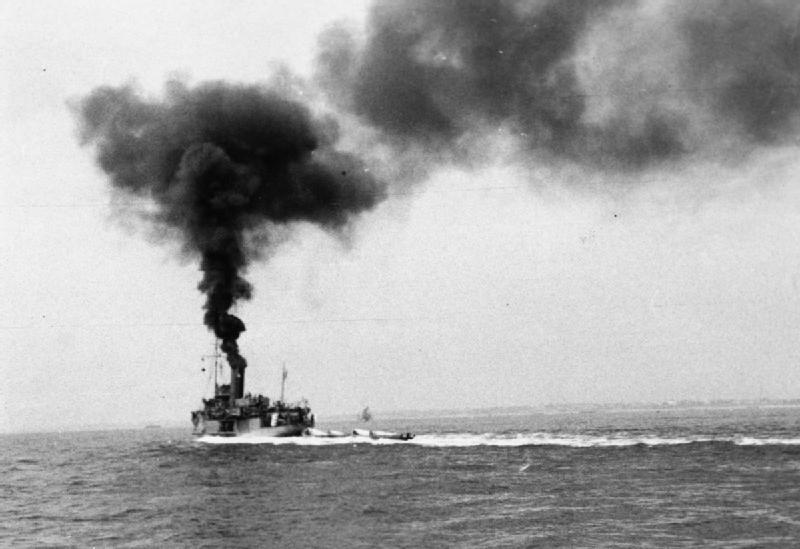
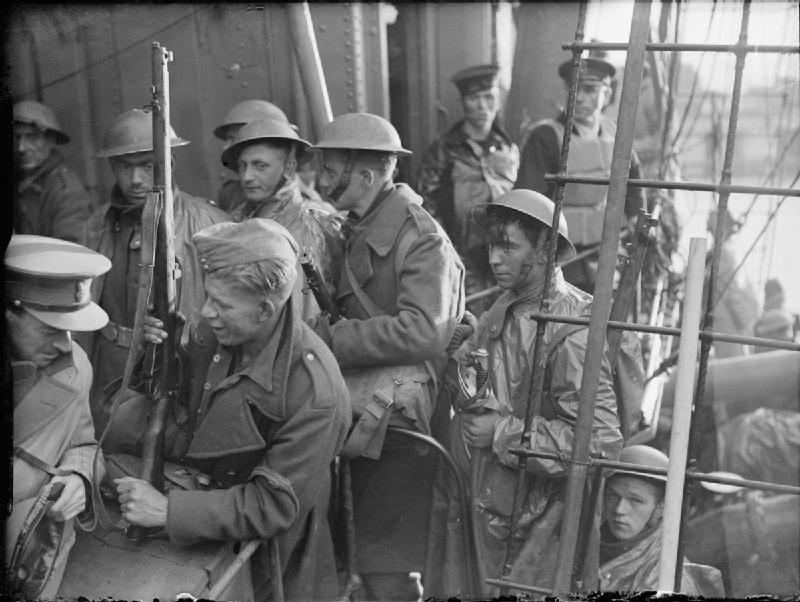
Over 700 civilian vessels answered that call - Thames barges alongside weekend pleasure boats, fishing trawlers next to motor yachts. The smallest was Tamzine, just 15 feet long and normally used for harbour trips.
These weren't hardened naval crews. Yacht club commodores who'd never heard a shot fired in anger sailed alongside fishermen who knew rough seas but not Stuka dive bombers. Shopkeepers and bank clerks suddenly found themselves navigating minefields.
Military strategists called it madness. Untrained civilians in unarmoured boats heading into a combat zone? It violated every principle of naval warfare. But desperate times demanded desperate measures.
Charles Lightoller was a Titanic survivor - but at Dunkirk, he was something else entirely
At 66, Charles Lightoller should have been tending his garden, not taking his yacht Sundowner into a war zone. The former White Star Line officer who helped save lives when Titanic sank now faced a different kind of disaster.
Lightoller's yacht was designed for 21 passengers. He packed 130 exhausted soldiers below decks, their kit and weapons stowed wherever they'd fit. His White Star Line training never covered guerrilla warfare tactics, yet he adapted faster than officers half his age.
He wasn't alone. Bank manager Charles Herbert Appleton sailed his motor yacht into machine gun fire. Retired captain William Cubitt brought his converted lifeboat. Weekend sailors became unlikely warriors overnight.
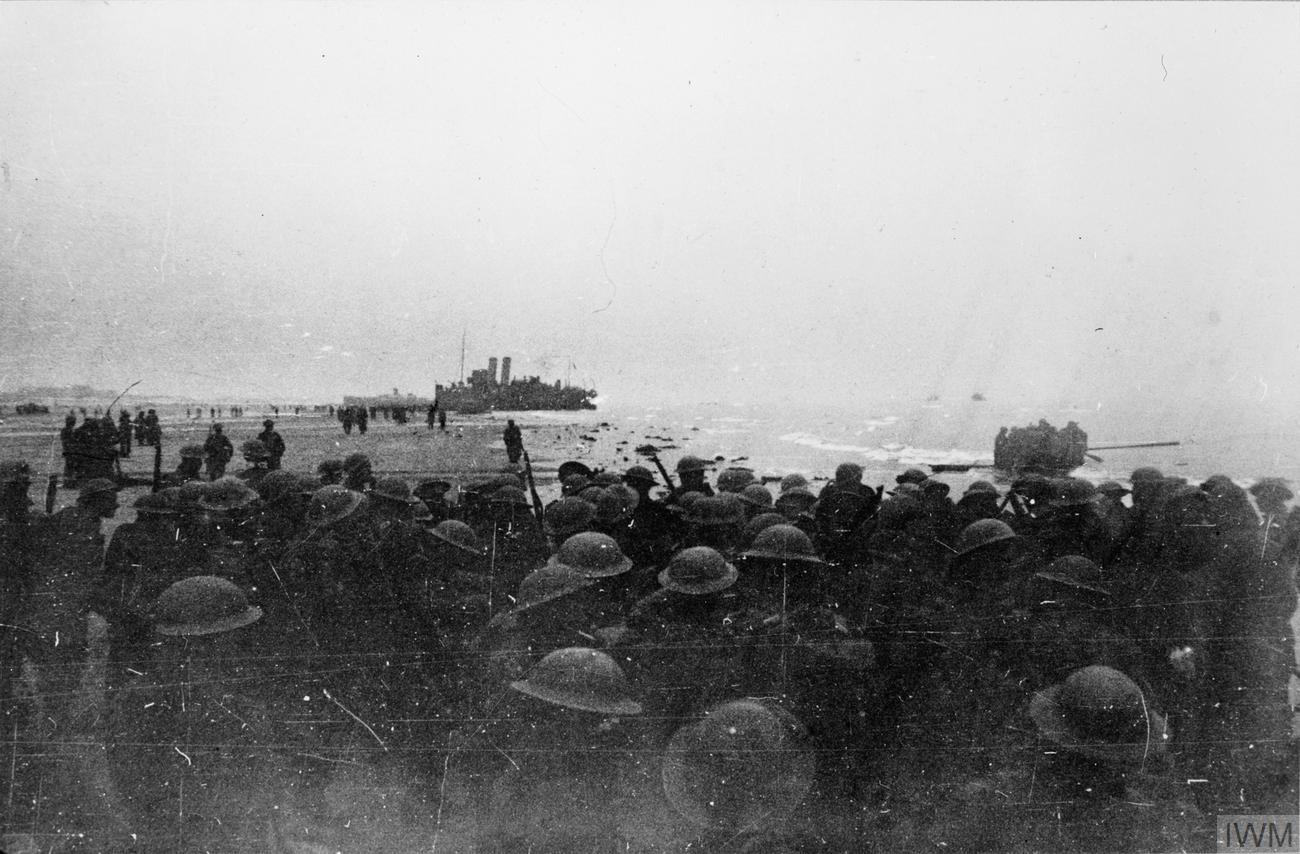
The beach that became Britain's most desperate hour
Picture Dunkirk's beaches in those final days: endless queues of soldiers standing neck-deep in cold water, waiting hours for rescue. Many couldn't swim, watching helplessly as boats departed without them.
Stuka dive bombers screamed down repeatedly, turning the sand into killing fields. Bodies washed back and forth in the surf while fresh troops took their places in the water.
This is where the little ships proved invaluable. While Royal Navy destroyers sat in deeper water, these shallow-draft civilian boats could reach right up to the beach. Soldiers could wade out and climb aboard rather than swimming to their deaths.
Were these civilian sailors reckless amateurs, or the saviours of democracy?
The Royal Navy initially resisted using civilian boats. Untrained crews would panic under fire, they argued. Amateur navigation would cause collisions and chaos.
They weren't entirely wrong. Over 200 civilian vessels were lost - some to bombs, others to running aground, many simply overwhelmed by German firepower. The casualty rate among little ships was staggering.
Yet these amateur crews learned naval warfare in real-time. They improvised rescue techniques, coordinated with military vessels, and kept coming back trip after trip. Their courage saved enough trained soldiers to rebuild Britain's army when it mattered most.
The numbers that military historians don't want you to debate
Operation Dynamo officially evacuated 338,226 men - seven times more than the Navy's initial estimate. But breaking down who rescued whom gets complicated fast.
Royal Navy destroyers moved the bulk of troops from harbor moles to England. Yet little ships ferried thousands from beaches to larger vessels, making those destroyer runs possible. Without civilian boats reaching shallow waters, hundreds of thousands would have drowned or surrendered.
The post-war myth-making machine sometimes overshadowed harsh realities. Some veterans felt the 'miracle of Dunkirk' narrative glossed over their genuine suffering and the military defeat that necessitated evacuation in the first place.
The legacy question that splits military historians
Was Dunkirk a brilliant evacuation or a military defeat disguised as victory? The little ships story became central to British wartime identity - proof that ordinary people could achieve extraordinary things when freedom hung in the balance.
Many of those original boats survive today, lovingly restored by enthusiasts who understand their historical significance. Yet this model of civilian courage supporting military operations was never replicated in later conflicts like the Falklands War or other British campaigns.
Perhaps that's what makes Dunkirk's little ships so remarkable - not just their courage in 1940, but how unique their contribution remains in military history.
What strikes you most about the little ships story - the civilian courage or the military necessity that demanded such desperate measures?