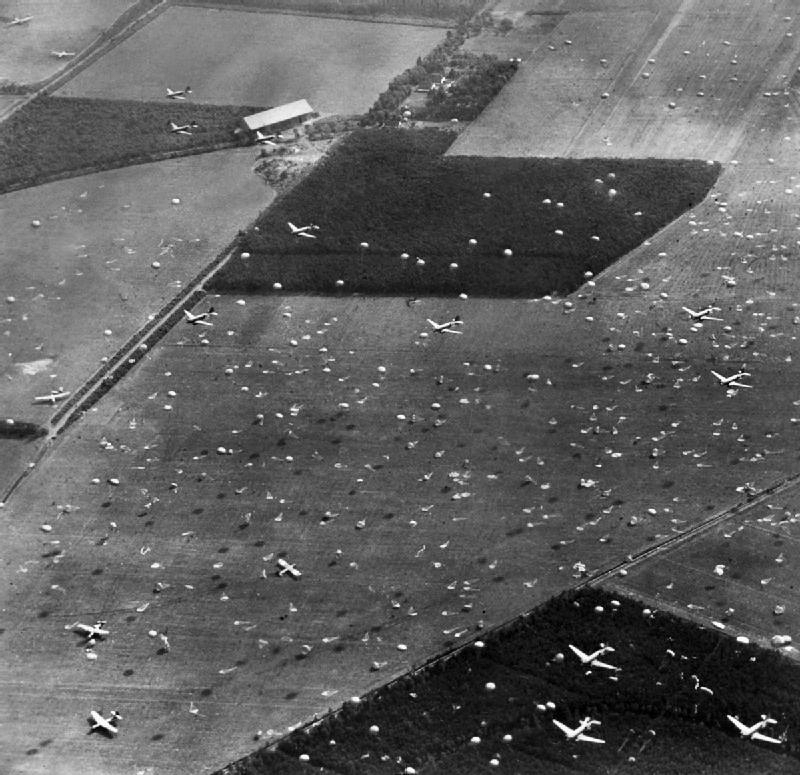
Montgomery was ambitious, brilliant even. But launching 35,000 paratroopers into the heart of Nazi-occupied Holland? That took audacity bordering on madness.
In September 1944, Churchill's pressure to end the war by Christmas had reached fever pitch. The Allied advance had stalled, and political patience was wearing thin. Enter Field Marshal Bernard Montgomery with Operation Market Garden — a plan so bold it would either shorten the war by months or cost thousands of lives trying.
Montgomery was ambitious - but was his Market Garden plan brilliant strategy or reckless gamble?
Picture this: drop three entire airborne divisions behind German lines to capture a string of bridges across Holland. Then send XXX Corps racing up a single highway to link up with them. Simple, right?
Not according to Omar Bradley and other seasoned commanders. They saw what Montgomery refused to acknowledge — this wasn't France in June 1944. The Germans had reorganized, their defensive lines had hardened, and intelligence suggested something far more dangerous than Monty's planners admitted.
The contrast was stark. While Montgomery projected unwavering confidence in London briefing rooms, frontline reconnaissance was painting a very different picture of what waited in Holland.
The Red Devils at Arnhem: 1st Airborne Division's Stand
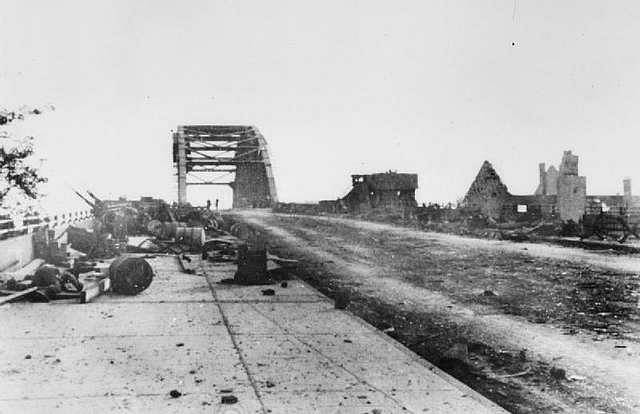
The 1st Airborne Division landed with an impossible mission: seize and hold Arnhem bridge until relief arrived. Major John Frost's 2nd Battalion made it to the north end of that bridge — and there they stayed.
Outnumbered ten to one, facing SS Panzer divisions with nothing but rifles, Bren guns, and sheer bloody-minded determination, these Red Devils held their ground for four days. While Dunkirk's evacuation gets remembered as Britain's finest hour, Frost's stand at Arnhem deserves equal recognition.
These weren't fresh recruits — they were battle-hardened paratroopers who'd fought from North Africa to Sicily. They knew what they faced, and they held anyway.
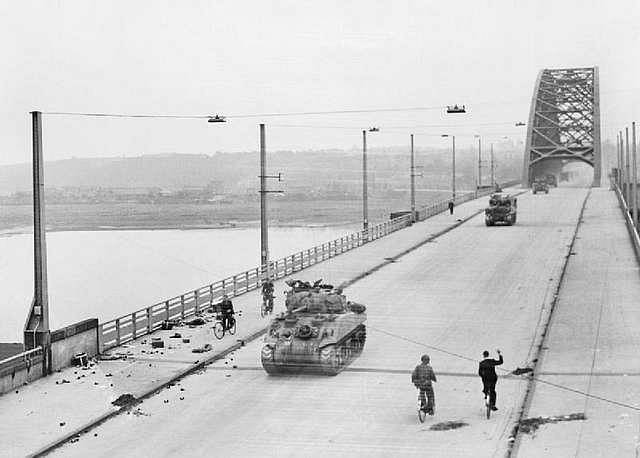
The fatal flaws that doomed 10,000 British paratroopers
Intelligence failures plagued Market Garden from the start. Two SS Panzer divisions — the 9th and 10th — were refitting near Arnhem. Reconnaissance photos showed the tanks clearly, but commanders dismissed them as "probably unserviceable."
Radio communications collapsed almost immediately. Different units operated on incompatible frequencies, leaving battalions fighting blind while desperate calls for support went unheard.
Perhaps most criminally, drop zones were placed eight miles from Arnhem bridge itself. Eight miles through enemy territory, carrying heavy equipment, while German forces mobilized around them.
Meanwhile, XXX Corps's advance — the entire "Garden" element — stalled when a single German anti-tank gun knocked out the lead Sherman on that narrow Dutch highway.
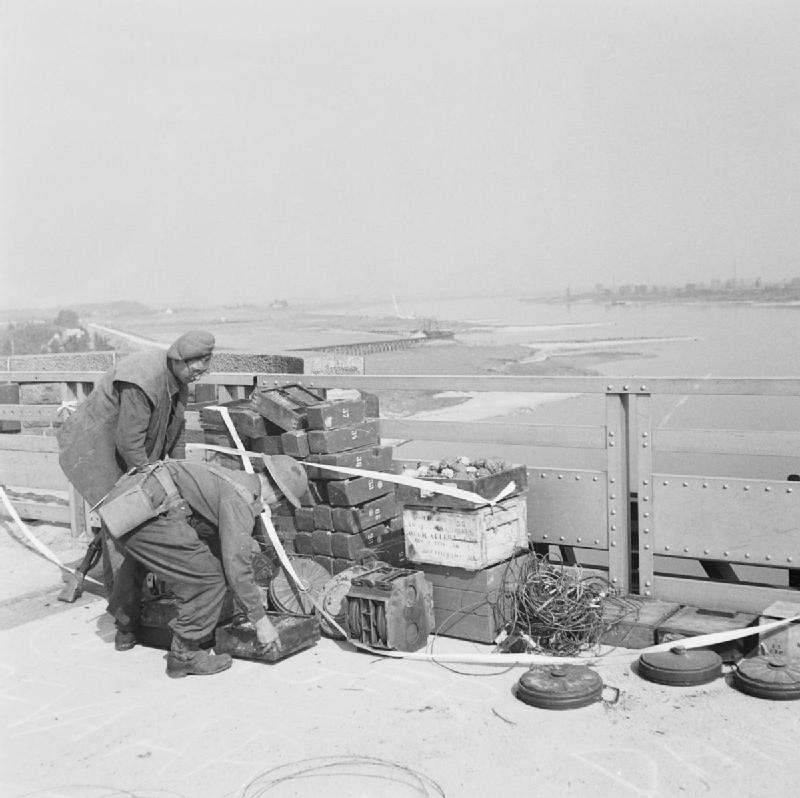
For nearly 80 years, Johnny Frost's extraordinary stand remained overshadowed
Four days. That's how long Frost and his men held the north end of Arnhem bridge, fighting from bombed-out houses with dwindling ammunition and no hope of resupply.
By the third day, Frost knew relief wasn't coming. Radio intercepts made it clear that XXX Corps was still miles away, fighting their own battles. Yet his men kept fighting, buying time they hoped might still matter.
Hollywood finally told their story in 1977's "A Bridge Too Far," but even that epic film couldn't capture the full horror and heroism of those four days. Unlike the quick victory at Midway or the desperate glory of Rorke's Drift, Arnhem was a slow-burn tragedy played out street by street.
The Dutch civilians who risked everything for British paratroopers
When the airborne operation collapsed, thousands of British paratroopers found themselves scattered across occupied Holland. Dutch resistance fighters guided them through enemy lines, while ordinary families hid wounded soldiers despite knowing the consequences.
The SS response was savage. Any Dutch family caught helping British troops faced execution. Yet the help continued, quietly, desperately, courageously.
Operation Pegasus later rescued 138 escaped paratroopers across the Rhine, but hundreds more owed their lives to Dutch civilians who chose humanity over safety.
Why Market Garden's failure changed the course of the war
Market Garden's failure added six months to the European war. Those weren't just months on a calendar — they meant the Hunger Winter that devastated the Netherlands, claiming 20,000 Dutch lives.
German resistance stiffened after successfully defeating this Allied gamble. The psychological impact rippled through Wehrmacht ranks who'd begun to believe defeat was inevitable. Like Hitler's later Bulge offensive, failed operations often strengthen the defense more than successful ones demoralize it.
Future airborne operations learned hard lessons from Arnhem's mistakes — lessons written in British blood on Dutch soil.
Were Montgomery's critics right to call Market Garden a costly mistake?
Bradley called it a "foolish adventure." Patton was characteristically blunt: "Montgomery's trying to steal the show again." But were they right, or just jealous of British audacity?
The strategic arguments cut both ways. Yes, ending the war by Christmas would have saved countless lives. Yes, the Allies needed to maintain offensive momentum. But was gambling 35,000 elite troops on a single narrow highway the answer?
Could a broader offensive across multiple fronts have succeeded where Market Garden failed? We'll never know, but the human cost versus strategic necessity debate continues to divide historians today.
What's your verdict? Was Montgomery's Market Garden a brilliant gamble that came agonizingly close to success, or a reckless adventure that wasted the cream of British airborne forces?