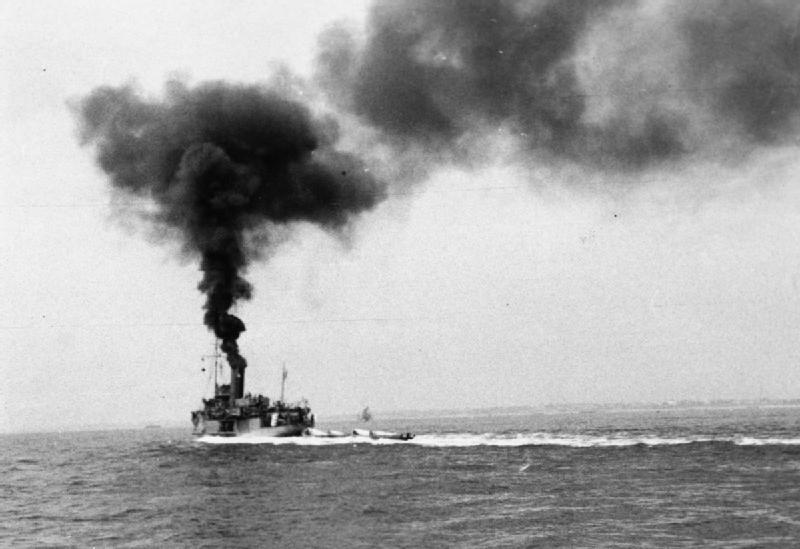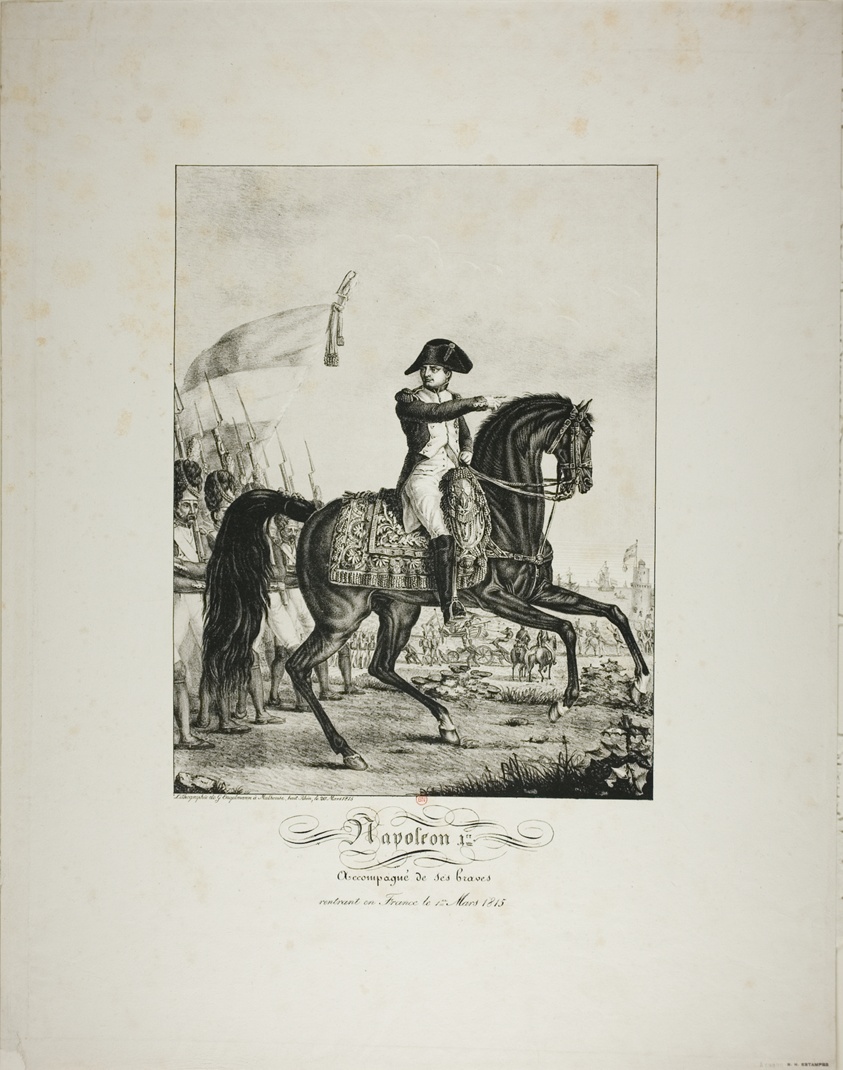
Wellington was methodical and calculating - but Napoleon was pure military genius. On June 18, 1815, these two titans would finally meet in a clash that would determine Europe's fate for the next century.
Wellington was methodical - but Napoleon was genius. Which one deserves the glory at Waterloo?
The Duke of Wellington earned his reputation through careful planning and defensive brilliance. He rarely lost because he rarely took unnecessary risks. His soldiers called him "Old Hooky" - not exactly a term of endearment, but they trusted him completely.
Napoleon, meanwhile, had conquered most of Europe through audacious attacks and lightning-quick decisions. He could read a battlefield like others read books, spotting weaknesses and opportunities in seconds.
This wasn't just another battle between great powers. It was the collision of two military philosophies - methodical British pragmatism versus French revolutionary fire. The winner would reshape Europe's balance of power for generations.
Much like Montgomery faced Rommel at El Alamein, this was personal between two commanders who understood they were fighting for their place in history.
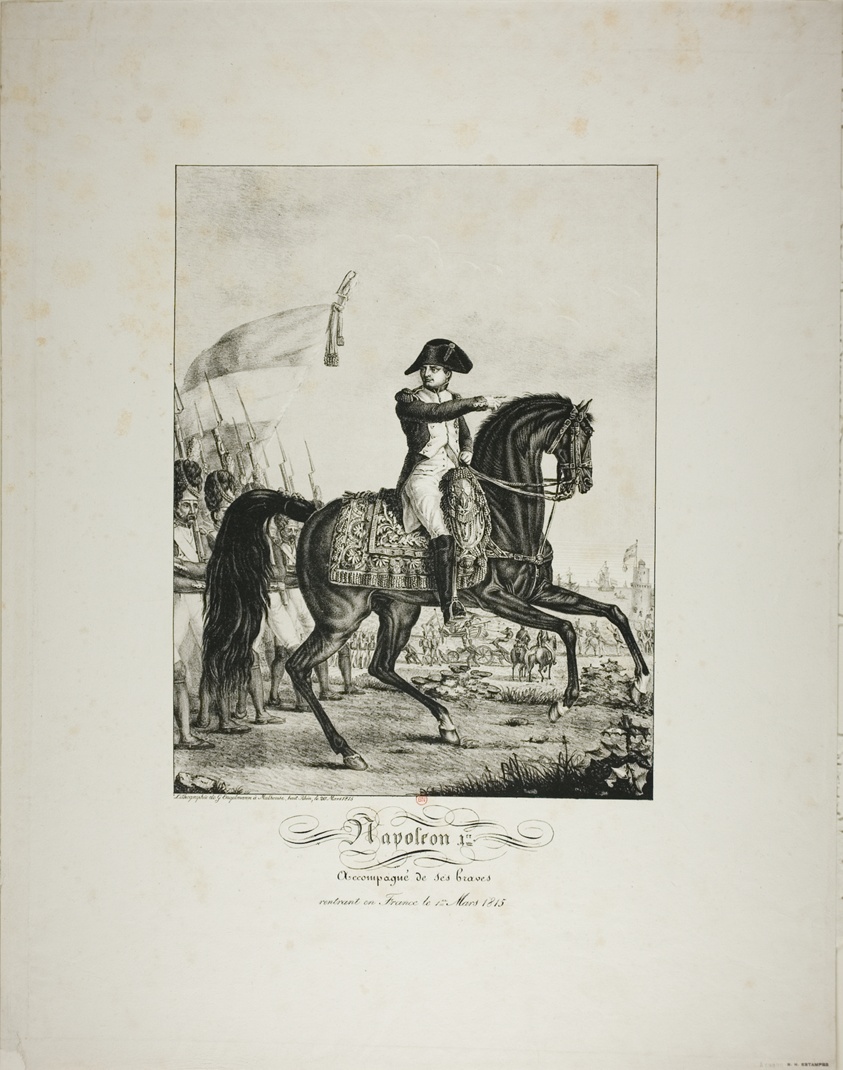
The muddy field that became Europe's graveyard
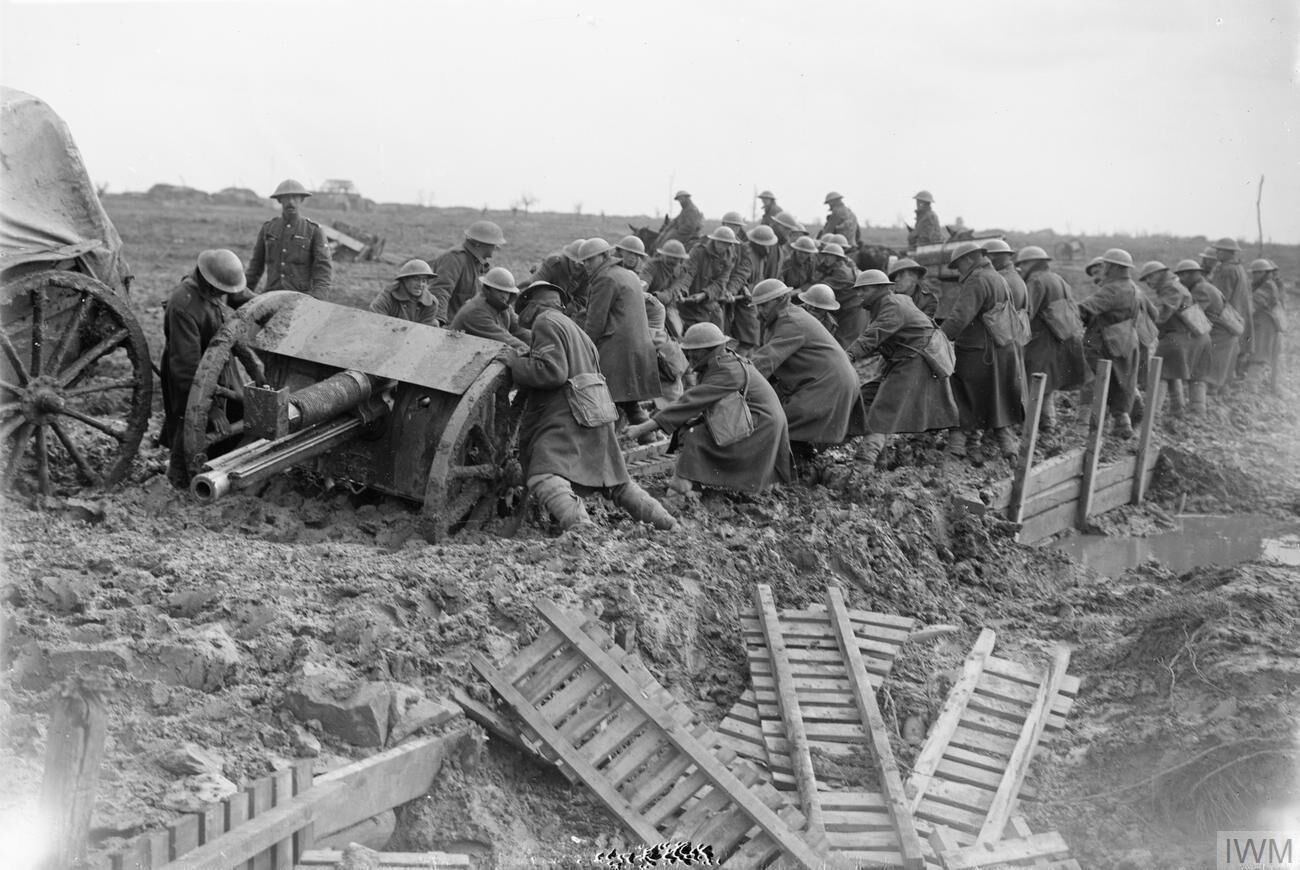
Torrential rain had turned the Belgian countryside into a muddy nightmare. Wellington's men spent a miserable night in the open, soaked and shivering. But that same rain might have saved them.
Wellington chose his defensive position brilliantly - a ridge that hid most of his troops from French artillery. The farmhouses of Hougoumont and La Haye Sainte became impromptu fortresses, their thick walls perfect for breaking French attacks.
Napoleon delayed his attack until late morning, waiting for the ground to dry. His cavalry and artillery needed solid footing. But those precious hours gave Wellington time to strengthen his positions and gave Blücher's Prussians time to march closer.
Was the delay tactical necessity or fatal hesitation? Napoleon's supporters still argue he had no choice.
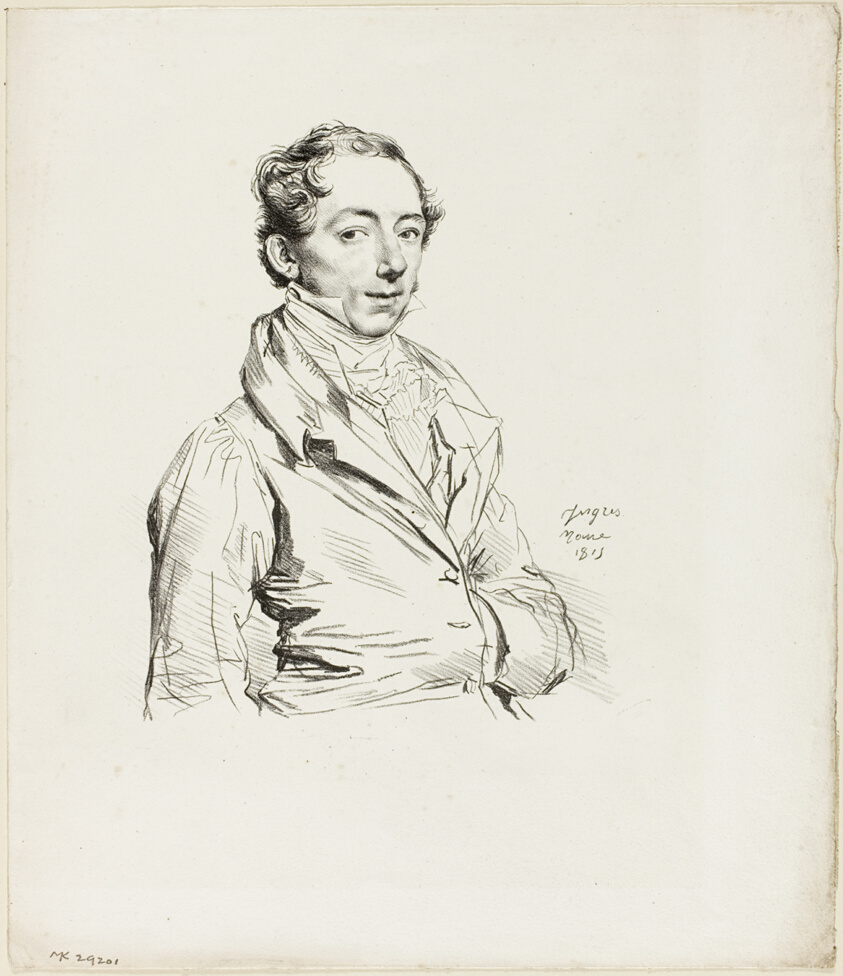
When the Old Guard charged, who really broke first?
Napoleon's veterans were the finest soldiers in Europe - battle-hardened men who'd marched from Moscow to Madrid. Wellington commanded a mixed force of British regulars, Dutch-Belgian troops of questionable loyalty, and German allies.
The French cavalry charges were magnificent and terrifying. Wave after wave of cuirassiers thundered up the ridge, their armor gleaming despite the mud. Wellington's infantry formed squares - bristling hedgehogs of bayonets that horses wouldn't charge.
For hours, these squares held firm under artillery bombardment and repeated cavalry attacks. British discipline was legendary, but this was stubbornness taken to heroic extremes. Men stood shoulder-to-shoulder while their friends died beside them.
The French artillery, Napoleon's favorite weapon, couldn't break the line. The muddy ground absorbed much of the cannonball impact, and Wellington's ridge position protected his reserves.
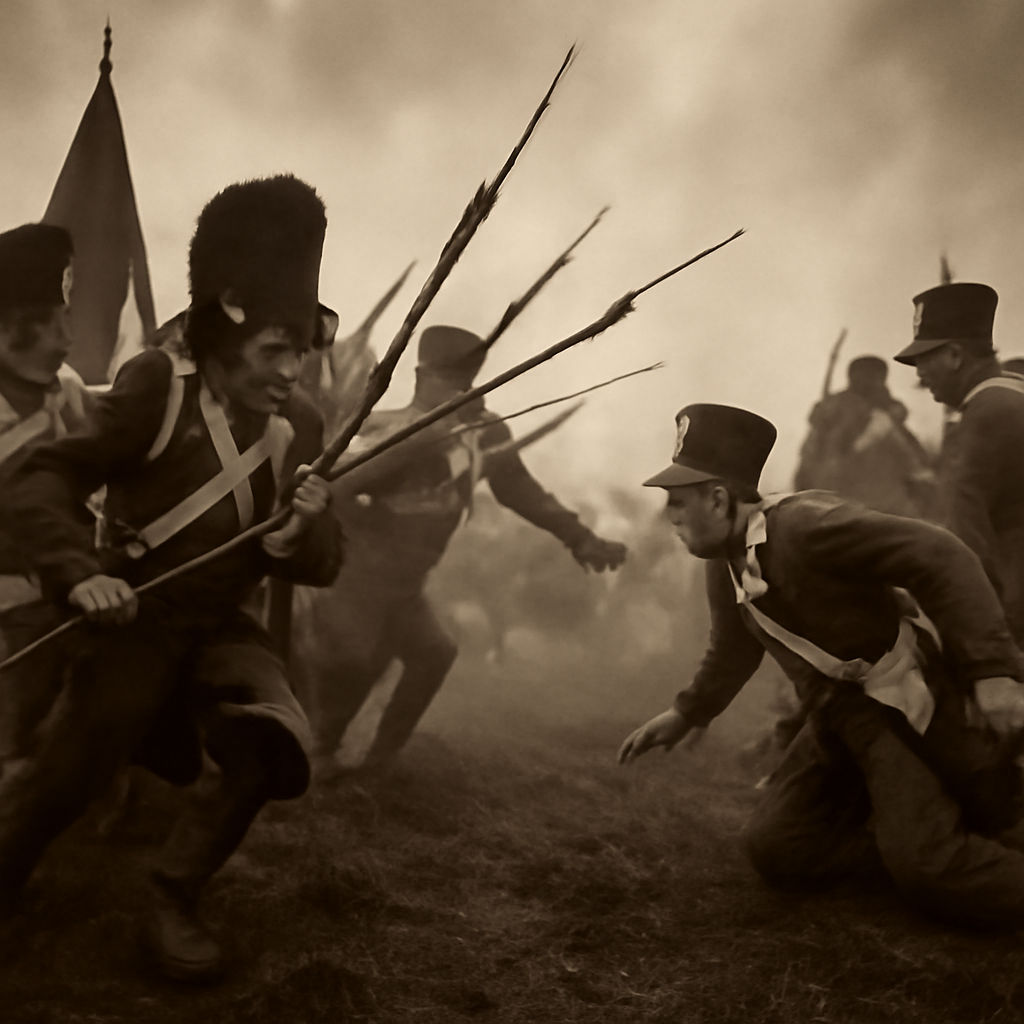
Blücher's Prussians: timely rescue or Wellington's insurance policy?
Wellington had promised to fight if Blücher promised to support him. But promises are fragile things when armies are marching through mud and Prussian reinforcements seemed hours away.
By late afternoon, Wellington's line was paper-thin. His reserves were committed, casualties were mounting, and Napoleon was preparing his final throw of the dice - the Imperial Guard's attack.
Napoleon fatally miscalculated Prussian speed and determination. Blücher's forces began appearing on the French right flank just as the Imperial Guard advanced. Suddenly, Napoleon faced enemies on two fronts.
The pincer movement that followed sealed the Emperor's fate, much like how coordinated Allied pressure destroyed Hitler's Sixth Army at Stalingrad over a century later.
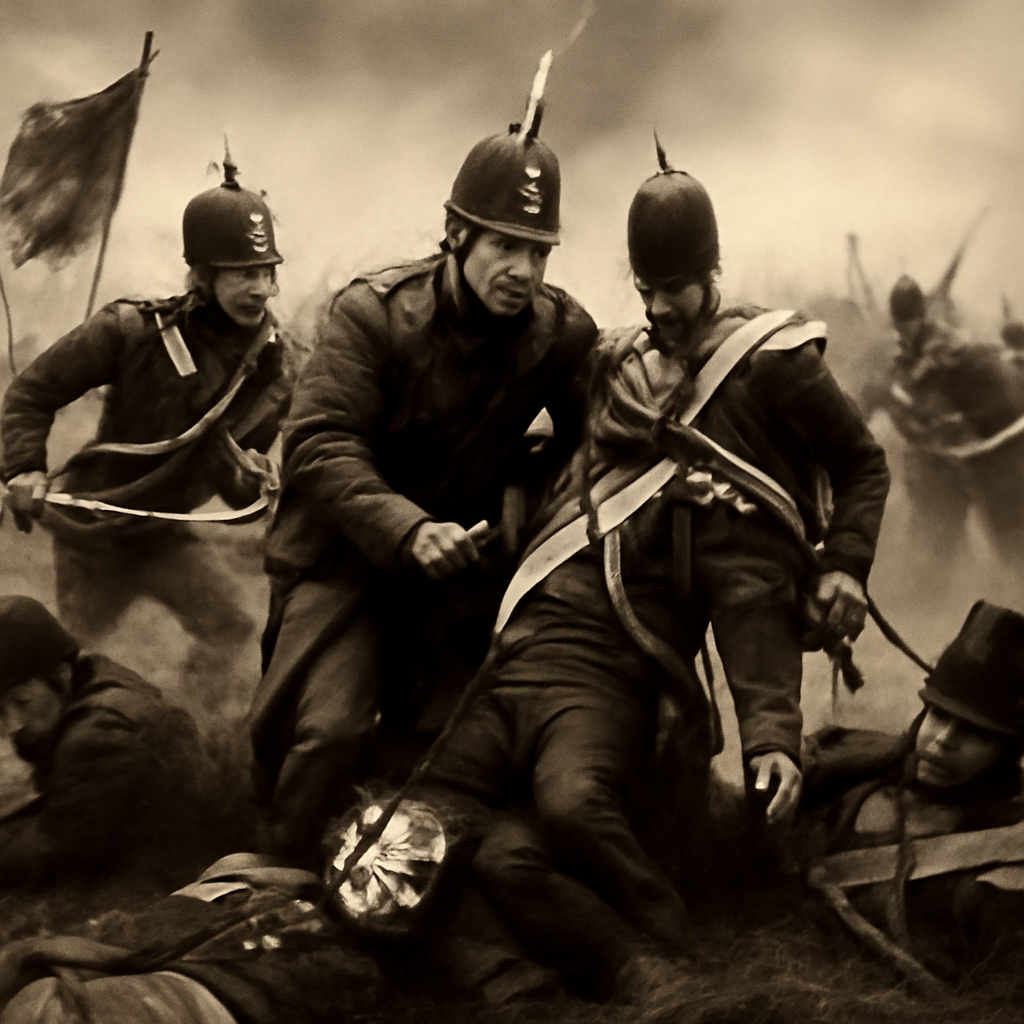
The moment Napoleon's legend died
The Imperial Guard had never retreated. These elite troops were Napoleon's personal reserve, the men who'd won battles across Europe for fifteen years. When they advanced up Wellington's ridge, they expected victory.
Instead, they met disciplined volleys from British Guards who'd been lying concealed behind the ridgeline. "Up Guards and at them!" Wellington supposedly shouted, though he later denied saying anything so dramatic.
For the first time in their history, the Imperial Guard broke and ran. Napoleon watched in horror as his unbeatable veterans fled in panic, spreading disorder throughout his army.
The Emperor himself fled the field, his legend shattered. Within days, he would abdicate for the second and final time.
Who really won Waterloo - Wellington or blind luck?
British propaganda painted Wellington as the hero who saved Europe. French historians blamed everything from weather to treachery to explain their defeat. Both sides had valid points.
Weather certainly favored the defense. Prussian arrival was perfectly timed. Allied cooperation worked better than anyone had dared hope. Remove any of these factors, and Napoleon might have won.
But Wellington earned his victory through careful positioning, stubborn defense, and nerves of steel under pressure. He kept his army together when lesser commanders would have retreated.
One battle changed European power dynamics forever. France's dominance ended, Britain's began, and the German states started their march toward unification.
The price of victory nobody talks about
Over 65,000 men were killed or wounded in a single day. The flower of European youth died for their rulers' ambitions. Soldiers' letters home describe scenes too horrific for polite society.
Captain Cavalié Mercer of the Royal Horse Artillery wrote of corpses piled "like haycocks" across the battlefield. Survivors searched among the dead for friends and brothers, often finding them beyond recognition.
Families across Britain, France, Prussia, and the Netherlands received news that would destroy their worlds. Wives became widows, children became orphans, all so Europe's great powers could settle their differences with blood.
The peace that followed lasted nearly a century, but came at a terrible price that historians often gloss over in their grand narratives.
Wellington or Napoleon - who do you think deserves more credit for how Waterloo unfolded? And was the staggering cost in human lives worth the century of relative peace that followed?