Two armies collided in the ruins of Stalingrad, and for six brutal months, they turned a single city into humanity's most savage battlefield. Street by street, room by room, sewer by sewer, German and Soviet forces tore each other apart in temperatures that could freeze a man solid where he stood. When the smoke finally cleared and the last German surrendered, something died in that frozen hell besides 280,000 Wehrmacht soldiers — Nazi Germany's myth of invincibility breathed its last breath on the banks of the Volga.
Paulus Was Methodical - But Chuikov Was Ruthless. Which General Understood Urban Warfare Better?
Friedrich Paulus arrived at Stalingrad with an impeccable reputation as the Wehrmacht's most meticulous planner. His staff work was legendary, his attention to detail unmatched. There was just one problem — he'd never actually commanded troops in battle.
Across the rubble-strewn city, General Vasily Chuikov embraced chaos like an old friend. Where Paulus saw urban warfare as a puzzle to solve methodically, Chuikov understood it as a brawl where the most vicious fighter wins. He moved his headquarters right into the front lines, sharing bunkers with his men while enemy shells crashed overhead.
Two completely different approaches to the same deadly puzzle. One would crack under the pressure of commanding a dying army. The other would thrive in hell itself, turning every ruined building into a fortress.
The Factory Workers Who Fought for Their Own Assembly Lines
While historians obsess over tank battles at Kursk, they forget the machinists who fought with rifles in one hand and wrenches in the other. Stalingrad's Red October and Tractor factories became fortresses where ordinary workers transformed into warriors on their own assembly lines.
These weren't professional soldiers — they were men who knew every pipe, every corner, every hiding spot in their workplace. When German shells punched through factory roofs, production continued in the basements. Workers welded tank parts by day and fought German infantry by night.
The Barrikady gun factory became a three-week battle that claimed thousands of lives. Workers defended the very machines they'd operated for years, turning lathes into cover and using industrial tools as weapons. Their intimate knowledge of the terrain proved more valuable than any military training.
The Sixth Army: From Wehrmacht Elite to Frozen Corpses
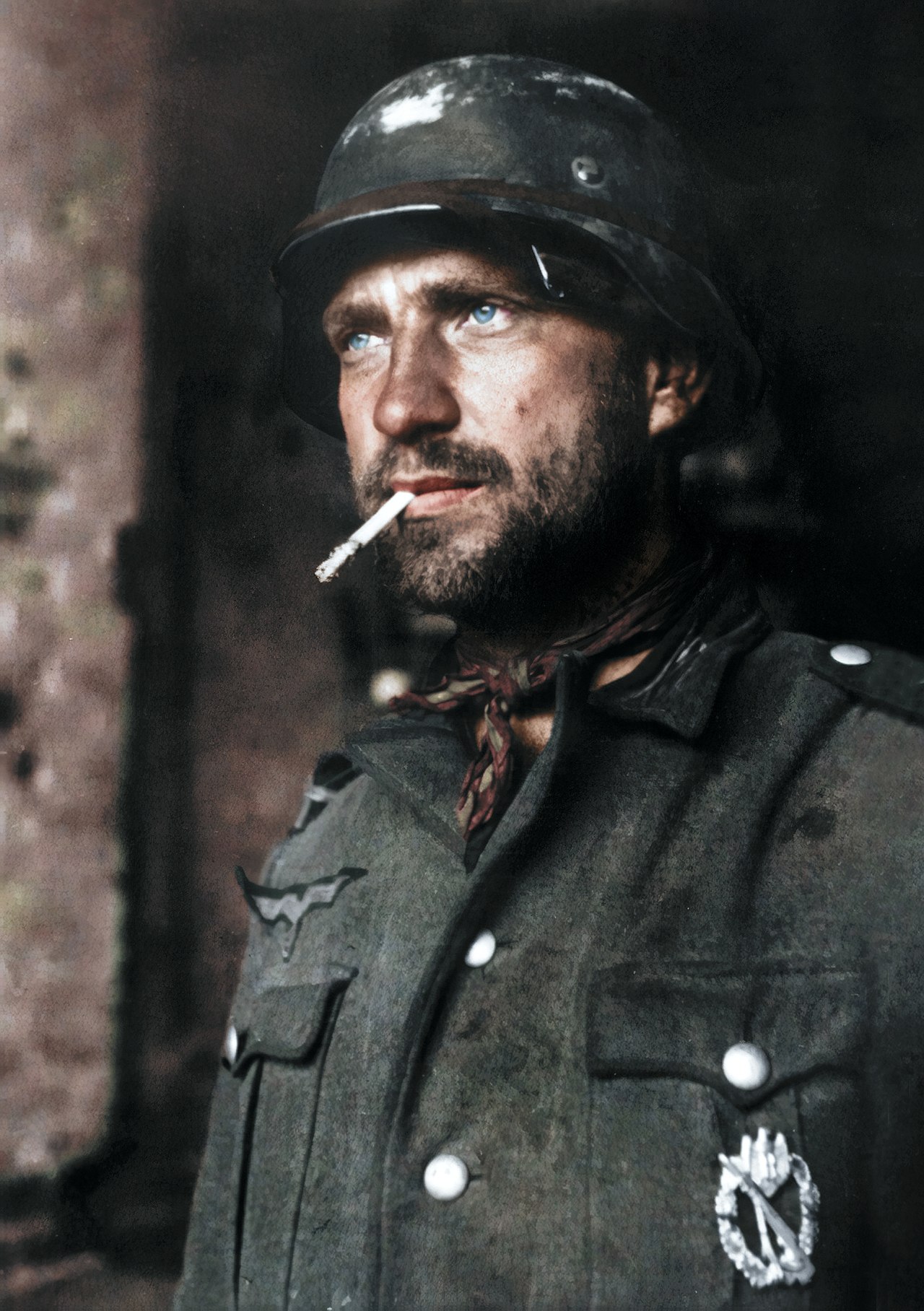
280,000 German soldiers marched toward Stalingrad in the summer of 1942, confident they were joining another unstoppable Wehrmacht victory. They were the cream of Hitler's army — veterans of France, the Low Countries, and the early victories in Russia.
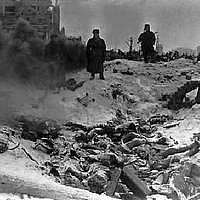
By winter, those same elite troops were eating their horses, their leather boots, and when those ran out, each other. Temperatures plummeted to -30°C while ammunition supplies dwindled to nothing. Men froze to death at their posts, their bodies becoming macabre landmarks in the urban wasteland.
The transformation was horrifying to witness. Proud Wehrmacht soldiers, once the terror of Europe, reduced to skeletal figures scavenging through rubble for scraps of food or burnable wood. Much like the desperate conditions that would later face troops in Hitler's final offensive in the Ardennes, the Sixth Army discovered that German superiority meant nothing against starvation and cold.
Room-to-Room, Floor-by-Floor: Urban Warfare's Bloodiest Lesson
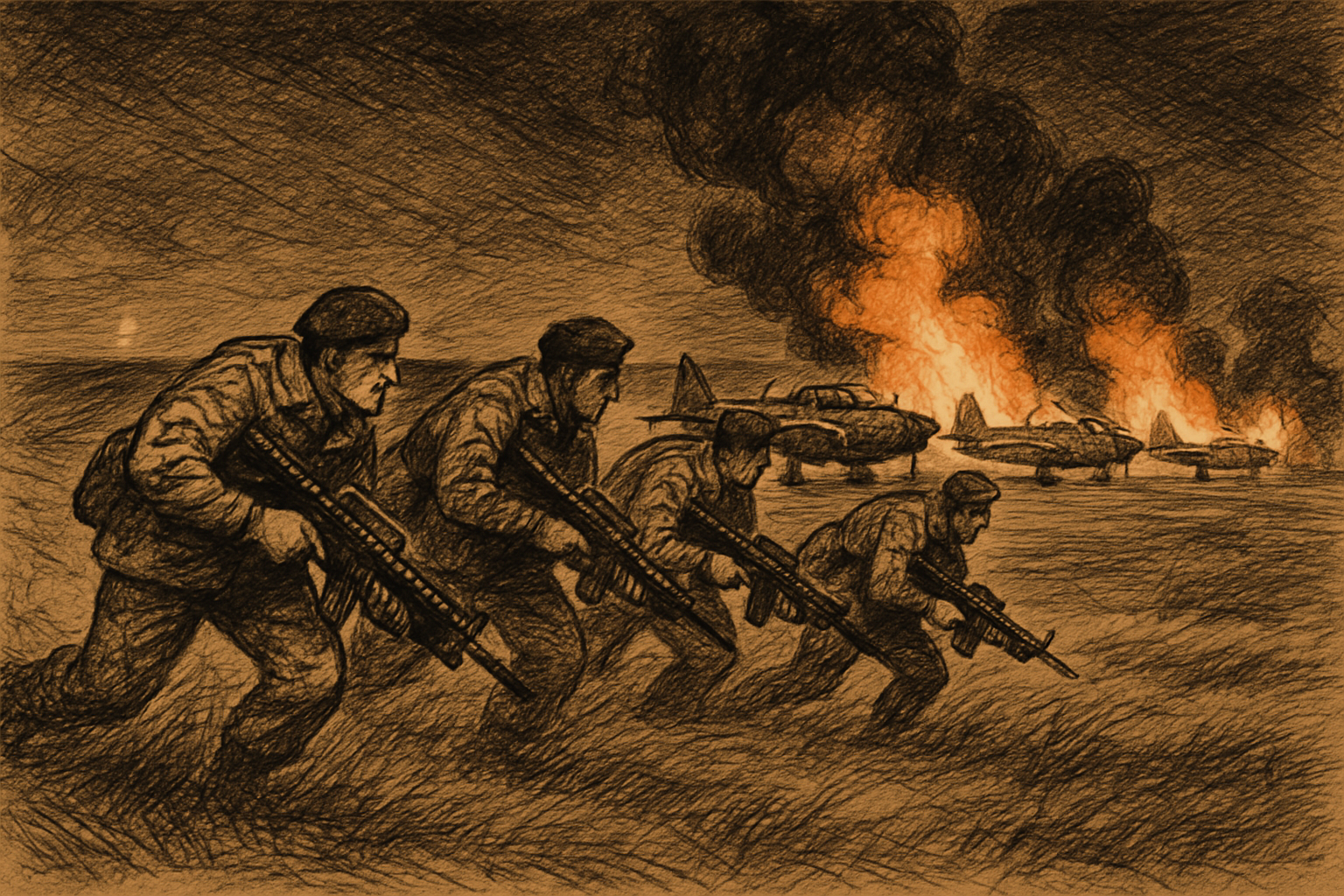
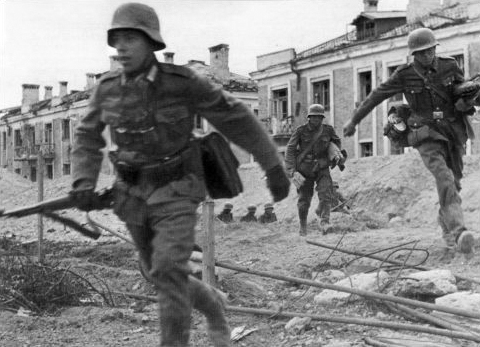
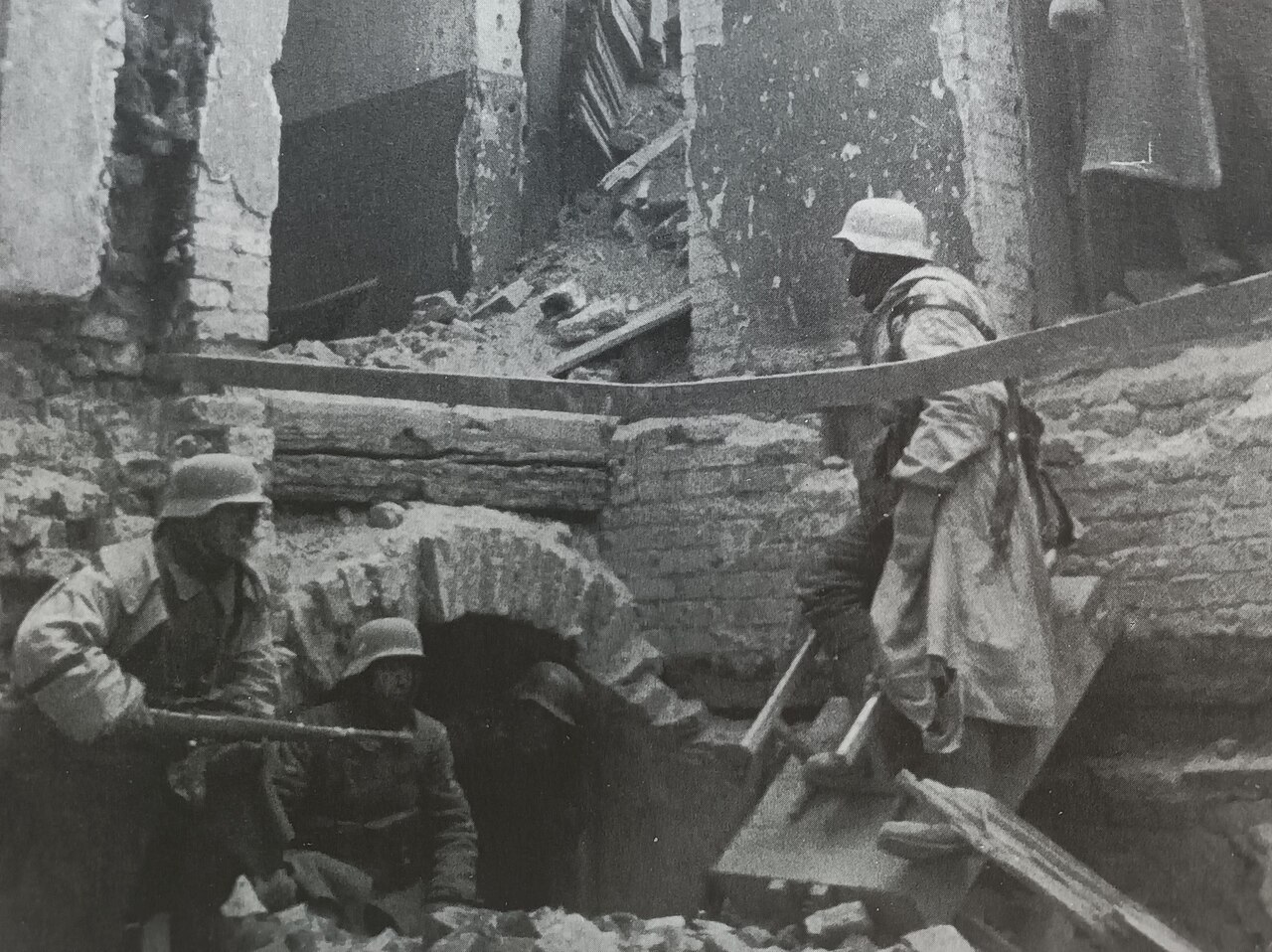
Forget grand tank charges and sweeping maneuvers. In Stalingrad, soldiers measured victory in metres, not kilometres. Snipers turned apartment buildings into concrete mazes where death lurked behind every doorway.
Hand grenades became the weapon of choice — roll one through a doorway, count to three, then rush in shooting. A single building could change hands dozens of times in a single day. The famous Pavlov's House held out for 58 days, defended by fewer than 30 men who turned a four-story apartment block into an impregnable fortress.
German soldiers, trained for rapid advances across open ground, found themselves trapped in a nightmare where the next room might contain a dozen Soviet submachine gunners. Every staircase became a killing ground, every basement a potential tomb.
Operation Uranus: The Pincer That Crushed German Dreams
While Paulus focused obsessively on capturing every building in Stalingrad, Soviet commanders prepared a masterstroke. Operation Uranus targeted the weak Romanian and Hungarian flanks protecting the German Sixth Army's rear.
In November 1942, the hammer fell. Twin Soviet attacks smashed through the overextended Axis lines, and suddenly 300,000 German soldiers found themselves completely surrounded. Hitler's refusal to allow a breakout attempt sealed their fate.
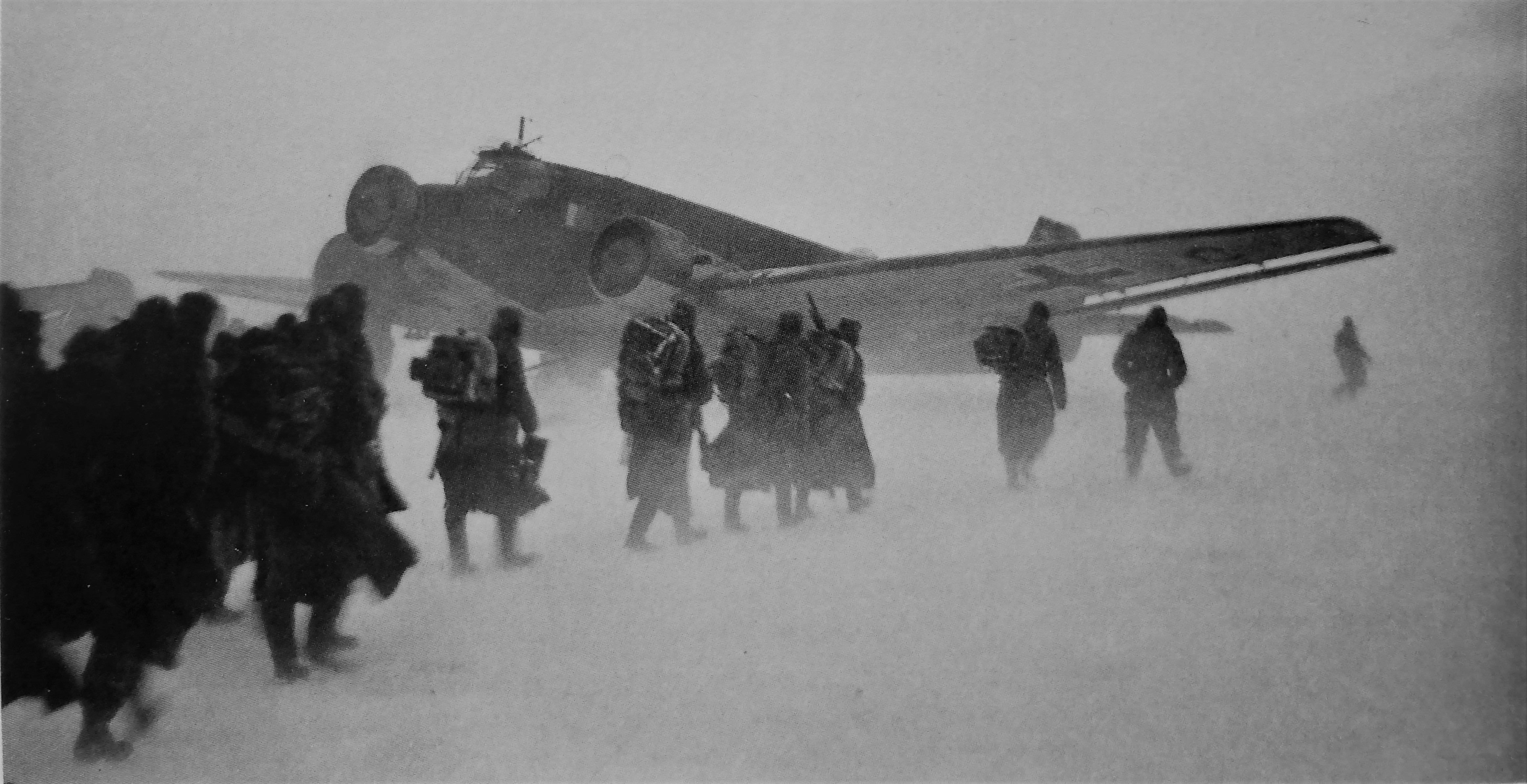
Hermann Göring promised his Luftwaffe would supply the trapped army by air — delivering 500 tons of supplies daily. Reality proved catastrophically different. At best, German transport planes delivered 100 tons per day, nowhere near enough to sustain an entire army group.
The Surrender: When Nazi Invincibility Died in the Snow
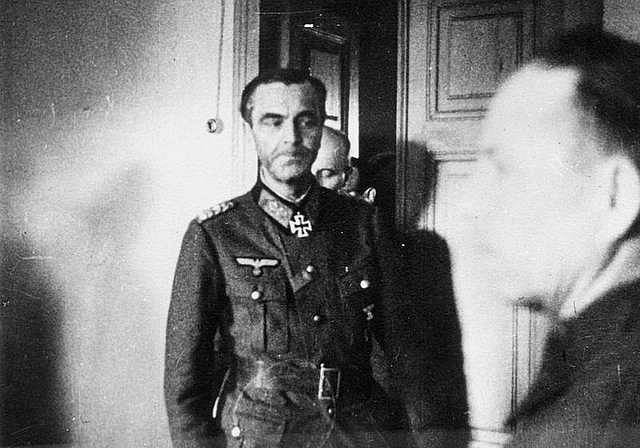
On January 31, 1943, Field Marshal Friedrich Paulus became the first German field marshal ever captured alive. Hitler had promoted him the day before, expecting him to commit suicide rather than surrender. Paulus chose survival over ideology.
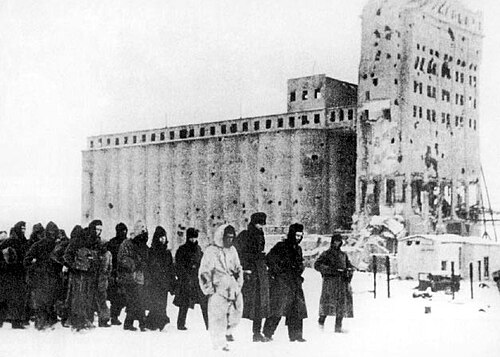
Only 91,000 starving, frostbitten survivors marched into Soviet captivity from the original 280,000-man army. Of those pathetic remnants, fewer than 6,000 would ever see Germany again. The rest died in Soviet prison camps, victims of starvation, disease, and the brutality they'd helped unleash on the Eastern Front.
The myth of German invincibility died in those frozen ruins alongside the Sixth Army. Though Hitler would never admit it, the war in the East was lost the moment Paulus raised the white flag.
Stalingrad's Legacy: The Turning Point Everyone Missed
The German army never recovered from losing an entire army group at Stalingrad. More than the tactical defeat, it proved that urban warfare favoured defenders willing to sacrifice everything for victory.
The city carried Stalin's name until 1961, when it was renamed Volgograd during de-Stalinization. But the military lessons remain carved in blood and concrete — lessons that modern armies still study when preparing for urban combat.
Every building was a fortress. Every street corner was a battlefield. Every civilian became a combatant. Stalingrad didn't just break the German Sixth Army — it rewrote the rules of warfare itself.