They Called It Belleau Wood — Yet the Marines Kept Charging, Knowing the Forest Was a Death Trap
June 1918. The Western Front is buckling. German forces, emboldened by the collapse of Russia in the east, are driving deep into France with a momentum that hasn't been seen since 1914. Paris — just 40 miles away — feels suddenly, terrifyingly reachable.
Belleau Wood itself was no ordinary forest. Dense undergrowth, jagged boulders, and a web of concealed German machine gun nests made it a natural fortress. There were no clean lines of attack. Every approach was a funnel leading directly into fire.
French and British troops, exhausted and bloodied, were pulling back. When they urged the newly arrived US Marines to join the retreat, one officer — Captain Lloyd Williams, by most accounts — reportedly snapped: "Retreat? We just got here." It became the war cry of a generation. But was this defiance a genuine turning point, or an arrogant gamble that would cost far too many young lives?
Most People Think the Marines Were Invincible at Belleau Wood. Unpopular Opinion: They Were Nearly Broken
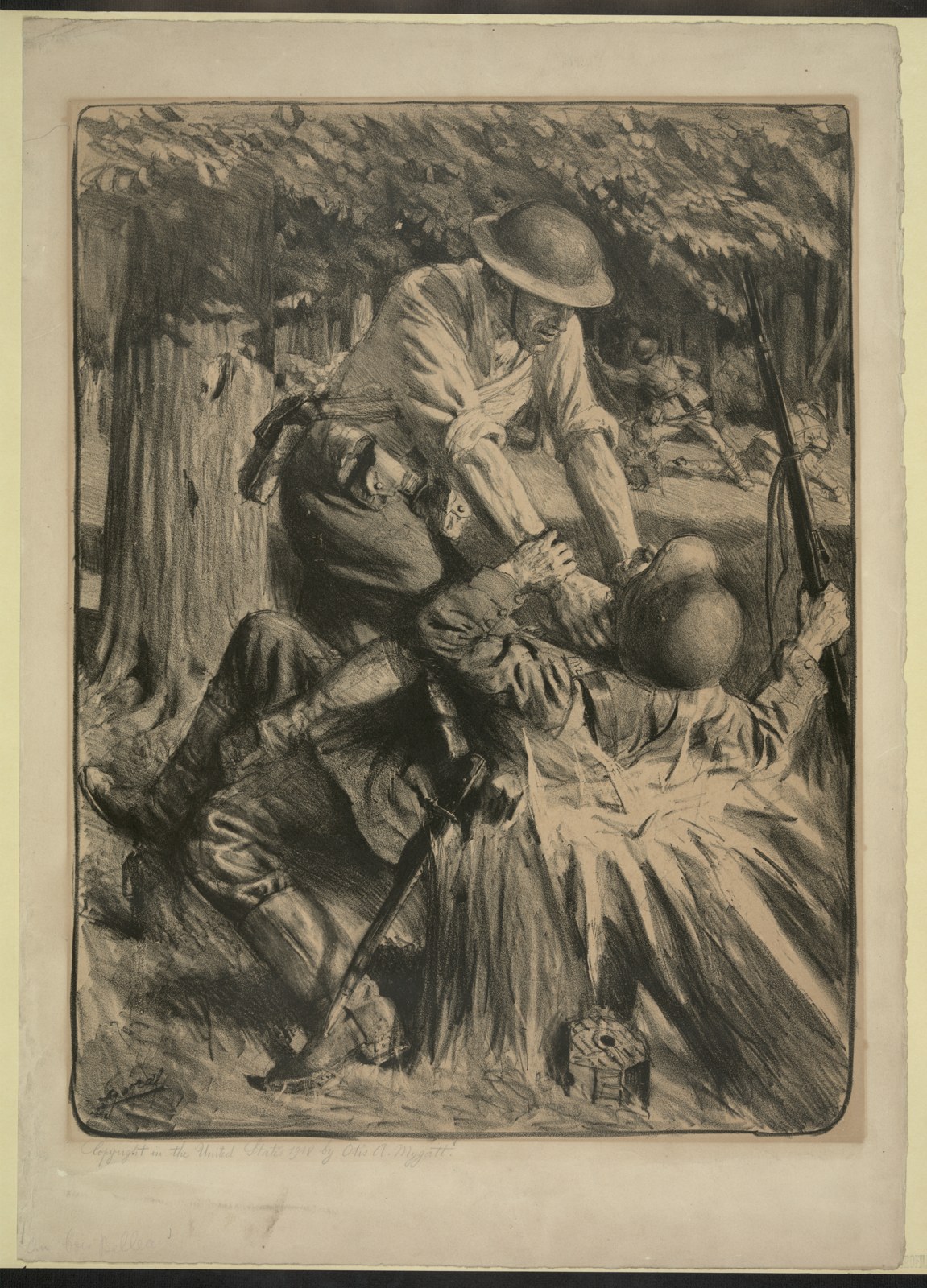
The mythology paints the Marines as unstoppable. The reality was far grimmer. In those first brutal days, Marines advanced in parade-ground formations — upright, dressed in ranks — straight into withering German machine gun fire. Men fell in waves before they'd crossed a hundred yards.
Some commanders drew fierce criticism for tactics that belonged to the Franco-Prussian War, not 1918. The industrial killing machine of the Western Front had no patience for textbook assaults. Over three weeks of fighting, more than 1,800 Marines were killed or wounded — the Corps' bloodiest engagement since its founding.
Does knowing how close they came to collapse make the eventual victory more impressive? Or does it raise uncomfortable questions about whether courage alone is ever enough when leadership fails to match the moment?
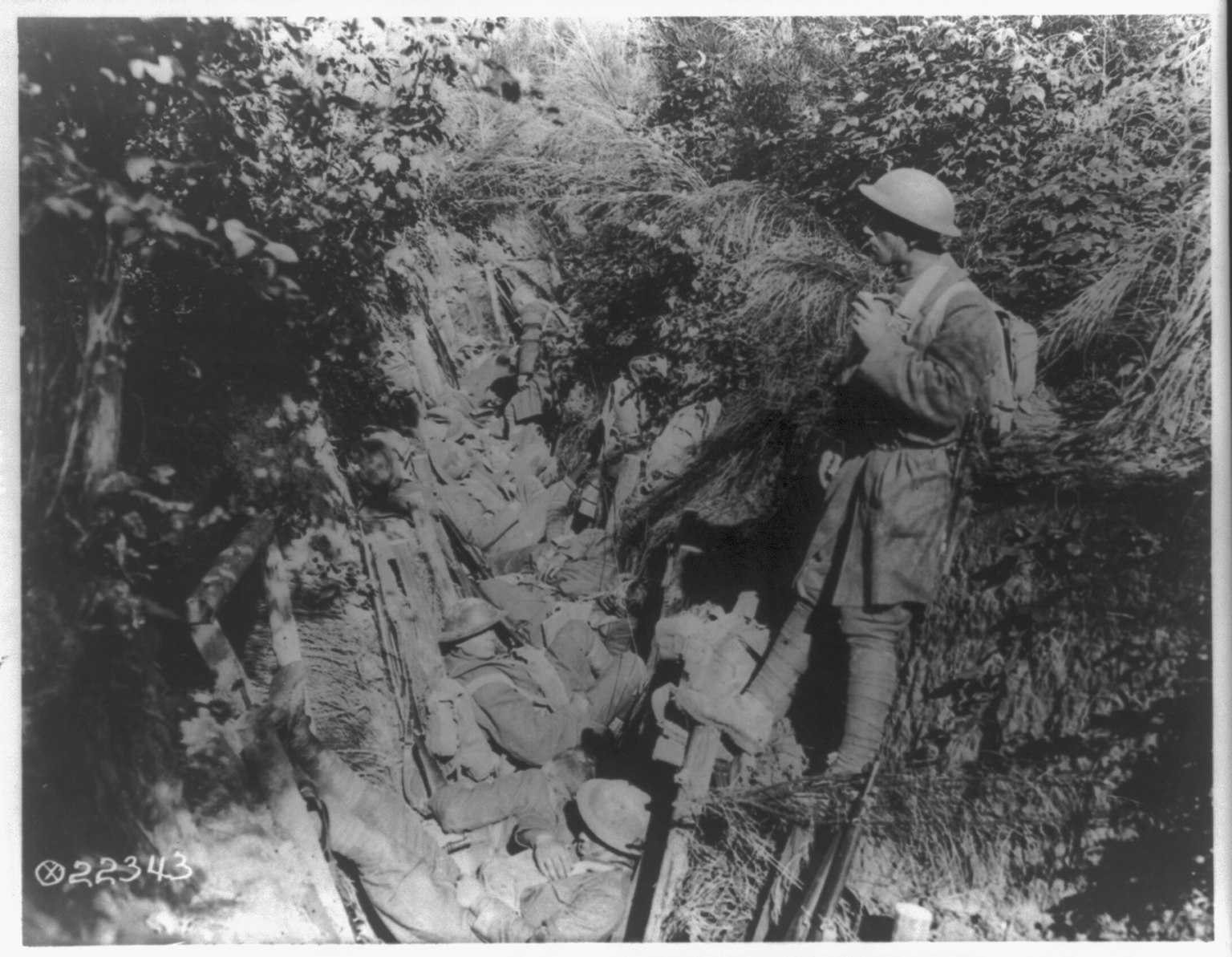
The Men Behind the Legend: Who Were the Marines of June 1918?
The 4th Marine Brigade was a remarkably mixed force — career soldiers who'd seen action in the Caribbean and the Philippines alongside volunteers who'd barely finished training. Many had never heard a shot fired in anger before they entered that wood.
Major General James Harbord commanded the brigade, learning to adapt American tactics under fire in real time. But it's Gunnery Sergeant Dan Daly who captures something essential about the human story here. Already holding two Medals of Honor — a distinction almost no one in American military history can claim — Daly reportedly turned to his men before one assault and roared: "Come on, you sons of bitches — do you want to live forever?"
That's not the sanitised patriotism of recruiting posters. That's a man from the grinding reality of enlisted life, dragging terrified young men from small-town America forward through a nightmare. The officers set the orders. Men like Daly made them happen.
Retreat? We Just Got Here — But Who Really Said It, and Does It Matter?
Some historians accept the Williams quote at face value. Others argue the exact wording was polished — or constructed entirely — after the fact, shaped by the Marine Corps' keen awareness of its own public image. Which side are you on?
Wartime mythology rarely emerges spontaneously. Armies, nations and institutions need their stories — especially armies fighting to prove their worth on a stage dominated by older, bloodier powers. The US Marine Corps understood this instinctively. Belleau Wood wasn't just a battle. It was a branding exercise written in blood.
The broader question is genuinely interesting: does a legend need to be literally true to carry real historical weight? Napoleon almost certainly never said half the things attributed to him. It didn't diminish his impact on how France understood itself for two centuries.
Teufelshunde: When Your Enemy Gives You a Name You Never Lose
The Germans, it is said, called the Marines Teufelshunde — Devil Dogs — in grudging recognition of their ferocity. The Marine Corps embraced it immediately and has worn it ever since. The bulldog became a Corps mascot. The nickname entered the recruiting lexicon.
There's a historical wrinkle worth noting: some researchers have struggled to find a contemporary German document confirming the term was widely used at the time. It may have spread more through American press reports than German field dispatches.
And yet — does it matter? Other units across both sides of the wire earned dark reputations that outlasted any documentary trail. Much like the Marines who held Guadalcanal a generation later, what mattered wasn't the paperwork. It was the reputation that the enemy respected, and that shaped how a corps of men understood their own identity going forward.
The French and British Units That Held the Line Before the Marines Arrived
French poilus had been bleeding into that same ground for weeks before a single American boot crossed the tree line. They absorbed the initial German assault at enormous cost, buying the time that allowed US forces to deploy at all.
America needed a victory story in the summer of 1918, and Belleau Wood was promoted heavily in the Allied press — sometimes at the expense of accurate context. It's a dynamic that British and Commonwealth readers will recognise painfully well from later in the century, particularly in how D-Day narratives have been shaped in popular memory.
The French, to their credit, later renamed the wood Bois de la Brigade de Marine — a rare and genuine tribute from one army to another. But does celebrating Belleau Wood as a purely American triumph do a quiet disservice to the broader Allied sacrifice that made it possible?
What Belleau Wood Actually Changed — And What It Didn't
Strategically, Belleau Wood helped blunt the German Spring Offensive — but it was one piece of a vast Allied effort that stretched hundreds of miles along the front. Crediting it as the moment America turned the war is a stretch the evidence doesn't fully support.
What it genuinely changed was something more internal. The Marine Corps emerged from that forest with an identity it has traded on ever since — through the Pacific, Korea, Vietnam, and beyond. The irony is that the Corps spent much of the following decades fighting bureaucratic battles to justify its own existence within the US military structure, even as Belleau Wood burnished its legend.
He was both recklessly brave and tactically costly. What do we really make of the Marine performance at Belleau Wood? Heroic last stand, or an expensive lesson in the limits of courage without adequate preparation? The debate doesn't have a clean answer — and perhaps that's exactly why it still matters.
We'd love to know where you stand. Was Belleau Wood the making of the Marine Corps, or a cautionary tale dressed up as triumph?